
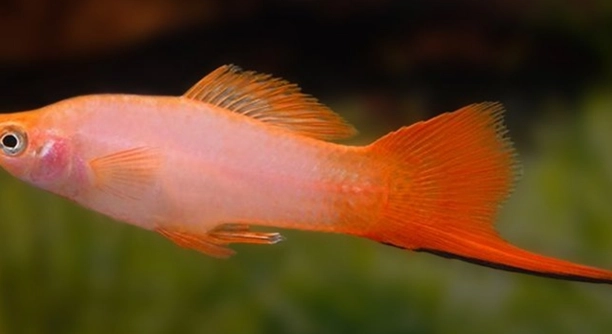
Tank changes can be surprising for swordtails, as they react in unique ways. Understanding these shifts helps maintain a healthy environment for them. With the right adjustments, you can ensure your fish thrive and stay active.
Swordtails often experience stress when sudden changes in their tank environment occur. Shifting water parameters, lighting, or décor can cause discomfort, which affects their behavior and overall health. Maintaining stable conditions is key to preventing these shocks.
Recognizing the impact of these changes will help you create a more stable environment, ensuring the well-being of your swordtails.
Water Temperature Fluctuations
Swordtails are sensitive to changes in water temperature. A sudden increase or decrease can stress them out, causing them to become lethargic or stop eating. Even a few degrees difference can have a significant impact. If the temperature isn’t stable, swordtails may also become more susceptible to disease. Monitoring the water temperature and keeping it steady within the recommended range for swordtails is essential. Make sure to invest in a reliable heater or thermometer to help maintain the right conditions.
Consistency is key. Sudden drops or increases can cause shock. Keeping the water within a stable range prevents stress and ensures your swordtails stay healthy.
It’s important to adjust the water temperature gradually if changes are necessary. A quick shift can cause immediate stress. Also, be mindful of external factors like room temperature or equipment failure that might influence the tank’s environment. Maintaining a steady and appropriate temperature range not only helps swordtails thrive but also minimizes the risk of other related issues.
Water Chemistry Changes
Swordtails react quickly to changes in water chemistry. When levels of ammonia, nitrite, or nitrate rise, or when the pH shifts too much, swordtails can experience health problems. Keeping the water parameters consistent is vital for their survival. Regular water changes and testing for these chemicals can help prevent adverse effects.
Water chemistry is one of the most important factors. Stable water conditions prevent stress and improve the quality of life for swordtails.
Frequent testing ensures the water stays balanced, which is essential for swordtails’ well-being. When there’s a change in water chemistry, swordtails may show signs of distress such as gasping at the surface or hiding more than usual. Regular water changes, combined with proper filtration, help keep these factors in check. Avoid adding too many new fish or overfeeding, which can cause the levels to spike. By maintaining steady water parameters, you reduce the risk of harm and ensure a healthier tank for your fish.
Sudden Tank Decor Changes
When you rearrange tank decorations, swordtails can become disoriented. They rely on familiar structures for comfort and safety. Shifting the layout too often can create stress, making your fish feel insecure in their environment. Avoid frequent changes and allow them to adjust when you do make updates.
Give your swordtails time to adapt to new tank setups. Introducing changes gradually, such as adding or removing decorations one at a time, can help prevent confusion and stress. A sudden shift in their surroundings might lead to hiding or avoiding certain areas of the tank.
Additionally, avoid overcrowding the tank with too many decorations. While variety can enhance the visual appeal, swordtails need open swimming space to thrive. Over-decorating the tank can limit their movement and cause unnecessary stress. Stick to simple changes and offer time for adjustment, which promotes a sense of security in their space.
Lighting Adjustments
Lighting changes can disrupt the daily rhythm of swordtails. These fish are used to a certain light cycle, and alterations can affect their feeding and sleeping habits. Keeping the light cycle consistent is important for maintaining their behavior and overall health.
Swordtails tend to be sensitive to shifts in light levels, particularly when transitioning between day and night. Changing light duration or brightness can disturb their natural patterns, leading to stress or disrupted activity levels. A timer can help keep lighting consistent, offering a stable environment for them.
Inconsistent lighting can also affect their breeding cycles. Swordtails are more likely to breed in stable, familiar conditions. If lighting is too bright or erratic, it may prevent them from feeling comfortable enough to reproduce. Proper lighting helps regulate their internal clocks, ensuring a healthier and happier tank environment.
Overcrowding the Tank
Overcrowding creates stress for swordtails. Too many fish in one space leads to competition for resources like food and oxygen. This can lower water quality and increase the risk of disease. Always ensure your tank is large enough to comfortably house all its inhabitants.
Maintaining a proper fish-to-gallon ratio is essential. When swordtails are crowded, they become more susceptible to stress and health issues. Space allows them to swim freely and reduces territorial disputes. Regular water testing and maintenance are necessary to ensure a balanced environment.
Water Filtration Problems
Poor filtration can quickly lead to water quality issues in the tank. Swordtails need clean water to stay healthy. Without proper filtration, waste and debris can build up, raising ammonia levels and harming your fish. Choose a filter that suits the size and type of your tank.
A good filtration system is essential for maintaining stable water conditions. Swordtails need well-filtered water to keep oxygen levels high and prevent the buildup of harmful substances. It’s important to clean the filter regularly and replace the media when needed. This helps ensure a healthy and thriving tank.
Excessive Feeding
Overfeeding swordtails causes water pollution and unhealthy weight gain. It’s easy to overfeed them, thinking they need more, but in reality, this leads to waste build-up and poor water quality. Stick to a feeding schedule to avoid excess.
Excess food will not only pollute the water but can lead to overfeeding and fat swordtails. Swordtails are typically not picky eaters, but excess food creates water imbalances. Feeding smaller amounts once or twice daily prevents waste accumulation and keeps the environment clean. This simple habit ensures swordtails remain active and healthy.
FAQ
What is the ideal water temperature for swordtails?
Swordtails thrive in temperatures between 72°F and 82°F (22°C to 28°C). Keeping the water within this range ensures their comfort and prevents stress. Temperatures outside of this range can lead to health issues, such as lethargy or disease. To maintain consistency, use a reliable aquarium heater and thermometer.
How often should I change the water for my swordtails?
A 25% to 30% water change every 1 to 2 weeks is generally recommended for swordtails. This helps remove excess waste, debris, and toxins from the tank. If you have a heavily stocked tank or poor filtration, more frequent water changes may be necessary to maintain good water quality.
Can swordtails live with other fish?
Yes, swordtails are peaceful fish and can live with a variety of species, such as tetras, guppies, and platies. However, avoid housing them with overly aggressive fish. It’s important to choose tank mates that are similar in size and temperament to keep the peace in your aquarium.
What should I feed my swordtails?
Swordtails are omnivores and require a balanced diet of high-quality flakes or pellets, along with live or frozen foods like brine shrimp and bloodworms. Provide variety in their diet to ensure they receive the proper nutrients. Feed them once or twice a day, only giving them as much food as they can consume in 2 to 3 minutes.
How do I know if my swordtail is stressed?
Signs of stress in swordtails include hiding, a loss of appetite, changes in color, and erratic swimming patterns. If your swordtail is frequently at the surface gasping for air or constantly hiding, it may be an indication that the water conditions need adjusting. Check for any issues with temperature, water quality, or overcrowding.
What size tank do swordtails need?
A 20-gallon tank is the minimum recommended size for a small group of swordtails. Larger tanks are better for more fish, as they provide adequate space for swimming and reduce the risk of stress. A larger tank also helps maintain water quality, as it dilutes toxins and waste more effectively.
Do swordtails need a filter?
Yes, a filter is essential for keeping the water clean and free from toxins. Swordtails produce waste, and without proper filtration, ammonia and nitrates can build up, which can harm them. Choose a filter suited for the size of your tank to maintain a healthy environment.
How can I tell if my swordtail is pregnant?
Pregnant swordtails will have a noticeable gravid spot near their abdomen, which is dark and swollen. They may also become rounder as they prepare to give birth. If you notice these signs, you may want to prepare for the birth of fry by setting up a separate breeding tank or a breeding box to protect the babies.
What do I do if my swordtail isn’t eating?
If your swordtail isn’t eating, check the water parameters first. Poor water quality can lead to a loss of appetite. Also, consider whether the food you’re offering is appropriate. Swordtails can be picky about food, so offering a variety of options might help. If the issue persists, consider consulting a vet.
How long do swordtails live?
Swordtails typically live for 3 to 5 years when properly cared for. Their lifespan can vary depending on factors such as water quality, diet, and overall tank conditions. Keeping them in stable, clean conditions will help maximize their life expectancy.
How do I prevent swordtail diseases?
Preventing disease involves maintaining good water quality, avoiding overcrowding, and ensuring that all tank mates are healthy before introducing them. Regular water changes, proper filtration, and feeding a balanced diet are also key to keeping your swordtails healthy. Quarantine any new fish before adding them to your main tank to prevent the spread of diseases.
Can swordtails tolerate high levels of nitrate?
Swordtails can tolerate moderate levels of nitrate, but high concentrations (above 40 ppm) can be harmful. Elevated nitrate levels can cause stress, poor health, and even death. Regular water changes, proper filtration, and avoiding overfeeding will help prevent nitrate build-up in the tank.
Do swordtails need a lot of space to swim?
Swordtails are active swimmers and need enough space to move around comfortably. A tank that is too small can stress them out and hinder their natural behaviors. Ensure that your tank has enough open swimming space, and avoid overcrowding with too many fish or decorations.
Why is my swordtail’s color fading?
Color fading in swordtails can be caused by stress, poor water quality, or inadequate nutrition. If the water parameters are unstable or if the fish is not receiving enough nutrients, their color can dull. Make sure the tank conditions are optimal, and provide a balanced diet with variety.
Can swordtails live in hard water?
Swordtails are adaptable and can live in moderately hard water, though they thrive best in slightly alkaline conditions. Water hardness levels should be kept between 10 to 20 dGH. If your water is too soft, consider adding minerals to adjust the hardness level for optimal health.
Final Thoughts
Caring for swordtails requires attention to their environment, diet, and social interactions. These fish are generally hardy and adaptable, but maintaining the right water conditions is essential to their well-being. They thrive in stable, clean water with the right temperature, pH, and hardness. Consistent maintenance, including regular water changes and proper filtration, helps keep swordtails healthy and happy. A well-maintained tank can prevent common issues such as stress, illness, and poor growth.
Swordtails are peaceful and active fish, making them excellent choices for community tanks. However, they do best when not overcrowded and when their tank mates are compatible. It’s important to monitor their behavior and ensure they are comfortable. Regularly observe your swordtails for signs of stress, such as hiding, loss of appetite, or changes in swimming patterns. If these symptoms appear, check the water quality immediately and adjust the environment accordingly. Keeping your swordtails in the right conditions will help them live longer, healthier lives.
Overall, swordtails are rewarding fish to care for, provided their basic needs are met. By maintaining proper water quality, feeding them a varied diet, and providing an appropriately sized tank, you can ensure they live their best lives. Though they are not difficult to care for, they do require a little attention and consistency. When their needs are fulfilled, swordtails can add color and movement to any aquarium.

Hello,
If you enjoy the content that we create, please consider saying a "Thank You!" by leaving a tip.
Every little bit helps us continue crafting quality advice that supports the health, happiness, and well-being of pets around the world, for pets of all shapes, sizes, and species.
We really appreciate the kindness and support that you show us!