
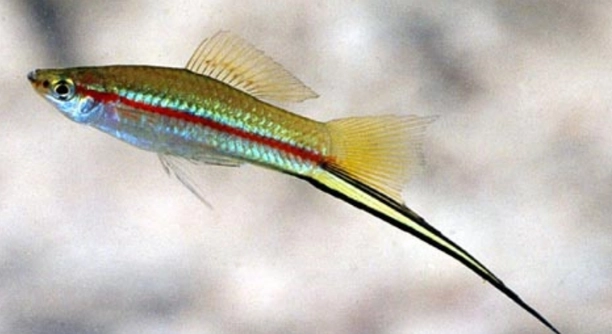
Swordtails are popular aquarium fish known for their unique behavior and vibrant colors. However, understanding their interactions with tankmates can raise concerns for many fish owners. Knowing how they behave can help you maintain harmony in your tank.
Swordtails may lose interest in tankmates over time due to factors such as territoriality, competition for resources, or changes in their environment. This can result in less social interaction and more focus on other aspects of their habitat.
Understanding the reasons behind this behavior will help you create a balanced tank environment. Proper adjustments can keep your swordtails engaged and your aquarium thriving.
Why Swordtails May Lose Interest in Tankmates
Swordtails, like many fish species, exhibit a variety of behaviors influenced by their environment and tank conditions. One of the reasons they might lose interest in tankmates is due to territoriality. In crowded aquariums, swordtails can become more focused on protecting their space, which reduces interactions with other fish. Additionally, male swordtails are known for their territorial nature, especially when they are trying to establish dominance over other males. This natural instinct can cause them to ignore tankmates in favor of defending their territory.
Another reason swordtails might lose interest is due to the presence of other species that compete for food or space. Swordtails may prioritize feeding over socializing with their tankmates, especially if they feel there’s a scarcity of resources. This can lead to less engagement with other fish in the aquarium. Understanding these factors is crucial for maintaining harmony in your tank.
To keep swordtails interacting with their tankmates, it’s important to ensure there is plenty of space, food, and hiding spots. This allows the swordtails to feel secure and less stressed, improving their social behaviors.
How to Encourage Interaction
Providing a balanced tank environment with adequate space and resources can reduce stress for swordtails. By adding hiding spots and plants, swordtails feel safer and may become more open to interacting with other fish. When swordtails are content, they are more likely to engage in peaceful interactions with their tankmates.
To promote a positive atmosphere, avoid overcrowding the tank. A well-balanced tank with a good number of hiding spaces and adequate room for all fish helps prevent territorial disputes and encourages peaceful coexistence. Additionally, feeding swordtails regularly and offering varied food options will help reduce competition for resources, encouraging more sociable behaviors.
Tank Size and Swordtail Behavior
Tank size plays a major role in swordtail behavior. When the tank is too small, swordtails feel cramped, leading to increased stress and territorial disputes. In these conditions, they may focus more on defending their space rather than socializing with their tankmates. This lack of space can make swordtails appear disinterested in others.
Providing a larger tank gives swordtails more room to swim freely and reduces territorial tension. In a spacious environment, swordtails are more likely to explore their surroundings and engage with other fish. This promotes a healthier and more active lifestyle, allowing them to interact without feeling threatened.
A tank size of at least 20 gallons is recommended for a small group of swordtails. This size ensures they have enough room to thrive and interact with other species, encouraging peaceful coexistence. Proper tank size allows swordtails to exhibit natural behaviors, such as schooling, which can lead to less stress and more interaction with their tankmates.
Maintaining a Stress-Free Environment
Stress can significantly impact swordtail behavior, making them more withdrawn from their tankmates. It’s important to minimize sources of stress, such as sudden changes in water temperature or the introduction of aggressive species. Swordtails are more likely to lose interest in other fish if they are constantly under stress.
Maintaining stable water conditions is crucial for swordtails to thrive. Regular water changes, appropriate filtration, and monitoring water parameters like pH, temperature, and hardness can help ensure a stable environment. Swordtails will feel more secure when they are in a well-maintained tank, reducing stress and promoting social behavior with other fish.
When swordtails are in a stress-free environment, they are more active and curious. A calm tank allows them to form natural social bonds with their tankmates. Reducing stressors is key to keeping swordtails content, which leads to better interactions and a healthier aquarium environment overall.
Swordtail Compatibility with Other Species
Swordtails can generally coexist well with peaceful species. However, their behavior may change if they are housed with overly aggressive tankmates. Aggressive species can cause swordtails to become stressed and disinterested in social interactions with other fish. Choosing compatible tankmates is essential for their well-being.
When paired with the right species, swordtails are social and enjoy the company of other fish. Species like tetras, guppies, and mollies make great companions. These fish are similar in size and temperament, which reduces the risk of conflict and allows swordtails to feel more comfortable in their environment.
Swordtails do best with fish that are not overly territorial or aggressive. Choosing peaceful tankmates helps swordtails stay active and engaged, which can lead to healthier social behaviors. It’s important to research compatibility before adding new species to the tank.
Feeding and Swordtail Social Behavior
Swordtails may become less engaged with their tankmates if food is scarce. Competition for food can lead to stress and social withdrawal. Ensuring swordtails have access to plenty of food, spread out over multiple feedings, encourages them to interact more with other fish.
Overfeeding or underfeeding can cause imbalances. Swordtails may become stressed if food is scarce or too abundant. Offering balanced meals, such as flakes, pellets, and occasional live food, helps keep swordtails healthy and engaged. Social feeding encourages interaction and can improve the overall atmosphere of the tank.
Swordtails and the Breeding Process
Breeding can also impact swordtail behavior. Males may focus more on courting females, which can lead to reduced interest in other tankmates. During the breeding season, swordtails become more territorial, and the social structure of the tank can shift.
FAQ
Do swordtails prefer to be alone or with other fish?
Swordtails are social fish and generally prefer to be kept with other fish. They enjoy the company of their species and other peaceful fish in a community tank. However, they can become territorial and stressed if there isn’t enough space or if they are housed with aggressive tankmates. Ensuring a peaceful tank environment with enough room and hiding spaces can help swordtails stay engaged with their tankmates.
How can I tell if my swordtail is stressed?
Stress in swordtails can show through various signs such as unusual hiding, loss of appetite, aggressive behavior, or faded colors. If your swordtail is not swimming freely or is acting more withdrawn than usual, it could indicate stress. Stress often results from overcrowding, poor water conditions, or aggressive tankmates. Monitoring their behavior and making adjustments in the environment can help alleviate stress.
Do swordtails need a mate to be happy?
While swordtails can live without a mate, they do enjoy the company of other swordtails. In a group, they display more natural behaviors and are less likely to feel threatened or stressed. However, they do not necessarily need a mate for happiness, as long as they are housed with other peaceful species. If you keep just one, ensure they have other tankmates to interact with.
Why is my swordtail swimming in circles?
Swimming in circles can be a sign of stress or discomfort in swordtails. It might occur if the fish is feeling trapped in a small space, or if the water conditions are poor. It can also indicate that the fish is bored or not getting enough interaction with other fish. Checking the water parameters, ensuring the tank size is appropriate, and adding some plants or decorations to create hiding spots can help.
Can swordtails live with other aggressive fish?
Swordtails are peaceful fish and are best kept with other calm species. Aggressive fish can stress them out and even lead to injury. Species like cichlids, bettas, or larger predatory fish should be avoided. It’s important to research each species’ temperament before adding them to a community tank. Swordtails thrive with fish of similar size and temperament.
How can I encourage swordtails to socialize with each other?
Swordtails tend to be more social when there is enough space, proper food, and a stress-free environment. To encourage socialization, ensure the tank has plenty of hiding spots, plants, and open swimming areas. Keep the water conditions stable, and offer food regularly to reduce competition. Swordtails are more likely to interact with each other in a balanced environment.
Do swordtails get along with other livebearers?
Swordtails generally get along with other livebearers like guppies, mollies, and platies. These species are of similar size and temperament, which helps prevent territorial disputes. However, ensure that the tank has enough space for all fish to swim freely and access food. Overcrowding can cause stress, even with peaceful species.
What is the ideal tank size for swordtails?
The ideal tank size for swordtails is at least 20 gallons for a small group. A larger tank provides ample space for them to swim and interact. When swordtails feel cramped, they may become stressed and territorial. In a spacious environment, swordtails will feel more comfortable and be more likely to socialize with tankmates.
Can swordtails live with snails or shrimp?
Swordtails can live peacefully with snails and shrimp. Snails are generally harmless and can help clean the tank. Shrimp are also good companions but may be vulnerable to larger swordtails that might see them as food. If you add shrimp, make sure the swordtails are well-fed and not overly aggressive toward smaller species.
What should I do if my swordtail is bullying other fish?
If a swordtail is bullying other fish, it’s important to assess the tank’s setup. Overcrowding, lack of hiding spots, or an unbalanced environment can cause stress and aggressive behavior. To resolve this, ensure the tank has enough space and hiding areas for all fish. Adding more plants or decorations can help reduce aggression and offer fish places to retreat.
Why are my swordtails not interacting with each other?
Swordtails may not interact with each other if they feel stressed, are in an overcrowded tank, or are housed with incompatible species. Lack of space, poor water conditions, and competition for food can lead to withdrawal from tankmates. Ensuring a peaceful environment with adequate food, space, and proper tankmates can encourage socialization.
How can I tell if my swordtail is healthy?
Healthy swordtails are active, swim freely, and display bright, vibrant colors. They should have a good appetite and interact with their tankmates. If your swordtail shows signs of lethargy, faded colors, or refuses to eat, it could indicate an issue. Regular water changes and monitoring their health can help maintain a thriving swordtail.
Can swordtails breed in a community tank?
Swordtails can breed in a community tank, but there are a few considerations. If you don’t want fry, it’s important to have only male swordtails or ensure they are housed with species that won’t harm the babies. Keep in mind that breeding can lead to an increase in tank population, so proper care is needed to prevent overcrowding.
Final Thoughts
Swordtails are generally social and peaceful fish, making them great additions to many community tanks. They thrive when housed with compatible species, such as guppies, mollies, and tetras, and they tend to interact well with other peaceful fish. However, it is crucial to provide them with enough space, food, and a stress-free environment to prevent them from becoming territorial or disengaged. When their basic needs are met, swordtails are active and lively, contributing to a balanced and harmonious aquarium.
Understanding their behavior is essential to ensuring that swordtails live a happy and healthy life. If housed with compatible species, they tend to form strong social bonds and are less likely to exhibit aggression. However, poor water conditions, overcrowding, or incompatible tankmates can cause them stress, leading to a reduction in social behavior and even health issues. Maintaining a stable environment, providing adequate hiding spots, and avoiding aggressive fish are key to preventing stress in swordtails. When kept in the right conditions, they will not only thrive but will add beauty and energy to the tank.
Overall, swordtails are a great choice for hobbyists looking to create a peaceful and lively aquarium. They are not only beautiful to look at but are also relatively easy to care for, provided their tank is well-maintained and their social needs are met. By choosing the right tankmates, keeping the water clean, and offering enough space, swordtails will remain active and engaged in their tank environment. Proper care can result in a long, healthy life for these charming fish, enhancing the overall experience of aquarium keeping.

Hello,
If you enjoy the content that we create, please consider saying a "Thank You!" by leaving a tip.
Every little bit helps us continue crafting quality advice that supports the health, happiness, and well-being of pets around the world, for pets of all shapes, sizes, and species.
We really appreciate the kindness and support that you show us!