
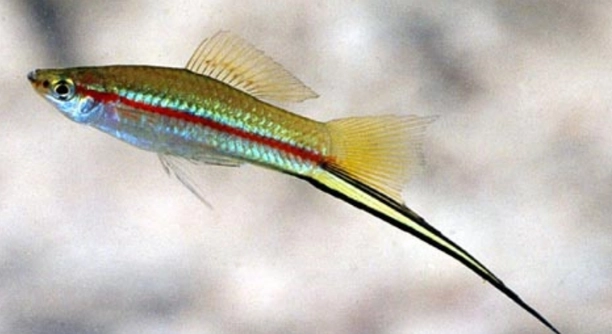
Swordtail fish are known for their active nature, but sometimes they may spend more time near the bubbler than expected. This behavior could stem from various factors that impact their health and well-being in the tank environment.
The most common reason for a swordtail staying near the bubbler is a need for better water quality or oxygen levels. Swordtails may gravitate to areas with more dissolved oxygen if the tank water is low in oxygen or has poor circulation.
Understanding why your swordtail is staying near the bubbler will allow you to make necessary adjustments, ensuring your fish remains healthy and comfortable in its aquatic environment.
Why Swordtails Seek Out the Bubbler
Swordtail fish are naturally curious and active, often moving throughout the tank. However, if your swordtail consistently stays near the bubbler, there may be something wrong with its environment. Swordtails, like all fish, need proper water conditions to thrive. Water temperature, oxygen levels, and tank cleanliness can influence their behavior. In the wild, swordtails are found in well-oxygenated waters, so they instinctively seek areas with better oxygen availability. Poor circulation or insufficient oxygen can cause them to remain near the bubbler. It’s important to understand how these factors impact your fish’s comfort and well-being.
The oxygen level in your tank could be lower than ideal, causing your swordtail to stay close to the bubbler for easier breathing. Inadequate water movement or excess waste can decrease oxygen levels, affecting your fish. Regular water testing can help identify oxygen deficiencies.
Maintaining proper water quality and circulation will improve your swordtail’s health. Proper filtration, regular water changes, and monitoring oxygen levels are key. Swordtails thrive when their environment matches their natural habitat. A clean, oxygenated tank is essential for their activity levels and overall comfort.
How to Fix the Issue
One of the first steps to take is testing your tank’s oxygen levels. If the water quality is low, immediate changes are necessary. Improving filtration, increasing surface agitation, or adding an air stone can help increase oxygen. Regular water changes and tank cleaning will ensure waste doesn’t build up, affecting the fish.
If the swordtail is still showing signs of distress, adjust the water flow rate. Sometimes, fish avoid strong currents or become stressed in turbulent water. Finding a balance in water movement can help your swordtail feel more comfortable.
Lastly, consider the tank’s temperature. Swordtails prefer warmer water, and drastic changes in temperature can lead to stress. Maintaining a stable, slightly warm temperature range helps swordtails stay active and healthy. By addressing these factors, you’ll provide your swordtail with a more comfortable environment.
Water Temperature and Its Impact
Swordtails thrive in stable, slightly warm temperatures, typically between 72°F and 82°F. If the water is too cold, they may seek warmer areas, often near the bubbler, where the flow might be warmer. This behavior could indicate that your tank’s water temperature is fluctuating or is outside their preferred range.
A sudden drop or increase in water temperature can stress swordtails, leading them to spend more time near the bubbler. If the heater is malfunctioning or not set correctly, it may cause discomfort for your fish. It’s important to regularly check the water temperature using an accurate thermometer to prevent such stress.
Consistency in temperature is key to keeping your swordtail active and healthy. Investing in a reliable aquarium heater can ensure a stable environment. Avoid placing the tank in areas with fluctuating room temperatures or drafts, which could affect the water.
Tank Size and Space Availability
A cramped environment can lead to stress for any fish, including swordtails. If the tank is too small, the fish may not have enough space to swim freely. Swordtails are active swimmers and need room to move around. A smaller tank can force them into less comfortable areas, such as near the bubbler.
Overcrowding is another factor to consider. Swordtails do better in groups, but too many fish in a small tank can lead to stress, aggression, and poor water quality. Ensure that your tank is large enough for the number of fish it holds. A general rule of thumb is 1 inch of fish per gallon of water, though swordtails, being slightly larger, require a bit more space.
If your swordtail is staying by the bubbler, it could be seeking more space or better water quality. A larger tank with more swimming room may encourage your swordtail to spread out more and explore the tank.
Water Quality and Filtration
Poor water quality is one of the most common reasons why swordtails stay near the bubbler. High levels of toxins like ammonia, nitrites, or nitrates can harm your fish. This causes them to seek areas of the tank with better circulation, often near the bubbler where the water is fresher.
Regular water changes and proper filtration are essential for maintaining water quality. A good filtration system helps remove excess waste and keeps the water clean. Testing your water regularly ensures that levels of ammonia, nitrites, and nitrates stay within a safe range for your swordtail.
Stress Factors in the Tank
Stress can lead swordtails to seek out specific areas, including near the bubbler. Factors like aggressive tank mates, loud noises, or frequent disturbances can contribute to this behavior. Swordtails are peaceful but can become stressed in chaotic environments, which may cause them to retreat to safer areas.
Tank setup matters. Hiding spots, plants, and decorations can provide refuge and reduce stress. Swordtails benefit from environments where they feel secure and have enough space to retreat. A peaceful tank will encourage more natural behavior and less time near the bubbler.
Diet and Feeding Habits
Overfeeding or offering low-quality food can impact your swordtail’s behavior. Uneaten food can degrade water quality, adding to the stress and prompting your fish to stay close to the bubbler for fresher oxygenated water. Ensure you are feeding your swordtail appropriately.
A balanced diet consisting of high-quality flakes, pellets, and occasional live or frozen foods supports your fish’s health. Swordtails will thrive when their dietary needs are met and when food is consumed efficiently.
FAQ
Why is my swordtail staying near the bubbler?
Swordtails may stay near the bubbler for various reasons, such as low oxygen levels or poor water quality. The bubbler provides better oxygenated water, so if the tank’s water is not optimal, your swordtail will instinctively seek these areas. Additionally, swordtails may prefer areas with less water movement, which can encourage them to stay near the bubbler if it provides a calmer environment.
How can I increase oxygen levels in my tank?
To increase oxygen levels, ensure that your aquarium has proper aeration and circulation. Adding a strong air pump, air stone, or adjusting the filter flow can help improve oxygen distribution. Regular water changes, proper filtration, and the inclusion of live plants will also help maintain higher oxygen levels in the tank.
Does water temperature affect my swordtail’s behavior?
Yes, swordtails are sensitive to water temperature. If the water is too cold or fluctuates too much, it may cause them to seek warmer spots, possibly near the bubbler. Keeping your tank’s temperature stable between 72°F and 82°F will help your swordtail remain active and comfortable.
Can overcrowding cause my swordtail to stay near the bubbler?
Yes, overcrowding can lead to stress and force swordtails into specific areas of the tank, including near the bubbler. Ensure that your tank is large enough for the number of fish you have. Swordtails need space to swim and should not be confined in a cramped tank with too many fish.
How often should I clean my tank to avoid this behavior?
You should clean your tank regularly, typically once a week, depending on the tank’s size and the number of fish. Cleaning includes changing a portion of the water, cleaning the substrate, and ensuring the filter is working correctly. A cleaner tank prevents poor water quality, which can cause swordtails to stay near the bubbler.
What type of filter should I use for my swordtail tank?
A good filter is essential for maintaining water quality. For swordtails, a sponge filter or a hang-on-back (HOB) filter works well, as both provide excellent filtration while being gentle on the fish. Ensure that the filter is appropriate for your tank size and provides adequate circulation without creating too strong of a current.
Why is my swordtail staying in one spot near the bubbler for long periods?
If your swordtail stays in one spot near the bubbler for extended periods, it could be stressed or dealing with water quality issues. Test the water for ammonia, nitrites, and nitrates. If everything is fine, check for other stressors like aggressive tank mates or unsuitable tank conditions.
How do I know if my swordtail is stressed?
Signs of stress in swordtails include hiding, loss of appetite, rapid gill movement, and unusual behavior such as staying near the bubbler or near the tank’s surface. If you notice these behaviors, check the water conditions and remove any potential stressors from the environment.
Can I add more plants to my tank to help my swordtail?
Yes, adding more plants can help create a more natural environment for your swordtail. Plants provide hiding spots, reduce stress, and improve oxygen levels by producing oxygen through photosynthesis. They also help absorb excess nutrients in the water, improving overall water quality.
What should I feed my swordtail to help its health?
Feed your swordtail a balanced diet that includes high-quality fish flakes, pellets, and occasional treats like frozen or live brine shrimp and daphnia. Avoid overfeeding, as uneaten food can degrade water quality. A proper diet supports your fish’s health and reduces the chances of stress-related behavior.
Can tank decorations affect my swordtail’s behavior?
Tank decorations can influence your swordtail’s behavior. Providing enough hiding spots and creating a well-structured environment can help reduce stress. Avoid overcrowding the tank with too many decorations that limit swimming space. Simple plants and rocks placed strategically will help swordtails feel secure without causing them to stay near the bubbler.
Should I adjust the water flow in my tank?
Adjusting the water flow can help prevent your swordtail from staying near the bubbler if it prefers calmer water. Some swordtails may avoid areas with strong currents. Adjusting your filter to create a gentle flow or placing obstacles like plants or rocks to block harsh currents will help your swordtail feel more comfortable.
Can aggressive tank mates cause my swordtail to stay near the bubbler?
Yes, aggressive tank mates can stress your swordtail and make it seek areas of safety, such as near the bubbler. If your swordtail is being harassed by other fish, it may retreat to quieter areas of the tank. Ensure you have peaceful tank mates and monitor interactions to reduce stress.
How can I tell if my swordtail is breathing normally?
Healthy swordtails will breathe steadily with visible gill movement. If your swordtail is breathing rapidly or at the surface for extended periods, this could indicate poor water quality or low oxygen levels. Monitor their breathing patterns and water conditions to ensure they are within a healthy range.
How can I improve my swordtail’s tank environment?
Improving your swordtail’s tank environment involves maintaining optimal water quality, ensuring proper filtration and oxygenation, and providing enough space and hiding spots. Regularly clean the tank, monitor water parameters, and adjust tank conditions as needed to ensure your swordtail thrives in a comfortable, stress-free environment.
Final Thoughts
Swordtails are hardy and relatively easy to care for, but like all fish, they have specific needs that must be met to ensure their health and well-being. If your swordtail spends too much time near the bubbler, it’s often a sign that something in the tank environment is not quite right. It could be due to poor water quality, low oxygen levels, stress from tank mates, or even incorrect temperature. Understanding these potential causes is key to addressing the issue and providing your swordtail with a comfortable and healthy environment.
Maintaining a healthy tank for your swordtail involves regular monitoring of water quality, temperature, and the overall tank environment. By regularly testing your water for ammonia, nitrites, and nitrates, you can catch potential problems before they affect your fish. Proper filtration and regular water changes are essential for keeping the water clean and oxygenated. You should also ensure your swordtail has plenty of space to swim and enough hiding spots to feel secure, as stress can significantly impact their behavior.
Lastly, swordtails are social and peaceful fish that thrive in a calm and stable environment. Avoid overcrowding and provide a balanced diet to support their overall health. By focusing on maintaining proper water quality, ensuring suitable tank conditions, and addressing any signs of stress, you can help your swordtail remain active and healthy, reducing the likelihood of them staying near the bubbler for extended periods. With these simple steps, your swordtail will have the best chance at living a long and healthy life.

Hello,
If you enjoy the content that we create, please consider saying a "Thank You!" by leaving a tip.
Every little bit helps us continue crafting quality advice that supports the health, happiness, and well-being of pets around the world, for pets of all shapes, sizes, and species.
We really appreciate the kindness and support that you show us!