
Swordtails are a popular choice for aquarium enthusiasts, known for their vibrant colors and energetic behavior. Understanding how to identify the gender of your swordtails early can be helpful, especially when it comes to caring for them.
The most effective way to distinguish the gender of swordtails early is by observing differences in body shape, color, and fin structure. Males tend to have longer, more colorful fins, while females are generally larger and rounder.
Knowing how to identify swordtail genders early will help you maintain a balanced tank environment. It can prevent unwanted breeding and help ensure your fish’s health. Keep reading for tips on gender identification!
Body Shape Differences Between Male and Female Swordtails
One of the easiest ways to spot the gender of swordtails early is by observing their body shape. Males are typically smaller, with a slimmer body, while females are more robust and rounder. This difference in size is noticeable as early as a few weeks after birth. Males will often exhibit a more streamlined shape, while females will appear fuller, especially around the abdomen. As swordtails mature, these differences become more obvious. Females’ larger size is an adaptation to carry and give birth to their fry.
This shape difference becomes clearer as your swordtails grow. Females also tend to appear bulkier than their male counterparts, especially when they are carrying eggs.
It’s important to remember that swordtails can grow fairly quickly, and this body shape difference helps ensure proper care for each sex. Males often appear more active and aggressive compared to females, and these physical characteristics can help you spot gender even in younger fish.
Tail Fin Appearance
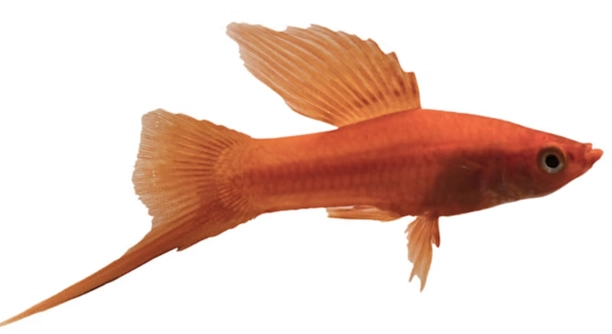
Male swordtails often have more distinctive tails than females. The most obvious feature is the long, sword-like extension on the tail of males. This extension is absent in females.
This tail difference serves a primary role in attracting mates, with males displaying it as a way of showcasing their fitness. Females tend to have shorter, less extravagant tails, which do not extend beyond the body.
The male swordtail’s tail is one of the most noticeable features when it comes to gender identification. As swordtails grow older, the male’s tail becomes longer and more pronounced. When they are younger, however, it can be more subtle, requiring careful observation.
Color Differences Between Male and Female Swordtails
Male swordtails are generally more colorful than females. The bright hues, such as vibrant reds, oranges, and yellows, are often more pronounced in males. This coloration helps attract females, especially during the breeding season. Females, on the other hand, usually have duller, more muted colors.
This difference in color is especially visible during mating rituals when males display their brightest colors to catch the attention of females. The intensity of the male’s color can sometimes fade as they age, but they will still maintain more color than females overall.
It’s also important to note that some swordtail species can have more subtle color variations, so this may not always be the most reliable method in every case. Still, the general trend is clear: males tend to sport the brighter colors. If you notice vibrant colors, especially near the tail or fins, you are likely looking at a male swordtail.
Behavior Patterns in Males and Females
Males typically exhibit more noticeable behavior patterns than females. They are often seen darting around the tank, chasing after females, and displaying their tails. They are generally more aggressive and territorial, especially when there is competition for a mate.
Females are more passive, spending most of their time swimming calmly and grazing on plants or substrate. They tend to stay in the background while males are often in the forefront, showing off. This behavioral difference is especially evident when there is a male-female interaction.
If you observe that your swordtail is constantly moving, darting, and seeking out a female, it is most likely a male. The behavior differences will help you identify gender early on, especially when males start to act more aggressively during the breeding season.
Fin Structure in Male and Female Swordtails
The fins of male and female swordtails also differ. Males typically have longer, more pointed dorsal and anal fins, while females have shorter, rounder fins. This helps males stand out during mating displays. The difference becomes noticeable as they grow, especially in adult swordtails.
Males have a more streamlined fin shape that allows them to move quickly and display their tails to females. Females have more rounded fins, which contribute to their less active swimming style.
This fin difference is usually one of the clearest indicators of gender once the fish are mature. Males tend to be more active in swimming, and their fins reflect that.
Pregnancy in Female Swordtails
One of the easiest ways to identify a female swordtail is by observing pregnancy. When carrying eggs, females will develop a noticeable gravid spot near their abdomen. This spot darkens as the fry develop inside her.
The gravid spot is typically a sign that the female is close to giving birth. During this time, her abdomen will become visibly larger, as she carries the developing fry. This change in her body shape and coloration is a clear sign of her gender.
If you spot a gravid spot on your swordtail, it’s a good indication that she’s female and preparing to give birth soon.
FAQ
How can I tell if my swordtail is male or female when they are very young?
It can be difficult to determine the gender of swordtails when they are very young, but you can start by observing body shape and behavior. Males will usually have a more slender, streamlined body, while females appear rounder and larger, especially around the abdomen. Additionally, males may begin showing more activity, chasing each other or displaying their tails, even at a young age. It might take a few weeks for these differences to become more noticeable, but with patience, you’ll be able to spot the gender.
What age can I first tell the gender of swordtails?
Typically, you can start identifying the gender of swordtails at around 4 to 6 weeks of age. At this stage, males will begin developing longer tails and more vibrant colors, while females will appear bulkier and more rounded in shape. Keep in mind that swordtails grow quickly, so the differences become clearer as they approach adulthood. By 3 to 4 months old, the differences will be more obvious, especially in terms of size, color, and fin structure.
Why do male swordtails have longer tails?
The long tails of male swordtails serve an important role in attracting females. The sword-like extension at the end of their tails is used during courtship to display their fitness and genetic quality. This feature is unique to male swordtails, and females typically do not have such a tail. The males’ tails are a visual cue that they are ready to mate and are a key part of their mating behavior.
Can female swordtails have colorful tails too?
While female swordtails can have some color, their tails are much shorter and less dramatic than the males’. Females usually have duller colors overall, with their tails appearing more rounded and unadorned. It’s rare for a female swordtail to have the same vibrant, elongated tail that males use for attraction. If you see a swordtail with a colorful, long tail, it is almost certainly a male.
How can I tell the gender of swordtails if they don’t have bright colors yet?
Even without bright colors, you can still differentiate between male and female swordtails by their body shape, behavior, and fin structure. Males will typically have a more slender body with longer, pointier fins, while females are rounder and bulkier. Additionally, males may show more aggressive behavior, chasing or displaying their tails, while females are generally more passive and spend time swimming calmly.
Can swordtails change gender?
No, swordtails do not change gender during their lifetime. However, some fish species can exhibit a phenomenon called sex reversal, but this is not common in swordtails. Instead, swordtails are born with a determined sex, and their gender remains the same throughout their lives. The differences between males and females are more about size, shape, and color rather than changes over time.
Is it safe to keep male and female swordtails together?
Yes, it is generally safe to keep male and female swordtails together, but you should be aware that males can be quite aggressive when competing for females. If you don’t want swordtail fry, it’s a good idea to keep more females than males to reduce stress and potential aggression. Alternatively, you can keep only males in the tank to avoid breeding altogether.
How can I prevent swordtail fry if I don’t want babies?
To prevent swordtail fry, you can either separate the males from the females or keep only one gender in the tank. Another option is to use a breeding box or net that isolates the females from the males, though this may not always be practical in larger aquariums. In addition, ensure that your tank setup does not encourage mating behavior, which is often influenced by factors such as temperature, lighting, and tank size.
Do male swordtails always chase females?
Males are often very active and may chase females, especially during the breeding season. This is part of their courtship behavior. Male swordtails will frequently display their tails to impress females and may become more aggressive towards other males. However, this chasing behavior can subside if there is a proper balance of males and females in the tank.
Are female swordtails always pregnant?
Female swordtails are capable of giving birth at regular intervals after mating, but they are not constantly pregnant. Female swordtails can store sperm for several months, allowing them to give birth multiple times without needing to mate each time. This means that a female swordtail could appear pregnant several times in a year, even if she hasn’t mated recently.
How long does it take for a female swordtail to give birth?
The pregnancy period for female swordtails typically lasts around 4 to 6 weeks, depending on factors like water temperature and the health of the female. Once the fry are fully developed, the female will give birth, often in the early morning. After giving birth, females may need some time to recover before becoming pregnant again, but they are capable of producing multiple batches of fry throughout the year.
How can I tell if my swordtail is male or female if they are hiding?
If your swordtails are hiding, you might have to wait for them to come out to observe them properly. However, if you notice that one of the fish is consistently larger, with a more rounded body, it’s likely a female. Males are often more active and may come out more frequently, especially if there are females present. If you can catch a glimpse of their tails, males will have the distinctive sword-like extension.
Why do male swordtails chase each other?
Male swordtails chase each other primarily to establish dominance and compete for the attention of females. This aggressive behavior is most common during the breeding season when males try to show off their fitness. If you have multiple males in a tank, you may notice them fighting or chasing each other in an effort to claim territory or attract mates.
Do female swordtails give birth to live fry or eggs?
Female swordtails are livebearers, meaning they give birth to live fry rather than laying eggs. After fertilization, the developing fry grow inside the female until they are ready to be born. The fry are born fully formed and can swim away immediately after birth. This is typical of many species of livebearers, including swordtails.
How can I care for pregnant swordtails?
To care for a pregnant swordtail, make sure the tank conditions are optimal, with clean water, appropriate temperature, and minimal stress. Avoid overcrowding the tank and provide plenty of hiding spots for the female to feel secure. Once she gives birth, remove the fry to a separate tank to avoid predation.
Do swordtail fry need special care after birth?
Swordtail fry are relatively independent after birth, but they still need a safe environment to thrive. The fry should be kept in a separate tank or breeding box to protect them from adult fish. They will need small, finely crushed food or specialized fry food until they are large enough to eat regular fish food. Maintaining clean water and proper water temperature is essential for the fry’s growth.
Final Thoughts
Understanding how to spot the gender of swordtails early can make a big difference in managing their care. Whether you’re trying to prevent unwanted breeding or simply want to understand your fish better, recognizing the differences between males and females is a helpful skill. With the right knowledge, you’ll be able to identify their gender with ease as they grow. From body shape and fin structure to behavior patterns and color differences, there are several signs that can give you a clear idea of whether you’re dealing with a male or a female swordtail.
The key differences in size, color, tail shape, and behavior are the most reliable indicators. Male swordtails tend to be smaller, more colorful, and more active than females, especially during the breeding season. Female swordtails, on the other hand, are larger, rounder, and generally more passive. As your swordtails mature, these differences will become even clearer, making it easier for you to keep track of their gender. Monitoring these traits not only helps you understand your fish but also contributes to their overall care and well-being.
Lastly, knowing the gender of your swordtails can help you make informed decisions about their tank setup. If you’re aiming for a peaceful environment, understanding the dynamics between males and females will allow you to create the right balance. Whether you want to avoid breeding or simply want to make sure your fish are thriving, these gender traits will guide you toward better fish care. With patience and observation, you’ll become skilled at identifying the gender of your swordtails and can enjoy watching them grow and develop in your tank.

Hello,
If you enjoy the content that we create, please consider saying a "Thank You!" by leaving a tip.
Every little bit helps us continue crafting quality advice that supports the health, happiness, and well-being of pets around the world, for pets of all shapes, sizes, and species.
We really appreciate the kindness and support that you show us!