
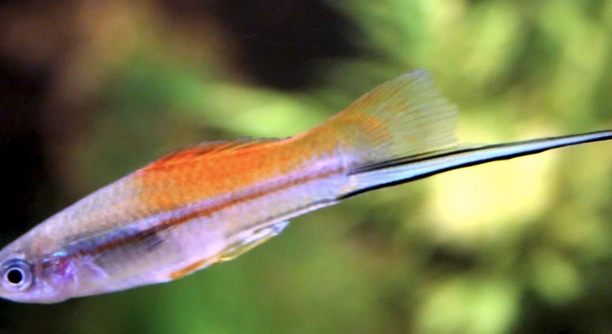
Swordtails are popular aquarium fish known for their vibrant colors and unique tails. Many owners form strong connections with their pets and may wonder how much their fish can recognize. One common question is whether swordtails can recognize human voices.
Swordtails are capable of hearing sounds, but there is no clear evidence that they can recognize human voices. Fish can detect vibrations in the water, and they may associate certain sounds with feeding or other activities.
Understanding how swordtails interact with sounds can provide interesting insights into their behavior and how they perceive their environment. Keep reading to learn more about how these fish respond to their surroundings.
How Swordtails Perceive Sound
Swordtails, like many fish, use their lateral line system to sense vibrations in the water. This system helps them detect movement and changes in their environment. While they can’t “hear” sounds the same way humans or land animals do, they can sense vibrations and even low-frequency sounds. This is especially helpful in an aquarium setting, where they can react to vibrations caused by movement or feeding.
Despite the lack of direct evidence, it is possible that swordtails may associate certain sounds with particular events, like feeding time. For example, they might react when they hear the sound of food dropping into the water. However, it’s not clear if they can actually recognize human voices. The idea of recognizing sounds like names or voices is something more commonly observed in animals with more advanced auditory processing, like dogs.
Understanding how swordtails interact with their environment can help aquarium owners create a better space for them. Ensuring that the tank remains calm and quiet, with fewer sudden noises, may help reduce stress. By observing your swordtails, you may also notice that they become accustomed to the regular sounds in your home. Over time, they may respond more actively when familiar sounds occur, like the opening of the tank lid or feeding time.
Can Swordtails Learn from Their Surroundings?
While swordtails may not recognize human voices, they do have the ability to learn from their surroundings. These fish can be trained to associate certain actions with rewards, such as swimming toward food when they sense vibrations. They can also become familiar with their owners’ routines, even if they don’t recognize the sound of your voice.
Fish are highly adaptable creatures, and with consistent exposure to certain stimuli, they can form associations. For example, if you feed your swordtails at the same time every day, they may start to associate the sound of the water filter or tank lid with food. This conditioned response helps them anticipate feeding time. It’s a simple form of learning that allows them to adjust their behavior based on their environment.
Creating a routine for your swordtails not only helps them feel comfortable but also allows you to observe their behavior more clearly. By minimizing sudden changes in their surroundings, you can make sure your swordtails remain healthy and stress-free. This approach helps build trust and predictability, which is beneficial for both the fish and their owner.
Can Swordtails Identify Humans?
Swordtails can’t recognize humans by their voices, but they can identify their owners through regular interaction. If you spend time near the tank or feed them at consistent times, they may begin to associate you with these actions. They are more likely to react to movement or routine rather than recognizing a specific individual by sound alone.
Fish are visually-oriented creatures. Swordtails, for example, may start to recognize your face or movement as you approach their tank. They can become familiar with the way you move or the way you interact with the tank. Over time, they may approach the surface in anticipation of food or attention when they see you. However, they are not likely to associate your voice with your presence as much as they do with visual cues. This means that while they may not know your voice, they may still recognize you based on consistent experiences.
How Swordtails Respond to Their Environment
Swordtails are sensitive to changes in their surroundings. They are known to react to vibrations in the water, especially if those vibrations are linked to feeding times or other stimuli. This means they can detect when someone is near the tank, but it’s mostly based on the movements and the sounds that travel through the water, rather than recognizing who is causing them.
This heightened sensitivity to environmental changes can help swordtails feel more at ease or stressed, depending on what they experience. If your swordtails are used to a specific routine, they may react positively when they sense you nearby. If there’s a sudden change, like the introduction of a new fish or even a change in tank lighting, they may become more cautious or hide. Understanding how they react can help create a more stable environment for them, reducing unnecessary stress.
Do Swordtails React to Human Voices?
Swordtails do not specifically react to human voices. While they can sense vibrations through the water, the frequency of human speech is likely beyond their capacity to detect in a meaningful way. They respond more to physical cues, such as movement near the tank.
When feeding, swordtails may associate the sounds they hear with food, but this is more about the vibration or splashing that occurs when food hits the water. If you speak near the tank, they may not react differently than if the room was quiet. Swordtails rely more on visual cues and the rhythm of feeding.
Do Fish Recognize Owners?
Fish, including swordtails, can recognize their owners over time. Through routine interactions like feeding, they start to associate their owners’ presence with food or care. While they do not recognize voices, they can learn to approach the tank when they see familiar faces or movements.
Swordtails can grow accustomed to the way you interact with the tank. They may even start to swim toward you when you approach, recognizing you as a consistent source of food or attention. This visual recognition is based on daily patterns, which help them feel comfortable and safe.
The Role of Routine in Swordtail Behavior
Routine plays a big role in how swordtails behave. They are creatures of habit, and they feel more secure when their environment follows a consistent pattern. For example, feeding at the same time each day helps swordtails associate you with the rewarding experience of eating.
FAQ
Can swordtails recognize human voices?
Swordtails do not have the capability to recognize human voices like mammals can. While they can sense vibrations in the water, human voices, which operate at a frequency outside their range of hearing, are not something they can respond to. Swordtails react more to physical cues, such as movement or changes in water conditions, rather than specific sounds. If you approach the tank or make vibrations, they might sense those and associate them with certain actions like feeding, but they do not “know” who you are based on voice alone.
Do swordtails have memory?
Yes, swordtails have a form of memory, though it is more basic compared to that of mammals or birds. They can learn to associate certain events, like feeding time, with specific cues. For example, they may remember the time of day when they are fed or the sound of food hitting the water. This type of memory helps them anticipate food and recognize patterns in their environment. Swordtails also have the ability to learn from previous experiences, allowing them to adapt their behavior accordingly.
How do swordtails communicate?
Swordtails communicate mostly through visual cues and body language. They may display certain behaviors to signal aggression, mating readiness, or territory defense. For instance, males will often display their colorful tails in an attempt to attract females. They also use body movements, such as darting or swimming in a particular way, to show their intentions or respond to stimuli in the environment. Communication in swordtails is subtle, but it plays a vital role in their social interactions, especially during breeding.
Do swordtails form bonds with their owners?
While swordtails do not form deep emotional bonds like pets such as dogs or cats, they can become familiar with their owners. They can learn to associate your presence with positive experiences, like being fed. Over time, swordtails may swim towards you or become more active when they see you near their tank. This response is based on learned behavior rather than emotional attachment, but it can create a sense of recognition between the fish and the owner.
Can swordtails recognize other fish?
Swordtails can recognize other fish, especially those they are kept with in their tank. They often form social groups, and within these groups, they can identify individual fish based on their size, color, and behavior. In terms of dominance or mating, swordtails can distinguish between males and females, and males may engage in display behaviors to compete for attention. The recognition of other fish is likely based on visual cues, body shape, and movement patterns, which helps them navigate their social structure.
Do swordtails need social interaction?
Swordtails are social fish that thrive in groups. While they don’t need constant interaction with their owners, they do benefit from being kept with other swordtails or peaceful fish. Having tank mates provides them with company and helps reduce stress. In the wild, swordtails form schools, and this natural instinct continues in captivity. Keeping multiple swordtails together can promote more natural behaviors, and they may feel safer and more secure. However, overcrowding should be avoided, as too many fish in a small tank can lead to stress and aggression.
How can I tell if my swordtails are stressed?
Swordtails exhibit several signs when they are stressed. They may hide more than usual, swim erratically, or spend more time near the surface of the water. Stressed swordtails may also lose their vibrant colors, as their natural coloration can dull under stress. Additionally, aggressive behavior or constant chasing among fish may indicate stress, either from overcrowding or environmental changes. Poor water quality or sudden changes in temperature can also lead to stress in swordtails, so it’s important to maintain a stable and clean tank environment.
Do swordtails need a specific water temperature?
Yes, swordtails require a consistent water temperature to thrive. They prefer water that is warm, typically between 72°F and 82°F (22°C to 28°C). Water that is too cold or too hot can stress the fish, leading to health problems. It’s important to monitor the water temperature regularly and use a reliable heater to maintain stability. Sudden fluctuations in temperature should be avoided, as they can be harmful to the fish.
How often should I feed my swordtails?
Swordtails should be fed once or twice a day. It’s important to provide them with small amounts of food that they can consume within a few minutes to prevent overfeeding. Overfeeding can lead to poor water quality and health issues. A varied diet consisting of high-quality flakes, pellets, and occasional live or frozen food will help keep your swordtails healthy. It’s best to observe their feeding habits and adjust the amount of food accordingly to ensure they are eating properly without excess waste.
Can swordtails live with other species of fish?
Yes, swordtails are generally peaceful and can live with a variety of other peaceful fish species. However, it’s essential to avoid aggressive or territorial species, as swordtails can become stressed or bullied. They do well in community tanks with species that share similar water requirements. Species like guppies, tetras, and corydoras catfish make good tank mates for swordtails. It’s crucial to consider the size of the tank and the behavior of other fish when choosing compatible species for your swordtails.
How long do swordtails live?
Swordtails typically live between 3 and 5 years in a well-maintained aquarium. Their lifespan depends on various factors, such as water quality, diet, and overall care. Keeping their tank clean, maintaining proper water parameters, and providing them with a healthy diet will help ensure they live a long and healthy life. Regular tank maintenance and monitoring can prevent common issues that shorten their lifespan, like diseases or poor water conditions.
Final Thoughts
Swordtails are fascinating fish, and while they may not recognize human voices, they can still learn to associate their owners with positive experiences, like feeding. They rely more on visual cues and physical sensations than on sounds. For many aquarium owners, this can be an important factor to consider when forming a bond with their fish. Swordtails are responsive to routines and consistent interactions, which help them feel secure and comfortable in their environment. This makes them relatively easy to care for, provided that their needs are met in terms of water quality, temperature, and tank companions.
Although swordtails are not likely to recognize human voices, they can become familiar with the patterns and habits of their owners. For example, they may begin to swim to the surface when they see you approach the tank, anticipating food or attention. This is more about the repeated association of actions rather than any form of recognition based on sound. In this way, swordtails are capable of learning, even if their learning process is not as advanced as some other animals. Their ability to recognize routine and respond to certain behaviors is a testament to their adaptability, making them enjoyable companions in a peaceful aquarium.
In the end, creating a stable environment for your swordtails with a consistent routine can make a significant difference in their well-being. Understanding their preferences and behaviors allows you to better meet their needs. While swordtails may not understand human voices, their ability to recognize their owners through routine interactions can foster a connection between the two. Whether you’re new to fishkeeping or have experience, maintaining a calm and predictable environment is key to keeping your swordtails happy and healthy for years to come.

Hello,
If you enjoy the content that we create, please consider saying a "Thank You!" by leaving a tip.
Every little bit helps us continue crafting quality advice that supports the health, happiness, and well-being of pets around the world, for pets of all shapes, sizes, and species.
We really appreciate the kindness and support that you show us!