
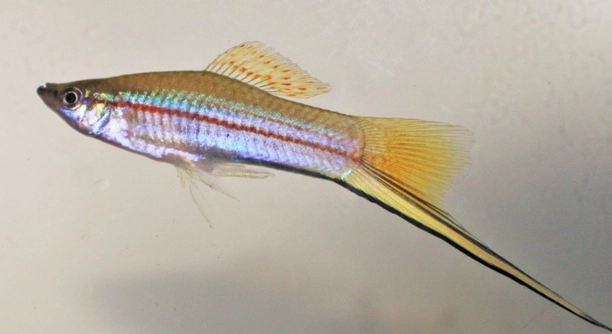
Do you ever find yourself watching your swordtail dart around, chasing bubbles like it’s on an underwater mission? It can be oddly amusing—and a little confusing—to see this kind of behavior go on all day.
Swordtails often chase bubbles due to environmental enrichment, social interaction, or boredom. This behavior may also signal underlying stress or excitement caused by water flow, tank mates, or even changes in tank conditions.
Observing their bubble-chasing habits may reveal more about their environment and well-being than you might expect. Let’s look at what this could mean for your swordtail’s health and behavior.
Common Reasons Swordtails Chase Bubbles
Swordtails are active fish that enjoy stimulation in their environment. Bubbles can create movement, reflections, and patterns that catch their attention. Some swordtails chase bubbles simply because they find it engaging. A strong current or air stone in the tank may encourage them to play in the stream. This behavior is often harmless and can even be a sign your fish feels lively and comfortable. However, if it continues nonstop or seems obsessive, it might point to other concerns like stress, boredom, or disrupted social dynamics in the tank. Swordtails may also display this behavior when they lack enough hiding spots or stimulation. Tank mates can influence behavior too—if your swordtail feels outnumbered or threatened, it may find bubbles a safer distraction. Keep an eye on patterns and changes in behavior to better understand if it’s playful or something more. Observation is the first step to knowing what your fish needs.
A bored swordtail may focus too much on one thing, like bubbles, when there’s nothing else interesting around.
Adding more plants, rearranging tank decorations, or introducing safe enrichment can reduce this habit. If the chasing slows, it’s likely a sign your fish needed more to do. Some fish just like the chase—it’s part of their nature.
Environmental Factors That May Influence Behavior
A fast water current created by filters or air pumps can attract swordtails.
Too much movement in the tank may cause overstimulation. Swordtails are sensitive to their surroundings, and the constant bubbling may either excite or stress them out, depending on how the rest of the tank is set up. Check your filter flow—some models produce a strong stream that moves bubbles rapidly across the tank. This can be entertaining at first, but if the flow is too strong, it may disrupt your swordtail’s natural swimming patterns. Balance is key. A calm area in the tank gives them space to rest and relax. If your fish is always near the bubble stream, test if reducing flow changes the behavior. A slight adjustment can bring big results. Temperature, lighting, and tank mates also impact activity levels. When all these conditions are in harmony, swordtails are more likely to behave in a natural, balanced way without overly fixating on things like bubbles.
Behavioral Patterns to Watch For
Swordtails are naturally active, but excessive bubble chasing that lasts for hours can mean something is off. If it happens daily and the fish seems restless or ignores food, it may be reacting to stress or overstimulation in the tank.
Sometimes swordtails fixate on one spot in the tank, especially near the bubble stream. This can be their way of self-soothing or trying to escape unwanted interactions with other fish. Watch how they behave when the bubbles are turned off—if their pattern changes, the behavior may be driven by the current or sound. Also, note if they’re swimming erratically or showing signs of exhaustion. A healthy swordtail will take breaks, explore the tank, and interact with its surroundings. When chasing becomes the only activity, it’s time to review tank conditions and their overall well-being. It’s not always a problem, but it’s worth understanding their patterns.
Swordtails are social and may mirror other fish in the tank. If one fish starts bubble chasing, others may copy. This isn’t always a sign of distress. However, if multiple fish appear agitated or hyper-focused, the tank setup could be overwhelming. Watch for other stress signs like hiding, sudden darting, or rubbing against surfaces.
When to Make Changes in the Tank
Subtle behavior changes can signal something needs adjusting. If your swordtail becomes fixated on the bubble stream, try turning down the filter flow or changing the placement of the air stone.
Small shifts in the tank’s layout can help create more balance. Adding live plants or decorations to block the current gives fish new places to explore and rest. It’s also important to check water parameters regularly. Poor water quality can increase stress and exaggerate odd behaviors like constant chasing. Keep ammonia, nitrate, and pH levels in check. Temperature plays a role too—if it’s too high or low, fish may act out of character. If your swordtail still won’t stop chasing bubbles after these changes, try giving them short breaks from the bubbler or switching to a gentler version. You’re not just creating a better tank—you’re giving your fish a chance to behave more naturally.
When It’s Just Normal Behavior
Some swordtails are more playful and active than others. Chasing bubbles can be their way of staying stimulated or having fun in their environment. If they eat well, rest, and explore the tank, it’s usually nothing to worry about.
Young swordtails tend to be more energetic and curious. They often react more strongly to movement and light. As long as there are no signs of stress or illness, this behavior can just be part of their natural personality and energy level.
Signs Something Might Be Wrong
Watch for changes in color, clamped fins, or refusal to eat. These signs, along with obsessive chasing, may indicate stress or poor tank conditions. If the behavior started suddenly, test the water and check for aggressive tank mates. Consistent chasing without rest could mean your fish feels unsettled or overstimulated.
Small Fixes That Can Help
Try adding more plants or hiding spots to shift your swordtail’s focus. Softening the water flow and rearranging tank decorations can also reduce overstimulation.
FAQ
Why does my swordtail chase bubbles all day?
Swordtails chase bubbles for a variety of reasons. Most often, it’s due to the movement and stimulation the bubbles provide. The constant flow and reflection of bubbles can keep them engaged, especially if they don’t have other distractions. However, it could also be a sign of stress if it becomes excessive, or if it’s accompanied by other signs like changes in eating habits or behavior. If your swordtail chases bubbles for short periods and seems healthy otherwise, it’s likely just playful behavior.
How can I tell if my swordtail is stressed?
Swordtails show signs of stress in various ways. These include clamped fins, faded colors, erratic swimming patterns, or hiding more than usual. If the fish refuses food or becomes more aggressive toward tank mates, it’s a clear sign something is off. Stress could be caused by poor water quality, high ammonia levels, or territorial disputes with other fish.
Can swordtails get bored?
Yes, swordtails can get bored, especially in a tank with little to no stimulation. If they lack places to explore, hide, or interact with, they might start fixating on repetitive actions like chasing bubbles. To avoid boredom, add plants, rocks, or decorations that they can swim around or hide behind. It can also help to change the tank layout from time to time.
Is it okay if my swordtail is constantly near the bubbles?
Constantly being near the bubbles isn’t necessarily harmful, but it’s important to observe whether the fish is actively enjoying the bubbles or if it seems stressed. If the swordtail remains near the bubble stream, it could indicate an issue with the tank environment—such as an overly strong water current—or it could be seeking stimulation. If the fish seems content, there’s usually no cause for concern.
What should I do if my swordtail isn’t eating?
If your swordtail is not eating, it’s essential to check water parameters first. Poor water quality, especially high levels of ammonia or nitrites, can reduce a fish’s appetite. Check for any visible signs of illness or injury. If the water is fine and the fish still refuses food, try offering a different type of food to entice them. You may also want to reduce stressors in the tank, such as aggressive tank mates or bright lighting.
Are there any tank mates that don’t work well with swordtails?
Swordtails are generally peaceful but can become territorial. They may clash with fish that are more aggressive or share similar space needs. Avoid keeping them with fin-nippers or overly aggressive species like cichlids. Peaceful fish such as tetras, mollies, and guppies tend to get along well with swordtails.
Can a swordtail chasing bubbles indicate an illness?
While chasing bubbles is typically a playful behavior, if it’s paired with signs of illness like faded colors, clamped fins, or lethargy, it could indicate an issue. The behavior might be caused by stress, which could be linked to illness, poor water quality, or changes in the tank environment. Always check for additional symptoms to rule out health problems.
How can I reduce the water flow to stop bubble-chasing?
If your swordtail is over-focused on the bubbles due to strong water flow, try adjusting your filter to a lower setting or repositioning it to reduce the current. Adding decorations like plants or rocks can help break up the flow, creating calmer spots in the tank. You can also replace the air stone with one that generates smaller, gentler bubbles to create less of a current.
What size tank do swordtails need?
Swordtails are active fish and require a spacious tank. A minimum of 20 gallons is recommended for a small group of swordtails, especially if you’re keeping other fish in the same tank. This gives them room to swim and explore. A cramped tank can lead to stress, territorial behavior, and health problems.
Can swordtails breed in a tank with other species?
Yes, swordtails can breed in a tank with other species. However, if you don’t want them to breed, it’s best to keep only one gender or separate males and females. Swordtails are livebearers, so if both sexes are present, they’ll likely breed. If breeding is unwanted, remove males or use a breeding trap.
How often should I clean the tank to keep swordtails healthy?
Swordtails thrive in clean water. Regular water changes are key—aim for a 25% water change every 1-2 weeks to keep water quality high. Along with water changes, clean the substrate and any decorations regularly. Be sure to clean the filter every month, but don’t over-clean it as beneficial bacteria are essential for a healthy tank.
Do swordtails need a heater in their tank?
Swordtails prefer warm water, so a heater is necessary if you live in a cooler climate. They thrive in temperatures between 72-78°F (22-26°C). If the water temperature fluctuates too much, it can cause stress and affect their health. A steady temperature is crucial for their well-being.
Can I keep more than one male swordtail in a tank?
It’s generally not a good idea to keep more than one male swordtail in a tank, especially if space is limited. Male swordtails can be territorial and aggressive toward one another, especially when competing for the attention of females. If you do want to keep multiple males, ensure the tank is large enough with plenty of hiding spots and room to avoid conflict.
Final Thoughts
Swordtails chasing bubbles is a natural behavior that can be playful and harmless. Most of the time, they do this because it entertains them or keeps them stimulated. The movement of the bubbles and the way they reflect light can catch their attention. For young swordtails, this is often part of their curious nature. Older swordtails, on the other hand, may enjoy chasing bubbles as a way to stay active and engaged in their environment. If this behavior is occasional and doesn’t seem to interfere with their daily routine, it’s usually nothing to worry about.
However, if your swordtail starts to chase bubbles obsessively or seems to be spending all its time near the bubbles, it might indicate a deeper issue. Stress, boredom, or discomfort with tank conditions could be at play. For example, strong water currents or poor water quality can cause your fish to feel unsettled. If this happens, it’s worth making some changes to the tank environment, like adjusting the water flow or adding more decorations for hiding and exploration. These changes can help reduce stress and encourage more natural behavior in your swordtail.
Overall, it’s important to observe your swordtail’s behavior and check for any signs of illness or stress. If they continue to chase bubbles but show no other concerning symptoms, it’s likely just part of their playful nature. But if you notice other issues, such as changes in appetite, unusual swimming patterns, or signs of aggression, it’s time to look into the root cause. Keeping a balanced tank with good water quality, enough hiding spots, and healthy tank mates can go a long way in preventing any behavioral problems. Understanding your swordtail’s habits will help you create a comfortable environment for them and ensure they live a happy, healthy life.

Hello,
If you enjoy the content that we create, please consider saying a "Thank You!" by leaving a tip.
Every little bit helps us continue crafting quality advice that supports the health, happiness, and well-being of pets around the world, for pets of all shapes, sizes, and species.
We really appreciate the kindness and support that you show us!