
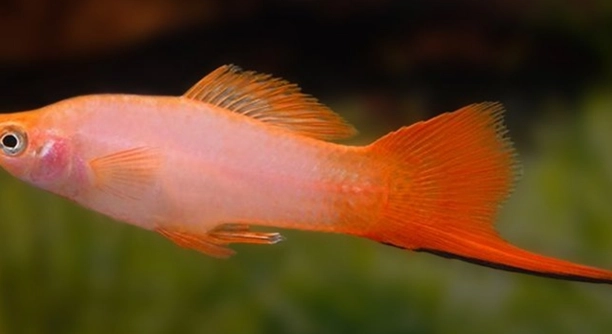
Swordtail fry are a delight to raise, but ensuring their healthy growth can sometimes be tricky. If you want to help your swordtail fry thrive, simple adjustments can make a big difference in their development.
To boost swordtail fry growth, focus on providing a clean environment, high-quality food, proper temperature, and optimal water conditions. Regular feeding with nutrient-rich foods, maintaining a stable environment, and ensuring water quality are key factors in encouraging healthy growth.
With these essential tips in mind, you can ensure your swordtail fry grow quickly and stay healthy. This article will guide you through the steps necessary to boost their growth effectively.
Providing a Clean Environment for Swordtail Fry
A clean tank is crucial for the healthy growth of your swordtail fry. Fry are highly sensitive to toxins in the water, such as ammonia and nitrites, which can stunt their development or even lead to illness. Frequent water changes help maintain a stable environment. It’s essential to remove any uneaten food or debris to avoid the buildup of harmful substances. Having a reliable filtration system also plays a role in keeping the water clean. Fry should be kept in a separate, well-maintained tank, away from adult swordtails, as they may compete for food or become stressed by the larger fish.
Even with a filtration system, regular cleaning is necessary to prevent any buildup of organic waste. A simple siphon can help remove debris from the bottom of the tank. When changing the water, make sure to use dechlorinated water at the same temperature to avoid shocking the fry. Water quality is one of the easiest yet most important aspects of boosting swordtail fry growth.
Fry thrive in an environment that stays clean and free from excess waste. Maintaining the tank’s cleanliness ensures they grow strong and healthy, ready for the next stages of development.
Optimal Feeding for Swordtail Fry
Feeding your swordtail fry high-quality food is one of the best ways to boost their growth. They need nutrient-rich, finely crushed foods like fry starter powder or specially designed pellets.
Feeding them small amounts multiple times a day ensures they get the necessary nutrients for healthy development. It’s also important to vary their diet with live foods, such as baby brine shrimp, to encourage natural growth.
Maintaining Proper Temperature
Fry need a stable temperature to grow efficiently. Ideal water temperature for swordtail fry is between 75°F and 80°F (24°C to 27°C). A fluctuating temperature can cause stress and hinder growth.
Using a reliable aquarium heater ensures the water remains at a constant temperature. Avoid placing the tank near windows or vents, as sudden temperature changes can affect fry development. Too high or too low a temperature can cause health issues, making it essential to keep it within the recommended range for optimal growth.
Regularly check the temperature with a thermometer to make sure the water stays at a steady level. Fry are particularly sensitive to temperature extremes, so maintaining consistency is crucial for their health and rapid growth.
Providing Adequate Space
Crowding can limit growth, so providing adequate space for swordtail fry is vital. Fry need room to swim and explore, which promotes healthy development.
An overcrowded tank can lead to poor water quality, as waste builds up quickly. Additionally, limited space means fry are more likely to compete for food, which can result in stunted growth. Ensure that the tank has plenty of space to accommodate all fry comfortably, and avoid overloading the tank with too many.
If your tank feels crowded, consider setting up a separate tank or partition to give the fry more room. The extra space helps reduce stress, allowing them to grow more quickly and thrive in a healthier environment.
Water Quality Management
Water quality plays a key role in fry growth. Regular water testing for ammonia, nitrites, and pH is essential. Make adjustments as needed to keep the water clean.
Maintaining proper water conditions reduces the risk of disease and stress. Consistently low levels of harmful substances ensure that fry grow without hindrances, developing faster and healthier.
Healthy Tank Decorations
Adding tank decorations like plants and rocks provides hiding spots for fry, reducing stress. These safe spaces allow them to rest and grow without constant exposure to larger fish.
Make sure decorations don’t take up too much space or obstruct water flow. Providing enough room for swimming is just as important as creating hiding spaces.
Reduce Stress from Other Fish
Keep swordtail fry separated from adult fish to avoid stress. Adult swordtails can be aggressive and might intimidate the fry, affecting their growth.
Ensure fry are housed in a peaceful environment, free from any potential predators or dominant fish species that could cause harm.
FAQ
What is the best food for swordtail fry?
The best food for swordtail fry includes finely crushed fry food, baby brine shrimp, and infusoria. These foods are rich in nutrients that promote fast growth. Feeding small portions multiple times a day ensures the fry get enough food to grow without polluting the tank.
How often should I feed my swordtail fry?
Swordtail fry should be fed 2-3 times per day. Fry have small stomachs, so giving them small amounts of food at regular intervals helps prevent overeating and water contamination. It’s important to monitor how much food remains after each feeding to avoid waste.
How long does it take for swordtail fry to grow?
Swordtail fry generally take about 6 months to reach full size, though their growth rate can vary depending on water quality, food, and environmental conditions. With optimal care, you may notice significant growth within the first 3 months.
Can swordtail fry live with other fish?
It’s best to keep swordtail fry in a separate tank or in a partitioned area to avoid competition for food or aggression from other fish. Larger fish can harm or eat the fry, which slows down their growth. Keeping them in a peaceful environment allows them to develop properly.
What is the ideal tank size for swordtail fry?
For a small group of swordtail fry, a 10-20 gallon tank is sufficient. The tank should have a reliable filtration system, proper water conditions, and plenty of space for swimming. As the fry grow, you may need to upgrade the tank size to accommodate their increasing needs.
How can I prevent swordtail fry from getting eaten by adults?
To prevent adult swordtails from eating the fry, place them in a separate tank or use a breeder net or mesh partition. These structures allow the fry to swim freely without being at risk from larger fish. Adding plenty of plants also helps provide hiding spaces.
What water temperature is best for swordtail fry?
Swordtail fry thrive at water temperatures between 75°F and 80°F (24°C to 27°C). Maintaining a consistent temperature within this range encourages healthy growth and development. Using a heater and checking the temperature regularly ensures the water stays within the ideal range.
How do I improve swordtail fry growth rate?
To improve growth rates, ensure that the fry have a clean, stable environment, a nutritious diet, and plenty of space. Consistent feeding, frequent water changes, and maintaining proper water conditions like pH and hardness all contribute to healthy, rapid growth.
Can swordtail fry be raised in a planted tank?
Yes, swordtail fry can thrive in a planted tank. Plants provide hiding spots, reduce stress, and help improve water quality by absorbing excess nutrients. However, make sure the plants are not overcrowding the tank, leaving enough room for the fry to swim freely.
What is the best way to clean the tank for swordtail fry?
Use a siphon to remove uneaten food and debris from the bottom of the tank. Perform partial water changes (about 20-30% every week) to keep the water quality high. Clean any filtration equipment as necessary, making sure it doesn’t create a strong current that could disturb the fry.
How do I tell if my swordtail fry are healthy?
Healthy swordtail fry are active, swim freely, and have clear, vibrant coloration. They should be eating regularly and growing at a steady rate. If you notice any signs of lethargy, fading color, or failure to thrive, it may indicate poor water quality or illness.
When do swordtail fry start showing their colors?
Swordtail fry typically start showing their characteristic color patterns after about 2-3 months. The exact timing can vary depending on genetics and care. Healthy fry exposed to good water conditions and a proper diet will develop their colors more quickly.
Do swordtail fry need aeration?
Although swordtail fry do not require strong water movement, gentle aeration can help maintain oxygen levels. A sponge filter is a good option for fry tanks, providing both filtration and aeration without creating a strong current that could stress the fry.
Can swordtail fry live without a filter?
While a filter is not absolutely necessary, it helps maintain water quality by removing waste and improving oxygen circulation. Without a filter, you will need to perform more frequent water changes to ensure the tank remains clean and the fry stay healthy.
Should I add any medications to the tank for swordtail fry?
Medications should only be added if you observe signs of illness in your fry. Always treat the tank with caution, as some medications can be harmful to young fish. If you suspect a disease, it’s best to separate the sick fry and treat them in a quarantine tank.
Final Thoughts
Raising swordtail fry can be a rewarding experience. By focusing on their water quality, providing proper nutrition, and ensuring they have enough space, you can give them the best possible environment to grow. A healthy tank setup and consistent care are key to seeing the fry develop into vibrant, healthy fish.
While it might take time and effort, the results are worth it. With attention to temperature control, regular feeding, and a stress-free environment, your swordtail fry should grow at a steady pace. Keeping the tank clean and managing the fry’s exposure to adult fish will help prevent any setbacks. If you follow the right steps and give them a good foundation, your fry will thrive.
In the end, raising swordtail fry is about being patient and observing their needs. Each step, from proper feeding schedules to maintaining good water conditions, plays a role in their growth. By doing so, you’ll not only ensure their health but also enjoy watching them grow into strong, colorful adult swordtails.

Hello,
If you enjoy the content that we create, please consider saying a "Thank You!" by leaving a tip.
Every little bit helps us continue crafting quality advice that supports the health, happiness, and well-being of pets around the world, for pets of all shapes, sizes, and species.
We really appreciate the kindness and support that you show us!