
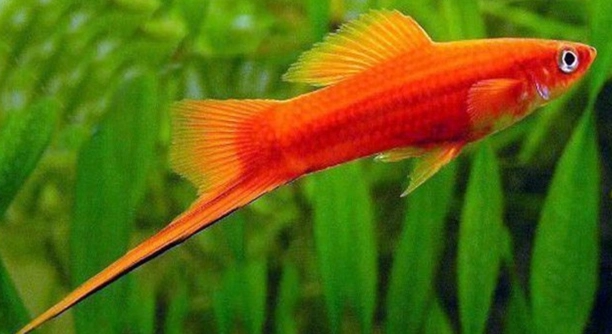
Swordtails are fascinating fish often seen hovering side by side in aquariums. Their behavior can be intriguing, especially when you’re trying to understand the dynamics of their interactions in a shared space.
Swordtails hover side by side to establish social bonds, often as a display of affection or comfort. This behavior may also occur during mating rituals, as both males and females engage in close proximity to strengthen their connection.
Understanding the reasons behind this behavior can help enhance your aquarium setup. It provides insight into the social and reproductive habits of swordtails, ensuring a healthier and more enjoyable environment for them.
Reasons Behind Swordtail Hovering Behavior
Swordtails are known for their unique social interactions, and hovering side by side is one of the ways they communicate with each other. This behavior is often linked to both social bonding and mating rituals. In the wild, swordtails use their positioning to signal various things, including safety and attraction. When swordtails hover together, they may be checking the surroundings for predators or other threats. Additionally, swordtails might form these pairs during mating as part of their courtship display, where the male tries to attract the female’s attention. The behavior also helps establish group cohesion, as they tend to stay close to one another for protection and comfort.
Understanding this behavior can help maintain a peaceful aquarium environment. Swordtails are sensitive creatures, and their need for social interaction can impact their well-being. Without proper socialization, they may become stressed, leading to health problems. Keeping this in mind is essential when setting up a tank with multiple swordtails.
Swordtails rely on their ability to form bonds for survival and reproduction. This is why it is important to understand their behavior for a more balanced aquarium. Watching them interact can give you clues about their needs.
Social Bonds and Reproductive Behavior
The hovering behavior often ties into swordtail reproductive actions. During mating seasons, males become more active in trying to court females. They hover side by side to demonstrate their suitability and engage in a brief dance-like motion to attract attention. These interactions are important for the swordtail’s reproduction process and help ensure the survival of the species.
In some cases, females may reciprocate this display by staying close to the males. This proximity can encourage mating or indicate a positive connection between the two. Swordtails may also engage in this hovering behavior when they are seeking protection or reassurance, especially in a tank where they feel safe and secure. Whether for mating or general comfort, the hovering acts as a form of communication that benefits both individuals involved.
This behavior can vary depending on the setting, but understanding how swordtails use proximity to their advantage is essential for anyone keeping them in an aquarium. Recognizing when the behavior is social versus reproductive is key to interpreting their actions.
Swordtail Behavior in Groups
Swordtails are social creatures that tend to stick together in groups. When they hover side by side, it helps them establish a sense of security. Being in a group allows them to protect each other from potential threats. This behavior ensures they feel safe and can react quickly to any danger.
In a group, swordtails form close bonds with one another. They often engage in synchronized movements, especially when hovering. This action can also help them strengthen their social structure within the group. Swordtails are naturally inclined to stay near each other for comfort and reassurance. As they hover, they may display subtle signs of trust, which strengthens the bonds between them. In an aquarium, providing enough space for swordtails to move freely while still staying close to their companions ensures their well-being.
Maintaining a group environment for swordtails in an aquarium is crucial. They thrive in settings where they can interact with one another, displaying natural behaviors. Swordtails that are isolated or not able to form these bonds may become stressed, affecting their overall health and behavior.
Environmental Factors Affecting Swordtail Behavior
Swordtails are influenced by their environment, which can impact their hovering behavior. Water temperature, tank size, and the presence of other species play a role in how they interact. If the water temperature is too high or low, swordtails may not feel comfortable enough to hover side by side. Maintaining an appropriate environment is key to encouraging natural behaviors.
Swordtails prefer calm, clear water where they can easily move and interact with other fish. When the tank conditions are ideal, swordtails are more likely to engage in natural behaviors, such as hovering side by side. Keeping the water clean and maintaining a stable environment helps reduce stress, allowing swordtails to thrive. If other fish species are present, swordtails may become more cautious, hovering closer to one another to maintain safety. Tank size is another important factor, as a cramped space can lead to stress, affecting their social interactions.
Creating an ideal habitat for swordtails is vital to their overall health. Without proper conditions, their social interactions, including hovering, can decrease. It’s important to regularly monitor water quality and tank setup to ensure they are living in an environment that supports their natural instincts.
How Swordtails Communicate Through Hovering
Swordtails use their hovering behavior as a way to communicate with each other. When they hover side by side, it signals comfort and familiarity. This behavior helps them form social bonds and indicates trust between individuals. It’s an important way swordtails maintain their connections.
Males and females often engage in hovering to strengthen their bond. When they hover together, it shows mutual recognition and a desire to stay close. For males, it is often part of their courtship display, where they try to impress females by maintaining close proximity. These interactions are essential for creating lasting relationships in a tank.
Swordtails also use this behavior to indicate their presence to each other, marking their territory or showing interest in socializing. By hovering together, they are not just ensuring safety, but also engaging in meaningful interactions that go beyond just survival.
Swordtails’ Mating Rituals
Swordtails are known for their distinctive mating behavior, and hovering plays an important part. Males often use this behavior to get the attention of females. They will hover side by side with a female and then swim in circles around her to initiate the mating process.
In addition to hovering, males may display their colorful fins or engage in other courtship behaviors to demonstrate their readiness to mate. This close physical proximity during hovering helps both the male and female assess each other’s condition and suitability. Swordtails are very interactive when it comes to mating, and these behaviors can be observed in aquariums when conditions are right.
The more stable and comfortable the environment, the more likely swordtails will engage in these mating rituals. Proper care of your tank will ensure the swordtails are in an optimal setting to carry out these behaviors, allowing them to thrive and reproduce.
Swordtails in the Wild
Swordtails in the wild display similar hovering behaviors, often in response to environmental factors or during mating seasons. The natural habitats of swordtails include warm rivers and lakes, where the hovering behavior aids in communication and protection. In these settings, swordtails rely on each other to avoid predators and navigate their environment.
FAQ
Why do swordtails hover next to each other?
Swordtails hover side by side primarily to form social bonds. This behavior allows them to stay close for protection, especially in an environment with potential threats. The hovering also helps in mating rituals, where males engage in close proximity to females to display their interest. In a tank, this behavior can be observed when swordtails are comfortable and feel secure in their surroundings. Hovering together strengthens their connections, signaling both trust and safety within the group.
Are swordtails territorial?
Swordtails are generally not highly territorial fish, but they do have a sense of personal space. In smaller tanks or overcrowded environments, they may become more aggressive and show territorial behavior, especially when competing for mates or resources. However, in a spacious tank with multiple hiding spots, swordtails are less likely to display territorial tendencies. They tend to get along with other swordtails and peaceful tank mates, provided there’s enough space for everyone.
Can swordtails live alone?
Swordtails are social fish and do best in groups, particularly with their own species. They can live alone but may experience stress and become less active. Keeping a single swordtail in a tank may lead to loneliness and increased aggression towards other fish. It’s recommended to keep them in groups of at least three or more to help them feel secure and allow for natural social behavior. Pairing them with compatible species like tetras or guppies can also help prevent isolation.
How do I tell if my swordtail is pregnant?
Pregnant swordtails will show a noticeable bulge near their abdomen. This is the result of the developing eggs inside the female. The female swordtail’s belly may appear more rounded and fuller, especially towards the end of the pregnancy. A dark spot may also form near the back of her abdomen, indicating the presence of fry (baby fish). When she’s ready to give birth, the female may appear more restless or seek shelter, preparing for the birth process. This can happen approximately 4–6 weeks after mating.
How long does it take for swordtails to mate?
Swordtail mating can happen relatively quickly. The process typically begins with the male displaying courtship behavior, such as hovering near the female and showing off his fins. Once the female is receptive, mating occurs swiftly, lasting just a few seconds. After mating, the female will carry the eggs inside her body for 4 to 6 weeks before giving birth to live fry. While the mating itself is short, the process of carrying the eggs takes the longest time.
What is the lifespan of a swordtail?
Swordtails typically live for about 3 to 5 years in an aquarium, depending on their care and the environment. If kept in ideal conditions with proper water quality, temperature, and diet, they can live longer. However, factors such as overcrowded tanks, poor water conditions, and insufficient care can shorten their lifespan. Regular water changes and a balanced diet of high-quality fish food can help swordtails live a healthy and full life.
How do I take care of swordtail fry?
Caring for swordtail fry involves ensuring a safe environment for them to grow. The fry should be kept in a separate tank or breeding box to protect them from adult swordtails, which may eat them. Provide plenty of plants and hiding spaces to help the fry feel secure. Fry food, such as finely crushed flakes or specialized fry food, should be given in small portions to encourage healthy growth. Water quality is also crucial, so make sure the water is clean and well-filtered.
Why are my swordtails not breeding?
Several factors can prevent swordtails from breeding. If the tank conditions are not ideal, such as improper temperature, pH, or overcrowded space, it can hinder the mating process. Swordtails also require a certain level of social comfort to breed, so ensuring that there are enough males and females in the tank is essential. Stress from other fish or poor water quality can also affect their breeding behavior. It’s important to provide a peaceful environment with good water quality, proper lighting, and space for them to thrive.
Do swordtails need a heater in their tank?
Yes, swordtails require a heater to maintain the proper water temperature. They are tropical fish, and their ideal temperature range is between 72°F and 82°F (22°C to 28°C). Without a heater, the water temperature in the tank may fluctuate too much, leading to stress and illness. A consistent temperature helps swordtails maintain their natural behavior and ensures they stay healthy. It’s important to monitor the tank’s temperature regularly and adjust the heater as needed to keep it within the recommended range.
Can swordtails live with other species?
Swordtails are generally peaceful fish that can live with many other species. They get along well with other peaceful community fish such as tetras, guppies, and catfish. However, they should not be housed with overly aggressive fish, such as cichlids or large predatory species, as they may become stressed or harmed. When choosing tankmates, consider the size of the fish and their temperament. It’s also important to provide enough space and hiding spots for all the fish to avoid territorial disputes.
Why are my swordtails acting aggressively?
Swordtails can become aggressive when they are stressed, overcrowded, or feel threatened by other fish. Poor water conditions or inadequate space can also lead to aggression. Male swordtails, in particular, may display aggression toward each other during mating season as they compete for attention from females. Providing a larger tank, keeping the right balance of males and females, and ensuring good water quality can help reduce aggression. Also, make sure that swordtails have enough hiding spots and territories to claim.
How often should I feed swordtails?
Swordtails should be fed 2–3 times a day, but only as much as they can consume within a few minutes. Overfeeding can lead to poor water quality and health problems. A balanced diet consisting of high-quality fish flakes, pellets, and occasional live or frozen foods, such as brine shrimp or daphnia, will help keep them healthy. It’s important to provide variety in their diet to ensure they receive the necessary nutrients for growth and reproduction. Regular feeding schedules help maintain a healthy, active swordtail population.
Final Thoughts
Swordtails are fascinating fish with unique behaviors, such as hovering side by side, that play an important role in their social interactions and breeding habits. These behaviors, while often seen in aquariums, are deeply rooted in their natural instincts. Whether it’s for communication, mating, or simply feeling safe in their environment, swordtails rely on these actions to maintain balance in their lives. Understanding why they hover and how they interact can help aquarists create a more comfortable and natural environment for these fish.
When caring for swordtails, it’s essential to consider their social needs. These fish thrive in groups and benefit from having other swordtails and compatible species around them. Overcrowded tanks or improper conditions can lead to stress, which may affect their health and behavior. Proper care, such as maintaining clean water, providing adequate space, and keeping the right tank mates, ensures that swordtails can exhibit their natural behaviors and live healthy lives. In addition, feeding them the right diet, monitoring the tank temperature, and providing hiding spots will help reduce stress and encourage social interactions like hovering.
Overall, swordtails are relatively easy to care for and can bring a lot of joy to a well-maintained aquarium. Their behaviors, especially the act of hovering, are part of what makes them such a unique and interesting species to keep. By paying attention to their social and environmental needs, you can ensure they live happy, healthy lives in your aquarium. Taking the time to observe their interactions and learn more about their behavior can lead to a deeper appreciation for these vibrant and active fish.

Hello,
If you enjoy the content that we create, please consider saying a "Thank You!" by leaving a tip.
Every little bit helps us continue crafting quality advice that supports the health, happiness, and well-being of pets around the world, for pets of all shapes, sizes, and species.
We really appreciate the kindness and support that you show us!