
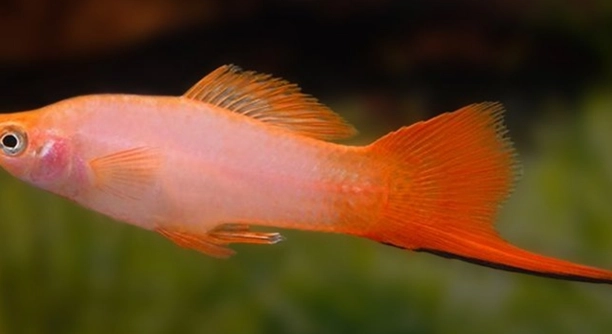
A healthy and happy aquarium requires proper space for all its inhabitants. Swordtails are lively fish, but they need a suitable environment to thrive. If your tank feels cramped, it may be time to reassess the space you’re providing.
The most common sign that your swordtail tank is too small is overcrowding, which leads to poor water quality and increased stress. Fish need enough space to swim and establish territory, and a small tank limits these essential behaviors.
Ensuring your swordtails have enough space will benefit their well-being. Consider the number of fish, the tank’s size, and other contributing factors to maintain a balanced environment for your aquatic pets.
Tank Size and Overcrowding
When your swordtail tank is too small, overcrowding becomes a significant issue. Swordtails are active fish that need space to swim, explore, and establish their own territories. If you notice that your fish are constantly bumping into each other, it’s a clear sign that the tank is too small. Overcrowding leads to high stress levels, which can weaken the immune systems of the fish, making them more susceptible to diseases. Moreover, it can also cause aggressive behavior as they struggle for space and resources.
A smaller tank doesn’t just limit the fish’s physical movement, it also affects water quality. The waste produced by each fish accumulates quickly in a confined space, resulting in dirty water. This can cause harmful spikes in ammonia and nitrate levels, which can be deadly to your fish. Frequent water changes and extra filtration can help, but the underlying problem of limited space remains.
In a cramped environment, swordtails may not breed as successfully. They often feel stressed and unable to find enough space to establish a breeding area, which may prevent them from pairing up. Ensuring adequate space for both the fish and their offspring is crucial for their growth and reproduction.
Stress and Behavior Issues
The stress from living in a small tank manifests itself in different ways. Swordtails may begin showing signs of aggression or act lethargic.
Stress can also cause health problems. Fish in small tanks are more likely to develop diseases, as their immune systems weaken under constant pressure. Regular tank maintenance alone isn’t enough to ensure their well-being.
Water Quality Decline
When the tank is too small, maintaining water quality becomes a constant challenge. Swordtails produce waste that accumulates quickly in a confined space, leading to elevated levels of ammonia, nitrites, and nitrates. Even with frequent water changes, it can be difficult to keep up with the demands of a crowded tank.
Small tanks often lack sufficient filtration to keep the water clean and oxygenated. This can create a toxic environment where swordtails struggle to breathe and stay healthy. It also increases the chances of harmful bacteria growing in the water, which can further impact the fish’s health.
The deterioration of water quality can affect every aspect of your swordtails’ life, including their growth, behavior, and reproduction. A tank that is too small limits the overall water volume, making it harder to dilute the harmful substances that accumulate. This means your fish might not thrive in the long term.
Aggression and Territorial Behavior
Swordtails are territorial creatures, and they need space to establish their own areas. In a cramped tank, they may become more aggressive toward each other as they fight for space, food, and hiding spots.
When fish feel threatened or overcrowded, their stress levels rise, leading to hostile behaviors. Males may fight over territory or females, while stressed swordtails may display more erratic swimming patterns. If left unchecked, aggression can lead to injuries or even death. It’s essential to provide enough space to prevent this from happening. A larger tank allows fish to spread out and reduces the likelihood of territorial disputes.
By giving your swordtails more room, you create a healthier, calmer environment where they can flourish. Reducing aggression promotes better overall health, reducing the risks of injuries and stress-related illnesses.
Limited Oxygen Supply
In a small tank, oxygen levels can drop quickly, especially if there are too many fish. Swordtails need good water circulation to get enough oxygen, but in a cramped space, this becomes difficult to maintain. Poor oxygen levels will stress the fish and affect their health.
Without enough oxygen, swordtails may swim erratically, gasp for air at the surface, or display signs of lethargy. Smaller tanks often lack the necessary equipment to circulate water properly, and even powerful filters can struggle in a crowded environment.
It’s important to regularly check your tank’s oxygen levels to ensure your swordtails stay healthy. Adding an air pump or adjusting the filter can help improve oxygen distribution, but these solutions work best in a properly sized tank.
Growth Stagnation
Swordtails require enough space to grow properly. A small tank restricts their movement, limiting their ability to grow to their full size. As a result, they may remain smaller than expected, which can affect their health and longevity.
With more space, swordtails can grow at a natural pace, maintaining their health and vitality. When cramped, their stress levels rise, which can stunt their growth and cause other health issues.
FAQ
How do I know if my swordtail tank is too small?
A tank is too small for swordtails if the fish appear cramped, and there is limited swimming space. Overcrowding is often the primary sign, with the fish swimming in circles or frequently bumping into each other. You should also observe the water quality; if it deteriorates quickly despite regular maintenance, the tank may be too small. Aggressive behavior among the fish, especially between males, is another indicator. If you notice increased stress signs, such as gasping for air or lethargy, this could also suggest the tank is not large enough.
What size tank do swordtails need?
A minimum of a 20-gallon tank is ideal for a small group of swordtails. Each swordtail needs adequate space to swim freely, so for every additional fish, you should increase the tank size by about 10 gallons. A larger tank gives room for proper filtration and water circulation, which is crucial for their health. Smaller tanks, such as 10 gallons, are too confined for swordtails, especially if you have multiple fish.
Can swordtails live in a tank that’s too small?
Swordtails can survive in a tank that’s too small, but their health will suffer. A cramped tank limits their ability to thrive, causing stress and potential aggression. Over time, this can weaken their immune system, leaving them vulnerable to diseases. Fish kept in small tanks are less likely to breed successfully, and their growth may be stunted. While they might manage in the short term, long-term care in such conditions is not ideal.
What are the effects of overcrowding in a swordtail tank?
Overcrowding leads to poor water quality, as waste accumulates faster than it can be filtered. This can cause toxic spikes in ammonia, nitrites, and nitrates, which are harmful to swordtails. With too many fish in a small space, stress becomes a significant issue, which can lead to aggressive behavior, injuries, and illness. Furthermore, overcrowding reduces the available space for each fish to establish territory, contributing to territorial disputes and fights.
How can I prevent aggression in a swordtail tank?
To prevent aggression, ensure your swordtail tank is large enough to accommodate all the fish comfortably. Maintaining an appropriate ratio of males to females can also help reduce territorial behavior. Providing plenty of hiding spots, such as plants, rocks, or decorations, allows the fish to feel secure and claim their own space. Regular water changes and good filtration will also keep the fish healthy, reducing stress and aggression. If aggression persists, consider separating overly dominant individuals.
How often should I change the water in a small swordtail tank?
In a small tank, water changes should be done more frequently due to the limited space and higher waste accumulation. Aim for at least a 25-30% water change every week to maintain good water quality. If you notice that the tank gets dirty more quickly or if the fish start showing signs of stress, you may need to change the water more often. Consistent water changes help dilute harmful substances and ensure a healthier environment for your swordtails.
Is it possible to keep multiple swordtails in a small tank?
It is possible, but not recommended. Swordtails are active fish that need space to swim, and cramming too many in a small tank can lead to poor water quality and increased stress. A 20-gallon tank can house a small group of swordtails, but for larger groups, a larger tank is necessary to prevent overcrowding and ensure that each fish has room to thrive. It’s always better to err on the side of caution when considering the number of fish for your tank.
Can I add other fish to a swordtail tank?
Yes, you can add other fish to a swordtail tank, but make sure they are compatible. Swordtails are peaceful fish and get along well with other non-aggressive species. Choose fish that have similar water requirements and temperaments. Avoid adding overly aggressive fish, as this will increase stress levels in the tank. Additionally, ensure the tank size is large enough to accommodate all the fish without overcrowding.
What happens if I don’t provide enough hiding spots for swordtails?
If there are not enough hiding spots in your tank, swordtails may feel exposed and stressed. Without places to retreat, they may become more aggressive or shy, which can negatively affect their overall health. Swordtails, especially females, need quiet places to rest, away from constant activity. Including plants, rocks, or decorations can help create hiding spots that will make the fish feel more secure.
What should I do if my swordtail tank is too small?
If your tank is too small, the best solution is to upgrade to a larger tank. This will provide your swordtails with the space they need to thrive and reduce the risks associated with overcrowding. While upgrading the tank, also check the filtration system to ensure it can handle the increased water volume. You may also need to rearrange the tank setup to provide more hiding spots and swimming space for your fish.
Final Thoughts
When it comes to keeping swordtails, tank size is a key factor in ensuring their health and happiness. Swordtails are active fish that need space to swim freely, and a tank that is too small can quickly lead to problems. Overcrowding, poor water quality, and increased aggression are just a few of the challenges that come with keeping them in cramped conditions. Providing a tank that is large enough for your swordtails to move around comfortably not only improves their well-being but also reduces the risk of stress-related issues that can arise from a limited space.
A tank that is too small can also impact the fish’s growth. Swordtails need room to grow properly, and a small tank can stunt their development. This, in turn, affects their health and ability to reproduce. Inadequate space can lead to a less vibrant appearance, reduced energy, and a shorter lifespan. To help your swordtails reach their full potential, it’s important to provide them with enough space to thrive. This includes giving them adequate swimming space and ensuring the water quality remains consistently high, which can be a challenge in a small tank.
If you find that your tank is too small for your swordtails, it’s best to upgrade to a larger one as soon as possible. A bigger tank will not only make the environment more comfortable for the fish but also reduce the likelihood of problems that come with overcrowding. As you care for your swordtails, remember that the goal is to provide them with an environment that closely mimics their natural habitat. By doing so, you’ll ensure that your swordtails are happy, healthy, and able to flourish.

Hello,
If you enjoy the content that we create, please consider saying a "Thank You!" by leaving a tip.
Every little bit helps us continue crafting quality advice that supports the health, happiness, and well-being of pets around the world, for pets of all shapes, sizes, and species.
We really appreciate the kindness and support that you show us!