
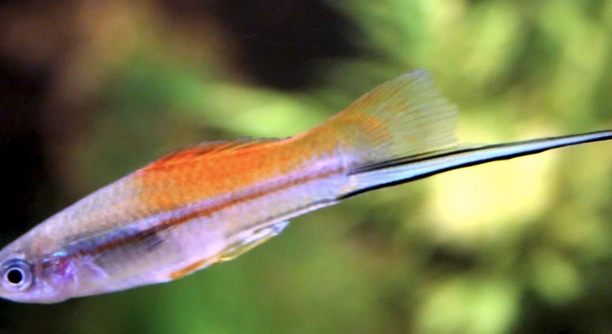
Have you ever noticed your swordtails acting strangely, even though everything seems fine in their tank? These small changes in behavior might be signs that something in their environment is confusing them more than you realize.
Swordtails can become confused by inconsistent lighting, poor tank placement, overcrowding, incorrect water parameters, sudden changes in routine, mismatched tank mates, and excessive surface agitation. These factors can disrupt their natural instincts, causing stress and disoriented behavior.
Understanding these common mistakes can help you create a calmer, healthier environment that supports your swordtails’ well-being and natural behaviors.
Inconsistent Lighting Confuses Their Senses
Swordtails rely on consistent lighting to regulate their daily behavior. When the lights turn on or off at random times, it disrupts their internal clock. This confusion can cause stress, affect their feeding schedule, and reduce overall activity. A stable light cycle helps swordtails feel secure in their environment. Using a timer for your aquarium light is a simple fix. It mimics the natural day and night rhythm they would experience in the wild. Avoid placing the tank in areas with erratic natural light, like near windows with changing sunlight. Sudden shadows or glares can also startle them. Soft, consistent lighting helps them feel more at ease. Consistency encourages natural behaviors such as swimming freely and exploring the tank.
Irregular lighting can make swordtails anxious. Their movement may slow, and they may hide more than usual. Simple routine adjustments can help reduce confusion and stress levels significantly.
Keep the lights on for about 10 to 12 hours a day. This is enough to support their natural behaviors and avoid overexposure. Too much light can promote algae, while too little makes them inactive. Balanced lighting, paired with a predictable schedule, keeps them alert and improves their overall health. Consider low-watt LED lights with a timer function.
Poor Tank Placement Adds Stress
When a tank is set in a busy location, swordtails often stay hidden. Loud sounds, heavy foot traffic, or constant motion around the tank make them uneasy. Peace and quiet help them stay relaxed.
Place the aquarium in a calm space, away from doors, TVs, or speakers. Vibrations and loud sounds can feel overwhelming for fish, especially those that prefer predictability like swordtails. A corner of a room with moderate lighting and minimal disruption is ideal. Avoid placing the tank where it might receive direct sunlight, as it not only heats the water but also causes glare. Glare reflects on the tank glass, which can confuse or even agitate swordtails. If they frequently bump into tank walls or hover in one spot, this may be a sign the location isn’t ideal. Moving the tank may feel like a hassle, but it’s a one-time task that makes a big difference in how comfortable your swordtails feel.
Overcrowding Disrupts Natural Behavior
Swordtails need space to swim and establish their own territory. When too many fish share a small tank, stress levels rise quickly. Overcrowding leads to erratic swimming, aggression, and reduced oxygen levels, which all contribute to confusion and unhealthy conditions.
An overcrowded tank limits movement and makes swordtails feel unsafe. They may chase each other or hide constantly to avoid stress. This behavior is often mistaken for illness or aggression. A good rule is to allow at least 15 to 20 gallons for a small group. Adding extra plants or decorations won’t solve overcrowding if the tank is already too full. Make sure you’re also considering the adult size of your fish when planning space. Swordtails prefer swimming room more than hiding places. Keeping the group size in check gives them room to move naturally, show their colors, and interact in a calm, predictable way.
Too many fish also strain the filtration system. Waste builds up faster, which affects water quality and leads to confusion due to fluctuating ammonia or nitrite levels. Even if you keep up with water changes, crowding speeds up imbalances. Always research adult sizes and behavior before adding new fish. Fewer, well-matched tank mates lead to a calmer setup.
Incorrect Water Parameters Cause Discomfort
Swordtails need stable water conditions. Changes in temperature, pH, or hardness can make them feel disoriented. You may notice them swimming near the surface or acting lethargic. Regular testing and small weekly water changes help keep everything balanced.
Maintain a temperature range of 72°F to 82°F, with a neutral to slightly alkaline pH between 7.0 and 8.4. Hardness should be moderate to hard, as swordtails prefer mineral-rich water. Fluctuations outside these ranges can confuse their sense of direction and increase vulnerability to illness. Avoid sudden changes during water changes—match new water conditions closely. Using a good test kit helps track these shifts accurately. If your swordtails are hanging at the bottom or darting suddenly, check the parameters first before assuming illness. Poor water conditions may not show right away, but they always affect fish behavior over time. Consistency is the best way to keep them calm and responsive.
Sudden Changes in Routine
Swordtails do best when their environment stays predictable. Feeding them at different times or rearranging the tank often can make them feel unsure. Even frequent netting or moving decor can throw off their normal behavior and lead to confusion.
Stick to a simple routine for feeding and cleaning. Sudden changes in lighting, water flow, or tank layout can stress them. These shifts might seem small, but they can make swordtails act nervous or stop eating. Gentle, steady care helps them feel secure and behave normally.
Mismatched Tank Mates Create Tension
Swordtails are peaceful but can become stressed when kept with aggressive or fin-nipping species. Fast-moving or overly dominant fish cause them to hide or act erratically. Compatibility matters just as much as tank size. Choose tank mates with similar temperaments and activity levels to reduce confusion and stress.
Surface Agitation Can Overwhelm Them
Strong water currents or constant bubbling can be disorienting. Swordtails like moderate flow, not harsh surface movement. If they avoid the top of the tank or seem restless, the flow may be too strong for comfort.
FAQ
Why are my swordtails swimming erratically?
Swordtails may swim erratically when they’re stressed. Factors like overcrowding, incorrect water parameters, or incompatible tank mates can trigger this behavior. Erratic swimming often means something is off in their environment. Start by checking the tank’s size and filtration. Overcrowding reduces available space and increases stress. If the water conditions fluctuate too much, it can cause confusion in their movement. Make sure the water temperature, pH, and hardness are consistent and within the range suitable for swordtails. Testing the water and adjusting accordingly can calm them down. Additionally, ensuring that your tank mates are peaceful and compatible with swordtails is key to keeping them calm.
What should I do if my swordtail isn’t eating?
If your swordtail stops eating, it could be due to stress, poor water quality, or illness. First, check the water parameters to ensure they’re stable. Sudden changes in temperature or water chemistry can make swordtails lose their appetite. Also, ensure your swordtail isn’t being outcompeted for food. If tank mates are more aggressive during feeding, the swordtail may not get enough to eat. You can try offering different foods, as swordtails can be picky eaters. If there’s no improvement and your swordtail shows signs of illness, it may be time for a visit to the vet.
How can I tell if my swordtail is stressed?
Swordtails show signs of stress through changes in behavior. If they’re hiding more than usual, swimming erratically, or staying at the bottom of the tank, it’s a sign that something is wrong. Stress can result from a variety of issues, including poor water quality, overcrowding, or tank mates that are too aggressive. If their colors become dull or they start rubbing against objects in the tank, these are also signs of stress. Reducing the stress factors, such as improving water conditions, offering more space, and ensuring compatibility with other fish, can help alleviate these behaviors.
What are the best tank mates for swordtails?
Swordtails are peaceful fish that do well in community tanks with other calm species. Good tank mates include other livebearers like platies or mollies, as well as peaceful bottom dwellers like corydoras catfish. Avoid keeping them with aggressive or fin-nipping species such as bettas or some species of tetras. Swordtails also need tank mates that won’t crowd the space or disturb their swimming. It’s important to ensure there’s enough room for everyone to avoid tension. Ideally, swordtails should be kept with fish that have similar activity levels and do not pose a threat.
Why are my swordtails hiding all the time?
If your swordtails are hiding often, it may be a sign of stress or illness. Stress from overcrowding, mismatched tank mates, or poor water quality can cause them to seek shelter. Hiding is also a common behavior when swordtails feel unsafe or threatened. If the tank is too brightly lit or there are too many aggressive fish, swordtails might retreat to darker corners. Ensure there are enough hiding spots in the tank, but not so many that they feel overwhelmed. Keep the tank’s lighting at a moderate level and check water parameters to ensure they’re within the appropriate range.
How often should I clean my swordtail’s tank?
Regular tank maintenance is crucial to keep swordtails healthy. Perform partial water changes about once a week to maintain water quality. During these changes, remove about 25% of the water and replace it with fresh water that matches the current temperature and pH. Clean the substrate and remove any debris. The filter should also be checked regularly to ensure it’s functioning properly, as poor filtration leads to an unhealthy environment. Avoid cleaning the entire tank all at once, as this can disrupt beneficial bacteria. Consistent, smaller cleaning efforts will help maintain a stable environment for your swordtails.
Can swordtails live with other types of livebearers?
Yes, swordtails can live with other livebearers such as guppies, mollies, and platies. These species have similar care requirements and peaceful temperaments, making them ideal tank mates. However, it’s important to ensure that the tank is large enough to accommodate all the fish comfortably. While swordtails are social, they can become stressed if they feel crowded or threatened. Also, be mindful of the male-to-female ratio in your tank, as an imbalance can lead to aggression or stress among the fish.
What water temperature is best for swordtails?
Swordtails thrive in water temperatures between 72°F and 82°F. Keeping the tank within this range helps maintain their health and encourages normal behavior. If the water is too cold, swordtails may become lethargic, while temperatures that are too hot can lead to stress and reduce their lifespan. Using an aquarium heater with a thermometer is the best way to keep the water temperature stable. Avoid sudden fluctuations in temperature, as these can be harmful to swordtails and cause unnecessary stress. Regularly monitor the temperature to ensure it stays within the optimal range for their well-being.
Why do my swordtails swim at the top of the tank?
Swordtails swimming at the top of the tank may be seeking oxygen if the water has low oxygen levels. This can happen if the tank is overcrowded, the filtration system is ineffective, or the water temperature is too high. Another reason they might stay near the surface is that they’re stressed due to poor water conditions. Make sure your tank has a properly functioning filter and aeration system to keep the oxygen levels stable. Also, ensure that the water temperature is in the optimal range to prevent the fish from struggling at the surface.
Can swordtails live in a tank without plants?
While swordtails can live in a tank without plants, adding plants creates a more natural environment and benefits their health. Plants provide hiding spots, reduce stress, and help maintain water quality by absorbing excess nutrients. Live plants also help maintain oxygen levels and reduce the likelihood of algae growth. However, if you don’t want live plants, consider adding decorations like rocks or driftwood to mimic their natural habitat. It’s essential to ensure that the tank has enough space for the swordtails to swim comfortably, with or without plants.
Final Thoughts
Caring for swordtails involves understanding their needs and providing the right environment. These fish are relatively easy to care for, but there are key factors that can influence their health and behavior. Maintaining stable water quality, providing appropriate tank mates, and keeping a consistent routine are all important for their well-being. Swordtails thrive in tanks with gentle care, and their behavior can be easily influenced by changes in their environment. Small adjustments can make a big difference in how they behave and interact with other fish.
Pay close attention to the water conditions, as swordtails are sensitive to fluctuations in temperature, pH, and hardness. Regular water changes and monitoring the filter will help maintain a healthy habitat. Swordtails are also social fish that prefer to be in groups. Keeping them with compatible tank mates can reduce stress and promote natural behaviors. It’s also essential to offer them a balanced diet and avoid overfeeding. Swordtails are active swimmers, so giving them enough space to swim freely is crucial for their comfort.
Overall, swordtails can be a rewarding addition to any aquarium when their needs are met. With a little effort, you can ensure they remain healthy, happy, and active. By sticking to a consistent routine, keeping the water clean, and providing the right environment, you’ll help your swordtails thrive. These fish are quite resilient, and when cared for properly, they can live long and healthy lives, bringing beauty and calm to your tank.

Hello,
If you enjoy the content that we create, please consider saying a "Thank You!" by leaving a tip.
Every little bit helps us continue crafting quality advice that supports the health, happiness, and well-being of pets around the world, for pets of all shapes, sizes, and species.
We really appreciate the kindness and support that you show us!