
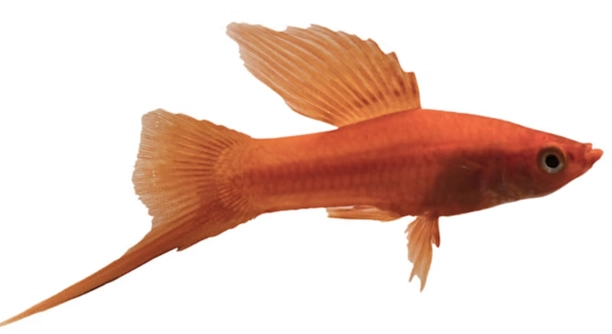
Is your normally calm swordtail suddenly darting around, nipping at tankmates, or staking out territory more than usual? Changes in fish behavior can be surprising, especially when a peaceful species begins acting out unexpectedly.
Swordtails can become aggressive due to stress, overcrowding, poor tank conditions, mating competition, or dominance behavior. These factors can lead to territorial disputes and heightened aggression, particularly among males or when tank space and resources are limited.
Understanding why this shift is happening can help you create a healthier environment for all your fish and prevent further issues in your tank.
Common Triggers of Aggression in Swordtails
Aggression in swordtails often stems from issues related to tank conditions and social dynamics. Overcrowding is one of the main stressors. When there is limited space, swordtails may act out to establish dominance. This behavior becomes even more noticeable when there are too many males competing for territory or attention from females. Poor water quality and sudden environmental changes can also impact their mood and increase tension. Aggression may be a sign that your fish feels threatened or needs more space to feel secure. Observing how they interact and adjusting the tank environment accordingly can reduce stress-related behaviors.
Swordtails need space to thrive. A small tank makes it harder for them to maintain peace, especially when combined with other species or too many males.
Keeping the water clean, maintaining balanced male-to-female ratios, and providing hiding spots will go a long way in calming aggressive behavior and restoring harmony in your aquarium.
How Mating Behavior Affects Swordtail Temperament
Male swordtails can become territorial when competing for females. This is natural but can lead to chasing or nipping.
When mating instincts take over, male swordtails become more assertive. They may constantly follow females, chase off rivals, or patrol specific areas of the tank. This behavior is driven by the need to establish dominance and secure mating rights. If you have more than one male in a tank without enough females, the aggression tends to escalate. This doesn’t just stress the males—it can also overwhelm the females, leading to exhaustion or injury. To help manage this, aim for a ratio of at least two or three females per male. Adding plants, rocks, or decorations also creates hiding places and helps distribute attention more evenly. Keeping an eye on how often and how intensely one fish chases another can help you spot signs of trouble before things get out of hand.
Environmental Stress and Territory Issues
Sudden changes in lighting, water temperature, or tank layout can lead to defensive behavior. Swordtails may claim specific zones and lash out if other fish get too close to their chosen spot.
When the environment feels unpredictable, swordtails may become territorial as a way of gaining control. Rearranging plants or decorations too often can confuse them, making them feel unsafe. A consistent tank layout helps them feel more secure. If swordtails sense competition or lack of space, they may aggressively guard feeding areas or hiding spots. This behavior usually happens when the tank doesn’t offer enough visual barriers or personal zones. Giving them a stable environment with proper boundaries will reduce the likelihood of confrontations. You can do this by spacing out plants or structures so each fish has its own comfort zone.
Water quality also affects stress levels. Ammonia spikes, pH swings, or poor filtration can aggravate swordtail behavior. Keeping parameters stable is important.
Aggression often rises when fish feel unsafe. Testing the water weekly and doing partial water changes regularly can prevent stress. Ensure there’s enough space and cover to give each fish room to move around without clashing. A stable environment leads to calmer interactions among tankmates and healthier swordtails overall.
Behavioral Differences Between Males and Females
Male swordtails are generally more aggressive than females. They often compete for dominance and attention, while females tend to focus on feeding, hiding, or schooling quietly in the tank.
Male swordtails may chase each other or display flaring fins when establishing hierarchy. This behavior becomes more intense in tanks with limited space or when multiple males are kept together. Constant chasing or tail-nipping can wear down the health of all fish involved. Females rarely show this level of territorial behavior. Instead, they tend to be more reserved, avoiding confrontation unless cornered. Mixing too many males with only a few females can cause stress and overbreeding. Watching for signs of bullying, like frayed fins or hiding, can help you spot imbalance early. Separating aggressive males or rearranging the tank can sometimes ease tension without having to remove any fish entirely. Creating the right group mix makes a big difference in their behavior.
Warning Signs to Watch For
Look for torn fins, missing scales, or a swordtail that chases others constantly. These are all signs of growing aggression that shouldn’t be ignored.
If a fish hides often, skips meals, or shows unusual swimming patterns, it may be stressed from being bullied.
When to Separate Aggressive Fish
If behavior doesn’t improve after adjusting tank conditions, it may be time to move the aggressive swordtail to a separate tank. Isolation can help calm the fish and protect others from injury. Before separating, try improving water quality, adding hiding spots, and adjusting the male-to-female ratio. If there’s still no change, separation is often the safest choice. Keep the new tank parameters stable and similar to reduce transition stress. Once the fish calms down, you can consider reintroducing it, but only after making sure conditions are ideal and aggression won’t return. Rehoming is a last resort but can sometimes be necessary.
Importance of Observation
Spending a few minutes each day watching your fish helps you notice problems early. It also gives you a better understanding of their normal behavior.
FAQ
Why is my male swordtail always chasing the others?
This behavior is usually related to dominance or mating. Male swordtails often chase other males to show control over territory or resources. They may also chase females during breeding periods. If the tank is small or there aren’t enough hiding spots, the chasing may increase. Keeping a balanced male-to-female ratio helps reduce this behavior. Ideally, two to three females per male creates a calmer group. Adding plants or décor can also break up the line of sight and give chased fish places to retreat.
Can female swordtails be aggressive too?
Yes, but it’s less common. Female swordtails can show aggression when stressed, sick, or protecting space. They may nip at other fish or act territorial if there are not enough hiding areas or if the tank is overcrowded. Hormonal changes during pregnancy can also make them more defensive. Most of the time, female swordtails are peaceful and get along well in groups, especially if their environment is clean and stable. If you see repeated aggression from a female, check for environmental stress or possible illness.
How do I know if my swordtail is stressed?
Stress in swordtails can show up as faded color, clamped fins, hiding, lack of appetite, or odd swimming patterns. Aggression can be both a cause and a sign of stress. Keep an eye out for these changes, especially after rearranging the tank or introducing new fish. Testing the water regularly and making slow, steady changes to their habitat helps lower stress levels. When in doubt, look for changes in how your fish interacts with others and how it moves around the tank.
Should I remove an aggressive swordtail from the tank?
Only if all other steps have failed. Try adjusting the tank setup first—add hiding spots, increase swimming space, and check the male-to-female ratio. If the swordtail keeps attacking or causing harm, it may need to be removed temporarily. Use a separate tank with similar water parameters to reduce stress. Observe how it behaves alone, and if the aggression fades, you may try reintroducing it after a few days. If it remains aggressive, long-term separation or rehoming might be the better option for everyone’s safety.
Can swordtails live with other fish if they’re aggressive?
They can, but choose tank mates carefully. Avoid slow-moving or long-finned fish, as they are often targeted. Ideal companions include platies, mollies, or peaceful tetras. Make sure the tank is large enough to allow space for all fish to establish their own areas. Monitor interactions closely, especially during the first few days after introducing new tank mates. If aggression becomes a problem, rearranging the tank layout or adding more cover can sometimes reset their behavior. Always be ready to separate fish if needed.
Do swordtails fight over food?
Yes, they can become aggressive during feeding, especially in crowded tanks or if food is limited. Swordtails may nip or chase each other while competing for flakes or pellets. To reduce this, spread food across the tank so all fish have access. Use slow-sinking food or feed in small portions throughout the day. Watching how your fish act during feeding can help you spot aggression early. If one fish eats most of the food, consider using a feeding ring or separating them at meal times.
Can lighting changes cause aggression?
Abrupt lighting changes can stress fish and trigger aggressive responses. If lights turn on suddenly in a dark room, swordtails may panic or react defensively. Use a timer or soft lighting to simulate natural day and night cycles. Gradual changes help fish adjust without becoming startled. If your fish seem more aggressive after lights come on, try dimming the brightness or using ambient room light before switching on the tank lights. A stable light routine contributes to a calmer tank environment.
Is it normal for aggression to come and go?
Yes, aggression in swordtails can vary depending on mood, health, and environmental conditions. A fish that was peaceful last week may act out if stressed, sick, or feeling crowded. Seasonal changes or shifts in tank dynamics—like new fish or décor—can trigger temporary aggression. Keep track of when behavior changes happen and what’s going on in the tank at that time. Making small adjustments and watching for patterns can help you manage aggression before it becomes harmful or constant.
Final Thoughts
Swordtails are known for their peaceful nature, but occasional aggression can still happen. When it does, it’s often a response to stress, limited space, or breeding behavior. Watching how your swordtail interacts with others can help you understand what might be causing the change. Small signs like chasing, fin nipping, or guarding certain areas are often the first hints. These behaviors can be managed by adjusting the environment, improving water quality, or changing the tank setup. Most cases do not require removing the aggressive fish, especially if the cause is temporary or related to tank conditions.
Balancing the number of males and females is one of the most helpful steps. Swordtails thrive in a calm group when there are more females than males. Providing plants, hiding spots, and enough room to swim freely can make a big difference. Tankmates should also be chosen carefully, as certain fish can trigger aggression simply by being too slow or long-finned. Feeding routines, lighting, and even how often you clean the tank can affect behavior. Aggression often fades once the right balance is found in the tank. Paying close attention to these details can help create a more peaceful environment for all your fish.
It’s important to remember that every fish has its own personality. Some swordtails may be more dominant or active than others, even when conditions seem ideal. Keeping track of your fish’s behavior over time is a good habit. If aggression becomes a regular problem, then separating the fish may be necessary. However, this should be a last step after trying all other changes. By observing carefully and adjusting things as needed, you can often avoid serious issues. A healthy, stable tank not only supports good behavior but also keeps your swordtail happier and more relaxed. Watching them swim peacefully can be a sign that you’ve created a space where they feel secure.

Hello,
If you enjoy the content that we create, please consider saying a "Thank You!" by leaving a tip.
Every little bit helps us continue crafting quality advice that supports the health, happiness, and well-being of pets around the world, for pets of all shapes, sizes, and species.
We really appreciate the kindness and support that you show us!