
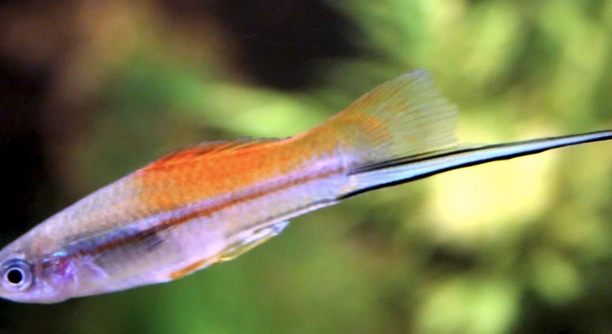
Moving swordtails between tanks requires careful consideration to ensure their safety and well-being. The process involves a few simple steps that can make the transfer smoother and less stressful for your fish.
To safely move swordtails between tanks, prepare the new tank first, ensuring it is properly cycled and has the right water parameters. Use a net to gently capture the fish and acclimate them slowly to avoid shock.
With these methods, you can confidently transfer your swordtails without causing stress or harm. Each step ensures a smooth and safe experience for your fish.
Preparing the New Tank for Swordtails
Before moving swordtails, it’s essential to ensure the new tank is ready. Start by checking the water parameters like temperature, pH, and hardness to match the conditions of the original tank. It’s best to set up the new tank at least 24-48 hours before moving your swordtails to give the filtration system time to adjust. Having proper filtration is crucial to maintain water quality during the transfer.
Make sure the tank has plants and decorations to provide hiding spots for the swordtails. A well-planted tank reduces stress and provides natural territories for the fish. Lighting should be set to a moderate level to mimic their natural environment.
Double-check that the new tank is free from any chemicals or cleaning agents that could harm the fish. By following these steps, you can ensure that the transition to the new tank is as smooth as possible for your swordtails.
Using the Right Equipment for Moving Swordtails
When moving swordtails, a soft, fine-mesh net is your best choice. Avoid using nets with large holes, as they can harm the fish.
When capturing the swordtail, ensure you’re gentle and avoid sudden movements. Slowly guide them into the net, making sure not to stress them out. Handling them too roughly can lead to injury or shock. Once in the net, immediately transfer them to a container filled with water from the original tank. This ensures a smooth acclimation.
Let the swordtails rest in the container for a few minutes before placing them in the new tank. This gives them time to adjust to the new environment.
Acclimating Swordtails to Their New Home
Acclimating swordtails to their new tank is key to ensuring their safety. To start, float the container with your fish in the new tank for about 15-20 minutes. This will help the swordtails adjust to the water temperature. During this time, you can gradually add small amounts of water from the new tank into the container. Doing this slowly reduces the shock of a sudden change in water chemistry.
Once the swordtails are acclimated, release them gently into the tank. Do not release them directly into the filter or any high-current areas, as these zones could stress them out.
Avoid adding too many fish at once to prevent overcrowding, as this can affect water quality and increase stress. Allow the swordtails time to adjust to their new home. Give them a few hours before checking on them again to ensure they are comfortable and exploring their new environment.
Monitoring Swordtails After the Move
After the transfer, monitoring the swordtails closely for signs of stress or illness is important. Watch for changes in behavior, such as erratic swimming or hiding excessively.
If you notice any abnormal behavior, take action immediately by checking the water parameters again. Often, small fluctuations in water quality can cause stress in swordtails. Make sure the filtration system is running smoothly, and perform partial water changes if necessary to maintain optimal conditions.
Take the time to observe the swordtails in the first few days. Gradually, they will settle into their new tank, but keeping an eye on them ensures you can address any problems before they escalate.
Ensuring Safe Water Parameters
The water parameters of the new tank must be closely monitored before moving swordtails. Temperature, pH, hardness, and ammonia levels should match the original tank to avoid shock. Ensure that the new tank’s filtration system is running well and that the water is properly aerated.
Swordtails are particularly sensitive to sudden changes in water temperature or chemistry. To avoid stress, make gradual adjustments in the new tank’s water parameters. If necessary, use a water testing kit to check levels frequently. Keeping the water consistent will help your swordtails feel at ease and reduce the chance of illness or shock.
When transferring swordtails, remember that even small changes in water quality can lead to stress. The key is consistency. Gradually acclimating the swordtails to any shifts in the new tank’s environment ensures they settle in more comfortably. Adjusting water quality over time helps create a safer and more comfortable space for them to thrive.
Dealing with Stress During the Transfer
Swordtails are delicate fish, and stress can arise easily when moving them. To avoid this, keep handling to a minimum. Overhandling, loud noises, and sudden movements can increase stress levels. Be sure to move slowly and carefully, using the right equipment like a fine-mesh net.
To further reduce stress, make sure the swordtails have a smooth and uninterrupted ride during the transfer. Use a bucket or transport container filled with water from the original tank, allowing the fish to acclimate slowly. This ensures they don’t experience temperature shock or rapid changes in their environment.
Once the swordtails are placed in their new tank, avoid disturbing them for the first few hours. This helps them get used to their surroundings without added pressure. Over time, they’ll adjust and start exploring their new home. By minimizing stress, you ensure a safer transition.
Keeping the Tank Environment Stable
A stable environment is crucial for swordtails to thrive in their new tank. This includes not just water parameters but also the tank’s overall setup. Lighting, hiding spots, and decorations play an important role in helping swordtails feel safe. Make sure the tank has places where the fish can rest and hide from potential stressors.
When swordtails first arrive, they may need some time to adjust to their surroundings. During this time, it’s a good idea to limit any major changes or disruptions. Keep tank lights at a moderate level and avoid introducing new fish or decorations right after the move. Stability will help swordtails acclimate better.
A well-maintained environment with steady water quality and minimal disruptions allows swordtails to settle more comfortably. Keeping the tank quiet, clean, and stable will encourage natural behavior and reduce the risk of further stress. The right conditions will help swordtails feel at home and thrive in their new environment.
Avoiding Overcrowding
Swordtails need space to swim and thrive. When moving them to a new tank, ensure the tank isn’t overcrowded. Too many fish can increase stress and lead to poor water quality. Keep the stocking level low until the swordtails have adjusted.
Overcrowding can lead to a decrease in water oxygen levels, which can negatively affect swordtails. To maintain a healthy environment, make sure there are plenty of swimming areas and hiding spots. Keep the tank balanced by not adding too many fish at once. Allow the swordtails time to adjust before introducing new tank mates.
Overcrowding also increases the chance of disease spreading and can lead to more aggressive behavior. A less crowded tank allows the swordtails to feel more secure. By maintaining a low stocking level and giving the fish room to swim freely, they will adjust more comfortably and safely.
Checking for Illness
Before moving swordtails, inspect them for signs of illness. Look for unusual behavior, discoloration, or lesions on their bodies. Healthy fish are more likely to adapt well to new environments.
If you notice any signs of illness, address the issue before making the move. This can prevent transferring potential problems to the new tank.
Preventing Aggression
Swordtails can sometimes become territorial, especially during the move. To avoid aggression, avoid transferring them in groups or adding fish that may provoke territorial disputes.
If you do need to move multiple swordtails, consider separating them temporarily using a divider. This allows them to adjust without fighting for space or resources.
FAQ
How long should I wait before moving swordtails to a new tank?
It’s best to wait until the new tank is fully cycled before transferring your swordtails. This typically takes around 24 to 48 hours. Ensure the water parameters are stable, and the filtration system is working properly. Rushing the process can cause stress and lead to poor water quality, which can harm the fish.
Can swordtails live with other fish during the move?
Swordtails are generally peaceful, but during the move, it’s best to avoid placing them with aggressive or territorial species. Keep them in a separate, peaceful tank during the transition to avoid stress or possible injury. After they settle, you can reintroduce them to other compatible tank mates.
What temperature should the water be for swordtails?
Swordtails prefer a water temperature between 72°F and 82°F (22°C to 28°C). If the new tank’s water is too cold or too hot, it can shock the fish. Make sure the temperature in the new tank is within this range before moving your swordtails.
How can I reduce stress during the move?
To reduce stress, handle the swordtails gently and avoid sudden movements. Use a fine-mesh net to catch them and avoid touching their bodies, which can cause injury or stress. Floating the transport container in the new tank for about 20 minutes before releasing them helps adjust their temperature slowly. Keep the tank quiet and undisturbed for a few hours after moving them.
Should I feed swordtails before or after the move?
It’s best not to feed your swordtails right before the move. This reduces the chances of them becoming stressed while trying to adjust to a new environment. Wait until they’ve settled in the new tank before offering food, as they may not eat right away.
What should I do if the swordtail doesn’t adjust well?
If the swordtail is showing signs of stress, like excessive hiding or erratic swimming, check the water parameters again. Fluctuations in water quality can cause discomfort. If necessary, move the fish back to the original tank for a while until conditions stabilize in the new tank.
How can I prevent disease when moving swordtails?
Before transferring, inspect the swordtails for any signs of illness, like spots or unusual behavior. Quarantine new fish for a few weeks before introducing them to the tank. This helps prevent any potential diseases from spreading to the other fish in the tank.
Is it safe to use a net for transferring swordtails?
Yes, using a soft, fine-mesh net is safe for transferring swordtails. Avoid using nets with large holes, as these can cause injury to the fish. Be gentle when using the net, and make sure to support the fish’s body while transferring them.
How do I know if the new tank is ready for swordtails?
To ensure the new tank is ready, test the water for ammonia, nitrites, and nitrates. All should be at safe levels. Also, check the pH, hardness, and temperature to ensure they match the original tank. The filter should be fully functioning to maintain water quality.
Can swordtails be transferred multiple times?
It’s best to avoid transferring swordtails too frequently. Repeated moves can stress the fish, leading to health issues. Only move swordtails if it’s absolutely necessary, such as when setting up a larger or properly cycled tank. Keep transfers minimal and well-planned.
What do I do if I can’t move the swordtail right away?
If you can’t move the swordtail immediately, ensure the original tank remains stable. Keep water quality high and monitor the fish’s health. You can also prepare the new tank early to minimize the wait time, so the swordtail has a smooth transition when it’s time.
Final Thoughts
Moving swordtails between tanks requires careful planning and attention to detail. It’s crucial to ensure that the water quality in the new tank matches the original tank to avoid shocking the fish. Before transferring the swordtails, check that the new tank is fully cycled, and the temperature, pH, and hardness are suitable for them. Providing a stable environment is key to reducing stress, so make sure the water is clean, and the filtration system is working properly. Swordtails are sensitive to rapid changes in their environment, and a gradual acclimation process will help them feel more at ease.
Another important factor to consider is the health of the swordtails before the move. Ensure that they are free from illness or parasites to prevent spreading any potential diseases to the new tank. It’s best to inspect the fish closely for any signs of abnormal behavior, lesions, or discoloration. If any issues are found, treat them before the move. Quarantining new fish for a few weeks before adding them to an established tank is also a good practice to prevent the introduction of any diseases. This extra step can help keep the new environment safe and healthy for the swordtails.
Lastly, it’s essential to minimize stress during the move. Handle the swordtails gently and use appropriate equipment, such as a soft, fine-mesh net, to transfer them. Keep the new tank quiet and undisturbed for the first few hours to give them time to adjust. Overcrowding should be avoided, and the tank should be set up with hiding spots and plenty of swimming space. By taking these precautions, swordtails can make a smooth transition into their new home, where they can thrive in a healthy, stable environment.

Hello,
If you enjoy the content that we create, please consider saying a "Thank You!" by leaving a tip.
Every little bit helps us continue crafting quality advice that supports the health, happiness, and well-being of pets around the world, for pets of all shapes, sizes, and species.
We really appreciate the kindness and support that you show us!