
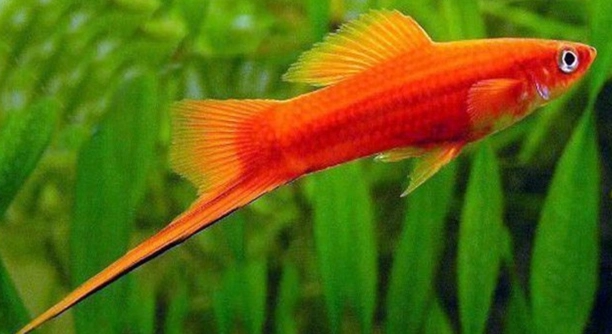
Swordtails are a popular species in home aquariums, known for their striking colors and active nature. However, you might notice something interesting happening with them: they often group by size.
Swordtails tend to group by size due to social dynamics and natural behavior. Larger fish often dominate in social interactions, leading smaller individuals to form their own groups for protection. This behavior ensures better survival and comfort.
Understanding why swordtails group by size can help improve their care and provide a better environment for them. This behavior also highlights how fish interact socially and establish their place in a tank.
Why Swordtails Group by Size
Swordtails display a unique behavior where they group by size in their tanks. This isn’t just a random act; it’s a survival strategy. Larger swordtails tend to dominate social situations, leaving smaller ones to find refuge in groups of similar size. This creates a more balanced and peaceful environment. Swordtails, like many fish species, can be quite territorial, especially when food or space is scarce. Smaller fish are more vulnerable to aggression, and staying in groups offers a sense of safety.
When swordtails are placed in a tank together, they often form social structures based on their size. Smaller swordtails are less likely to challenge the dominant individuals, so they naturally group together to avoid conflict. This allows them to swim more comfortably without the constant stress of competing for position in the tank.
The grouping behavior also relates to their natural instincts. In the wild, swordtails tend to stay in groups to protect themselves from predators. By sticking together, they create a more cohesive and less threatening presence, reducing the chances of being singled out by predators.
The Role of Size in Social Behavior
Size plays a significant role in how swordtails interact with each other. Larger fish usually assert themselves as the leaders of the tank, while smaller fish seek the safety of their peers. This hierarchy ensures that the more vulnerable individuals can avoid unnecessary stress.
Swordtails, like many species, often find comfort in staying close to others of similar size. The less dominant individuals are more secure when they aren’t faced with the intimidation of larger fish. This grouping behavior is also an indicator of how they adjust to their environment, ensuring their survival and minimizing aggression. The social structure formed based on size reflects a deeper, natural instinct to create a safer and more balanced living situation.
Social Hierarchy Among Swordtails
Swordtails establish a clear social hierarchy in their groups. Larger individuals typically dominate smaller ones, which helps reduce unnecessary conflict. Smaller swordtails prefer to stick together, finding comfort in their size group, avoiding aggression from the larger fish. This social order benefits the entire tank by reducing stress.
Fish often exhibit territorial behaviors, with the dominant swordtails claiming the best spots for feeding or resting. The smaller swordtails, however, benefit from sticking together, as they avoid challenges from the larger fish. This hierarchy is crucial for creating balance in the aquarium and ensuring that each swordtail feels secure. By grouping by size, swordtails manage to avoid the stress of competing for territory, resulting in a more peaceful and natural social structure.
Interestingly, swordtails don’t just rely on size to form these groups. They also use body language and interactions to reinforce their social positions. The dominant fish display assertive movements, while smaller individuals tend to hide or swim calmly. These behaviors highlight how swordtails naturally adapt to their surroundings for safety and harmony within the group.
The Benefits of Grouping by Size
Grouping by size offers a range of benefits for swordtails. Smaller fish are less likely to face aggressive behavior from the larger individuals, making them feel more at ease. This behavior reduces stress and allows them to interact more freely.
When swordtails group by size, they can avoid constant competition for food and space. The larger swordtails are more likely to establish themselves in prime areas, while the smaller fish find their own comfortable niches. This natural division of space ensures a smoother coexistence. Additionally, by staying in groups, swordtails feel more protected from potential predators. The grouping behavior isn’t just a survival mechanism—it’s a way for the fish to foster a sense of security in their environment. This peaceful coexistence helps reduce the risk of stress-related illnesses and maintains a stable social structure in the tank.
Tank Size and Swordtail Grouping
The size of the tank can impact how swordtails group by size. In smaller tanks, there’s less room for fish to spread out, which may lead to more noticeable grouping behavior. In larger tanks, fish have more space, but they may still form size-based groups for comfort and safety.
Swordtails tend to stay in close proximity to those that are similar in size. This is especially true in smaller tanks where they might feel crowded. In these cases, grouping by size becomes more apparent as the fish navigate their limited space. It also helps reduce aggression from dominant individuals.
The Role of Gender in Grouping
Gender plays a part in the way swordtails group by size. Male swordtails, being more aggressive, often form groups based on size to assert dominance. The females, on the other hand, may not display the same territorial behavior and tend to stick to smaller, less aggressive groups.
The natural differences in behavior between male and female swordtails contribute to the overall social structure in the tank. Males generally compete more for space and resources, leading them to group by size. Female swordtails are less likely to engage in these aggressive behaviors, making their grouping patterns more flexible.
FAQ
Why do swordtails group by size?
Swordtails group by size as a natural social behavior to reduce aggression and stress. Larger individuals tend to dominate the group, while smaller swordtails seek safety by sticking together. This behavior ensures that smaller fish avoid bullying from more dominant individuals, creating a more peaceful environment.
Is grouping by size common among other fish species?
Yes, many fish species exhibit similar grouping behaviors. This is especially true in species that live in schools or shoals, where size plays a crucial role in maintaining harmony. Grouping by size allows fish to avoid aggression and creates a more balanced social structure, which is vital for their well-being.
How can I encourage swordtails to group by size in my tank?
To encourage swordtails to group by size, it’s important to provide a suitable tank environment. Ensure there’s enough space for the fish to establish their own territories without overcrowding. Keeping the fish in a balanced size range can also help, but the natural behavior of grouping by size will often occur regardless.
Do male and female swordtails group differently?
Yes, male and female swordtails can exhibit different grouping behaviors. Males are typically more territorial and assertive, often forming size-based groups where they can compete for dominance. Female swordtails are generally less aggressive and may group more loosely, sticking together for safety and comfort without the same level of competition.
Can swordtail grouping by size affect their breeding behavior?
Groupings by size can influence swordtail breeding behavior. Larger males are often more dominant and may have better chances of courting females. However, female swordtails are known to be more selective, and they may prefer males that show signs of strength or resilience. Grouping by size may affect how these interactions unfold, with the larger individuals having more opportunities for mating.
How does tank size influence swordtail behavior?
Tank size has a direct impact on swordtail behavior. In smaller tanks, swordtails feel more confined, leading to more noticeable grouping by size as they seek safety. In larger tanks, they have more room to spread out, but size-based groupings still occur, as it provides comfort and minimizes stress. A larger tank generally reduces aggressive behavior, allowing swordtails to interact more peacefully.
Do swordtails need to be kept in groups of similar sizes to be happy?
While it’s not essential to keep swordtails in groups of similar sizes, it can improve their overall comfort and reduce stress. Swordtails naturally group by size, and maintaining a mix of sizes can help create a more peaceful environment. However, swordtails are quite adaptable, and as long as they have enough space and resources, they can thrive in various group dynamics.
Can I prevent swordtails from grouping by size?
It’s difficult to prevent swordtails from grouping by size, as it’s part of their natural behavior. However, you can influence their social structure by adjusting the tank environment. Providing plenty of space and hiding spots might reduce their need to group, but some level of size-based grouping is likely to occur regardless.
Is it okay if swordtails group by size in a community tank?
Yes, it’s perfectly okay if swordtails group by size in a community tank. In fact, it can be a beneficial behavior that reduces aggression and helps maintain peace among the other fish. As long as there’s no bullying or signs of stress, this natural behavior is a positive aspect of swordtail social dynamics.
Can grouping by size affect swordtail health?
Grouping by size generally has a positive impact on swordtail health, as it reduces stress and aggression. However, if the group becomes too large or the tank becomes overcrowded, it can lead to competition for resources, which could negatively affect health. Providing a balanced tank environment with plenty of space is key to supporting healthy group dynamics.
Final Thoughts
Swordtails naturally group by size as part of their social behavior. This helps reduce aggression among the fish and provides a sense of security, especially for the smaller ones. Larger swordtails are often more dominant, and by sticking together in similar-sized groups, smaller fish can avoid being bullied. This behavior is common in many fish species, where size plays a significant role in social interactions. Understanding this behavior can help aquarium owners create a more comfortable environment for their fish.
While swordtails group by size for safety, it’s important to maintain a well-balanced tank. Size-based groupings happen naturally, but ensuring your tank is large enough with plenty of hiding spaces and territories can reduce stress. When swordtails have enough room, they are less likely to become overly territorial or aggressive, which can also prevent issues like fin damage or bullying. So, providing a good environment where swordtails can form these groups naturally is key to their well-being.
If you’re keeping swordtails in a community tank, their grouping behavior is not something to worry about. In fact, it often helps maintain peace. They will group by size without much intervention, and this leads to a more harmonious tank. As long as there is enough space, food, and a good balance of sizes, swordtails will thrive in their natural grouping habits. By understanding how and why they group by size, you can ensure their long-term health and happiness in your aquarium.

Hello,
If you enjoy the content that we create, please consider saying a "Thank You!" by leaving a tip.
Every little bit helps us continue crafting quality advice that supports the health, happiness, and well-being of pets around the world, for pets of all shapes, sizes, and species.
We really appreciate the kindness and support that you show us!