
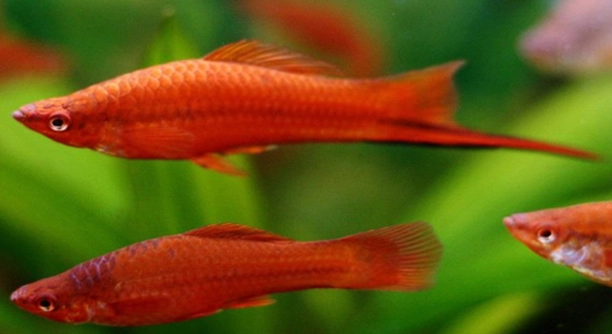
Swordtails are known for their playful nature, but if yours is constantly near the top of the tank, something may be affecting its behavior. It’s important to understand what could be causing this unusual swimming pattern.
A swordtail’s constant presence near the top of the tank is often linked to water quality issues, such as low oxygen levels or improper water temperature. It can also be a sign of stress or illness affecting the fish’s normal behavior.
Addressing these concerns will help create a better environment for your swordtail, ensuring its well-being.
Water Quality and Oxygen Levels
The most common reason your swordtail stays near the top is poor water quality. Swordtails require clean, well-maintained water for proper health. Low oxygen levels in the tank can make them swim closer to the surface where the oxygen is more readily available. Poor filtration, overcrowding, and irregular water changes can worsen this. A water change of 25% weekly can help maintain a healthy environment. Ensure that the tank’s filtration system is working effectively, as inadequate filtration leads to the buildup of harmful substances like ammonia and nitrates. If these factors are not addressed, your swordtail might experience stress or health issues.
Maintaining a proper water quality balance is essential for any fish. The key is consistency in water changes and testing regularly for ammonia and nitrate levels.
Adding live plants to your tank can also improve oxygen levels and provide natural filtration. Plants help by absorbing excess nutrients and increasing oxygen exchange, benefiting both your swordtail and any other tank inhabitants.
Temperature and Stress Factors
Temperature fluctuations can also play a role in your swordtail’s behavior. Swordtails are tropical fish and prefer water temperatures between 72°F and 82°F. If the water is too warm or too cold, your fish might try to find a more comfortable spot near the surface. Inconsistent water temperature can lead to stress, weakening your swordtail’s immune system and making it more prone to illness. Use an aquarium heater to maintain a stable temperature and monitor it with a thermometer to ensure it remains in the ideal range.
In addition to temperature, any sudden changes in the environment or new tankmates can stress your swordtail. Swordtails are peaceful and do not tolerate aggressive tankmates well. Aggression, bullying, or territorial behavior can drive them to seek refuge near the top. If your tank is overly crowded, this might also be a factor to consider.
It’s essential to assess not only the water temperature but also the overall tank environment. Stress from temperature changes or hostile tankmates can have long-term effects on your fish’s health. Keeping a peaceful environment will encourage your swordtail to swim comfortably throughout the entire tank.
Illness and Parasites
Swordtails that are constantly near the top may be showing signs of illness. Swim bladder disease, internal parasites, and other conditions can affect their ability to swim properly. If your fish is struggling to maintain its position in the tank, it might be trying to find easier access to oxygen. Checking for signs of bloating, changes in the color of the fins, or unusual swimming behavior will help you identify any underlying issues. Consulting a vet who specializes in aquatic animals may be necessary for proper diagnosis.
Additionally, external parasites such as ich or skin lesions can lead to stress and abnormal behavior. These parasites often cause discomfort, making the fish seek relief near the surface. Water quality issues like poor filtration can also make parasites more likely to thrive. Treating the tank with proper medication, ensuring water quality remains high, and isolating sick fish can help prevent further issues. Regular tank maintenance and monitoring will reduce the chances of illness.
Fish that are not eating, showing erratic movements, or appearing lethargic should be examined closely. Identifying the cause early will help restore your swordtail’s health and behavior. If the problem persists, separating the affected fish and performing water tests can help clarify the issue.
Tank Size and Overcrowding
An overcrowded tank can lead to many problems. Swordtails need space to swim freely, and when they feel confined, they may retreat to the surface for air. Overcrowding can also increase waste levels, lowering water quality and causing stress. A general guideline is to have one inch of fish per gallon of water. If your tank exceeds this, it’s time to consider reducing the number of fish or upgrading to a larger tank.
Overcrowding in a small tank limits swimming areas, and swordtails may feel the need to constantly hover near the surface. This behavior can be a sign of discomfort due to insufficient space. Additionally, a crowded tank can lead to aggressive interactions between fish, further stressing the swordtail. Always aim to provide enough room for all fish to feel secure.
Proper tank maintenance is necessary in these conditions to avoid poor water quality. Overcrowding combined with inadequate filtration creates an unhealthy environment, leading to stressed fish and potential health problems. The best approach is to avoid overcrowding in the first place and ensure that your swordtail has a balanced living space to thrive.
Inadequate Filtration
A weak filtration system can cause many issues in your tank. If your filter is not powerful enough for the size of the tank, debris and waste can build up quickly, lowering water quality. This creates a stressful environment for your swordtail, leading it to seek the surface for cleaner oxygen.
It’s crucial to ensure your filter is functioning properly. A filter that is too weak or clogged will not effectively remove toxins and excess nutrients. This can lead to poor water conditions, encouraging your swordtail to remain near the surface in search of oxygen.
Water Chemistry Imbalances
Changes in water chemistry can cause discomfort for your swordtail. If pH, hardness, or alkalinity levels are off, it can stress your fish. Swordtails are sensitive to fluctuations, and even minor imbalances can make them feel unsafe in the tank. Regular water testing is essential.
Keep a close eye on the parameters of your tank’s water. Swordtails thrive in a pH of 7.0 to 8.0, with soft to moderately hard water. Regular testing will help you maintain a stable environment and prevent issues that could cause your swordtail to stay near the top.
Tankmates
Swordtails can be affected by the presence of tankmates. If there is aggression or bullying, it may force your fish to the surface. Stress from other fish can cause your swordtail to swim erratically and stay near the top to avoid confrontation. Avoid adding overly aggressive species.
FAQ
Why is my swordtail constantly swimming at the top of the tank?
Your swordtail may be swimming near the top due to low oxygen levels in the tank. This could be caused by poor water quality, inadequate filtration, or overcrowding. Swordtails often seek the surface where there is more oxygen if the water conditions are not ideal. Regular water changes, improving filtration, and reducing tank stocking can help resolve this issue. Checking for any signs of illness or stress can also provide more clarity on why your swordtail is staying near the surface.
How can I tell if my swordtail is stressed?
Stress in swordtails can be identified by erratic swimming, loss of appetite, or hiding in corners of the tank. They may also display faded colors or clamped fins. If your swordtail spends more time near the surface or behaves differently than usual, stress could be the reason. Check the tank for factors such as water temperature fluctuations, overcrowding, or aggressive tankmates. Maintaining stable water conditions and ensuring a peaceful environment can reduce stress.
Can water temperature affect my swordtail’s swimming behavior?
Yes, temperature plays a key role in your swordtail’s behavior. Swordtails prefer water temperatures between 72°F and 82°F. If the water is too hot or cold, your fish may seek the surface to find a more comfortable spot. Extreme fluctuations in temperature can also stress the fish and impact its overall health. Using a reliable aquarium heater and thermometer will help maintain a stable and comfortable environment for your swordtail.
What should I do if my swordtail has a swim bladder issue?
If your swordtail is showing signs of swim bladder disease, such as floating at the top or sinking to the bottom, you should first check water quality. Poor water conditions can exacerbate swim bladder issues. You may need to reduce feeding, as constipation can contribute to this problem. If the issue persists, you can fast your swordtail for a few days and offer it a pea to help with digestion. In severe cases, medication may be needed, so consulting an aquatic veterinarian would be helpful.
How often should I change the water in my swordtail’s tank?
You should change about 25-30% of the water in your swordtail’s tank every week. Regular water changes help maintain water quality by removing waste, excess nutrients, and toxins that can build up. If you have a heavily stocked tank or a small filtration system, you may need to increase the frequency of water changes. Always use a water conditioner to treat tap water and ensure it’s safe for your fish.
Can overcrowding cause my swordtail to stay near the top of the tank?
Yes, overcrowding can lead to poor water quality and stress, which may cause your swordtail to swim near the surface. When too many fish are present, the oxygen levels in the tank may not be sufficient, forcing your swordtail to seek air at the top. Ensure that your tank has enough space for your swordtail to swim comfortably. Following the general rule of one inch of fish per gallon of water can help maintain a balanced tank.
What signs indicate that my swordtail might be sick?
If your swordtail is sick, it may show signs such as loss of appetite, lethargy, or erratic swimming. You might notice unusual behavior like excessive scratching against objects or staying near the surface. Physical symptoms such as torn fins, lesions, bloating, or color changes can also indicate illness. If you notice these signs, consider isolating your swordtail from other fish to prevent the spread of illness and check water parameters.
How can I improve the oxygen levels in my swordtail’s tank?
To improve oxygen levels, make sure your tank has a proper filtration system. Adding an air stone or air pump can also help increase oxygen exchange. Live plants are another natural way to improve oxygen levels, as they produce oxygen through photosynthesis. Additionally, reducing the stocking density in the tank will allow for better oxygen distribution.
Should I remove my swordtail if it has a parasite?
If your swordtail is infected with a parasite, it’s best to remove it from the main tank to prevent spreading the infection to other fish. Isolate the infected fish in a quarantine tank and treat it with the appropriate medication. Regularly check your tank for any signs of parasites and maintain good water quality to prevent future outbreaks.
Can aggressive tankmates cause my swordtail to stay near the surface?
Yes, aggressive tankmates can stress your swordtail and force it to the surface. Swordtails are peaceful fish and may retreat to the top of the tank to avoid aggression from other fish. Monitor your tank for signs of bullying or territorial behavior, and if necessary, remove aggressive fish or rehome them. It’s also important to ensure that your swordtail has enough space to feel secure in the tank.
Final Thoughts
When your swordtail consistently swims near the top of the tank, it’s often a sign that something is wrong with the environment. There are a variety of factors that could be at play, such as poor water quality, overcrowding, or stress caused by tankmates. Ensuring that your swordtail has access to clean, well-oxygenated water is essential for its well-being. Regular water changes, a reliable filtration system, and checking the water’s chemistry are some of the key steps to prevent this issue from occurring.
Another important aspect to consider is the tank’s overall environment. Swordtails are peaceful fish that thrive in calm conditions, so any aggression from other tankmates can lead them to seek refuge near the surface. Additionally, an overcrowded tank can limit their space and create unnecessary stress, both of which can cause abnormal swimming behavior. Keeping a balanced tank with the right number of fish and compatible species will help your swordtail feel secure and more likely to swim at a normal depth.
Finally, monitoring your swordtail’s health is crucial. Illnesses like swim bladder disease, parasites, or other infections can also cause abnormal swimming behavior. If you notice signs of illness, isolating the affected fish and seeking medical advice is the best course of action. By keeping a close eye on your fish’s health, the quality of their environment, and their overall well-being, you can ensure that they remain healthy and active.

Hello,
If you enjoy the content that we create, please consider saying a "Thank You!" by leaving a tip.
Every little bit helps us continue crafting quality advice that supports the health, happiness, and well-being of pets around the world, for pets of all shapes, sizes, and species.
We really appreciate the kindness and support that you show us!