
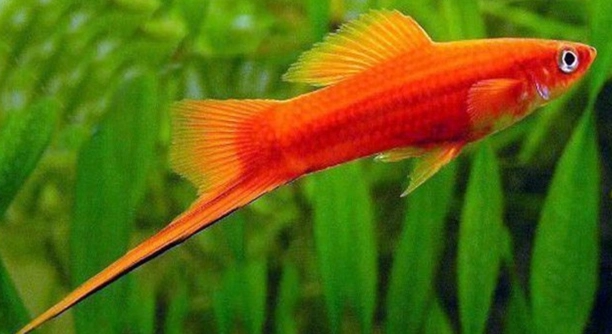
Swordtails are a popular fish in aquariums due to their vibrant colors and playful nature. However, they can be sensitive to changes in their environment. Understanding how they react to these shifts can help you maintain a happy and healthy tank.
Swordtails respond to tank changes in several ways, such as adjusting their behavior, eating habits, and swimming patterns. They may become stressed or more active depending on factors like water temperature, pH levels, and tank mates.
From changes in water quality to the introduction of new elements in their tank, each factor has a noticeable effect on their well-being. Keep reading to discover how to best care for your swordtails during these transitions.
How Swordtails React to Water Temperature Changes
Swordtails are highly sensitive to changes in water temperature. A sudden drop or rise can cause them stress, leading to reduced activity levels or even health issues. When the water temperature shifts too quickly, their immune systems may weaken, making them more susceptible to diseases. They may also become more lethargic or hide in corners of the tank as a response to discomfort.
Even slight fluctuations can affect their behavior. Swordtails typically prefer a stable temperature range between 72°F and 78°F (22°C to 26°C). If the temperature strays too far outside this range, it can lead to sluggish movements, loss of appetite, or even difficulty breathing.
To prevent these issues, it’s important to monitor the tank temperature regularly using a reliable thermometer. If you notice any sudden temperature changes, adjust it gradually to avoid shocking your swordtails. This will help them maintain a healthy and active lifestyle in your aquarium.
Changes in Water pH and Their Effects on Swordtails
Changes in water pH can also have a significant impact on swordtails. These fish prefer a slightly alkaline environment with a pH range between 7.0 and 8.0. When the pH level drops too low or rises too high, swordtails may show signs of stress, including erratic swimming and difficulty breathing.
Swordtails can adapt to minor fluctuations in pH, but drastic changes will affect their well-being. For instance, if the pH becomes too acidic or too basic, it can hinder their ability to absorb oxygen and nutrients properly. Over time, this can weaken their immune system and leave them more vulnerable to illnesses.
To avoid such stress, test your tank’s pH regularly and make adjustments slowly if needed. Using pH buffers or adding live plants can help stabilize the water quality. Keeping the water’s pH balanced ensures a more stable environment for your swordtails and reduces the likelihood of health problems.
Introducing New Tank Mates and How Swordtails Respond
Introducing new fish to a tank can cause a bit of chaos for swordtails. These fish are social and enjoy the company of others, but they can also be territorial when their environment changes. Adding new tank mates can lead to aggressive behaviors or increased stress, particularly if the new fish are introduced too quickly.
Swordtails may show signs of aggression or anxiety, such as chasing, fin-nipping, or hiding more often than usual. This is a normal response to a change in their territory. To minimize stress, it’s essential to add new fish gradually, allowing your swordtails time to adjust. Make sure the tank is large enough for all the inhabitants to have their own space.
It’s also important to consider the compatibility of the new fish with swordtails. While swordtails generally get along with other peaceful species, adding overly aggressive fish can trigger conflict. A well-thought-out introduction plan will ensure that your swordtails can coexist peacefully with their new tank mates.
How Swordtails React to Changes in Tank Size
Swordtails may also respond to changes in tank size. If the tank is made larger or smaller, they may take some time to adjust. Moving to a larger tank generally gives them more space to swim and explore, which is beneficial for their overall health. However, a sudden change can still cause them stress.
In smaller tanks, swordtails may feel cramped, which can lead to anxiety and less activity. They may also become more territorial and aggressive if they don’t have enough space to move around. If the tank is too small, swordtails may even start fighting over resources, such as hiding spots and food.
To ease the transition, it’s important to adjust to a new tank size gradually. If moving to a bigger tank, give them time to explore without overwhelming them. Make sure the new tank is properly cycled and has all the necessary equipment in place before introducing your swordtails. This careful planning will help reduce stress and encourage healthier behavior.
Changes in Tank Lighting and Swordtail Behavior
Swordtails respond noticeably to changes in tank lighting. If the lighting is too bright or too dim, they may become stressed or act abnormally. These fish typically thrive in moderate lighting, which mimics their natural environment. Overly intense or inconsistent lighting can lead to increased stress levels and affect their feeding habits.
When the tank lighting is altered, swordtails may swim erratically or seek darker areas to hide. If the light is too bright, they may appear more agitated or sluggish, which can also result in a decrease in activity and appetite. Over time, these shifts in behavior can lead to weakened health, especially if the lighting isn’t adjusted back to a comfortable level.
To maintain a healthy balance, it’s important to provide swordtails with a consistent light cycle. A timer for your tank’s lights can help regulate this, ensuring your fish experience day and night periods. Using moderate lighting will help your swordtails feel secure and avoid unwanted stress.
Water Quality Fluctuations and Swordtail Health
Swordtails are sensitive to fluctuations in water quality, including changes in ammonia, nitrite, and nitrate levels. Poor water quality can lead to health problems such as fin rot, skin lesions, or internal infections. It’s crucial to monitor the water regularly and make adjustments when needed.
Swordtails need clean water with proper filtration to thrive. If water quality dips, they may exhibit signs of distress, such as reduced swimming activity or rapid gill movement. They may also lose their vibrant colors or become lethargic. Regular water changes and using a reliable filtration system can help maintain optimal water conditions.
It’s also vital to test the water parameters frequently and address any issues immediately. Keeping the water clean and balanced will support the immune system of your swordtails, ensuring they stay healthy and active. Don’t forget to ensure proper aeration, as swordtails need oxygenated water for optimal health.
Tank Decoration Changes and Swordtail Behavior
Changing the decorations in the tank can stress out swordtails. If items like plants, rocks, or driftwood are rearranged or replaced, they may feel unsettled. Swordtails are territorial and rely on familiar hiding spots, so sudden changes in the tank layout can cause confusion or anxiety.
These fish may react by hiding more often or becoming more aggressive toward other fish. A change in the tank’s décor can also affect their feeding habits, as swordtails may become hesitant to eat in unfamiliar environments. Gradual adjustments to the tank’s setup will give them time to adapt without causing too much stress.
Swordtails and Frequent Water Changes
Frequent water changes can disrupt swordtails’ routine, leading to a decrease in their comfort level. While regular water changes are important for maintaining good water quality, too many changes in a short period can stress them out. Swordtails prefer consistency in their environment and may struggle with constant shifts.
Changing the water too often or too quickly may cause a sudden shift in water temperature, pH, or other parameters, which can be harmful. The stress from these changes can result in reduced activity, lack of appetite, or even illness. Therefore, it’s best to perform water changes gradually and with care.
Swordtails’ Reaction to Tank Cleaning
Swordtails may react to tank cleaning by becoming more skittish or hiding. During cleaning, the disturbance in their habitat can cause anxiety. They may swim nervously or stay near the bottom of the tank until things settle down.
It’s important to clean the tank carefully, taking care not to disrupt the fish too much. Regular maintenance, such as cleaning the substrate and removing excess algae, helps ensure a healthy environment for swordtails without causing unnecessary stress.
FAQ
How do swordtails react to changes in water temperature?
Swordtails are sensitive to rapid changes in water temperature. A sudden increase or decrease can cause stress, leading to erratic swimming or reduced activity. They prefer a consistent range between 72°F and 78°F (22°C to 26°C). When the temperature fluctuates too much, their immune system weakens, making them more susceptible to diseases. To avoid this, always monitor the temperature and make gradual adjustments.
Can swordtails handle sudden changes in water pH?
Swordtails are quite sensitive to changes in pH. They thrive in slightly alkaline water with a pH between 7.0 and 8.0. When the pH drops or rises too drastically, it can cause stress. This may result in erratic swimming patterns, poor appetite, or difficulty breathing. Test your water regularly and make gradual adjustments to prevent sharp pH swings. A stable pH environment will help swordtails stay healthy and active.
Do swordtails get stressed when new fish are introduced?
Yes, swordtails can get stressed when new fish are introduced to their tank. Swordtails are territorial and may react with aggression or anxiety if new fish invade their space. It’s best to introduce new tank mates slowly and ensure the tank is large enough to give everyone adequate space. Also, ensure that the new fish are compatible with swordtails to avoid unnecessary conflict.
How do swordtails react to changes in their tank décor?
Swordtails are territorial fish, and changing their tank décor can cause confusion and stress. If you rearrange plants, rocks, or other decorations, it can make them feel like their territory has been disrupted. They might hide more often or act more aggressively. Gradually adjusting the layout will help swordtails adapt without feeling overwhelmed by the changes.
Do swordtails like bright lighting?
Swordtails do not thrive under bright lighting for long periods. While they need some light to regulate their day-night cycle, too much brightness can cause stress. Swordtails prefer moderate lighting that mimics their natural habitat. Excessive lighting can lead to increased anxiety, and may affect their feeding and swimming behaviors. Keep lighting at a moderate level and provide them with areas to retreat to if needed.
How often should I change the water in my swordtail tank?
Water changes are essential for maintaining a healthy environment for swordtails. However, changing the water too frequently can cause stress. It’s best to change 25-30% of the water every 1-2 weeks. This ensures that the water stays clean without overwhelming the fish with too many changes at once. Always test water parameters before and after the change to ensure stability.
How do swordtails react to tank cleaning?
Swordtails can become stressed during tank cleaning. The process can disturb their environment and make them feel unsafe. They may hide or swim erratically until the tank settles back into its usual state. To minimize stress, clean the tank gently and avoid disturbing the fish too much. Perform regular maintenance, such as cleaning the substrate and removing excess algae, without overdoing it.
Are swordtails picky eaters?
Swordtails are generally not picky eaters and will consume most types of fish food, including flakes, pellets, and live or frozen foods like brine shrimp. However, they might lose their appetite if the water quality is poor or if they are stressed from changes in their environment. Keeping their environment stable will ensure they maintain a healthy appetite and overall well-being.
How do swordtails react to overcrowded tanks?
Overcrowded tanks can cause swordtails significant stress. These fish need space to swim and establish territories. If the tank is too crowded, swordtails may become more aggressive, particularly toward other fish. They might also exhibit less activity, hide more, or show signs of poor health. It’s important to maintain an appropriate stocking density to ensure your swordtails feel secure and comfortable.
What happens if the tank water quality isn’t maintained?
If the water quality is not maintained, swordtails can suffer from a variety of health issues. Poor water quality can lead to fin rot, skin lesions, or internal infections. Swordtails may become lethargic, stop eating, or show signs of distress such as rapid gill movement. Regular water testing and water changes are crucial to avoid these problems and keep your swordtails healthy.
Can swordtails tolerate different water hardness levels?
Swordtails can adapt to a range of water hardness levels, but they prefer moderately hard water. The ideal hardness range is between 10-25 dGH. If the water is too soft or too hard, swordtails may become stressed, affecting their overall health. It’s important to test water hardness regularly and make adjustments as needed to ensure swordtails remain comfortable in their environment.
How can I reduce stress for swordtails in my tank?
To reduce stress, ensure that your swordtails’ environment is stable and comfortable. Maintain consistent water temperature, pH, and hardness, and avoid sudden changes. Keep their tank clean, and provide hiding spots where they can retreat if they feel threatened. It’s also important to avoid overcrowding and ensure compatibility with other tank mates. Providing a consistent environment will help your swordtails thrive.
Final Thoughts
Taking care of swordtails involves paying attention to their environment and understanding how they respond to changes in their tank. These fish are generally resilient, but they can become stressed if the water conditions, tank décor, or tank mates are suddenly altered. Keeping their environment stable and consistent is key to ensuring they thrive. Whether it’s maintaining a proper water temperature, pH level, or lighting, small changes can have a big impact on their health and behavior. Swordtails need balance and routine to feel safe and comfortable in their tank.
It’s important to be mindful of the little things that can make a big difference. Swordtails are social fish and can sometimes show signs of aggression when new fish are introduced too quickly. A gradual introduction and proper tank space will help avoid conflicts. Similarly, changes to the tank décor can confuse swordtails, especially if their favorite hiding spots or territories are disturbed. Introducing changes slowly and carefully can help swordtails adjust without causing them undue stress. Regular maintenance, such as water changes and cleaning, also plays a role in keeping swordtails healthy and active.
By paying attention to these factors, you can create a more stable environment that supports the well-being of your swordtails. They are relatively easy to care for as long as you provide the right conditions. Swordtails respond well to proper water quality, appropriate tank mates, and a comfortable setting. Monitoring their behavior and being mindful of the changes in their tank will help prevent unnecessary stress and ensure a long, healthy life for these beautiful fish. Keeping your swordtails happy doesn’t require constant adjustments; it’s all about consistency and making sure their needs are met.

Hello,
If you enjoy the content that we create, please consider saying a "Thank You!" by leaving a tip.
Every little bit helps us continue crafting quality advice that supports the health, happiness, and well-being of pets around the world, for pets of all shapes, sizes, and species.
We really appreciate the kindness and support that you show us!