
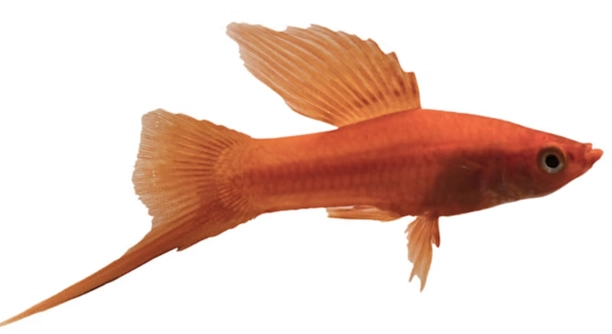
Swordtails are fascinating fish known for their vibrant colors and lively nature. If you have one, you might notice specific behaviors when they feel content. Understanding these actions can help ensure they live a happy life in your aquarium.
When swordtails are content, they display behaviors such as swimming actively, interacting with tank mates, and exploring their environment. Their vibrant colors become more pronounced, and they may engage in gentle social interactions, indicating a relaxed and comfortable state.
These signs show your swordtail is enjoying its surroundings. Keep reading to discover more about these fascinating behaviors and how you can support your fish’s well-being.
Swimming Actively and Playfully
Swordtails are known for their lively and energetic swimming patterns. When they’re happy, you’ll often see them swimming around the tank with quick, playful movements. They move in wide circles, darting between plants or decorations, often with bursts of speed. This behavior signals that they are comfortable and not stressed. Swordtails are naturally active fish, so it’s no surprise when they display this enthusiasm. A content swordtail will also swim throughout all areas of the tank, from top to bottom, exploring without hesitation. If your swordtail is swimming freely and energetically, it’s a sign it feels at ease in its environment.
Active swimming shows that your swordtail is healthy. It’s important to ensure that your tank is spacious enough for them to move around. Swordtails need room to exercise and exhibit natural behavior.
These fish also tend to swim near their tank mates when they’re in a content mood. Swordtails thrive in social groups and are often seen swimming together in a relaxed, non-aggressive manner. They may move in a coordinated way or simply enjoy the company of other fish. As they swim, you’ll notice their fins held wide, signaling that they are in no danger and feel comfortable in their surroundings. The more relaxed they are, the more likely they will exhibit these playful swimming patterns. When this happens, it’s a good indication that your tank environment is right for them.
Vibrant Colors and Healthy Appearance
When swordtails are content, their colors become more vibrant. Their bodies often glow in shades of red, orange, or yellow, depending on the variety. This change is a direct reflection of their positive mental state.
Swordtails with bright, rich colors are often in excellent health and have no stressors affecting them. Their brilliant hues can also indicate that their diet is well-balanced, helping them maintain optimal health and energy levels. Healthy swordtails will have clear, well-defined patterns that stand out when they’re in a happy, stress-free environment. When a swordtail’s colors dull, it may be a sign of illness, stress, or poor water quality. Regular water changes and proper tank conditions help keep their colors looking their best. Swordtails with vibrant colors are usually more active, and this, paired with their healthy appearance, shows they are thriving in the aquarium.
A proper diet and consistent care are key to ensuring that your swordtail continues to show off its vibrant colors.
Socializing with Tank Mates
Swordtails are social fish and love interacting with other fish. They will often swim alongside or near their tank mates, showing signs of peaceful coexistence. When they are content, they can be seen calmly moving in a group with little to no aggression. This behavior reflects their friendly and relaxed nature. Swordtails prefer living in schools, which helps reduce stress and encourages social bonding with other fish. If they’re comfortable, they won’t show territorial behavior and will swim happily with other non-aggressive species.
Tank mates play an important role in swordtail behavior. Swordtails tend to thrive in a community setting with other peaceful species. This social environment allows them to express natural behaviors like following one another around the tank. Swordtails are more likely to interact with their environment and other fish when they feel secure and unthreatened.
However, when they are stressed, swordtails may hide more often or swim alone. This is why a balanced community with other peaceful fish is essential for their well-being. Swordtails will feel happier and more content when interacting freely with their tank mates.
Exploring the Environment
Swordtails enjoy exploring their tank when they feel content. They are curious creatures that will swim in and out of plants, decorations, and other structures within the aquarium. This behavior shows they are comfortable in their environment and have the confidence to explore without fear. Swordtails will move around, checking different areas of the tank, especially if there are hiding spots or interesting objects. A content swordtail is always exploring new spaces within its surroundings, indicating it feels secure and safe.
To keep your swordtail happy and engaged, it’s crucial to provide a tank with plenty of hiding spots and visual barriers. Swordtails are active explorers, so having structures like rocks, plants, and caves adds variety to their environment. This allows them to swim around, explore, and even hide when they need a break. These elements make the tank feel more natural and stimulating for the swordtails, encouraging them to be active and content. When swordtails are in a well-structured tank, they feel less stressed and more likely to engage in healthy, exploratory behaviors.
Feeding Regularly and Happily
Swordtails are content when they have a regular feeding routine. They will eagerly approach the food when it’s time to eat, actively searching for it in the tank. A swordtail that is well-fed and content will show excitement during feeding times, swimming towards the food with quick movements.
If your swordtail is eating regularly and seems to enjoy the food provided, it’s a good sign that they are in a positive state. Swordtails will eat a variety of foods, such as flakes, pellets, or live foods. A consistent feeding routine helps maintain their health and ensures they are content.
Swordtails that are not interested in food may be stressed, ill, or unhappy with their environment. Providing a balanced diet helps keep your swordtail satisfied and healthy. Their enthusiasm during feeding is an easy way to tell if they are in a comfortable environment.
Enjoying the Light
Swordtails are also known to thrive in well-lit tanks. When they are content, they will swim freely in the lit areas of the tank. They enjoy moving through the light and basking in its warmth.
Lighting in the tank is an essential factor for swordtail well-being. A good balance of light and dark zones allows them to feel secure while also enjoying their environment. Swordtails benefit from consistent lighting patterns to regulate their day and night cycle. They tend to stay more active and visible when light is present, showing no signs of hiding.
Resting Peacefully
Even though swordtails are active, they also need to rest. A content swordtail will find a quiet area to relax. This could be near the bottom of the tank or behind a plant. A well-rested fish signals a healthy and secure environment.
FAQ
How can I tell if my swordtail is stressed?
Stress in swordtails can be observed through several signs. If your swordtail is hiding more than usual, swimming erratically, or staying at the bottom of the tank, it could be stressed. They may also display faded colors, lose their appetite, or act aggressively toward tank mates. Stress is often caused by poor water conditions, overcrowding, or sudden changes in the environment. To reduce stress, maintain clean water, a proper tank size, and a peaceful community of fish.
Why is my swordtail swimming in circles?
Swordtails swimming in circles may be displaying playful behavior, but if this persists or becomes erratic, it could be a sign of stress or an issue with the water quality. Sometimes, swordtails swim in circles when they’re excited or during mating behavior. However, excessive swimming in circles might indicate they are trying to escape stressors or lack sufficient space. Checking your tank conditions and ensuring the water parameters are correct can help.
How often should I feed my swordtail?
Swordtails should be fed once or twice a day, offering only as much food as they can consume in a few minutes. Overfeeding can lead to poor water quality, while underfeeding may affect their health and energy levels. Providing a balanced diet with a mix of flakes, pellets, and live or frozen foods ensures your swordtail stays healthy and content. Be sure to remove any leftover food to prevent tank pollution.
What temperature is ideal for swordtails?
Swordtails prefer a water temperature between 72°F and 79°F (22°C to 26°C). If the temperature is too high or too low, it can lead to stress and health problems. Keeping the water temperature stable and within this range is essential for their overall well-being. A reliable aquarium heater and thermometer will help maintain this environment.
Can swordtails live with other fish?
Yes, swordtails are peaceful and social fish, making them suitable tank mates for many species, provided they are non-aggressive. Swordtails do well in community tanks with other peaceful fish like guppies, tetras, and mollies. Avoid keeping them with overly aggressive fish or fin-nippers, as they may cause stress or injury to your swordtail.
How can I tell if my swordtail is healthy?
Healthy swordtails are active, swim with ease, and display bright, vibrant colors. Their fins should be intact, and their scales should be smooth without any signs of damage. Healthy swordtails eat regularly and interact with their environment without any hesitation. If your swordtail displays any unusual behavior, such as lethargy, faded colors, or loss of appetite, it could be a sign of illness.
How do I breed swordtails?
Breeding swordtails is relatively simple. They are livebearers, meaning they give birth to live young instead of laying eggs. To breed swordtails, ensure you have a male and female in a separate breeding tank. The female will give birth to fry after a gestation period of around 3-4 weeks. Providing plenty of hiding spots for the fry is crucial to protect them from being eaten by adults. Once born, the fry should be fed small food like infusoria or finely crushed flakes until they are large enough to eat regular fish food.
Why are my swordtails’ colors fading?
Faded colors in swordtails can be a sign of stress, poor water quality, or illness. If the water conditions aren’t optimal, swordtails may lose their vibrant colors. Additionally, changes in temperature or lighting, as well as poor nutrition, can contribute to dullness. Ensure your tank’s water is clean and well-maintained, and provide a balanced diet to restore their natural colors.
How long do swordtails live?
Swordtails typically live between 3 to 5 years when properly cared for. Factors like water quality, diet, and overall tank conditions play a role in their lifespan. To ensure your swordtail lives a long, healthy life, maintain a stable tank environment, provide the right temperature, and feed them a balanced diet.
Why is my swordtail’s tail curled or damaged?
If your swordtail’s tail is curled or damaged, it could be due to injury, poor water quality, or fin rot. Fin rot is often caused by bacteria and can result in tissue damage. Regular water changes, proper filtration, and avoiding injury can help prevent this. If the damage persists, consult a vet for treatment options.
Final Thoughts
Swordtails are active and friendly fish, making them a great choice for both beginners and experienced aquarium owners. Understanding their behavior can help you ensure they are happy and healthy in their tank. When swordtails are content, they display certain behaviors like swimming actively, showing vibrant colors, and interacting peacefully with other fish. These are all signs that they feel comfortable and safe in their environment. Observing these behaviors allows you to create the right conditions for them to thrive.
Maintaining a swordtail’s well-being requires attention to their water quality, diet, and social environment. Regular water changes, proper filtration, and consistent temperature levels are crucial for keeping swordtails healthy. A balanced diet, including flakes, pellets, and occasional live food, will keep them well-fed and energetic. Swordtails also thrive in a community tank with other peaceful fish, so be sure to avoid keeping them with aggressive species. When all these factors are in balance, swordtails will continue to display their natural, vibrant behaviors, signaling that they are content.
By providing a suitable home and maintaining their environment, swordtails can live a long and happy life in your aquarium. Regular observation will help you spot any changes in their behavior, so you can take action if needed. Whether you’re watching them swim freely or interact with tank mates, these signs of contentment are your reassurance that your swordtails are doing well. Keep these simple guidelines in mind, and your swordtails will continue to thrive, bringing joy to your aquarium for years to come.

Hello,
If you enjoy the content that we create, please consider saying a "Thank You!" by leaving a tip.
Every little bit helps us continue crafting quality advice that supports the health, happiness, and well-being of pets around the world, for pets of all shapes, sizes, and species.
We really appreciate the kindness and support that you show us!