
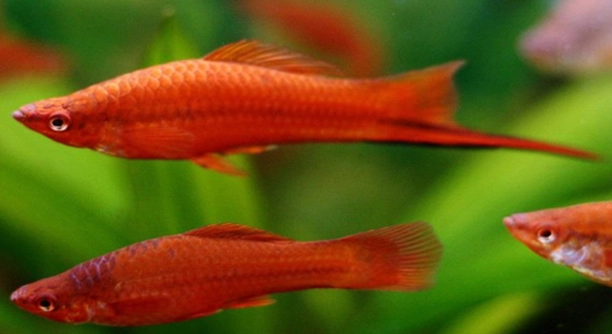
Swordtails are fascinating fish, and many people enjoy watching their behaviors in the tank. One behavior that often sparks interest is their interaction with objects in their environment. It’s intriguing to wonder if these fish display curiosity.
Swordtails do show curiosity for objects. They tend to explore their surroundings, interacting with objects in their tanks, especially when new items are introduced. This behavior is driven by their natural instincts to investigate and learn about their environment.
This behavior can be surprising, as many assume that fish lack curiosity. Understanding why they explore objects in their environment helps us learn more about their natural instincts and how they engage with the world around them.
Why Do Swordtails Show Curiosity?
Swordtails, like many fish, are more curious than people often think. In their natural habitat, they are constantly exploring for food, shelter, and potential mates. When kept in aquariums, they display similar behaviors. New objects in their environment often catch their attention, and they will approach and investigate these items. This curiosity helps them adapt and learn about their surroundings, which is important for survival in the wild. It’s a part of their instinctive behavior to stay alert and aware of changes in their environment.
When a new object enters their tank, swordtails tend to swim around it, nudging or even nibbling at it. This interaction is a way of gathering information about the object. Swordtails rely on their senses to determine if an item is safe or worth exploring further.
In an aquarium, you might notice your swordtails seem particularly interested in decorations or even plants. While some items may be ignored, others spark a strong reaction. These behaviors are driven by their natural instincts, which include curiosity, problem-solving, and environmental awareness. Recognizing these actions can help aquarium owners provide a more enriching environment for their fish.
How Can You Encourage Curiosity?
If you want to encourage more interaction, consider adding new objects to the tank regularly. The more variety you introduce, the more your swordtails will explore.
Adding different textures and shapes to the tank also helps promote curiosity. For example, smooth rocks, plants, or small caves can pique the swordtails’ interest and encourage them to investigate. Items like small floating toys or even a mirror can attract their attention. Keeping their environment stimulating will allow them to express their natural behaviors. These interactions contribute to their mental and physical well-being, making for healthier, more active fish.
Swordtails and Object Exploration
Swordtails display significant interest in objects, especially when something new is added to their environment. They often interact by swimming around or nibbling at items. Their curiosity is a natural part of their instinct to investigate their surroundings.
The objects swordtails explore could range from plants to tank decorations. When they encounter a new item, they may approach it cautiously at first. This initial investigation allows them to assess whether it is a threat or something worth further exploration. Over time, they learn which objects are safe and which ones they should avoid. Their curiosity helps them adapt to their surroundings and ensures they stay alert in unfamiliar environments.
The interaction with objects also depends on their mood and the current environment. Swordtails in a more stimulating tank with plenty of objects will show more consistent interest in exploring. In contrast, a sparse tank may lead to less frequent exploration, as the swordtails have fewer things to investigate. Regularly introducing new items can keep them engaged.
Understanding Their Behavior
Swordtails rely on a variety of senses to explore objects. Their vision, touch, and even the ability to sense vibrations in the water help them understand their environment. These abilities make them more capable of detecting changes or new objects in their surroundings.
Interestingly, their curiosity is often paired with an assessment of safety. Swordtails may hesitate or swim around a new object multiple times before fully engaging. They are constantly weighing the risks of interacting with something unfamiliar. In this sense, their curiosity is not reckless, but rather cautious and thoughtful. This behavior is key to their survival instincts in the wild.
Their natural curiosity also reflects the need to stay mentally stimulated. In a tank, swordtails may show less interest in objects if they’re not introduced often enough. This lack of mental stimulation can result in less interactive behavior, which is why a variety of objects is essential. A lively, varied environment encourages swordtails to display their full range of behaviors.
Swordtail Curiosity and Tank Size
The size of the tank can play a big role in how curious swordtails are. In a smaller tank, they may feel more confined and less likely to explore. A larger tank offers more space, encouraging them to investigate new objects.
When swordtails have more room to move around, they tend to explore more. They’ll swim through different areas of the tank, seeking out new objects or changes in their environment. A larger tank provides variety, which keeps them interested and engaged. This extra space also mimics their natural habitat more closely, allowing them to express their curiosity fully.
Tank size also affects the number of objects and hiding spots you can add. A well-decorated, spacious tank promotes both physical and mental health. Swordtails can explore at their own pace, moving from one item to the next without feeling too stressed or limited. This environment is ideal for fostering their natural curiosity.
Social Interactions and Curiosity
Swordtails are social fish and enjoy interacting with one another. Their curiosity can also extend to the behavior of their tank mates. Watching other fish interact with objects may encourage them to investigate as well.
Seeing another swordtail or even a different species engage with something new can spark curiosity in others. Swordtails often imitate the behaviors of their tank mates, especially if they sense something interesting. These social interactions help them build familiarity with the objects in their environment.
When multiple swordtails are housed together, they may also create more stimulating interactions with the environment. This social dynamic can increase the overall curiosity levels in the tank, as the fish are more likely to explore together.
FAQ
Do swordtails get bored if they don’t have new objects?
Yes, swordtails can get bored in an environment that lacks stimulation. They rely on curiosity to stay active and mentally engaged. Without new objects or changes in their surroundings, swordtails may become less active or even stressed. Regularly adding decorations, plants, or new hiding spots can keep them engaged and prevent boredom. A lack of stimulation may also lead to less exploration, making the fish seem more inactive.
Can swordtails interact with objects outside of the tank?
Swordtails cannot directly interact with objects outside the tank. However, their curiosity might lead them to swim near the glass when something outside catches their attention. If a person stands near the tank or if there is movement outside, they might swim towards the glass. This interaction is driven by their natural curiosity about their surroundings.
Are swordtails more curious when they are younger?
Younger swordtails tend to be more curious and active than adults. As they grow, they become more familiar with their environment and may not explore as much. However, even adult swordtails still show curiosity, especially when new items are added. The curiosity remains, but it can be more noticeable in younger fish as they are still discovering their surroundings.
How can I tell if my swordtail is curious about an object?
A curious swordtail will swim towards a new object and inspect it closely. They may nudge it with their noses, swim around it, or even nibble at it. If the object is of interest, the swordtail might spend more time around it, repeatedly approaching and retreating. A lack of interest may result in ignoring the object or swimming past it without much attention.
Can swordtails show curiosity for objects they’ve seen before?
Yes, swordtails can show curiosity toward objects they have seen before, especially if they were moved or altered. If you rearrange decorations or plants in the tank, swordtails may revisit those objects, as the changes provide new stimuli. They might explore familiar objects from different angles, or even treat the item as new if it was altered in some way.
Do swordtails need a variety of objects to stay curious?
Variety in their environment is essential to keep swordtails curious. Having different textures, shapes, and hiding spots will encourage them to explore more. If a tank is too simple or lacks variety, swordtails may not show much curiosity. Regularly changing up the tank’s decorations or introducing new items can help maintain their interest and promote natural behavior.
Is it okay to add live plants to encourage curiosity?
Yes, adding live plants can be beneficial for swordtails. Live plants provide hiding spots, surfaces to nibble on, and a natural environment that encourages exploration. Swordtails often enjoy swimming through plants and interacting with them. Live plants also improve the water quality, providing additional benefits to the tank environment.
Do swordtails show curiosity for food-related objects?
Swordtails can show curiosity toward food-related objects, like feeding stations or new types of food. They are naturally drawn to anything that might indicate a food source, and the smell or sight of food can trigger exploration. However, they may also interact with non-food-related items out of general curiosity, even if no food is involved.
Can lighting affect a swordtail’s curiosity?
Yes, lighting can influence swordtails’ curiosity and overall activity. Bright or dim lighting may change how they approach their surroundings. Swordtails tend to be more active and curious in well-lit tanks, as they can see better and are more aware of their environment. However, too much light can cause stress, so it’s important to find a balance that keeps them comfortable.
Do swordtails interact with objects at different times of the day?
Swordtails are more likely to interact with objects during their active hours, which are typically during daylight. They are diurnal fish, meaning they are more active during the day and tend to rest at night. You’ll likely see them exploring objects more during daylight hours when they are fully awake and engaged.
How can I tell if my swordtail is stressed instead of curious?
While curiosity involves exploring and interacting with objects, stress typically shows up as erratic swimming or hiding. A curious swordtail will approach objects calmly and investigate them without signs of fear. In contrast, a stressed swordtail may swim in circles, dart around quickly, or hide away from both objects and other fish. If the swordtail appears to avoid objects entirely or seems to be in constant motion without investigating, it might be stressed.
Can swordtails get attached to objects in their tank?
Swordtails can develop preferences for certain objects or areas in their tank, especially if they feel comfortable around them. While they may not form an emotional attachment like humans or mammals, they can become accustomed to specific areas or objects that provide a sense of safety. For example, they may return to a certain plant or hiding spot repeatedly if it offers comfort.
Does the water temperature affect swordtail curiosity?
Yes, water temperature plays a role in swordtail behavior. Swordtails are more active and curious when the water is in the ideal range (around 72-78°F or 22-26°C). If the water is too cold or too warm, they may become lethargic and less likely to explore objects. Maintaining a stable, comfortable temperature encourages more natural behaviors, including curiosity.
How can I encourage more interaction with objects?
To encourage more interaction with objects, try adding new items to the tank regularly. Introduce various textures, such as rocks, caves, or plants, to provide a range of exploration opportunities. You can also rearrange the existing objects to create a sense of novelty for the swordtails. This variety stimulates their curiosity and keeps them active.
Final Thoughts
Swordtails are more curious than many people give them credit for. Their natural instinct to explore and investigate new objects in their environment helps them stay alert and aware of their surroundings. Whether it’s swimming around a new decoration, nibbling on plants, or simply checking out a new addition to their tank, swordtails are always engaged with their environment in one way or another. This curiosity is not just about finding food or shelter but is an important part of their overall well-being. When given the right opportunities to explore, swordtails can display a range of interesting and active behaviors.
Creating a stimulating environment for swordtails is key to encouraging their curiosity. By adding a variety of objects, plants, and even hiding spots, you can provide them with new things to interact with regularly. A larger tank allows them the space to explore and move freely, which is essential for keeping their curiosity alive. However, tank size isn’t the only factor. The introduction of new textures, different types of decorations, or even changes in the arrangement of objects can spark their interest. These additions mimic the natural changes swordtails would experience in the wild, making them feel more at ease in their environment.
Overall, understanding swordtails’ need for stimulation and curiosity helps aquarium owners create better environments for their fish. The more you can provide a variety of items to explore, the more your swordtails will show natural behaviors like investigation and interaction. Keeping their environment dynamic and interesting doesn’t just make the fish more fun to watch, but it also promotes their physical and mental health. Whether it’s through new decorations, plants, or just by keeping the tank’s layout fresh, you’ll be encouraging your swordtails to explore, interact, and thrive.

Hello,
If you enjoy the content that we create, please consider saying a "Thank You!" by leaving a tip.
Every little bit helps us continue crafting quality advice that supports the health, happiness, and well-being of pets around the world, for pets of all shapes, sizes, and species.
We really appreciate the kindness and support that you show us!