
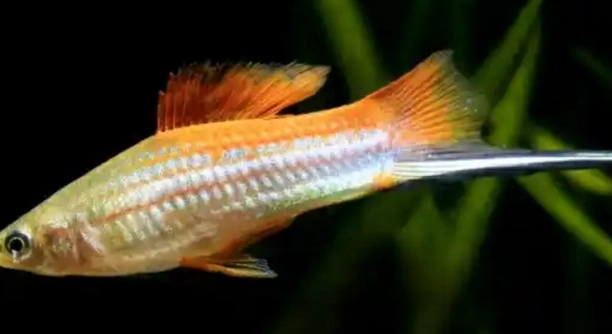
Swordtails are popular aquarium fish, but sometimes they may appear stressed. This can be concerning for any fish owner, especially when you notice unusual behaviors or physical changes. Understanding why your swordtail looks stressed is essential to ensure its well-being.
Swordtail stress is often caused by factors like poor water quality, overcrowding, or inappropriate tank mates. Changes in the environment or feeding schedule can also contribute to their distress. Identifying these stressors is crucial for maintaining a healthy tank.
Managing these factors will help create a better environment for your swordtail. Understanding the causes and solutions will lead to a happier, healthier fish.
Water Quality and Its Impact
One of the most common reasons your swordtail may look stressed is poor water quality. If the water in your aquarium is not clean, it can cause a variety of health issues. Swordtails, like all fish, thrive in water that is stable and properly maintained. When there’s an imbalance, whether from too much ammonia, nitrites, or a high pH, your swordtail can experience stress.
Dirty water can lead to skin irritation, fin damage, and even health problems like fish diseases. Keeping the water clean and changing it regularly will help your swordtail feel comfortable and safe. It’s important to check the levels of ammonia, nitrates, and nitrites regularly to keep them at safe levels.
Regular water changes and using a good filtration system are simple but effective ways to keep your swordtail happy. The less stress your fish experience from water problems, the better they will do in the long run.
Tank Size and Overcrowding
Overcrowding can stress your swordtail, leading to behavior changes. Fish need space to swim freely and establish their territory. Too many fish in a small tank can lead to aggression, injury, and overall discomfort.
If your tank is too small for the number of fish you have, it’s a good idea to upgrade to a larger one. Swordtails need room to swim and find food without competing with others. Make sure there is enough space for your swordtail to move around comfortably, and consider removing any excess fish to prevent overcrowding.
Proper tank size ensures that your swordtail has enough space for a healthy, stress-free life.
Incompatible Tank Mates
Swordtails can become stressed when kept with the wrong tank mates. Some fish are more aggressive and territorial, which can cause your swordtail to feel threatened. It’s important to choose peaceful, non-territorial fish that won’t nip at your swordtail’s fins or invade its space.
When selecting tank mates, make sure they have similar water and temperature requirements. Avoid fish that are known for being fin nippers, as they may cause injury and stress to your swordtail. Adding fish that are too large or too small can also create a negative environment for your swordtail.
By choosing the right tank mates, you can help your swordtail feel safe and secure. Always monitor interactions between different species, and remove any aggressive fish if needed.
Feeding and Diet
Feeding your swordtail at the wrong times or offering poor-quality food can cause stress. Fish, like swordtails, thrive on a balanced diet with high-quality flakes, pellets, and occasional live or frozen foods. If they aren’t getting the right nutrition, it may impact their health.
Establishing a feeding schedule is important so your swordtail knows when to expect food. Overfeeding can also lead to water pollution, which further contributes to stress. Make sure to remove uneaten food to maintain clean water and prevent overfeeding issues.
Swordtails, like most fish, can become stressed from inconsistent feeding. By maintaining a regular, balanced feeding schedule, you can ensure your swordtail’s health improves, and stress levels decrease.
Water Temperature Fluctuations
Swordtails are sensitive to changes in water temperature. If the water becomes too hot or too cold, it can cause stress. Ideally, swordtails prefer temperatures between 72°F and 82°F. Any sharp changes outside this range can affect their health and make them anxious.
If you notice your swordtail behaving strangely, check the temperature. Ensure the heater is working properly and maintaining a stable environment. Sudden drops or spikes in temperature can weaken their immune system, making them more vulnerable to disease. Regularly monitor the water to prevent fluctuations that can cause unnecessary stress.
Light and Tank Environment
Swordtails need an environment where they can feel safe, and that includes proper lighting. Bright, harsh lighting can stress your fish out, especially if they don’t have a place to hide. Too much light can cause them to become restless.
On the other hand, too little light can also lead to stress by disrupting their natural day-night cycle. It’s important to strike a balance, using moderate lighting that mimics the natural environment. Provide hiding spots like plants or decorations so your swordtail can retreat when needed, creating a more relaxed atmosphere.
Handling Stress
If your swordtail has been stressed for a while, it may show signs of physical or behavioral changes. These include fin clamping, hiding, or rapid swimming. It’s crucial to identify and address the stressors as soon as possible. The longer the stress goes unchecked, the more damage it can cause.
FAQ
Why is my swordtail staying at the top of the tank?
Swordtails that stay near the surface of the tank might be struggling with oxygen levels or water quality. Poor aeration or high levels of toxins like ammonia can cause them to seek out better oxygenated areas. Check the water quality and ensure your filter is working well. Adding an air stone can also help improve oxygen levels. If the water quality is good, it could be stress from temperature or tank mates. Make sure everything is stable and observe your fish for further signs of discomfort.
How can I tell if my swordtail is stressed?
Stress in swordtails can show up in various ways. Common signs include rapid swimming, fin clamping (where the fins are held close to the body), and hiding in corners or near the bottom of the tank. Swordtails may also refuse to eat or become overly skittish. If you notice these signs, it’s time to investigate possible stress factors like water quality, tank mates, or environmental conditions. Stress can also cause color fading, so keep an eye on how vibrant your swordtail appears.
Can swordtails live with other species?
Yes, swordtails can generally live with other species, but compatibility depends on the tank mates. They are peaceful fish, but they can become stressed when housed with aggressive or territorial species. Avoid keeping them with fin-nippers or overly large fish that might harass them. Good tank mates include peaceful species like guppies, tetras, or other livebearers. Always ensure that the water conditions, such as temperature and pH, suit all species in the tank.
What’s the best way to reduce swordtail stress?
To reduce swordtail stress, first focus on maintaining good water quality. Regular water changes, proper filtration, and monitoring for toxins like ammonia are key. Next, ensure your tank isn’t overcrowded, and that your swordtail has enough space to swim. Providing hiding spots and plants can make your fish feel secure. Check if your tank mates are compatible and avoid aggressive species. Lastly, keep the water temperature stable and within the ideal range of 72°F to 82°F.
Can swordtails get stressed during breeding?
Yes, swordtails can experience stress during breeding, especially if conditions aren’t ideal. Female swordtails might get stressed by aggressive males or if they’re constantly pursued. Stress during breeding can lead to health issues for both males and females. To minimize stress, provide plenty of space, plants, and hiding spots. If possible, separate overly aggressive males to prevent stress on females. Ensure that water quality remains high, and consider adjusting the temperature to encourage breeding without causing harm to the fish.
How often should I change the water in my swordtail tank?
Water changes should be done regularly to maintain a healthy environment for your swordtails. A general rule is to change 25-30% of the water every week, but this can vary depending on tank size, filtration, and the number of fish. If you notice the water becoming cloudy or if ammonia or nitrate levels rise, more frequent changes may be needed. Regular water changes help reduce the risk of stress caused by poor water quality, which can lead to sickness or discomfort.
Why is my swordtail swimming erratically?
Erratic swimming can be a sign of stress or an underlying health issue. Swordtails might swim erratically if they are dealing with poor water quality, incorrect water temperature, or tank mates that are too aggressive. It can also be caused by a lack of oxygen in the tank. Check the water parameters to ensure everything is stable. If erratic swimming continues, it’s a good idea to observe your swordtail for other signs of disease, such as discoloration or lesions, and consult an aquarium professional if needed.
Do swordtails need a heater in their tank?
Yes, swordtails need a heater in their tank to maintain a consistent water temperature. They thrive in a range of 72°F to 82°F. Without a heater, the water temperature can fluctuate too much, leading to stress. Sudden temperature changes can weaken their immune systems and make them more susceptible to diseases. A good-quality aquarium heater helps regulate the temperature and ensures your swordtails live in an environment they’re comfortable with.
How can I improve the tank environment for my swordtails?
Improving the tank environment for your swordtails involves creating a safe and comfortable space. Ensure the water quality is pristine by using a good filtration system and performing regular water changes. Swordtails enjoy plants and decorations where they can hide or swim around, so adding these elements can reduce stress. Avoid overcrowding and ensure the tank size is appropriate. Maintain a stable water temperature and ensure good aeration to keep the fish healthy and happy.
Why is my swordtail not eating?
If your swordtail isn’t eating, it could be stressed or sick. Stress factors like poor water quality, tank mates, or temperature fluctuations can lead to a lack of appetite. It’s important to check the water parameters immediately and adjust as needed. If stress factors are not the issue, your swordtail might be sick. Watch for any other signs of illness, like abnormal swimming or discoloration. If your fish refuses to eat for more than a couple of days, consider consulting an aquarium vet for advice.
Final Thoughts
Swordtails are generally hardy fish, but they can experience stress if their environment isn’t ideal. Stress can affect their health and behavior, so it’s important to identify the causes early. Water quality is often the biggest factor, and poor water conditions can lead to a range of issues for your fish. Regular water changes, good filtration, and monitoring water parameters will go a long way in preventing stress. It’s also important to ensure that the temperature stays consistent and within the preferred range for swordtails, as temperature fluctuations can have a significant impact on their well-being.
Another major factor to consider is overcrowding. Swordtails need space to swim freely and establish their own territory. When kept in an overcrowded tank, they may feel stressed and anxious. Overcrowding can also lead to issues with water quality, as there are more fish to produce waste. Keeping the tank size appropriate for the number of fish and choosing compatible tank mates can help create a more comfortable environment. Avoid housing aggressive fish with your swordtails, as this can lead to bullying, causing further stress. By carefully selecting tank mates, you help prevent aggression and ensure that your swordtail feels safe.
Stress in swordtails can also come from their diet or feeding schedule. Feeding them the wrong foods or at irregular times can cause anxiety. Stick to a balanced diet of high-quality fish food and establish a regular feeding routine. Overfeeding can cause water pollution, which can lead to even more stress, so be mindful of how much food is being provided. Monitoring your swordtail’s behavior and physical condition will help you catch signs of stress early. By paying attention to these factors, you can maintain a healthy environment where your swordtail can thrive without the negative effects of stress.

Hello,
If you enjoy the content that we create, please consider saying a "Thank You!" by leaving a tip.
Every little bit helps us continue crafting quality advice that supports the health, happiness, and well-being of pets around the world, for pets of all shapes, sizes, and species.
We really appreciate the kindness and support that you show us!