
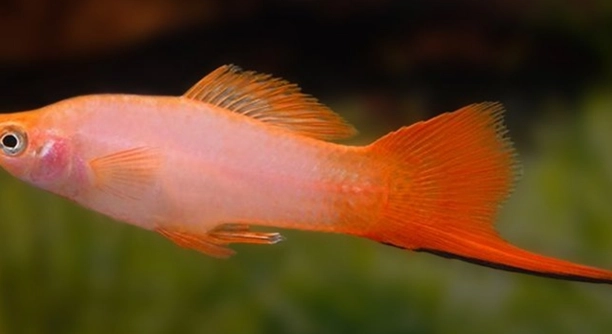
Swordtails are popular aquarium fish known for their vibrant colors and energetic personalities. However, you may notice them staying under driftwood more often than usual. This behavior can be puzzling for many aquarium enthusiasts.
The behavior of swordtails hiding under driftwood is commonly associated with stress, water quality issues, or environmental changes. They may seek shelter to feel safer or avoid aggression from other fish. Ensuring proper tank conditions can reduce this behavior.
Understanding the reasons behind this behavior can help improve your swordtail’s environment. With the right care, you can ensure a healthier, more active aquarium.
Why Swordtails Hide Under Driftwood
Swordtails are naturally active fish, so when they suddenly spend a lot of time under driftwood, it’s important to investigate. This behavior often signals an underlying issue, such as stress or discomfort. If your swordtails seem to be hiding more than usual, the first thing to check is their environment. Swordtails are sensitive to changes in water quality and temperature. Poor water conditions, like fluctuating pH levels or high ammonia, can make them feel unsafe and seek cover. Additionally, overcrowding in the tank can cause stress and force them to retreat to sheltered spots.
While swordtails are generally peaceful, they might hide if they are bullied by other fish in the tank. Aggression from more dominant species can lead swordtails to hide for protection. If they are frequently darting under driftwood or staying in one spot, this could be a sign of bullying.
Tank conditions should always be monitored, especially when swordtails exhibit unusual behavior. Regular water changes and proper filtration can reduce stress, ensuring the environment is clean and stable. Additionally, it’s important to provide plenty of hiding spots in the tank so swordtails can retreat when they need to feel secure.
Common Causes of Swordtail Stress
Water quality and temperature are often the primary reasons swordtails may feel stressed. Swordtails are not as hardy as some other species, so even minor fluctuations in water quality can affect their behavior.
Maintaining a consistent temperature between 72-79°F and checking for high ammonia or nitrate levels can go a long way. Installing a reliable filtration system will ensure the water stays clean, and regular water changes should be done at least once a week. If you notice swordtails still hiding under driftwood despite improvements in the water, it may indicate aggression from other fish. Swordtails thrive in peaceful environments, and conflicts with tankmates can create stress. Ensuring that no aggressive fish are present will help reduce the need for your swordtails to hide. If possible, rearrange the tank’s layout to create more swimming space and less territorial conflict.
Water Quality and Swordtail Behavior
Swordtails are highly sensitive to water conditions. If the water is too dirty or has an improper pH level, swordtails will likely retreat to hiding spots. Regularly testing water parameters helps prevent issues. High ammonia or nitrate levels should be corrected immediately to avoid further stress on the fish.
Maintaining a healthy aquarium requires attention to water temperature and quality. Swordtails prefer temperatures between 72-79°F, and any fluctuation can make them uncomfortable. Use a thermometer to ensure stability. Water hardness is another factor that influences swordtail behavior. They thrive in moderately hard water with a pH between 7.0 and 8.0. Adjusting these factors can help keep swordtails active and healthy.
Regular water changes are essential for swordtail health. It’s recommended to replace 20-30% of the water weekly to ensure the tank remains clean. This practice helps reduce the build-up of harmful substances like nitrates and ammonia. A good filtration system will assist in maintaining water quality, but it’s not a substitute for regular maintenance.
Tank Size and Overcrowding
A properly sized tank is crucial for swordtails. Overcrowding can lead to stress, making them retreat into hiding spots. A general rule is to have one inch of fish per gallon of water. For swordtails, a 20-gallon tank is ideal for a small group.
Swordtails need space to swim freely. When confined to a smaller tank, they may feel stressed and exhibit hiding behaviors. A crowded environment also increases competition for resources such as food, which can further contribute to their unease. Ensure there are plenty of hiding places, like plants or decorations, but don’t overcrowd the tank with too many. Maintaining an appropriate tank size helps swordtails feel more comfortable.
It’s also important to ensure proper filtration in a tank with many fish. Overcrowding places additional strain on the filter, making it harder to keep the water clean. This may lead to water quality issues, which could cause swordtails to hide more often. Balancing the number of fish with tank size will help maintain a peaceful environment.
Tank Mates and Their Impact
Swordtails are peaceful fish but can become stressed by aggressive tank mates. If you have fish that constantly chase or nip at them, they’ll likely seek shelter. Choose compatible species to maintain harmony in the tank. Peaceful community fish are best for swordtails.
Aggressive tank mates can force swordtails into hiding. When swordtails feel threatened, they instinctively look for cover. Avoid keeping them with aggressive species, such as larger cichlids or fin-nipping fish. If you notice that certain fish in your tank are causing your swordtails to hide more, consider removing or relocating the aggressors.
Lighting Conditions
Swordtails prefer dimmer lighting. Bright lights can stress them out and encourage hiding behavior. It’s helpful to provide them with a shaded area where they can retreat. Consider using a dimmer or placing plants strategically to create shadows.
Too much light can lead to anxiety for swordtails. In nature, they’re used to lower light conditions found in the wild, where they can easily find shaded spots. Bright lights can lead to discomfort and encourage swordtails to stay in darker areas of the tank. To reduce stress, adjust the lighting setup to be more suitable for their needs.
FAQ
Why are my swordtails staying under the driftwood all the time?
Swordtails typically seek shelter under driftwood when they feel stressed or threatened. This behavior can be caused by poor water quality, such as high ammonia or fluctuating pH levels. Additionally, swordtails may hide if they are being bullied by more dominant fish in the tank. They prefer peaceful environments, so aggression from tank mates can lead them to retreat. If overcrowding is an issue, swordtails may also hide to avoid competition for space and food. Make sure to check water conditions and provide enough hiding spots to help reduce their stress.
Can poor water quality cause swordtails to hide?
Yes, swordtails are sensitive to water quality. When the water is too dirty or has an improper pH, they may seek shelter to feel safe. High ammonia, nitrites, or nitrates can cause them stress. Swordtails prefer clean, well-filtered water with stable temperature and pH levels. If water quality is poor, they will hide to escape from uncomfortable conditions. Regular water changes and a good filtration system can help keep the tank conditions stable and reduce this behavior.
How do I know if my swordtail is stressed?
A stressed swordtail may exhibit several signs, including hiding more frequently, reduced activity, and loss of appetite. They may swim erratically or dart around the tank in short bursts, trying to escape from perceived threats. If your swordtail’s colors fade, it could be another sign of stress. Pay attention to how often they hide under driftwood or plants. If you notice these behaviors, check the water quality, tank mates, and overall environment to identify potential causes of stress.
Can other fish in the tank make my swordtails hide?
Yes, aggressive or territorial fish can make swordtails feel threatened and cause them to hide. Swordtails are peaceful and non-aggressive, so they may retreat to hidden spots when other fish are being overly dominant or chasing them. Species like cichlids or fin-nipping fish can stress out swordtails. Make sure to choose tank mates that are compatible with swordtails, and monitor the tank for signs of aggression. Providing plenty of plants, decorations, and hiding places can also help swordtails feel more secure.
Is it normal for swordtails to hide during the day?
While it’s normal for swordtails to occasionally seek shelter, hiding for long periods during the day isn’t typical behavior. If your swordtails are spending most of the day under driftwood or other structures, it could indicate stress. Check for any changes in the tank, such as changes in water conditions or new tank mates. Swordtails usually enjoy swimming and being active, so extended hiding could be a sign that something is bothering them.
How can I reduce stress for my swordtails?
To reduce stress for your swordtails, maintain good water quality by doing regular water changes and monitoring the pH, ammonia, and nitrate levels. Keep the tank clean and provide proper filtration. Avoid overcrowding the tank, as too many fish can cause stress. Ensure the tank has plenty of hiding spots and space for swordtails to swim. Also, be mindful of their tank mates, and make sure they aren’t being bullied. Lastly, adjust the lighting to a dimmer setting to help swordtails feel more comfortable.
What temperature do swordtails prefer?
Swordtails prefer water temperatures between 72°F and 79°F (22°C to 26°C). They can tolerate slight fluctuations, but extreme temperature changes can stress them out. It’s essential to keep the water temperature stable and avoid rapid shifts. A reliable aquarium heater can help maintain a consistent temperature. Too cold or too hot of an environment can cause swordtails to hide or become lethargic.
Do swordtails need to be in groups?
Swordtails are social fish and do best in small groups of at least three to five individuals. They feel safer and more comfortable when surrounded by other swordtails, as they are naturally schooling fish. Having companions helps reduce stress and encourages more natural behaviors. However, be mindful of the gender ratio, as too many males can lead to aggression. A mix of males and females works best for a peaceful tank.
Can swordtails live with other fish?
Swordtails can live with a variety of peaceful fish. They are generally compatible with other community fish, such as tetras, guppies, and mollies. However, avoid keeping them with aggressive or territorial species like cichlids, bettas, or fin-nippers, as these fish may stress swordtails out. Always ensure the tank has enough space and hiding spots to prevent conflicts. Swordtails should be kept in a peaceful community tank with compatible species to reduce stress and encourage natural behavior.
How can I tell if my swordtail is sick?
Signs of illness in swordtails include loss of color, lethargy, rapid gill movement, and erratic swimming. They may also stop eating or show signs of external parasites, such as white spots or lesions. If you notice any unusual behavior or symptoms, isolate the affected fish and monitor them closely. It’s important to check water quality, as poor conditions can contribute to illness. If the symptoms persist, consider consulting an aquarium professional for advice on treatment.
Can swordtails breed in a tank?
Yes, swordtails can breed in a tank under the right conditions. They are livebearers, meaning they give birth to live fry instead of laying eggs. To encourage breeding, provide a stable environment with clean water, proper temperature, and good nutrition. Female swordtails carry the male’s sperm for several weeks and can give birth multiple times. Make sure to provide plants or decorations for the fry to hide in, as adult swordtails may eat them. It’s also important to monitor the tank to ensure that the new fry are safe and well-fed.
Final Thoughts
Swordtails are beautiful and peaceful fish that thrive in a balanced environment. If you notice your swordtails staying under the driftwood, it’s likely due to stress, poor water conditions, or incompatible tank mates. Understanding their behavior is key to creating a comfortable space where they feel safe. By identifying the causes of stress and addressing them, you can help your swordtails return to their active and social nature. It’s important to keep the water clean, the temperature stable, and ensure they have enough space and hiding spots.
Tank mates play a significant role in the well-being of swordtails. These fish are peaceful by nature and can become anxious or scared if they are around aggressive or territorial fish. Choosing the right companions, such as other peaceful species, will help reduce stress and allow swordtails to feel secure. The aquarium should have enough hiding places, like plants or rocks, to give them a chance to retreat if needed. This will make your swordtail feel more comfortable and encourage natural behaviors, such as swimming and exploring the tank.
Finally, the water quality in your tank is crucial to swordtail health. Poor water quality can lead to stress, illness, and hiding behaviors. Regular water changes, proper filtration, and monitoring the pH, ammonia, and nitrate levels can prevent these issues. If swordtails are hiding frequently, it’s a good idea to check these factors first. A stable environment with clean water, appropriate temperature, and compatible tank mates will make a huge difference in the well-being of your swordtails. By paying attention to these details, you can ensure they live a long, healthy, and happy life.

Hello,
If you enjoy the content that we create, please consider saying a "Thank You!" by leaving a tip.
Every little bit helps us continue crafting quality advice that supports the health, happiness, and well-being of pets around the world, for pets of all shapes, sizes, and species.
We really appreciate the kindness and support that you show us!