
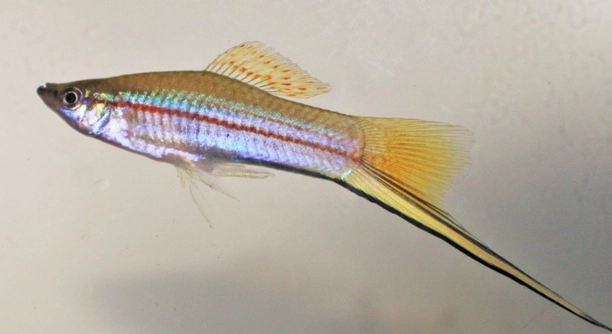
Swordtails are lively and colorful fish that can make an aquarium vibrant. However, they may face certain health or environmental challenges. Recognizing when action is needed is essential for keeping them healthy and happy in your tank.
There are several clear signs that indicate your swordtails may require attention. These include unusual behavior, changes in appearance, or environmental stress. Early intervention can prevent more severe issues and help restore balance to the tank environment.
Understanding these signs will help ensure your swordtails remain healthy. By addressing problems promptly, you can maintain a thriving aquarium and enjoy watching these beautiful fish flourish.
1. Decreased Activity or Lethargy
If your swordtail fish seem less active or spend more time hiding than usual, it may be a sign of a problem. Healthy swordtails are generally active, swimming around the tank, exploring their environment. When they suddenly become sluggish, it could indicate stress, illness, or an unsuitable water environment.
Water quality plays a major role in their energy levels. High ammonia or nitrite levels, low oxygen, or incorrect temperature can all contribute to lethargy. Additionally, swordtails may become sluggish if they are dealing with parasites, such as ich or flukes.
Addressing these issues quickly can prevent further complications. Regular water testing and maintenance, such as cleaning the tank and checking the filtration system, will help maintain optimal conditions. If lethargy persists, isolating the affected fish and consulting a vet may be necessary to determine the underlying cause.
2. Change in Color or Fading
Faded colors in swordtails can often indicate stress, poor water quality, or an underlying health issue. These fish are known for their vibrant, bright hues, and any noticeable change should not be ignored.
Stress is a major factor that affects their color. When stressed, swordtails may lose their usual vibrancy or develop dark patches. Poor water conditions, such as high ammonia levels or improper pH, can also contribute to this color change.
The stress may also come from overcrowding or aggression in the tank. If you notice your fish losing color, check your tank’s water parameters immediately. If the issue is not resolved, further examination of your swordtail may be needed to identify a more serious illness, such as internal parasites.
3. Loss of Appetite or Not Eating
Swordtails are usually eager eaters, so if your fish stop eating, it could indicate a problem. A loss of appetite often accompanies illness or water quality issues. Swordtails that refuse food for an extended period can become weak and more vulnerable to other diseases.
When swordtails stop eating, water quality should be checked first. Ammonia, nitrites, and pH imbalances can make fish reluctant to feed. Stress, overcrowding, or even bullying from tankmates may also cause them to lose interest in food.
If water quality checks out, consider offering different types of food, as swordtails can be picky. It’s also crucial to ensure that the tank is not overcrowded. A more peaceful and comfortable environment can sometimes help get your fish eating again. If the issue persists, a vet visit is recommended to rule out infections or internal parasites.
4. Abnormal Swimming Patterns
Swordtails that swim erratically or struggle to stay upright may be showing signs of a health issue. This could be due to poor water quality, an internal infection, or parasites. Healthy swordtails swim smoothly and gracefully, so any abnormal behavior warrants immediate attention.
Swimming upside down or rubbing against objects may indicate skin parasites, while erratic movement could point to neurological problems. Improper water conditions can also cause disorientation and stress. In cases of illness, isolating the affected fish helps prevent the spread of possible infections.
Treating the tank and adjusting water parameters can resolve many swimming issues. For more serious conditions, professional advice or treatment may be required to restore your fish to health.
5. Swollen Abdomen or Bloated Belly
A bloated abdomen can be a sign of a few issues, from overfeeding to more serious internal problems. Swordtails with a swollen belly may suffer from constipation, dropsy, or even internal parasites. Overfeeding or not providing a balanced diet can lead to digestive issues, which can cause bloating.
If the bloating seems persistent and the fish shows signs of discomfort, like rubbing its belly against surfaces or staying near the bottom of the tank, it could be a sign of an infection or disease. Additionally, dropsy, a condition involving fluid buildup, is characterized by visible swelling.
Immediate action can include adjusting feeding habits, checking water conditions, and adding treatments for parasites or infections. For dropsy, unfortunately, the prognosis is often poor, but early treatment can sometimes help reduce discomfort and prevent the issue from worsening.
6. Fin Damage or Fraying
If your swordtails’ fins start to fray or tear, it might be a sign of poor water quality, fin rot, or aggression from tankmates. Healthy swordtails have smooth, intact fins, so any damage is worth investigating.
Fin damage often occurs due to injuries caused by other fish or poor tank conditions. Stress and overcrowding can also contribute to fin deterioration. Regularly inspect your swordtails to catch any fin issues early. If you see signs of infection, such as redness or fraying edges, treat the water and consider isolating the affected fish to prevent further spread.
7. Increased Breathing or Gasping at the Surface
Swordtails that start gasping for air or breathing rapidly at the surface may be experiencing low oxygen levels or poor water conditions. This behavior is often a sign that something is wrong with their environment.
Check the tank’s oxygen levels and water parameters immediately. If necessary, increase water circulation or perform a partial water change. Additionally, ensure that the filtration system is functioning properly, as a clogged filter can decrease oxygen levels. If the issue persists, consider adding an air stone or upgrading the filtration system to improve oxygenation.
8. White Spots or Fuzzy Growths on the Body
White spots or fuzzy growths on your swordtail’s body can indicate a parasite or fungal infection. Ich, a common parasitic disease, presents as small white cysts on the skin, while fungal infections often appear as cotton-like growths.
To address these issues, quarantine the affected fish and begin treatment with the appropriate medication. Fungal infections often respond to antifungal treatments, while parasites require specific anti-parasitic medication. Additionally, improving tank conditions, such as water temperature and cleanliness, will help prevent further infections from occurring.
FAQ
1. Why is my swordtail hiding all the time?
Swordtails may hide when they are stressed, sick, or uncomfortable in their environment. Poor water quality, such as high ammonia levels, is a common cause of stress. If your swordtail is constantly hiding, check the tank’s water parameters, including pH, temperature, and ammonia/nitrite/nitrate levels. Overcrowding or aggressive tankmates can also lead to stress. Ensure that there are enough hiding spots and that the fish feel safe.
2. How can I prevent my swordtail from getting sick?
Preventing illness in swordtails begins with maintaining good water quality. Regular water changes, appropriate filtration, and monitoring tank conditions can help create a healthy environment. Also, be sure to feed your swordtails a balanced diet and avoid overfeeding. Keep an eye on tankmates and ensure they are compatible. Lastly, quarantine any new fish before introducing them to your tank to avoid introducing diseases.
3. What should I do if my swordtail has white spots on its body?
White spots on a swordtail usually indicate an infection, most commonly ich, a parasitic disease. If you notice these spots, move the affected fish to a quarantine tank and treat them with an anti-ich medication. Additionally, raise the water temperature slightly, as it can speed up the parasite’s life cycle, allowing the medication to work more effectively. It’s crucial to treat the entire tank if other fish show similar symptoms.
4. Why is my swordtail’s tail clamped?
A clamped tail in swordtails typically signals stress or illness. This behavior often occurs in response to poor water conditions, parasites, or injury. Check the water quality and make sure there are no ammonia spikes or drastic temperature changes. If the issue persists, consider isolating the fish in a quarantine tank for observation and treatment. Clamped fins may also be a sign of fin rot or other infections, so treat the water and monitor closely.
5. How do I know if my swordtail is pregnant?
Pregnant swordtails will display a noticeably larger, darker belly. If you notice your female swordtail’s belly swelling and becoming more rounded, she may be carrying fry. The gravid spot, a dark patch near the tail, will also become more visible as the pregnancy progresses. Typically, swordtails have a 3-4 week gestation period, depending on water temperature and other conditions.
6. Can swordtails live with other fish?
Swordtails are generally peaceful and can coexist with many types of community fish. However, they should not be housed with overly aggressive or fin-nipping species. Ideal tankmates include peaceful fish such as guppies, mollies, and tetras. Always make sure the tank is large enough to provide adequate space for all species, and monitor interactions to prevent territorial behavior.
7. How often should I feed my swordtail?
Swordtails should be fed small amounts twice a day. Overfeeding can lead to water quality issues and digestive problems. Offer a variety of foods, including flakes, pellets, and occasional live or frozen foods like brine shrimp or bloodworms. Always ensure that the fish consume all food within a few minutes to avoid leftover waste that can pollute the tank.
8. What temperature is best for swordtails?
Swordtails thrive in water temperatures between 72-78°F (22-26°C). Keeping the water temperature within this range ensures that they remain active and healthy. Extreme temperature fluctuations can cause stress and make them more susceptible to illness. Use a reliable heater and thermometer to maintain stable conditions, especially in colder environments.
9. Why is my swordtail not eating?
Loss of appetite in swordtails can be caused by several factors. Poor water quality is often a major contributor. Stress from bullying or overcrowding can also cause them to stop eating. Illness, such as parasites or internal issues, can also lead to a loss of appetite. Check the water parameters and observe for other signs of illness. If the problem persists, isolate the fish and offer a variety of food options. If the swordtail continues to refuse food, consult a vet.
10. How do I treat fin rot in swordtails?
Fin rot typically happens when a swordtail’s fins begin to deteriorate due to bacterial infections. The condition often occurs in poor water quality, so the first step is to perform a water change and ensure the tank is properly filtered. You can treat fin rot with an antibacterial solution designed for aquarium use. Isolate the infected fish to prevent it from spreading to other tankmates, and keep the water clean to aid healing.
11. Can swordtails live in brackish water?
Swordtails are typically freshwater fish but can tolerate slightly brackish conditions. However, they should not be kept in full saltwater aquariums. If you want to introduce some salt into their tank, it should be in small, controlled amounts. Too much salt can stress them and lead to health problems.
12. What is the best way to breed swordtails?
Breeding swordtails is relatively easy, as they are livebearers. Ensure your tank has a male-to-female ratio of about 1:2, as females may get stressed if there are too many males. Provide plenty of plants and hiding spots for the fry. After a few weeks, the female will give birth to small, free-swimming fry. You can either raise them in the same tank or move them to a nursery tank for safety. Feed them finely crushed flakes or liquid fry food until they grow large enough to eat regular food.
13. How do I tell the difference between male and female swordtails?
Male swordtails are smaller and more colorful than females. They also have a long, sword-like extension on their tail, which gives them their name. Female swordtails are generally larger and rounder, especially when they are pregnant. Males are more active and often chase females during mating displays.
14. Why are my swordtails swimming at the surface?
Swordtails swimming at the surface of the tank may be struggling with oxygen levels. Poor water circulation or a clogged filter can cause a lack of oxygen in the tank, prompting fish to swim at the surface in search of air. Increasing water circulation with an air pump or a stronger filter can help remedy this issue. Also, perform a partial water change to refresh the tank’s oxygen content.
15. Can swordtails live in a tank with plants?
Swordtails can live in tanks with plants, and in fact, they thrive in aquariums with live plants. Plants provide a natural environment for the fish, offering hiding spots and contributing to water quality by absorbing excess nutrients. Just be sure the plants are not too large or invasive, as this could restrict the fish’s movement.
Final Thoughts
Swordtails are relatively easy to care for and can thrive in a well-maintained aquarium. Their peaceful nature and adaptability to various water conditions make them suitable for many types of community tanks. However, like any aquarium fish, they require regular attention to ensure their health and well-being. Monitoring water quality, providing a balanced diet, and addressing any signs of illness promptly will help keep your swordtails healthy and active.
It’s essential to be proactive in addressing any issues that arise in the tank. Whether it’s poor water quality, signs of disease, or aggression from other fish, early detection is key to preventing further problems. Regular water changes, checking filter systems, and observing your swordtails’ behavior will give you the best chance of maintaining a stable, healthy tank. Always be ready to act quickly when you notice changes in your fish’s appearance or behavior, as it can make a big difference in their recovery.
Overall, swordtails are hardy, beautiful fish that can bring life to your aquarium with proper care. By staying observant and understanding the common signs of stress or illness, you can ensure your swordtails live a long and healthy life. Keeping their environment clean, providing proper nutrition, and being mindful of their social needs will help your swordtails thrive. With these considerations in mind, you can enjoy a peaceful and thriving aquarium filled with vibrant swordtails.

Hello,
If you enjoy the content that we create, please consider saying a "Thank You!" by leaving a tip.
Every little bit helps us continue crafting quality advice that supports the health, happiness, and well-being of pets around the world, for pets of all shapes, sizes, and species.
We really appreciate the kindness and support that you show us!