
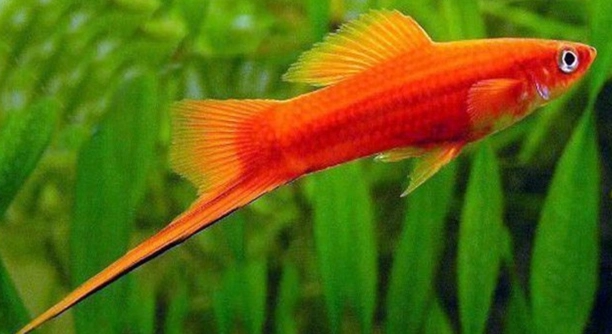
Swordtails are a popular choice for aquarium enthusiasts due to their vibrant colors and active nature. Many people wonder if these fish can thrive alone or if they require companionship for their well-being.
Swordtails are social fish, and while they can survive alone, their overall health and well-being may suffer. In the wild, they live in groups, which helps reduce stress and encourages natural behavior. Without companions, swordtails may become lonely and stressed, which can lead to health problems.
Keeping a swordtail with other fish can provide benefits that improve its quality of life. Understanding the social needs of swordtails ensures they stay happy and healthy in your aquarium.
Why Swordtails Need Companions
Swordtails are social fish that do better in groups. They are naturally found in schools in the wild, where they interact with others to feel secure. Keeping a swordtail alone can lead to stress, which weakens its immune system. Without companionship, swordtails can become lonely, making them more susceptible to disease.
A lone swordtail can show signs of stress, such as hiding or avoiding other fish. These behaviors are linked to their need for social interaction. Without the comfort of other swordtails, they may stop eating or become more aggressive. They may even lose their vibrant color over time, signaling poor health.
Companionship isn’t just about having other swordtails nearby; it’s also about creating an environment where they can thrive. The right tank mates can help reduce stress by offering friendly interactions. This can improve the swordtail’s overall well-being, making them more active and colorful.
What Happens When Swordtails Are Alone
A swordtail without company can struggle emotionally and physically. They may become stressed and less active. Keeping them in isolation isn’t ideal for their health.
Swordtails are not solitary creatures by nature. When kept alone, they can become anxious, which leads to issues like poor appetite and lethargy. Stress is a major factor in weakening their immune systems, increasing their risk of illness. The best way to keep them healthy is by offering them the comfort of other swordtails or compatible fish species. It’s crucial to create a peaceful, balanced aquarium for swordtails to stay vibrant and active.
Can Swordtails Live with Other Fish?
Swordtails can coexist with many other peaceful fish. They are not aggressive by nature, which makes them great tank mates for fish of similar size and temperament. However, it’s important to avoid aggressive species that may harm them.
Fish like guppies, tetras, and platies are good companions for swordtails. These species share similar environmental needs and can peacefully coexist. However, some species, like cichlids, may pose a threat due to their aggressive tendencies. Additionally, when introducing new fish to the tank, ensure the water temperature and pH levels match for everyone’s comfort.
It’s crucial to maintain the right balance in the tank. Adding too many fish at once can overwhelm the swordtail and lead to stress. Ensure there’s enough space for each fish to establish their territory, reducing competition and aggression. By choosing the right companions and monitoring the tank environment, swordtails can live happily alongside other peaceful species.
The Importance of Tank Size for Swordtails
Swordtails need ample space to swim and feel at ease. A cramped tank can cause them stress, leading to poor health. The minimum tank size for a group of swordtails is about 20 gallons, but more space is always better.
The more room they have, the more active and healthy they will be. Swordtails enjoy swimming freely, and they need enough space to establish territories without feeling overcrowded. If the tank is too small, they may become more territorial or stressed, resulting in less vibrant colors and lower activity levels. A larger tank allows for better water circulation and a more balanced environment.
Providing adequate space helps prevent aggression and stress from building up. This is especially important when keeping multiple swordtails or tank mates. A larger tank with plenty of hiding spots and swimming areas encourages natural behaviors, allowing swordtails to thrive. They’ll feel secure, which directly impacts their health and happiness.
How Many Swordtails Should You Keep Together?
It’s best to keep at least three swordtails together. A small group helps them feel secure, reducing stress. Keeping them in a group allows them to engage in natural behaviors like socializing and swimming together, which promotes better health.
A group of swordtails also helps balance the social dynamics. With at least three fish, there’s less chance of one feeling isolated or overly dominant. This setup allows them to interact in a way that mimics their natural environment. A single swordtail in isolation can suffer emotionally and physically, so a group is ideal for their well-being.
Swordtail Behavior with Other Fish Species
Swordtails are generally peaceful fish but can become territorial under certain circumstances. They are more likely to show aggression if they feel overcrowded or if there is insufficient space for everyone. However, in a spacious tank, they tend to get along well with most non-aggressive species.
Swordtails are active swimmers that enjoy being in the middle or top layers of the tank. They tend to avoid bottom-dwelling fish. When sharing a tank, it’s important to ensure there is enough space for each species to establish its territory and avoid stress. This helps maintain a peaceful tank environment for all inhabitants.
Feeding Swordtails with Tank Mates
Swordtails are omnivores and will accept a wide variety of food. When feeding swordtails in a community tank, ensure all fish get their fair share. Since swordtails are fast eaters, some of the slower fish might miss out if not monitored.
It’s best to feed small portions multiple times a day rather than one large feeding session. This reduces waste and ensures that all fish can eat. Offering a balanced diet with high-quality flakes, pellets, and occasional live food keeps swordtails healthy.
FAQ
Can swordtails live alone?
Swordtails can technically survive alone, but it’s not ideal for their well-being. They are social fish that thrive in groups. Without companionship, they may become stressed and show signs of loneliness, such as reduced activity or loss of appetite. Keeping them with other swordtails or peaceful tank mates is recommended to keep them healthy and happy.
Do swordtails need a heater in their tank?
Yes, swordtails need a heater in their tank to maintain a stable water temperature. They thrive in water temperatures between 72°F and 78°F (22°C to 26°C). If the water temperature fluctuates too much, it can cause stress and health problems. A reliable aquarium heater ensures the water stays within the ideal range for swordtails.
Are swordtails hard to take care of?
Swordtails are relatively easy to care for, making them a great option for beginner aquarium owners. They are hardy fish that can adapt to various water conditions. However, they still require a proper-sized tank, clean water, and a stable environment to thrive. Regular water changes and feeding them a balanced diet are essential for their health.
What do swordtails eat?
Swordtails are omnivores, meaning they eat both plant and animal-based foods. They enjoy a varied diet that includes high-quality fish flakes or pellets, live or frozen foods such as brine shrimp or daphnia, and some plant matter like algae or spinach. A well-balanced diet ensures they stay vibrant and healthy.
Can swordtails live with bettas?
Swordtails and bettas can sometimes be kept together, but caution is needed. Bettas are territorial and can be aggressive, especially toward other male fish. Swordtails are peaceful but active swimmers, which could provoke a betta. If keeping them together, ensure the tank is spacious and well-decorated with hiding spots for both species to reduce stress.
Do swordtails need a filter?
Yes, swordtails require a filter to maintain clean and healthy water. They produce waste that can quickly accumulate, leading to poor water quality. A good filter helps remove debris and maintain proper oxygen levels in the tank. Make sure the filter is suitable for the size of the tank and doesn’t create too much current, as swordtails prefer calm water.
How fast do swordtails grow?
Swordtails are relatively fast-growing fish. Depending on their environment, they can reach full size in about 6 to 8 months. Typically, they will grow to around 4 to 5 inches in length. Proper care, including maintaining optimal water conditions and feeding a balanced diet, can support healthy growth.
Can swordtails live with shrimp?
Swordtails can live with shrimp, but there is some risk. Swordtails are active fish, and they may accidentally harm smaller shrimp while swimming. Additionally, swordtails may try to eat baby shrimp if given the chance. However, larger shrimp species like Amano or Cherry shrimp are more likely to coexist peacefully with swordtails.
How often should I feed my swordtail?
Swordtails should be fed once or twice a day. It’s best to offer small portions, as they are fast eaters, and overfeeding can lead to water quality problems. A varied diet of pellets, flakes, and occasional live or frozen foods will keep them healthy. Remove any uneaten food after a few minutes to prevent it from decomposing in the tank.
What size tank do swordtails need?
Swordtails require a minimum tank size of 20 gallons for a small group of 3 to 5 fish. If you plan to keep a larger group or other tank mates, a larger tank is necessary. A 30 to 40-gallon tank is ideal for maintaining a stable environment, providing plenty of swimming space, and reducing stress.
Are swordtails livebearers?
Yes, swordtails are livebearers, which means they give birth to live young instead of laying eggs. Female swordtails can store sperm from males for several months, allowing them to produce multiple batches of fry without needing to mate again. If you don’t want baby swordtails, it’s essential to keep males and females separate or have only one gender in the tank.
Do swordtails need a lot of care?
Swordtails are relatively low-maintenance fish, but they still require regular care. This includes keeping their tank clean, ensuring proper water conditions, and providing a balanced diet. Regular water changes, monitoring water temperature, and checking the filter are essential tasks to keep swordtails healthy and stress-free.
Can swordtails live with goldfish?
Swordtails and goldfish can technically live together, but it’s not the best match. Goldfish prefer cooler water, while swordtails thrive in slightly warmer temperatures. Additionally, goldfish are slower swimmers and may not compete well for food. It’s better to keep swordtails with other tropical fish that share similar water temperature and swimming habits.
Why are my swordtails not breeding?
If your swordtails are not breeding, there could be a few reasons. The tank may not have the right conditions, such as water temperature or pH. Swordtails need a temperature between 72°F and 78°F to breed successfully. Additionally, ensure you have both male and female swordtails, and that they are healthy and well-fed.
How can I tell if my swordtail is pregnant?
Female swordtails become noticeably rounder and fuller when they are pregnant. The gravid spot, a dark area near their abdomen, becomes more pronounced as the pregnancy progresses. If you see these signs, the female is likely carrying fry, which will be born after about 4 weeks. Keep the tank environment stable to reduce stress during this time.
What is the lifespan of a swordtail?
Swordtails typically live for 3 to 5 years in a well-maintained aquarium. Their lifespan can vary depending on water quality, diet, and overall tank conditions. By providing a stable environment with proper care, you can help your swordtails live a full, healthy life.
Do swordtails need light?
Yes, swordtails need light for a healthy aquarium environment. They require a regular day/night cycle to maintain their biological rhythms. A standard light cycle of 10 to 12 hours a day is sufficient. Be sure to turn the lights off at night to provide them with a restful period.
Final Thoughts
Swordtails are relatively low-maintenance fish that can thrive in a well-established aquarium with proper care. They are social creatures that prefer to be kept in groups, as this reduces stress and helps them stay healthy. Whether you choose to keep them alone or with other tank mates, it’s essential to provide a stable environment. This includes maintaining clean water, providing the right temperature, and offering a balanced diet. Swordtails are hardy fish, but like any other species, they will do best when their basic needs are met.
While swordtails are easy to care for, keeping them with the right companions is important. Swordtails are peaceful and can get along with many other species, but they should be kept with fish that share similar water requirements and temperament. Avoid keeping them with aggressive or overly territorial species that could cause stress or harm. A peaceful tank environment, combined with enough space and hiding spots, can lead to a happy, healthy tank with swordtails and their tank mates.
Lastly, understanding the natural behavior of swordtails is key to their care. They are livebearers, meaning they give birth to live young instead of laying eggs. If breeding is not desired, it’s essential to separate males and females or opt for a single-gender group. Keeping swordtails in a community tank can be enjoyable, but regular maintenance and monitoring are necessary for long-term success. When cared for properly, swordtails can live for several years, bringing color and activity to your aquarium.

Hello,
If you enjoy the content that we create, please consider saying a "Thank You!" by leaving a tip.
Every little bit helps us continue crafting quality advice that supports the health, happiness, and well-being of pets around the world, for pets of all shapes, sizes, and species.
We really appreciate the kindness and support that you show us!