
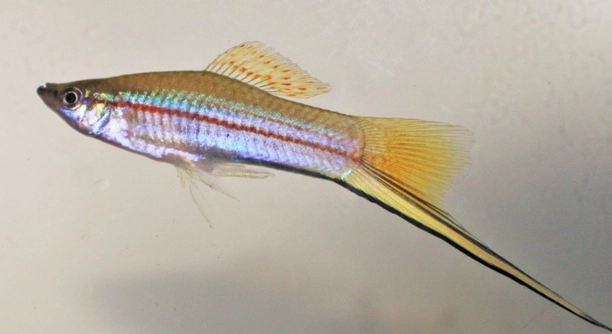
Swordtails are lively and social fish, but sometimes they may isolate themselves. If you notice this behavior, it could be due to various reasons. Understanding why your swordtail is isolating will help ensure its health and well-being.
Swordtails may isolate themselves due to factors such as stress, poor water quality, or illness. They could also be avoiding aggressive tank mates or seeking solitude due to environmental changes. Identifying the cause can help address the issue effectively.
By addressing environmental factors, you can improve your swordtail’s overall quality of life and encourage healthier social behavior.
Stress and Anxiety in Swordtails
Swordtails are naturally social fish but can sometimes become stressed. Changes in their environment, like sudden shifts in water temperature, or overcrowding in the tank, can lead to isolation. If they feel threatened by aggressive tank mates, they may withdraw to find some peace. Stress is a significant factor that can cause swordtails to isolate themselves. Keeping their environment stable and calm is crucial for their well-being.
Water quality plays a huge role in their stress levels. Poor water conditions, such as high ammonia levels, low oxygen, or incorrect pH, can cause discomfort and isolation. Regular water changes and a proper filtration system can make a difference.
Swordtails need a balanced tank environment. Adding plants or hiding spots can help them feel secure. If aggression is the issue, consider adjusting tank mates to ensure peaceful interactions. Maintaining a calm and clean environment will help your swordtail thrive.
Illness and Health Problems
Swordtails might isolate themselves when they’re unwell. Illness often causes them to seek solitude, which is their way of avoiding other fish. Recognizing signs of illness early is key to preventing more serious health problems.
When swordtails are sick, they may exhibit symptoms like faded colors, sluggish movement, or visible lesions. These symptoms can indicate various health issues, such as parasitic infections or internal problems. It’s essential to observe your fish closely and take action promptly. Ensuring proper tank maintenance can help prevent illnesses, but sometimes even well-cared-for fish can fall ill.
Maintaining proper diet and tank conditions plays a significant role in their health. Avoid overfeeding, which can lead to water contamination, and always remove uneaten food promptly. Regular water testing for ammonia, nitrites, and nitrates is important to keep their environment safe. When in doubt, consult with a vet to address any concerns.
Aggressive Tank Mates
Aggressive tank mates can also be a reason for your swordtail isolating itself. Some fish, especially during breeding seasons or territorial disputes, can cause stress by attacking or chasing others. Swordtails, while peaceful in nature, may shy away from tank mates who are too aggressive. This may lead to them isolating themselves to avoid confrontation.
If you suspect aggression is the cause, try rearranging the tank or adding hiding spots to provide more places for your swordtail to retreat. You can also consider separating more aggressive fish to ensure a peaceful environment. Creating a balanced tank setup with peaceful fish will encourage healthy social interactions for your swordtail.
Water Quality Issues
Swordtails can isolate themselves if the water quality in their tank is poor. High levels of ammonia, nitrites, or nitrates can lead to stress, making them seek isolation. Regular water testing and maintenance are key to keeping them healthy and happy.
Ensuring a proper filtration system, maintaining ideal pH levels, and monitoring water temperature are all essential. Swordtails prefer water that is clean and free from toxins. If your swordtail is isolating itself, start by testing the water for imbalances. A well-maintained tank will prevent many health issues and reduce stress.
A water change is often the easiest solution to improve the environment. Regularly clean your tank to remove waste buildup. Swordtails thrive in environments with stable water conditions. A filter that works well will also keep water clear and oxygenated, helping your fish feel more comfortable and less stressed.
Tank Size and Overcrowding
Overcrowding in a tank can cause your swordtail to isolate itself. A small space with too many fish leads to stress, competition for food, and lack of personal space. Swordtails, like all fish, need room to swim and establish their own space.
If your tank is too crowded, your swordtail may feel anxious and retreat. It’s important to ensure you’re providing enough swimming space and that the tank is not overcrowded. A general rule is one inch of fish per gallon of water. By maintaining the right number of fish, your swordtail will have space to interact naturally with others or enjoy solitude when it needs to.
You can also improve the living conditions by adding plants, decorations, or hiding spots. This will create more areas where fish can retreat, reducing stress and encouraging healthy social behavior. Larger tanks are always a better choice to maintain a balanced ecosystem.
Water Temperature Fluctuations
Swordtails are sensitive to changes in water temperature. Rapid fluctuations can cause stress and make them isolate themselves. Keeping the water at a consistent temperature is important for their comfort and overall health.
Ensure your tank has a reliable heater to maintain the right temperature. Swordtails prefer water between 72°F and 82°F. Sudden drops or increases in temperature can lead to illness or stress, causing them to withdraw. Regularly check the water temperature to avoid extremes.
Lighting Conditions
Swordtails also react to light changes. Too much light or too little light can stress them out and lead to isolation. Ensuring a balanced light cycle helps them feel secure.
A consistent 12-hour light and dark cycle is ideal. Overexposure to bright lights can disrupt their behavior, while too much darkness can also cause stress. Avoid placing your tank in direct sunlight or in areas with erratic light exposure.
FAQ
Why is my swordtail staying at the bottom of the tank?
Swordtails that stay at the bottom of the tank may be dealing with stress, illness, or poor water quality. If they are hiding near the substrate or staying still, it could be a sign of discomfort. Check the water parameters first. If the water quality is fine, observe the fish for any signs of illness like faded colors, lesions, or abnormal swimming behavior. Adding hiding spots, plants, or decorations may help them feel secure and reduce the need for isolation.
Can water changes help if my swordtail is isolating itself?
Yes, water changes can often help when a swordtail is isolating itself. Poor water quality is a major stressor for fish, and even small changes can cause them to seek solitude. Regular water changes, ideally 25-30% every week, will keep toxins like ammonia and nitrites in check. This improves the overall environment, reduces stress, and can encourage more active behavior in your fish.
How can I tell if my swordtail is sick?
Sick swordtails may show several signs of illness. Look for changes in their behavior, such as lethargy, difficulty swimming, or staying isolated. Physical signs like faded colors, lesions, fins clamped to the body, or irregular breathing are also indicators. If your swordtail exhibits these symptoms, separate it from the other fish to prevent the spread of disease, and start treating the water accordingly.
Is it normal for swordtails to hide sometimes?
Yes, it’s normal for swordtails to seek hiding spots occasionally. Like many fish, swordtails need time to rest, especially after periods of social interaction or feeding. However, if the hiding behavior becomes excessive and the fish is not responding to food or appears unhealthy, it may be a sign of stress or illness.
Do swordtails get lonely if kept alone?
Swordtails are social fish and generally do better when kept in pairs or small groups. Keeping a swordtail alone can lead to stress and potential isolation. It is recommended to house them with other peaceful fish or at least keep them with a mate to encourage natural social behavior and reduce loneliness.
Can a swordtail get stressed by tank mates?
Yes, aggressive tank mates can stress out a swordtail, causing it to isolate itself. Swordtails are peaceful and may become shy or anxious when surrounded by more aggressive fish. If aggression is the issue, consider moving more aggressive species or adding more hiding spots in the tank to create a safe environment for your swordtail.
Should I separate my swordtail if it’s isolating?
It depends on the cause. If your swordtail is isolating due to stress from other fish, consider separating it or rearranging the tank to reduce aggression. However, if isolation is due to illness, it’s best to quarantine the fish in a separate tank to prevent further spread of disease. Ensure the water quality in the quarantine tank is optimal.
What can I do to make my swordtail feel more comfortable?
Creating a calm and secure environment is key to making your swordtail feel comfortable. Provide hiding spots, plants, and decorations to help them feel safe. Maintain stable water temperature, good water quality, and ensure that the tank isn’t overcrowded. Also, avoid introducing overly aggressive fish that could cause stress.
Do swordtails need specific water conditions?
Yes, swordtails require specific water conditions to thrive. They prefer slightly acidic to neutral water, with a pH between 7.0 and 8.0. The water temperature should be between 72°F and 82°F. Ensure that the water is clean, well-filtered, and free from toxins. Regular water changes are crucial for maintaining a healthy environment.
How can I improve my swordtail’s environment?
Improving your swordtail’s environment starts with water quality. Regular water testing and changes are crucial. Add live plants, driftwood, or rocks to give your swordtail hiding spots. Avoid overcrowding, and ensure that other fish in the tank are compatible. A calm, well-balanced tank environment will reduce stress and encourage healthy behavior.
Can I introduce new fish to a tank with a swordtail?
Yes, but it’s important to introduce new fish carefully. Swordtails are peaceful, so choose compatible tank mates that are not overly aggressive. When adding new fish, do so gradually to avoid stressing the swordtail with sudden changes. Quarantining new fish before introducing them to the main tank is also a good practice to avoid spreading any diseases.
What type of food should I feed my swordtail?
Swordtails are omnivores, meaning they eat both plant and animal matter. A balanced diet is essential for their health. Feed them a variety of high-quality pellets, flakes, and occasional live or frozen foods like brine shrimp or bloodworms. Offering vegetables such as blanched spinach or zucchini can also be beneficial for their diet.
Do swordtails breed easily in a community tank?
Yes, swordtails breed easily in community tanks. They are livebearers, meaning they give birth to live young rather than laying eggs. However, in a community tank, other fish may eat the fry, so it’s a good idea to provide hiding spots for them or move pregnant females to a separate breeding tank if you want to raise the young.
How often should I check the water quality in my swordtail tank?
It’s important to check the water quality regularly, at least once a week. Test for ammonia, nitrites, nitrates, pH, and water temperature. Even if the water looks clear, hidden toxins can still be present. Regular water changes and filter maintenance help to keep the tank clean and prevent stress-related issues.
Can swordtails live with other species of fish?
Yes, swordtails are peaceful and can live with a variety of other fish species. Choose tank mates that share similar water and temperature requirements and are not aggressive. Avoid housing swordtails with fin-nippers or overly aggressive species. Peaceful community fish like tetras, mollies, and guppies make great companions.
How long can swordtails live?
Swordtails typically live for about 3 to 5 years if properly cared for. Their lifespan can be affected by factors such as water quality, diet, and tank conditions. Keeping their environment clean, providing a balanced diet, and avoiding stressors will help extend their life expectancy.
What should I do if my swordtail’s fins are clamped?
Clamped fins can indicate stress, illness, or poor water quality. Start by checking the water conditions, especially ammonia and nitrite levels. If the water quality is fine, observe your swordtail for other symptoms of illness, like faded colors or abnormal swimming. If necessary, treat the fish with medication or move it to a quarantine tank.
Final Thoughts
Swordtails are generally hardy fish, but they can experience stress and isolation for various reasons. Understanding the factors that lead to this behavior is crucial for providing a healthy and comfortable environment. By maintaining optimal water quality, a stable temperature, and a balanced diet, you can ensure your swordtail’s well-being. Monitoring their behavior and making necessary changes can prevent isolation, which can often be a sign of underlying issues.
Stress is one of the most common reasons swordtails may isolate themselves. Factors like aggressive tank mates, poor water conditions, or sudden changes in the environment can contribute to their discomfort. If your swordtail is isolating itself, take a closer look at the tank conditions and assess whether any changes could be made to reduce stress. Adding hiding spots or ensuring the tank is not overcrowded can also help make them feel more secure. If the issue persists, check for signs of illness and consider consulting an aquarium specialist for further advice.
Finally, it’s important to remember that swordtails are social creatures. While they may seek solitude occasionally, consistent isolation is a red flag. Providing a peaceful environment with compatible tank mates is essential for their mental and physical health. By understanding the factors that contribute to isolation and addressing them accordingly, you’ll create a more harmonious aquarium for your swordtail and its tank mates. Proper care, attention to detail, and regular maintenance are the keys to ensuring your swordtail remains active and healthy.

Hello,
If you enjoy the content that we create, please consider saying a "Thank You!" by leaving a tip.
Every little bit helps us continue crafting quality advice that supports the health, happiness, and well-being of pets around the world, for pets of all shapes, sizes, and species.
We really appreciate the kindness and support that you show us!