
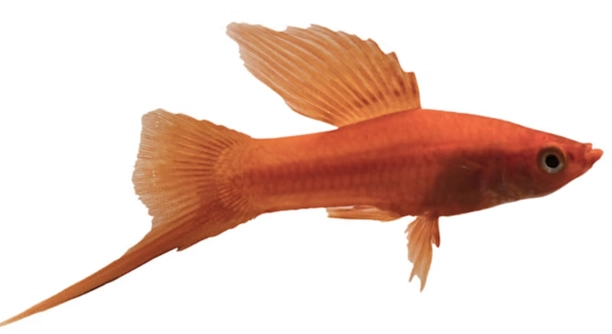
Swordtail fish are known for their lively personalities and vibrant colors, but it can be frustrating when they refuse to eat pellets. Understanding the reasons behind this behavior is key to ensuring your fish stays healthy and happy.
There are several reasons your swordtail may not be eating pellets, including water quality issues, stress, or an unappealing food texture. Swordtails are also notorious for being picky eaters, preferring live food or smaller pellet sizes.
By recognizing the underlying causes, you can take the necessary steps to address the issue and help your swordtail get back on track with its diet.
Water Quality Issues
Water quality plays a major role in a swordtail’s eating habits. If the water is too dirty or the parameters are off, your fish may refuse to eat. Swordtails are sensitive to changes in water temperature, pH, and ammonia levels. Poor water conditions can cause stress, affecting their appetite.
Swordtails require clean water with proper filtration. If your aquarium’s water is cloudy or has high levels of ammonia or nitrites, it can cause discomfort for the fish. This discomfort might result in them avoiding food. Regular water changes, testing, and proper filtration can help maintain optimal water conditions for your swordtail to feel comfortable and eat properly.
Once the water quality improves, you should notice your swordtail returning to its regular feeding habits. A water conditioner or treatment may be necessary if ammonia or nitrite levels are high. Ensuring your fish has a safe, clean environment will help restore its appetite and overall health.
Stress from Tankmates
Swordtails, like many fish, are social but sensitive to stress, especially from aggressive or overly active tankmates. If your swordtail is sharing its tank with more dominant or territorial fish, it may become stressed, causing it to avoid eating. Stress can suppress a fish’s desire to eat, making it more likely to hide or act skittish.
If there’s aggression in your tank, the swordtail may feel threatened and avoid its food to stay hidden. It’s important to observe the behavior of other fish to identify if any are bullying the swordtail. If this is the case, you may need to separate aggressive tankmates or rearrange the tank layout to provide more hiding spaces for your swordtail.
In some cases, stress caused by tankmates can lead to long-term health issues if not addressed. Reducing tankmate aggression and ensuring enough space for each fish can help your swordtail feel secure and resume its normal eating habits.
Improper Pellet Size
Swordtails can be picky about the size of the pellets. If the pellets are too large, they may struggle to eat them. This is especially true for younger or smaller swordtails, as they prefer smaller, bite-sized pieces. Offering the right size of food will help encourage them to eat.
Pellets that are too large can be difficult for your swordtail to bite or swallow. It may leave the food floating around in the tank, untouched. To solve this, try offering smaller pellets or breaking larger ones into pieces. Swordtails also seem to prefer sinking pellets over floating ones, as they mimic the behavior of natural food.
You can also try experimenting with different pellet textures. Some swordtails may prefer softer or more digestible pellets. Offering a variety of sizes and textures will ensure your fish has the best chance of finding a food it’s willing to eat.
Water Temperature
Swordtails are tropical fish that prefer stable, warm water temperatures. If the water is too cold or fluctuates frequently, your fish may become stressed and refuse to eat. Keeping the water temperature between 72-82°F (22-28°C) is ideal for maintaining healthy swordtails.
Sudden temperature changes, such as rapid cooling or warming, can make swordtails uneasy, affecting their digestion and feeding. In addition to keeping the temperature stable, invest in a reliable heater to prevent any sudden shifts. Swordtails are more likely to eat when they are comfortable in their environment.
If the water temperature is too low, swordtails may enter a state of dormancy, reducing their appetite. Maintaining the proper temperature not only encourages eating but also supports their immune system and overall health, helping to prevent other related issues.
Overfeeding
Overfeeding can lead to a swordtail ignoring pellets. If they are given too much food, they may not feel hungry enough to eat their pellets. This can also lead to poor water quality, which can further discourage eating. Be mindful of portion sizes to avoid overfeeding.
When you overfeed, leftover food can pollute the water, making it less appealing for your swordtail to eat. This can also cause stress, as the fish may struggle to swim through dirty water. A regular feeding schedule and portion control can help prevent overfeeding and encourage your swordtail to eat its pellets.
Offering smaller, more frequent meals may help to keep your swordtail’s appetite active. If overfeeding continues, you may notice your swordtail becoming lethargic or refusing to eat altogether. Cutting back on food and maintaining a cleaner tank will encourage healthy feeding habits.
Pellet Freshness
Pellets lose their appeal when they’re old or stale. If you’ve had the same bag of pellets for a while, they may not be as enticing to your swordtail. Old pellets can lose their flavor and nutritional value, which could be why your fish isn’t eating them.
Make sure to store pellets in a cool, dry place to keep them fresh. Over time, exposure to air can cause them to become less palatable. Swordtails can be sensitive to this, and stale pellets might not smell or taste right, leading to your fish avoiding them altogether.
Check the expiration date on the packaging, and avoid buying pellets in large quantities if you don’t plan to use them quickly. Keeping your food fresh will help maintain your swordtail’s interest in eating pellets.
Incorrect Diet Balance
Swordtails need a balanced diet to thrive, and if their meals lack variety or proper nutrients, they may avoid eating pellets. Fish that don’t get enough vitamins or minerals may be picky with their food. This could be why your swordtail is turning down pellets.
A varied diet that includes live or frozen food along with pellets will help encourage your swordtail to eat. Mixing in different food types will keep your fish interested and provide the necessary nutrition it needs. Lack of variety in its diet could cause it to refuse pellets entirely.
If you find your swordtail consistently rejecting pellets, try adding different types of food to its meals. This will help ensure your fish gets all the nutrients it requires and encourage it to eat.
FAQ
Why is my swordtail ignoring pellets?
Swordtails can ignore pellets for a few reasons. It could be related to water quality, pellet size, or even the temperature of the water. Poor water conditions, like high ammonia levels or fluctuating temperatures, can make your swordtail feel stressed or uncomfortable, leading it to avoid eating. It’s important to ensure the tank is clean, the water is at the right temperature (72-82°F), and the pellets are an appropriate size for your fish.
Can my swordtail eat too many pellets?
Yes, overfeeding your swordtail can cause them to ignore pellets. If your fish is consistently given too much food, they may not feel hungry enough to eat their pellets. Overfeeding also leads to poor water quality as leftover food breaks down and pollutes the tank. It’s best to feed your swordtail small amounts two to three times a day, ensuring they have time to eat everything.
How can I encourage my swordtail to eat pellets?
To encourage your swordtail to eat pellets, try a few different strategies. Start by making sure the pellets are the correct size for your fish. If the pellets are too large, your swordtail might have trouble eating them. Also, try mixing pellets with live or frozen food. This can make the meal more appealing and encourage your swordtail to eat pellets more regularly.
Should I try different types of pellets for my swordtail?
Yes, offering a variety of pellet types can help. Swordtails can be picky eaters, and some may prefer sinking pellets over floating ones. Experiment with different textures or brands of pellets to find one that appeals to your swordtail. You can also try pellets designed for livebearers, as they may be more attractive to your fish.
Can stress cause my swordtail to stop eating?
Yes, stress is a major factor in a swordtail’s refusal to eat. Fish can become stressed from aggressive tankmates, poor water conditions, or even changes in their environment. If your swordtail is being bullied or feels threatened, it may refuse to eat. Similarly, fluctuations in water temperature or water quality can cause stress. Reducing stress in your tank can encourage your swordtail to eat more regularly.
What if my swordtail is just picky with food?
Swordtails can be particular about their food, and if they’re used to eating live or frozen food, they may not readily accept pellets. Try offering smaller amounts of pellets at first and gradually mix in live or frozen food. Swordtails are opportunistic feeders, so they may eventually get used to the pellet texture and size.
Are there any health issues that might cause my swordtail to avoid pellets?
Health issues like internal parasites or digestive problems can make your swordtail lose its appetite. If your swordtail suddenly stops eating and appears lethargic or has unusual behavior, it’s best to check for signs of illness. You can consult a veterinarian or aquatic specialist if you suspect a health issue.
How do I know if I’m feeding my swordtail the right amount?
The right amount of food is typically what your swordtail can consume in 2-3 minutes. Overfeeding can lead to uneaten food polluting the water, while underfeeding may cause your fish to be undernourished. If there’s leftover food after a few minutes, it’s best to remove it to maintain water quality.
Why does my swordtail only eat live food?
Swordtails are natural carnivores that thrive on a diet of live food in their natural habitat. Live food like brine shrimp or worms provides the movement and texture that swordtails find more enticing than pellets. While it’s fine to offer live food, it’s important to balance it with other types of food to ensure proper nutrition.
Can I switch my swordtail completely to pellets?
It’s possible to transition your swordtail to a pellet-only diet, but it may take time. Start by mixing small amounts of pellets with live food and gradually increase the proportion of pellets over time. This slow transition allows your swordtail to adjust to the change without becoming overly stressed.
Should I be concerned if my swordtail is not eating for a few days?
If your swordtail hasn’t eaten for a few days but is still active and swimming normally, it might not be a cause for immediate concern. Swordtails can go without food for a short period. However, if your fish appears lethargic or loses weight, it’s important to address the issue promptly. It could indicate a health problem or environmental stress.
How often should I change the water to help my swordtail eat?
Changing the water regularly is important for maintaining a healthy environment for your swordtail. A 25-30% water change every week is recommended to keep ammonia, nitrite, and nitrate levels in check. Clean water encourages healthy feeding behavior and helps your swordtail stay comfortable in its tank.
Is there any special food I should give my swordtail?
In addition to pellets, swordtails can benefit from a variety of foods, including live or frozen brine shrimp, daphnia, and bloodworms. These types of food mimic what they would eat in the wild and can make your swordtail more interested in eating. Offering a balanced mix will help provide the necessary nutrients.
Can I feed my swordtail vegetables?
Yes, swordtails can eat vegetables, but they should be offered in moderation. You can try feeding them blanched spinach, zucchini, or peas. Vegetables are a good source of fiber and nutrients, but they shouldn’t replace their primary protein-based diet. A varied diet with a mix of pellets, vegetables, and live food is ideal.
Final Thoughts
Understanding why your swordtail won’t eat pellets can involve several factors, including overfeeding, water quality, or even the type of food offered. Swordtails, like many fish, can be particular about their food, and it’s important to keep track of their behavior and diet. Paying attention to the environment, such as keeping the water clean and maintaining proper temperature, will go a long way in ensuring your fish remains healthy and willing to eat. It’s also important to offer a variety of foods to avoid your swordtail becoming too reliant on one source of nutrition. While pellets are an easy option, diversifying their meals helps encourage a balanced diet and prevents them from becoming picky eaters.
If your swordtail is not eating pellets, it may simply be a matter of patience. Over time, fish can adapt to a new feeding routine, especially if the pellets are offered in small amounts and mixed with other types of food. Remember that swordtails, in particular, are opportunistic feeders, so their diet should include a mix of protein, fiber, and fats. If you’re having trouble getting your swordtail to eat pellets, try adjusting the type of food or making small changes to the feeding schedule. Some swordtails may prefer sinking pellets over floating ones or might be more interested in specific brands. Finding the right combination of food types can often make a difference in how your fish reacts to its meals.
Maintaining a healthy feeding routine for your swordtail requires monitoring both their food intake and water quality. Healthy, clean water is essential for encouraging eating habits. If water conditions are poor, your swordtail may be stressed and reluctant to eat. In such cases, adjusting the water’s temperature, pH level, and cleaning the tank regularly can help resolve the issue. Always remember that fish, like any pet, require a balanced environment to thrive. Keep these factors in mind, and over time, your swordtail should begin eating pellets with ease. If issues persist, consider consulting an expert to ensure that your fish’s needs are fully met.

Hello,
If you enjoy the content that we create, please consider saying a "Thank You!" by leaving a tip.
Every little bit helps us continue crafting quality advice that supports the health, happiness, and well-being of pets around the world, for pets of all shapes, sizes, and species.
We really appreciate the kindness and support that you show us!