
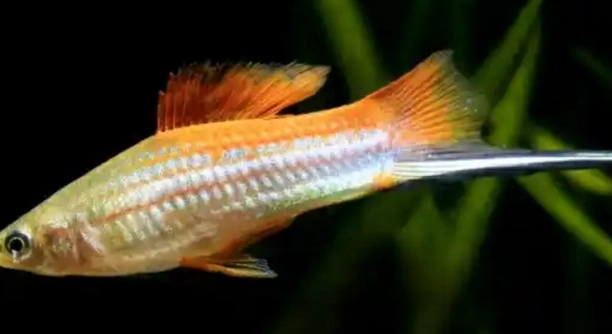
Bloated swordtail fish can be a concerning sight for any fish owner. Knowing the causes behind this condition is essential for maintaining a healthy aquarium environment. In this article, we’ll cover the most common reasons for bloating.
The primary causes of bloated swordtail fish often include poor water quality, overfeeding, constipation, parasites, swim bladder issues, and even stress. Addressing these factors promptly can improve your fish’s health and prevent further complications.
By understanding the causes behind bloating, you can take steps to help your swordtail fish feel better. Keep reading to learn more.
Poor Water Quality
The water in your tank plays a major role in your fish’s health. If it’s not kept clean, it can lead to various problems, including bloating. Swordtail fish are especially sensitive to ammonia, nitrites, and nitrates. High levels of these substances can cause stress and affect their digestion. A poor water environment can also weaken their immune system, making them more vulnerable to illnesses that may cause bloating.
Regular water changes are essential to prevent these issues. Make sure to test the water frequently and maintain proper filtration to keep the tank clean. Swordtail fish thrive in stable water conditions, so investing in a good water testing kit and monitoring the water regularly is key.
To keep your fish healthy, it’s important to maintain a balanced tank. Ensure the water temperature and pH levels stay within the recommended range, as these factors also influence their overall health.
Overfeeding
Overfeeding your swordtail fish can lead to a range of problems, including bloating. When fish consume too much food, they may not be able to properly digest it, resulting in constipation and a swollen belly. This issue can worsen if leftover food is left in the tank, as it degrades the water quality.
To avoid overfeeding, provide small portions of food that your fish can consume within a few minutes. Avoid feeding them more than once or twice a day, depending on their size and activity level. You’ll notice that your swordtails will appear healthier with this feeding schedule.
Pay attention to your fish’s eating habits, and try to avoid overfeeding them. Keeping their diet balanced is crucial to prevent bloating.
Constipation
If your swordtail fish seems bloated, constipation might be the cause. When they eat too much or consume food that’s difficult to digest, they can become constipated. This can lead to swelling in the abdomen. It’s important to monitor their diet and avoid feeding them foods that could contribute to this problem, such as dry flakes or pellets.
To treat constipation, try offering your swordtail fish a cooked, peeled pea. This can help relieve the blockage. You can also fast them for a day or two to give their digestive system a break and encourage normal bowel movements.
For long-term prevention, ensure your fish have a varied diet. Include both plant-based foods and protein sources. Offering high-fiber options can help prevent constipation and keep their digestive system functioning properly.
Parasites
Parasites are another common reason swordtail fish may bloat. External parasites like ich or internal parasites such as worms can cause digestive issues and lead to swelling. These parasites can affect your fish’s appetite and overall health, making it harder for them to digest food.
If you notice other signs like lethargy, discoloration, or strange behavior, it’s worth checking for parasites. Treatment typically involves medicating the tank with anti-parasitic treatments. It’s essential to follow the instructions carefully to ensure the effectiveness of the treatment.
Regularly cleaning the tank and quarantining new fish can help prevent parasite infestations. Make sure to provide a stable and clean environment to reduce the chances of parasite-related bloating.
Swim Bladder Disorder
Swim bladder disorder is another common cause of bloating in swordtail fish. This condition affects the fish’s ability to regulate its buoyancy, leading to abnormal swimming behavior and bloating. It may occur due to injury, poor water quality, or an underlying infection.
If you notice your swordtail fish having difficulty swimming or staying at the bottom or top of the tank, swim bladder disorder could be the cause. Treatment varies depending on the underlying issue, but fasting the fish or offering a pea may help. In some cases, medication may be necessary.
To prevent swim bladder issues, maintain clean water and avoid overfeeding, which can contribute to digestive problems.
Stress
Stress is another factor that can contribute to bloating in swordtail fish. Environmental changes, such as fluctuations in water temperature or sudden changes in tank mates, can cause stress. Stress weakens the fish’s immune system, making them more prone to diseases and bloating.
Ensure the tank environment is stable and peaceful. Avoid overcrowding, and provide hiding spots for your fish to reduce stress. Maintaining consistent water conditions will help prevent stress and the health issues that come with it.
Infections
Infections, both internal and external, can lead to bloating in swordtail fish. Bacterial or fungal infections can cause inflammation in the fish’s digestive system, leading to swelling. If left untreated, infections can become serious and cause long-term harm to your fish.
It’s important to monitor your fish for signs of infection, such as discoloration, lesions, or unusual behavior. Treating infections early with appropriate medications can help restore your fish’s health. Regular water changes and a stable environment also reduce the risk of infections.
FAQ
What should I do if my swordtail fish is bloated?
If your swordtail fish is bloated, the first step is to check the water quality. Test for ammonia, nitrites, and nitrates to ensure the environment is safe. If the water quality is good, try adjusting their diet by offering high-fiber foods like peas. If the bloating persists, observe the fish for other symptoms of illness such as lethargy or discoloration. If these signs appear, consider treating for parasites or infections.
How often should I change the water in my swordtail tank?
Changing the water regularly is crucial for maintaining a healthy tank. For optimal water quality, aim to do a partial water change of about 25-30% once a week. This will help prevent a buildup of harmful chemicals and keep your swordtail fish in good health.
Can overfeeding cause bloating in swordtail fish?
Yes, overfeeding can cause bloating in swordtail fish. When fish eat more food than they can digest, it can lead to constipation and swelling. It’s essential to feed your fish only what they can consume in a few minutes. Avoid leaving uneaten food in the tank, as it can also affect water quality.
How can I prevent swim bladder disorder in swordtail fish?
Preventing swim bladder disorder involves maintaining a clean and stable tank environment. Avoid overfeeding and provide a balanced diet to prevent digestive issues. If you notice signs of swim bladder disorder, try fasting your fish for a few days or offering a cooked pea to help with digestion. If the problem continues, consider seeking veterinary advice.
What are the signs that my swordtail fish has parasites?
Signs of parasites in swordtail fish include bloating, discoloration, lethargy, and abnormal swimming patterns. If your fish is scratching against objects or showing signs of distress, parasites could be the cause. It’s important to quarantine any new fish before adding them to your main tank to prevent spreading parasites.
How can I treat parasites in swordtail fish?
Treating parasites usually involves medicating the tank with an anti-parasitic treatment. Follow the instructions on the medication carefully, as incorrect dosing can harm your fish. Additionally, increase water changes and ensure your tank is clean and stable during the treatment process to help prevent further infections.
Is it normal for swordtail fish to be bloated after giving birth?
Yes, it’s normal for female swordtail fish to appear bloated after giving birth. The swelling usually goes down after a few days. However, if the bloating persists or worsens, it could be a sign of other issues like constipation or an infection. Keep an eye on the fish and adjust her care accordingly.
Can stress cause bloating in swordtail fish?
Stress can contribute to bloating in swordtail fish by weakening their immune system, making them more susceptible to illnesses and digestive issues. Ensure your fish are not overcrowded, maintain a stable water temperature, and minimize any sudden changes to the tank environment. Stress reduction is key to their health.
How can I tell if my swordtail fish has an infection?
Infections in swordtail fish can manifest as bloating, abnormal swimming behavior, skin lesions, or a loss of appetite. Look for changes in color or unusual growths on the body. If you notice any of these signs, it’s important to start treatment promptly to prevent the infection from spreading.
How do I treat constipation in swordtail fish?
To treat constipation in swordtail fish, you can fast them for a day or two to give their digestive system a break. After that, offer a cooked, peeled pea to help relieve the blockage. If the fish continues to show signs of constipation, consider adjusting its diet or consulting a veterinarian.
Final Thoughts
Bloating in swordtail fish can be caused by a variety of factors, such as poor water quality, overfeeding, constipation, parasites, swim bladder issues, and stress. Understanding these causes is key to helping your fish recover and ensuring their overall health. By regularly checking water parameters and offering a balanced diet, you can prevent many of the common causes of bloating. It’s also important to create a stress-free environment by providing ample space, hiding spots, and stable water conditions. Healthy swordtails require consistency, so regular monitoring and maintenance will go a long way in keeping them happy and thriving.
If you notice your swordtail fish bloating, the first thing you should do is check the water quality. Poor water conditions can lead to stress and health problems, so keeping the tank clean and well-maintained is essential. Regular water changes, proper filtration, and testing the water for harmful chemicals like ammonia and nitrites should be part of your routine care. Beyond water quality, make sure your swordtail’s diet is appropriate. Overfeeding or offering food that’s difficult to digest can result in constipation and bloating. Offering a variety of foods, including high-fiber options like peas, can help keep their digestive system working properly.
Ultimately, taking proactive steps to maintain a healthy tank environment, providing a balanced diet, and being mindful of stress factors can prevent most cases of bloating. If bloating does occur, it’s important to address the issue quickly. In some cases, medication for parasites or infections may be necessary. If the problem persists despite your best efforts, consulting an experienced aquarist or veterinarian can help identify the root cause and find the best solution for your swordtail fish.

Hello,
If you enjoy the content that we create, please consider saying a "Thank You!" by leaving a tip.
Every little bit helps us continue crafting quality advice that supports the health, happiness, and well-being of pets around the world, for pets of all shapes, sizes, and species.
We really appreciate the kindness and support that you show us!