
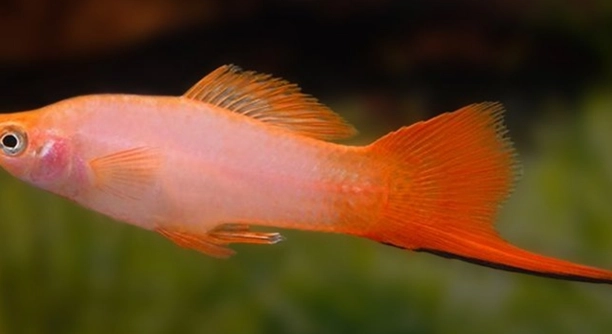
Have you ever watched your swordtails swim to the top the moment you walk by, as if they already know it’s feeding time?
Swordtails can learn feeding schedules through routine and environmental cues. Over time, they begin to associate consistent actions, such as light changes or movement near the tank, with feeding, responding with anticipatory behavior.
Understanding how swordtails adapt to routines may help you better manage their care and strengthen your bond with them.
How Swordtails Recognize Patterns
Swordtails are smart in simple ways. When they live in a consistent environment, they start to notice small patterns. If you feed them at the same time every day, they begin to expect it. Movements near the tank, changes in lighting, or even sounds can become feeding signals. These fish use routine to feel secure. Once they recognize a pattern, they respond quickly. This can look like swimming near the surface or gathering in one spot. It doesn’t take long before they match certain actions with mealtime. This behavior is not about memory like humans have, but more about repeated association. Even simple changes, like feeding from the same spot or using the same motion to open the tank lid, become important signals. These patterns help swordtails feel stable in their environment and respond more clearly to their caretakers.
It may feel surprising, but swordtails can adjust their habits when the same things happen each day.
Consistency helps reduce stress in swordtails and makes feeding time smoother. When they learn what to expect, they show more confidence. This often leads to healthier eating and less competition between tank mates. It can also help reduce aggressive behavior, especially in smaller tanks. Feeding schedules aren’t just about food; they influence the whole environment. Fish that learn routine often show more relaxed swimming and spend less time hiding. If you ever notice your swordtails getting more active around certain times, it may be because they’ve already made the connection. Even though they don’t think like people, their instincts allow them to respond in simple but impressive ways.
When Feeding Schedules Change
Changing feeding times can cause confusion. Swordtails may seem restless or stay near the surface longer than usual, waiting for food.
Shifting feeding schedules too often can impact how swordtails behave and eat. When the timing is irregular, some fish may get more aggressive, trying to get food quickly when it’s available. Others might start ignoring food altogether due to stress or confusion. This doesn’t mean swordtails are upset in a human sense, but their behavior reflects discomfort. If the schedule must change, it’s better to adjust it gradually. For example, shift feeding time by 15–20 minutes over several days rather than making sudden changes. This gives them time to adjust and keeps their environment more stable. Predictability helps them stay calm, and a calm fish is often a healthy one. If you notice changes like slower swimming or hiding, it may be tied to the new feeding routine. Always watch closely after any schedule change.
How Long It Takes to Learn
Most swordtails begin to show signs of learning within a few days of consistent feeding. They may gather near the top of the tank or become more active right before their usual feeding time.
After about three to five days of routine, swordtails often recognize their new schedule. This early learning shows up through faster response to your presence and more focused movement when it’s time to eat. Over the next week, they usually become even more consistent, showing up at the same spot or reacting to subtle cues. If the routine stays the same, their behavior becomes more predictable. Repeating the same steps daily—like opening the tank lid or feeding from a specific corner—can strengthen their association. Although individual fish may respond at different speeds, most will adapt within one to two weeks, especially in a quiet and stable environment.
Some swordtails may need extra time to adjust, especially if they’ve been recently moved or are still getting used to the tank. Environmental stress, new tank mates, or changes in lighting can delay how quickly they learn. That said, even slower learners often pick up the routine after about two weeks of repetition. If you feed twice a day at regular intervals, they may adapt faster. Watching for signs like hovering near the top or following your movement can help confirm they’ve learned the pattern. Try to limit changes during this period, as consistency is key. Once they’ve learned the schedule, swordtails become more relaxed and their feeding behavior becomes smoother and more organized.
Tools That Can Help
A consistent feeding spot helps swordtails make quicker associations. Using the same container, movement, or light pattern before feeding can support this learning process.
Automatic feeders are a useful tool if your schedule is unpredictable. They deliver food at the same time each day, which gives swordtails a steady routine even if you’re away. These feeders work well with dry flakes or pellets and can be set to release food once or twice a day. Combining an automatic feeder with visual or environmental cues, like turning on the tank light at the same time, helps reinforce the pattern. Manual feeding works too, but consistency in timing and behavior is what matters most. If you prefer to feed by hand, using the same actions—like tapping the tank or opening the lid the same way—can help them link your presence with food. This process doesn’t require advanced tools, just steady repetition and awareness.
Signs Your Swordtails Have Learned
If your swordtails gather near the surface before feeding time or follow your hand, they’ve likely connected your actions with food. These signs show they expect food based on what they’ve observed over time.
You might also notice them swimming with more energy or crowding a specific spot when it’s time to eat. This behavior means they’ve picked up on your routine and are ready.
When Things Don’t Go as Expected
Sometimes swordtails may not respond to a schedule right away. This can happen if they’re stressed, new to the tank, or if the environment keeps changing. Watch for signs like hiding, slow movement, or ignoring food. These may point to discomfort, not stubbornness. Try to keep feeding times and conditions steady. Using the same cues each day can help reinforce the pattern. If one fish learns faster than the others, it may influence the group’s behavior. Don’t rush the process. Even slow learners can catch on with time and patience. Adjust slowly and avoid big changes while they adapt.
Can All Swordtails Learn?
Most healthy swordtails can learn feeding schedules. Younger fish may adapt more quickly, but older ones are still capable if the routine stays the same.
FAQ
Can swordtails remember feeding times?
Swordtails don’t remember time the way humans do, but they recognize patterns. If you feed them at the same hour daily, they’ll start to anticipate it. Their memory works through repetition. When something happens often and in the same way, they begin to expect it. This is why some swordtails swim to the top or front of the tank around the usual feeding time. They’re responding to the rhythm they’ve learned, not the actual clock. It’s more about habit than memory, but the effect is still clear and reliable with routine.
What happens if I forget to feed them on time?
Missing one feeding usually isn’t harmful, especially if your swordtails are healthy. But if the schedule changes often or feedings are skipped regularly, it can lead to stress. You might see changes like sluggish swimming, hiding, or less interest in food. Fish that are used to routine rely on it to feel safe. Skipping meals too often can also lead to food competition or aggression. Try to feed around the same time each day. If you’re busy, automatic feeders can help maintain consistency, even when you’re away or on a different schedule.
Do swordtails show different behavior before feeding?
Yes, many swordtails become more active just before feeding time. You might see them swimming faster, moving to the surface, or waiting near their usual feeding spot. Some will even follow your hand if you approach the tank. These actions show they’ve connected your presence or certain sounds with food. It’s common for fish to recognize patterns like tank lid movements, footsteps, or light changes. Each of these cues becomes part of their learned routine, and over time, swordtails react more quickly to them.
Can other fish in the tank affect swordtails’ learning?
Definitely. If there are faster or more dominant fish in the tank, swordtails might struggle to stick to a feeding pattern. Competition can cause stress and even stop them from eating properly. If swordtails feel threatened or rushed, they focus more on avoiding conflict than on learning cues. You can reduce this problem by spreading food across the tank or using floating feeders to give them better access. A calm and fair feeding environment helps them focus on learning instead of survival.
Is it better to feed swordtails once or twice a day?
Feeding swordtails once or twice a day works fine, as long as it’s consistent. Twice a day might be better for active fish or if your tank has young swordtails. It gives them smaller, more manageable meals and helps maintain energy levels. The key is to not overfeed. Whether once or twice, the timing should stay the same every day. Swordtails don’t need variety in timing—they prefer predictable routines. If you choose twice a day, space the meals evenly and feed the same amount each time to keep things balanced.
How long does it take swordtails to learn a schedule?
Most swordtails can learn a basic feeding schedule within a few days to a couple of weeks. It depends on how consistent you are and how calm their environment is. Younger fish may catch on quicker. If the routine is steady and signals are repeated daily, they’ll usually begin to respond in less than a week. Avoid changing too many things at once. Keeping lights, sounds, and feeding cues the same helps build a strong connection. Once they’ve learned the pattern, they often stick to it for a long time.
What if my swordtails still don’t seem to get it?
Some swordtails take longer to adjust, especially if they’ve had stress or moved tanks recently. Give them time and keep everything as consistent as possible. Avoid switching lights or feeding spots while they’re still learning. It may also help to reduce distractions during feeding, like sudden movement or loud noises. If other fish are interfering, try separating feeding zones to give your swordtails space. Stick with the routine, and they’ll likely catch on. If weeks go by with no change, check tank conditions like water quality, as that can also affect behavior.
Final Thoughts
Swordtails are simple fish, but they can still notice patterns in their daily lives. When feeding happens at the same time each day, they begin to expect it. They watch for small cues like the tank lid opening, your hand reaching in, or lights turning on. These actions become signals that food is coming. Over time, swordtails connect those actions with feeding, and they respond by swimming to the top or becoming more active. This behavior shows that they’ve learned a routine. Even though they don’t think like humans, they use repetition to understand their environment.
Feeding schedules help more than just teaching habits. A regular routine can reduce stress and make your fish feel safer. When swordtails know what to expect, they move calmly and eat better. This is important in tanks with multiple fish, where competition for food can create problems. If your fish are getting too aggressive or hiding during feeding time, the issue may be an inconsistent routine. A set schedule makes feeding time smoother, and your fish will likely be more balanced overall. It’s a small change that can make a big difference in how your tank functions and how your fish behave.
Not all swordtails will learn at the same speed, and that’s okay. Some take a little longer, especially if the tank is noisy, crowded, or has changed recently. The most important thing is to stay consistent. Try feeding at the same time, use the same motions, and keep the environment calm. Most swordtails will adjust and start showing signs that they recognize feeding time. If you’re patient and pay attention to how your fish respond, you can make small improvements to help them learn faster. In the end, a simple, steady routine can lead to healthier, more active swordtails that are easier to care for and more enjoyable to watch.

Hello,
If you enjoy the content that we create, please consider saying a "Thank You!" by leaving a tip.
Every little bit helps us continue crafting quality advice that supports the health, happiness, and well-being of pets around the world, for pets of all shapes, sizes, and species.
We really appreciate the kindness and support that you show us!