
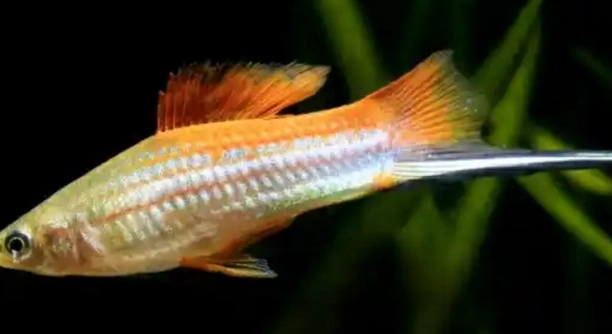
Swordtails are popular aquarium fish known for their vibrant colors. Understanding how they react to temperature changes can help maintain a healthy environment for these aquatic creatures. This knowledge is essential for ensuring their well-being.
Swordtails are sensitive to temperature fluctuations, and extreme changes can lead to stress, illness, or even death. Maintaining stable water temperatures between 72°F and 78°F is crucial for their health and longevity.
Temperature stability plays a key role in swordtail care. Keeping their environment within the optimal range will promote their health and comfort.
How Temperature Affects Swordtail Behavior
Temperature changes can cause swordtails to become stressed. They may become less active, hiding more frequently or swimming erratically. If the water temperature increases or decreases too much, their metabolism changes. Warmer water speeds up their metabolism, while colder water slows it down. This can impact their feeding habits, leading to reduced appetite. If you notice your swordtails not eating or staying in one place, temperature fluctuations may be the cause.
Even small changes in temperature can disrupt their natural behaviors. They rely on consistent, moderate temperatures to maintain normal activity levels. A sudden rise or drop can also affect their immune system, leaving them more vulnerable to illness.
Maintaining a stable water temperature is essential for swordtail health. A sudden drop below 70°F or a rise above 80°F can cause significant stress. Long-term exposure to unstable temperatures can weaken their immune system, making them more susceptible to diseases like swim bladder issues or skin infections. These fish thrive best in tanks with reliable heaters and thermometers, ensuring their environment remains within the ideal range of 72°F to 78°F.
How to Prevent Temperature Swings
Investing in an aquarium heater and thermometer is the easiest way to avoid temperature swings.
Maintaining a stable temperature range for swordtails isn’t just about comfort; it’s essential for their overall health. Without proper control, temperature fluctuations can cause stress, affect their feeding habits, and even lead to death. A reliable heater ensures that the water stays warm in cooler months, while a thermometer lets you monitor changes. In addition, avoiding placing your tank near windows or heating vents can help prevent external factors from affecting water temperature. Keeping the tank out of direct sunlight is particularly important, as this can cause sudden, uncontrollable spikes in temperature. This attention to detail ensures a consistent environment, allowing swordtails to thrive.
Effects of Temperature Swings on Swordtail Health
Temperature fluctuations can lead to weakened immune systems in swordtails, leaving them vulnerable to diseases. They may exhibit symptoms like lethargy, faded colors, or difficulty swimming. These signs often indicate that the fish is stressed and struggling to adjust to changes in its environment.
If exposed to unstable temperatures for an extended period, swordtails may develop health problems such as swim bladder disorder or fungal infections. Their immune systems become less effective, and their ability to fight off diseases diminishes. This can also lead to poor growth and reproduction, which are signs of a stressed or unhealthy fish. Ensuring stable temperatures can prevent these issues and help swordtails live longer, healthier lives.
Maintaining a proper temperature not only supports swordtail health but also boosts their natural behavior. A comfortable environment encourages swordtails to be more active and engage in their regular feeding and swimming patterns. With consistent water conditions, they are more likely to breed successfully and thrive in your aquarium.
Temperature Monitoring Tips
Regularly checking the water temperature is essential for swordtail care.
To maintain a healthy swordtail environment, invest in a reliable thermometer. Placing it at different spots in the tank ensures a consistent reading, as water temperatures may vary in different areas. A thermometer with an alarm feature can notify you if the temperature moves out of the desired range. In addition, consider using a tank heater with a thermostat, which will regulate the water temperature automatically. This setup prevents rapid temperature swings, reducing the risk of stress and illnesses in your fish. Regular checks and maintenance of your equipment will keep swordtails comfortable and healthy.
Identifying Temperature-Related Issues in Swordtails
If swordtails are not adjusting to the water temperature, you might notice a change in their swimming patterns. They may stay near the surface or at the bottom of the tank. This is a sign they are trying to find an area with a more comfortable temperature.
Another indicator of temperature-related stress is the discoloration of swordtails. Stress from fluctuating temperatures can cause the fish to lose their vibrant colors. This is often accompanied by sluggish movements and a lack of interest in food. If these signs persist, it may be time to address the tank’s temperature stability.
Adjusting Water Temperature Gradually
When adjusting the water temperature for swordtails, it’s important to do so gradually. Sudden changes can cause additional stress, even if the change is within the ideal temperature range. Raising or lowering the temperature by 1–2°F per hour allows swordtails to acclimate without experiencing shock. Gradual adjustments help prevent issues like oxygen depletion or weakened immune function. You can use a heater with adjustable settings to control this process more easily.
The Role of pH in Temperature Regulation
The pH levels in your tank can also affect how swordtails respond to temperature changes.
FAQ
What temperature is ideal for swordtails?
Swordtails thrive in water temperatures between 72°F and 78°F (22°C to 26°C). Keeping the water within this range ensures they remain active and healthy. Temperatures outside of this range, especially in the extremes, can lead to stress, decreased immunity, and health problems. Using a reliable aquarium heater can help maintain a consistent temperature, which is essential for swordtail well-being.
Can swordtails tolerate temperature fluctuations?
Swordtails are not particularly tolerant of significant temperature changes. Fluctuations of more than 2°F within a short period can cause stress. Prolonged exposure to unstable temperatures can weaken their immune systems and make them more susceptible to diseases. Maintaining a stable, moderate water temperature is key to keeping swordtails healthy.
How do I know if my swordtails are stressed due to temperature?
Signs of temperature stress in swordtails include erratic swimming, reduced activity, hiding more often, or staying near the surface or bottom of the tank. Additionally, stressed swordtails may show signs of fading colors or stop eating altogether. If you notice these symptoms, it’s a good idea to check the water temperature and adjust it if necessary.
Can sudden temperature changes kill swordtails?
Yes, rapid changes in temperature can be fatal to swordtails. A quick drop or rise in temperature can shock their system, leading to stress and, in extreme cases, death. Gradual adjustments to temperature are crucial. If a sudden change is unavoidable, use a temporary method, like adding warm water slowly or using ice packs to cool the tank gradually.
How can I prevent temperature swings in my tank?
To avoid temperature swings, make sure your aquarium is equipped with a reliable heater and thermometer. Regularly monitor the water temperature and check the heater’s functionality. Placing the tank away from windows, heaters, or air conditioning vents can also prevent external temperature influences. Adding a lid or canopy can help retain heat, especially during colder months.
Do swordtails need a heater in their tank?
Yes, swordtails require a heater to maintain a stable water temperature. In many regions, room temperatures fluctuate too much, which can cause inconsistent tank conditions. A heater ensures the water stays within the ideal range, providing the necessary environment for swordtails to thrive. It’s also important to have a thermometer to monitor the water temperature consistently.
What happens if swordtail water temperature is too high?
If the water temperature exceeds 80°F (27°C), swordtails may experience stress. At higher temperatures, their metabolism increases, which can lead to faster oxygen depletion in the water. This can cause breathing difficulties and stress. Fish may also become less active, and the risk of disease increases. If the temperature rises too much, try cooling the tank by adjusting the heater, adding ice cubes in a sealed bag, or placing the tank in a cooler area.
What happens if swordtail water temperature is too low?
Temperatures below 72°F (22°C) can make swordtails sluggish, leading to reduced feeding and lower energy levels. If it drops too low, swordtails may become lethargic and more prone to illness. Cold temperatures can also slow their immune system and metabolism, leading to long-term health problems. A stable, warmer environment will help them stay active and healthy.
Can I use a thermometer to adjust the water temperature?
A thermometer can help monitor the water temperature but cannot be used to adjust it. While it provides accurate readings, it’s essential to have a reliable heater for maintaining the temperature. Some heaters come with built-in thermometers for easy monitoring. Make sure to check the thermometer regularly to ensure the heater is functioning properly.
How often should I check the water temperature?
It’s a good idea to check the water temperature daily to ensure it remains within the ideal range. Regular checks can help prevent any unnoticed fluctuations that might cause stress or health problems for your swordtails. If you notice the temperature changing frequently, it might indicate an issue with your heater or external influences affecting the tank’s conditions.
Can I use a fan to cool down the water temperature?
While using a fan can provide some cooling for the water, it’s not the most effective method for regulating tank temperature. Fans can cool the water’s surface, but they may not reduce the temperature evenly throughout the tank. If you need to cool the tank quickly, adding ice cubes in a sealed bag or adjusting the heater is a more reliable method.
Do swordtails need special care when breeding in relation to temperature?
Yes, temperature plays a significant role in swordtail breeding. Swordtails breed best in water temperatures between 75°F and 78°F. Temperatures that are too high or too low can affect the health of the fish and the survival rate of the fry. Keeping the temperature stable and within the optimal range ensures a successful breeding process. Additionally, swordtails are more likely to breed when the water quality is good, and the fish are not stressed by temperature fluctuations.
Can other fish species be kept with swordtails in the same tank?
Swordtails are generally peaceful fish that can live well with other species. However, it’s important to choose tank mates that thrive in similar temperature ranges. Avoid mixing swordtails with species that require drastically different water conditions, as temperature stress can affect all the fish in the tank. Species such as guppies, mollies, and other livebearers typically do well with swordtails. Always monitor the tank’s overall temperature to ensure that all fish are comfortable.
What’s the best way to warm up cold tank water quickly?
If your tank water is too cold and needs to be warmed up quickly, you can adjust the heater to a higher setting and allow it to heat the water gradually. Avoid sudden temperature changes, as this could stress your swordtails. If you need a quicker fix, you can add warm water slowly to the tank or use a sealed bag of warm water to raise the temperature gradually.
What are the signs of over-heating in swordtails?
Signs of overheating in swordtails include increased breathing rate, lethargy, or staying near the surface where the water is more oxygenated. Swordtails may also lose their vibrant colors when stressed from high temperatures. If you notice these symptoms, it’s important to check the temperature and take immediate action to cool down the tank.
Final Thoughts
Maintaining a stable water temperature for swordtails is crucial for their health and well-being. These fish are sensitive to temperature fluctuations, which can lead to stress, weakened immune systems, and even death if not properly managed. Ensuring your tank stays within the ideal range of 72°F to 78°F is the best way to help your swordtails thrive. By using a reliable aquarium heater and checking the water temperature regularly, you can create a consistent environment that supports your fish’s natural behavior and growth. Additionally, avoiding sudden temperature changes will help prevent stress and health issues.
It’s also important to be aware of the signs that swordtails may be experiencing temperature stress. If they exhibit unusual behavior, such as erratic swimming, lack of appetite, or fading colors, it could indicate an issue with the water temperature. Monitoring both the water temperature and the overall tank conditions can help catch these signs early. In some cases, even small changes in the tank’s temperature can have a noticeable effect on swordtails, so being proactive and adjusting the temperature gradually is key to avoiding any health complications.
In summary, swordtails are relatively low-maintenance fish, but maintaining a stable environment is essential for their long-term health. Ensuring the water temperature remains consistent, providing a reliable heater, and observing your fish for any signs of stress can make all the difference. With the right care and attention to their needs, swordtails can live a long and healthy life in your aquarium.

Hello,
If you enjoy the content that we create, please consider saying a "Thank You!" by leaving a tip.
Every little bit helps us continue crafting quality advice that supports the health, happiness, and well-being of pets around the world, for pets of all shapes, sizes, and species.
We really appreciate the kindness and support that you show us!