
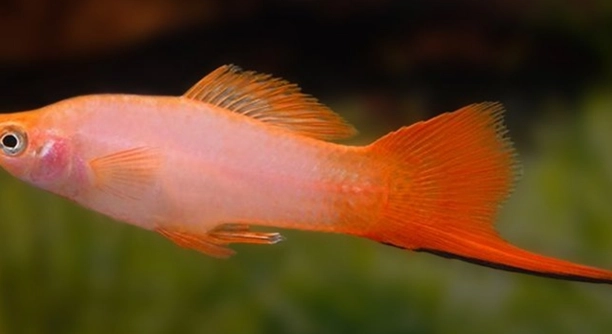
Swordtail males exhibit specific breeding behaviors triggered by various environmental and biological factors. Understanding these triggers can help ensure successful breeding within a healthy aquarium environment. This article explores the key elements that influence their mating behavior.
The primary triggers for swordtail male breeding include water temperature, light cycles, tank mates, water quality, the presence of females, and their health. Male swordtails often respond to environmental cues that prompt their mating instincts, ensuring reproduction.
Factors such as water conditions, tank environment, and the presence of females influence swordtail breeding. Knowing these triggers can improve breeding success and fish well-being.
Water Temperature and Swordtail Breeding
Water temperature is one of the key factors that influence swordtail males’ breeding behaviors. Swordtails are tropical fish, and they prefer a temperature range between 75°F and 82°F (24°C to 28°C). This warmth stimulates the fish’s metabolism and prepares them for breeding. If the temperature falls outside this range, it can significantly reduce their reproductive activity. The higher temperatures tend to increase the male’s eagerness to court females, which often results in more successful breeding events. Keeping the water at the proper temperature is essential for maintaining a healthy breeding environment.
Temperature affects swordtail behavior in more than just breeding. At cooler temperatures, swordtails may become lethargic or lose their appetite, making them less active and more difficult to breed. A consistent, appropriate temperature promotes overall health, making the males more likely to participate in courtship rituals. This is crucial for breeders who want to see successful mating and healthy fry.
Inconsistent water temperatures can cause stress and lead to poor breeding outcomes. Males might lose interest in females or may not display courtship behavior if the water is too cold. It is important to keep the tank temperature stable and within the recommended range to encourage swordtail breeding.
Light Cycles and Their Effect on Swordtail Males
Light plays a significant role in swordtail breeding. Swordtails are sensitive to day-night cycles, and their breeding activity often aligns with the amount of light they receive. Males become more active and display their courtship behavior during the day when they are exposed to natural or artificial light. A proper light schedule encourages swordtail males to recognize that it’s breeding time, helping to stimulate their instincts.
A regular light cycle helps mimic natural conditions, prompting swordtail males to become more engaged in mating. Providing at least 12 hours of light per day will encourage breeding behavior. At night, the darkness provides the necessary rest for fish, allowing them to be more active and ready to breed when the lights come on again. Consistency in light exposure will help synchronize their biological rhythms, enhancing the chances of successful reproduction.
Tank Mates and Their Influence on Swordtail Breeding
Swordtails are social fish and thrive in community tanks. However, the presence of certain tank mates can either promote or hinder their breeding behavior. Aggressive species can intimidate swordtail males, reducing their willingness to engage in courtship. Smaller, peaceful fish usually work best in a tank with swordtails. It’s important to ensure that no species is too dominant, as this will allow swordtails to feel safe and confident in their breeding behavior.
The ideal tank mates for swordtails include other peaceful species like guppies or mollies. These fish do not pose a threat to the swordtails, allowing males to focus on courting females. Overcrowding is also a consideration, as it can stress out the fish, leading to a lack of breeding. Providing a balanced, calm environment encourages swordtail males to display their natural mating behaviors and increases the chances of successful reproduction. A healthy tank with appropriate tank mates is crucial for a smooth breeding process.
In addition, hiding spaces are essential. Swordtails need some refuge from potential stressors. Adding plants or rocks can offer them a place to retreat. When males feel secure and comfortable in their environment, they are more likely to engage in the complex courtship rituals needed for breeding.
Water Quality and Swordtail Breeding Behavior
Water quality plays a vital role in the overall health of swordtails and their ability to breed successfully. Swordtail males will avoid courting females if the water quality is poor. High levels of ammonia, nitrites, or low oxygen levels can cause stress and reduce their energy levels. Maintaining clean water through regular changes is essential for breeding success.
The tank water should be free of toxins and contaminants. Proper filtration helps maintain stable water parameters, including pH levels and water hardness, both of which affect swordtail breeding behavior. If the water is too soft or too alkaline, swordtails might struggle to breed. Regular testing of the water quality will allow you to ensure the conditions are optimal for breeding.
Maintaining a balance of nutrients in the water also affects the swordtails’ health. Fresh water allows for better circulation and encourages natural breeding instincts in males. It’s crucial to regularly monitor water parameters like pH, hardness, and ammonia levels to ensure they stay within the recommended range for swordtails to thrive. By maintaining clean, high-quality water, swordtails will be more likely to engage in mating behaviors and successfully reproduce.
Presence of Females and Male Swordtail Breeding Behavior
The presence of females is a major trigger for swordtail males’ breeding behavior. Males are more likely to display courtship behavior when they can see and interact with females. This includes performing their signature “sword” display and chasing them around the tank.
Swordtail males are drawn to the movement and colors of females. The brighter and healthier the females, the more the males are encouraged to court. Males will often show off their fins and perform dances to attract the females’ attention. This helps promote successful breeding.
Swordtail Health and Its Impact on Breeding
A healthy swordtail male is more likely to engage in breeding behavior. If a male is stressed, sick, or malnourished, he may not be interested in courting females. Health issues can lower his energy levels, making it harder for him to perform the complex actions needed for breeding.
Breeding requires swordtails to be in good condition. Any physical or psychological stress will affect their ability to engage in mating. Providing a balanced diet and proper care ensures that swordtail males remain healthy and ready to breed. They will be more active and display courtship behaviors when they feel their best.
FAQ
How can I tell if my swordtail male is ready to breed?
When swordtail males are ready to breed, they will exhibit noticeable behavioral changes. They will often display more vivid coloration, especially around their fins and tails. The males may also become more active, frequently chasing females, performing courtship dances, and displaying their sword-like tail to grab attention. This is a signal that they are physically and mentally prepared for mating. Additionally, males might show an increase in fin displays, nudging, and rapid movements, attempting to impress the female. Proper water conditions and a balanced diet are essential to keep the male swordtails in breeding condition.
How many females should be kept with each male swordtail for breeding?
To avoid aggressive behavior and ensure a healthy breeding environment, it’s generally recommended to have at least two to three females for every male swordtail. This helps reduce stress and competition among the males. With multiple females, males can focus their attention on one female at a time, thus preventing overexertion or aggression toward any single female. Keeping the sex ratio balanced also prevents bullying, which can lead to the males neglecting their mating displays or causing stress among the females.
Do swordtail males need specific water conditions for breeding?
Yes, swordtails require specific water conditions for successful breeding. The water temperature should be between 75°F and 82°F (24°C to 28°C). They also thrive in slightly alkaline water with a pH between 7.0 and 8.0. The water should be soft to moderately hard, with a water hardness level of 8 to 15 dGH. Consistent water quality is crucial for stimulating the breeding process. The presence of ammonia, nitrites, or high nitrate levels can hinder breeding behavior. Regular water changes and proper filtration systems are essential for maintaining a healthy, conducive environment.
What is the role of light cycles in swordtail breeding?
Swordtail breeding behavior is heavily influenced by light cycles. These fish are diurnal, meaning they breed more actively during the day when exposed to light. Providing 12 to 14 hours of light per day is ideal for stimulating the swordtail’s biological clock. Consistent exposure to light helps regulate their hormonal cycles, encouraging males to become more active and display their courtship behaviors. Conversely, lack of light or irregular light cycles can disrupt the swordtail’s breeding activity. It’s crucial to maintain a consistent light schedule to keep the fish’s natural rhythms in sync.
Can swordtails breed in a community tank?
Yes, swordtails can breed in a community tank as long as the tank mates are compatible. However, aggressive or territorial fish should be avoided, as they can create stress, which may hinder the swordtails’ ability to breed. Peaceful species like guppies, mollies, or tetras make excellent tank mates. It’s important to ensure there are plenty of hiding spaces and plants in the tank, so the female swordtails can retreat if needed. This helps reduce stress and allows the males to focus on courting. Regular water changes and good filtration are essential for a healthy breeding environment.
How long does it take for swordtail fry to hatch after mating?
After mating, swordtail females typically give birth to live fry rather than laying eggs. The gestation period for swordtails lasts around 28 to 30 days, depending on water temperature and other environmental conditions. Warmer temperatures tend to speed up the process, while cooler water slows it down. Once the fry are born, they are fully formed and can swim immediately. It’s essential to provide plenty of plants or hiding spots for the fry to avoid predation from adult fish, including the mother. Keeping the water clean and the temperature stable will help support fry survival.
How do I encourage swordtail males to display their best breeding behavior?
To encourage swordtail males to display their best breeding behavior, it’s essential to maintain optimal water conditions, including temperature, pH, and hardness. Proper lighting that mimics natural daylight cycles will help regulate their biological rhythms. Ensuring that the males are healthy through a balanced diet of live, frozen, or high-quality flake foods will increase their energy levels and motivation. Tank mates should be non-aggressive, and there should be plenty of space for the males to showcase their courtship behavior. Lastly, keeping at least two to three females per male helps distribute his attention and reduces stress.
How can I tell if my swordtail female is pregnant?
A pregnant female swordtail will exhibit noticeable changes in her body shape. Her abdomen will become rounder and more swollen as the fry develop inside her. In the later stages of pregnancy, you may notice a dark gravid spot near her anal fin, which is a sign of impending birth. The gravid spot becomes more prominent as the fry grow and the female nears her due date. It’s important to provide a separate breeding area for the female if you want to protect the fry after birth, as adult fish may eat them.
What should I do with the swordtail fry once they are born?
Once the swordtail fry are born, they need a safe environment to grow and develop. Since swordtails are livebearers, the fry are fully formed and able to swim right after birth. It’s important to have plenty of hiding spaces such as plants or aquarium decorations where they can take refuge from adult fish, including their mother. Keeping the water clean and ensuring a stable temperature will help the fry grow quickly. A separate fry tank can be used to ensure their survival, but it’s important to maintain optimal water conditions to avoid stress and disease. Additionally, feed the fry with finely crushed flakes or specialized fry food to ensure they receive proper nutrition.
Final Thoughts
Swordtail males are fascinating creatures, with their breeding behavior often influenced by several factors such as water conditions, health, and the presence of females. Understanding these triggers can help ensure successful breeding and a healthy environment for both the males and females. The more attention you pay to the details, such as water temperature, tank mates, and diet, the more likely your swordtails will thrive and reproduce. Healthy, well-cared-for males will engage in courtship behaviors, providing an opportunity for breeding that benefits the entire tank ecosystem.
Maintaining the right conditions for swordtail breeding doesn’t have to be complicated. Regular water changes, proper lighting, and a balanced diet are essential for promoting healthy growth and breeding behavior in males. By providing a stress-free environment with plenty of space and hiding spots, you will create an ideal setting for swordtails to interact naturally. It is also important to ensure that you have an adequate number of females per male to prevent aggression and allow the males to display their best behavior. When the right conditions are met, swordtails can breed regularly, contributing to a lively, thriving tank.
Finally, keeping swordtails in optimal health is essential for successful breeding. Stress and poor nutrition can significantly impact their reproductive behaviors. Offering a balanced diet, maintaining water quality, and paying attention to their natural cycles will encourage males to court females and engage in breeding displays. By taking these steps, you’ll not only improve the chances of breeding success but also contribute to the overall well-being of your swordtail fish. Creating a peaceful, supportive environment will allow both males and females to thrive and produce healthy fry.

Hello,
If you enjoy the content that we create, please consider saying a "Thank You!" by leaving a tip.
Every little bit helps us continue crafting quality advice that supports the health, happiness, and well-being of pets around the world, for pets of all shapes, sizes, and species.
We really appreciate the kindness and support that you show us!