
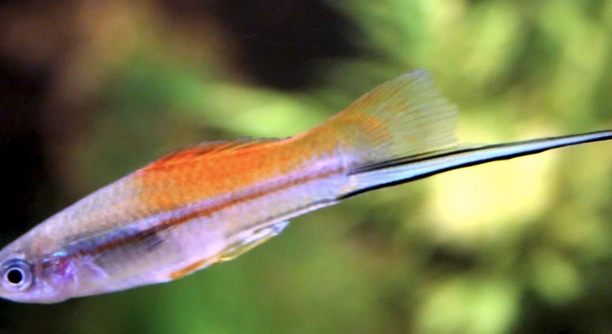
Swordtails are a popular fish species among aquarium enthusiasts due to their vibrant colors and active nature. They are often kept in groups, but how do they feel in such social settings?
Swordtails generally feel more secure and thrive when kept in groups. These social fish benefit from the presence of their kind, which helps reduce stress and creates a more natural environment. Group settings provide opportunities for interaction, which contributes to their well-being.
When it comes to swordtails, group dynamics play a significant role in their comfort and happiness. Understanding these factors can help provide a better environment for them.
Why Do Swordtails Need Groups?
Swordtails are naturally social creatures, and they thrive in environments where they can interact with other fish. Being in groups gives them a sense of security, as they are less likely to feel isolated or stressed. In the wild, swordtails often live in schools, so replicating this behavior in your aquarium can help them feel more comfortable. Without the company of other swordtails, they may become more anxious, leading to potential health problems.
Swordtails in groups exhibit natural behaviors like schooling, chasing, and feeding together, which helps them feel more secure. These interactions are important for their mental well-being and overall health.
A tank with at least three swordtails is ideal for encouraging their social behavior. However, it’s crucial to ensure that the tank is large enough to accommodate them comfortably. A crowded or small space can lead to stress, and it may even cause territorial disputes. Swordtails feel safest when they have enough room to swim and interact with one another freely. It’s also a good idea to include plenty of plants and hiding spots in your aquarium to help reduce stress levels. By mimicking their natural habitat, you’re setting your swordtails up for a happier, healthier life.
Benefits of Group Living
In nature, swordtails are rarely alone. They find safety and comfort in groups, where they are less vulnerable to predators. Group living also provides opportunities for social bonding, which is essential for their well-being.
When swordtails live in a group, they often display more confidence and become more active. They engage in behaviors like swimming together, chasing one another, and sharing resources. This social interaction is vital for their mental stimulation and can prevent boredom, which is a common cause of stress in aquarium fish.
How Many Swordtails Should Be in a Group?
It’s recommended to keep at least three swordtails together in a tank. This number helps them feel secure while allowing for natural social behaviors. More swordtails can be added if space allows.
A group of three swordtails is a good start for a balanced aquarium. This size ensures that they don’t feel too crowded but still have enough social interaction. It’s important to remember that swordtails are not solitary fish, and being in smaller groups can cause them to feel stressed or anxious. More swordtails can provide more interaction, but overcrowding should be avoided.
When considering the number of swordtails, also keep in mind the tank’s size. For a group of three, a 20-gallon tank is usually sufficient. Larger groups, however, will need more space to swim freely. Swordtails also need room to explore their environment, so it’s best to avoid overcrowding to maintain a healthy, peaceful environment for them.
The Impact of Group Size on Swordtail Behavior
Swordtails respond differently to various group sizes. While small groups make them feel secure, very large groups can lead to stress if not managed properly.
If there are too many swordtails in a tank, they may become more aggressive toward each other, especially if there are not enough hiding spots or resources. This aggression can lead to injuries and overall stress. It’s essential to find the right balance—enough swordtails for socialization but not so many that they fight or feel cramped. Providing plenty of space and hiding spots can help keep tensions low and help swordtails feel more comfortable with each other.
Keep in mind that swordtails are peaceful fish, but like many species, their behavior can be affected by crowding or competition. A well-sized group where they can interact without feeling threatened is the key to creating a harmonious and stress-free environment for them.
Can Swordtails Live with Other Fish?
Swordtails are peaceful fish that generally get along well with other species. They are often kept in community tanks alongside other non-aggressive fish.
When selecting tankmates for swordtails, avoid aggressive species that might stress them out. Fish like guppies, tetras, and other peaceful livebearers usually make great companions. As long as the other fish are calm, swordtails will likely coexist happily.
Tank Setup for Swordtails
Swordtails thrive in a tank with a well-maintained environment. They prefer clean water with a neutral to slightly alkaline pH.
A tank with plenty of swimming space and hiding spots will make swordtails feel more secure. Live plants, rocks, and decorations can help create a comfortable, natural habitat. Additionally, a reliable filtration system is important to keep the water clean and oxygenated. Swordtails are also sensitive to water temperature, so it’s best to maintain a stable range of 72°F to 79°F.
FAQ
Do swordtails need a specific tank size for groups?
Swordtails should be kept in tanks large enough to allow free movement and minimize stress. A minimum of 20 gallons is recommended for a small group of 3 swordtails. Larger groups will require more space, about 30 gallons or more, depending on the number of fish. Overcrowding can lead to aggression and stress. It’s important to provide adequate swimming space and room for social interactions.
Can swordtails live with other types of fish?
Yes, swordtails can live with many other species of fish, especially those that are peaceful and of similar size. Ideal tankmates include other livebearers like guppies and mollies, as well as tetras and corydoras catfish. Avoid keeping swordtails with aggressive or territorial fish, as they might stress the swordtails. Ensuring that the tank has enough hiding spots and territories for all fish is crucial to prevent fights.
How do I know if my swordtails are stressed?
Stressed swordtails will often display signs such as darting around the tank, hiding more than usual, or showing a lack of appetite. Their colors may also fade, and they may become more aggressive or lethargic. Stress can be caused by overcrowding, poor water conditions, or incompatible tankmates. Regular observation and maintaining optimal tank conditions will help keep swordtails calm and healthy.
Can swordtails live alone?
Swordtails should not be kept alone for extended periods. They are social fish that feel most secure in groups. Without the company of other swordtails, they can become stressed, leading to a weakened immune system and potential health issues. It’s best to keep at least three swordtails together, but more can be added depending on the tank size.
What is the best temperature for swordtails?
Swordtails thrive in water temperatures between 72°F and 79°F. Keeping the temperature stable is important, as fluctuations can cause stress and illness. A reliable aquarium heater and thermometer are recommended to maintain the desired temperature range. Consistency in water temperature will help ensure that your swordtails remain healthy and active.
How often should I feed swordtails?
Swordtails should be fed once or twice a day, depending on their age and activity level. It’s best to offer small portions that can be eaten in 2-3 minutes to avoid overfeeding. Swordtails are omnivores and will eat a variety of foods, including high-quality pellets, frozen or live food, and vegetables. Ensure they are getting a balanced diet to promote good health and vibrant colors.
Do swordtails need a filter?
Yes, a filter is essential for maintaining clean water in the tank. Swordtails produce waste, which can quickly lead to poor water quality and stress. A filter helps remove debris, excess food, and waste while keeping the water oxygenated. Make sure the filter isn’t too strong, as swordtails prefer calm waters. Regular water changes, combined with a good filtration system, will ensure that your swordtails remain healthy.
How long do swordtails live?
Swordtails typically live for 3 to 5 years, though some may live longer with optimal care. Their lifespan can be affected by factors such as water quality, diet, and overall tank conditions. By maintaining a stable and healthy environment, you can help your swordtails reach their full lifespan and enjoy their vibrant personalities for years to come.
How can I tell the difference between male and female swordtails?
Male swordtails are generally smaller and more colorful than females. They also have a distinct sword-like extension on the bottom of their tail, which gives them their name. Female swordtails are larger, less colorful, and lack the sword on their tail. This sexual dimorphism is easy to spot once the fish reach maturity, usually around 6 months of age.
Do swordtails breed easily in captivity?
Yes, swordtails are livebearers, meaning they give birth to live young rather than laying eggs. Breeding is relatively easy, and in a suitable environment with both male and female swordtails, they will often reproduce without any extra effort. To prevent overpopulation, it’s important to monitor the number of swordtails in your tank and be prepared for the fry. Males will usually chase females, and once pregnant, the females will give birth to 20-40 fry every 4 to 6 weeks.
What should I do if my swordtails are fighting?
If your swordtails are fighting, check the tank for overcrowding, inadequate hiding spots, or incompatible tankmates. Aggression often occurs when fish feel stressed or threatened. Increasing the number of hiding places, rearranging decorations, or adding more swordtails can reduce territorial behavior. In some cases, removing the aggressive fish temporarily can help. Always monitor their behavior and make changes to the tank environment if needed.
Can swordtails live in brackish water?
Swordtails can tolerate a very slight level of salinity, but they are not true brackish water fish. Freshwater is the ideal environment for swordtails. If you decide to keep them in brackish water, it’s important to monitor the salinity levels closely and ensure they don’t exceed their tolerance. Most swordtails thrive in clean, freshwater tanks with stable conditions.
How often should I do water changes for swordtails?
To keep swordtails healthy, regular water changes are necessary. Changing 25% to 30% of the water every 1-2 weeks is recommended, depending on the tank size and the number of fish. This helps maintain water quality and prevents the buildup of harmful substances like ammonia and nitrate. Regular testing of the water parameters will also help you determine when to change the water and how much to replace.
What is the best food for swordtails?
Swordtails enjoy a varied diet that includes high-quality flake food, pellets, frozen or live food, and occasional vegetables. They are omnivores, so a combination of plant-based and protein-rich foods will keep them healthy. It’s important to avoid overfeeding and to provide a balanced diet to enhance their color and overall health.
Final Thoughts
Swordtails are social fish that thrive in groups, which makes them ideal for community tanks. Their peaceful nature and colorful appearance make them a favorite among aquarium hobbyists. However, understanding their need for companionship and space is key to keeping them healthy and happy. Swordtails feel most secure when kept in groups of at least three, but a larger group can be even better as long as the tank has enough space. It’s important to ensure that the tank environment replicates their natural habitat as much as possible, with plenty of swimming space and hiding spots to reduce stress.
In addition to their social needs, swordtails are relatively easy to care for when it comes to water quality and feeding. Keeping the water temperature stable, providing proper filtration, and ensuring that the tank is well-maintained will help them stay healthy. Swordtails are omnivores, so feeding them a balanced diet of both plant and protein-based foods is essential for their growth and vibrant colors. Regular water changes and proper tank setup will go a long way in preventing common health issues and ensuring that your swordtails live long, fulfilling lives.
Lastly, swordtails can live harmoniously with many other peaceful fish species, making them a great addition to community tanks. However, they should not be kept with aggressive fish, as this can lead to stress and fighting. When planning your aquarium, always consider the space requirements, the behavior of potential tankmates, and the maintenance needs to ensure a thriving environment for your swordtails. By meeting their basic needs and maintaining a suitable environment, swordtails will reward you with their lively presence and vibrant colors for years to come.

Hello,
If you enjoy the content that we create, please consider saying a "Thank You!" by leaving a tip.
Every little bit helps us continue crafting quality advice that supports the health, happiness, and well-being of pets around the world, for pets of all shapes, sizes, and species.
We really appreciate the kindness and support that you show us!