
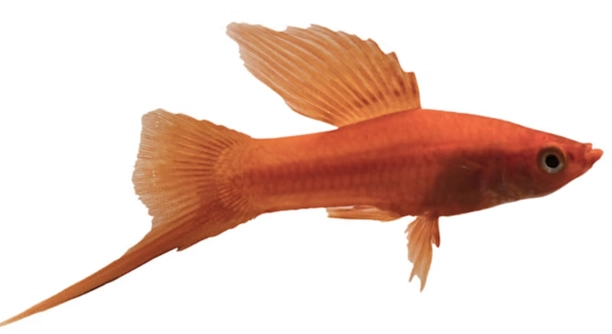
Swordtails are popular aquarium fish, known for their vibrant colors and active personalities. However, you may notice that they often hide, which can be puzzling for owners. Let’s explore why this behavior occurs and how to address it.
Swordtails hide primarily due to stress, environmental changes, or feeling threatened by other fish. Factors such as water quality, tank setup, or aggression from tank mates can all contribute to this hiding behavior.
Understanding the reasons behind your swordtail’s hiding can help create a more comfortable environment. By addressing these factors, you can encourage more active and confident behavior in your fish.
Common Causes of Swordtail Hiding
Swordtails may hide for several reasons, but the most common ones are stress and discomfort. Poor water quality, sudden temperature changes, and aggressive tank mates are often to blame. These fish are sensitive to their surroundings and will retreat when they feel unsafe. The presence of larger or more dominant fish can also make them hide.
Swordtails thrive in stable environments. If their tank setup is not to their liking, they may become shy. Sometimes, it’s simply a case of them not feeling secure enough to swim freely. Keeping an eye on their behavior is key to understanding what might be causing the hiding.
Water parameters, like pH and ammonia levels, play a huge role in swordtail health. Inconsistent water conditions can make them retreat into hiding spots. Additionally, providing plenty of plants, decorations, or caves where they can hide when needed will help them feel more secure. Regular water changes and monitoring the tank’s temperature will keep your swordtails active and comfortable. Ensuring they have safe spaces to retreat to, without constant threats, will encourage them to explore more.
Aggression from Other Fish
Aggressive tank mates can push swordtails into hiding. Fish like cichlids, bettas, or even overly curious species can intimidate them, leading to a lot of hiding.
It’s important to select tank mates that are peaceful and compatible with swordtails. Even fish of similar size can be problematic if they are territorial or overly aggressive. You can reduce stress by choosing calm fish that share the same water conditions and temperament.
In many cases, swordtails do well in peaceful communities with other non-aggressive species. They tend to interact with their own kind but can be social with other peaceful fish. The key to ensuring your swordtails feel safe is making sure their tank mates are not overly dominant. Aggressive fish, especially during feeding times or breeding seasons, can cause stress, so it’s crucial to observe their interactions and intervene if necessary.
Water Quality and Temperature
Swordtails are highly sensitive to changes in water quality. Ammonia, nitrites, and fluctuating pH levels can make them feel uncomfortable, causing them to hide. Proper filtration and regular water changes are essential for keeping these fish healthy.
It’s important to monitor water parameters frequently. Swordtails prefer a slightly alkaline environment, with a pH between 7.0 and 8.4. Ammonia and nitrite levels should always be zero, and nitrates should remain low. A stable temperature between 72°F and 79°F (22°C-26°C) is ideal. Any significant changes in water conditions can lead to stress, pushing them into hiding.
Invest in a reliable test kit and a good filter to maintain stable water conditions. Poor water quality not only stresses swordtails but also weakens their immune system, making them more susceptible to disease. Consistent water maintenance keeps your tank environment stable and your swordtails healthy, which reduces their need to hide.
Tank Size and Space
If your swordtail’s tank is too small, it may feel crowded and stressed, leading to hiding behavior. Ensuring enough space for swimming is key to a healthy environment.
A small tank can create competition for space and resources, which increases stress. Swordtails are active fish that require room to swim comfortably. A minimum of 20 gallons is recommended for a small group of swordtails. Providing enough space helps prevent territorial behavior and gives fish a chance to find safe spots when needed.
Additionally, overcrowding in the tank can lead to poor water quality and aggression from tank mates. The more space you provide, the less stressed your swordtails will be, and the more likely they will explore their environment. Keeping fewer fish in a larger tank creates a more relaxed atmosphere where your swordtails feel secure.
Stress from Overfeeding
Overfeeding swordtails can lead to poor water quality and stress. Excess food decays, causing ammonia spikes that can make fish feel unsafe, leading them to hide.
It’s easy to get carried away with feeding, but it’s essential to stick to recommended portions. Feeding once or twice a day with small amounts ensures your swordtails are well-fed without overloading the tank.
Overfeeding also creates more waste, which impacts water quality and overall health. By controlling food intake, you can maintain a cleaner tank and reduce stress, encouraging your swordtails to be more active and social.
Poor Tank Decoration
Swordtails need hiding spots, but a lack of decorations can leave them feeling exposed. A few plants or rocks can make a big difference.
Tank decorations provide swordtails with areas to retreat when they feel threatened, which helps them feel secure. Too many open spaces can make them anxious, leading them to hide more often. Keep the decorations simple but effective.
Tank Lighting
Swordtails are sensitive to bright, harsh lighting. It can make them feel exposed and stressed. Dim or natural lighting is a better option.
Providing some shaded areas in the tank where they can rest away from bright lights can help your swordtails feel more comfortable. Keeping the lighting soft and consistent is key to reducing stress.
FAQ
Why do swordtails hide so much?
Swordtails are naturally shy fish, and they hide when they feel stressed, threatened, or uncomfortable. Poor water quality, overcrowded tanks, or aggressive tank mates can cause them to retreat to darker, hidden spaces. Swordtails feel safer in environments where they can swim freely without fear of being chased or harassed. A good tank setup with adequate space, hiding spots, and stable water conditions will help them feel more at ease and reduce the need to hide.
Is it normal for swordtails to hide all the time?
While it’s common for swordtails to hide occasionally, if they are constantly hiding, something may be wrong. This could be due to stress, poor water quality, or aggressive tank mates. It’s important to observe their behavior and look for signs of discomfort. Constant hiding can also indicate that the swordtail is sick or not feeling well. If your swordtail is hiding more than usual, try checking water parameters, removing aggressive fish, and offering more hiding spots.
What can I do if my swordtail hides a lot?
If your swordtail is hiding frequently, start by testing the water quality. Make sure the temperature, pH, and ammonia levels are within acceptable ranges. Remove any aggressive fish from the tank and provide more hiding spaces, like plants or decorations, to give your swordtail a sense of security. If the hiding continues, monitor for signs of illness, such as changes in color, behavior, or appetite, and consult a vet if needed.
Do swordtails prefer to hide during the day or night?
Swordtails are generally more active during the day and may hide at night. However, if they are hiding too often during the day, it could indicate stress or discomfort. During the night, swordtails are naturally less active and may retreat to their hiding spots to rest. If this behavior continues during the day, it’s essential to address the tank’s conditions.
Can I keep swordtails with other fish?
Yes, swordtails are peaceful fish and can coexist with other peaceful species. However, they may hide if tank mates are aggressive or territorial. It’s best to pair swordtails with other non-aggressive fish that prefer similar water conditions. Avoid keeping them with overly dominant species like cichlids or bettas, as these can stress them out.
How can I reduce swordtail stress?
To reduce stress, provide a stable environment. Regularly check water quality, and keep the temperature between 72°F and 79°F. Make sure your swordtail has plenty of space to swim and enough hiding spots. Also, avoid overcrowding and ensure tank mates are peaceful. Swordtails are also sensitive to sudden changes in water conditions, so make adjustments gradually.
Why is my swordtail hiding after I added new fish?
Introducing new fish can cause stress, especially if the new fish are more dominant or aggressive. Swordtails may hide until they get used to the new tank dynamics. It’s best to quarantine new fish before introducing them to avoid any potential diseases and give the swordtails time to adjust. Monitor interactions closely to ensure no fish are being bullied.
Can swordtails hide when they are pregnant?
Yes, female swordtails may hide when pregnant, especially as they near the end of their gestation period. Pregnancy can be stressful for them, and they may seek solitude to avoid being harassed by other fish. Ensure they have a quiet, safe space with some hiding spots, so they can feel comfortable while preparing to give birth.
How long do swordtails usually hide after a water change?
Swordtails may hide briefly after a water change due to the disruption in their environment. A sudden change in water conditions can stress them, especially if the temperature or pH fluctuates. Allow them time to adjust, and ensure that water parameters are stable before performing a water change. They should resume normal behavior after a few hours or overnight.
Can lighting cause swordtails to hide?
Yes, swordtails can be sensitive to strong, harsh lighting, which may cause them to hide. Bright lights make them feel exposed and vulnerable. To prevent this, use softer, dimmer lighting, and provide shaded areas in the tank where they can retreat if they feel stressed. Maintaining consistent lighting patterns can help your swordtails feel secure.
What are some signs that my swordtail is stressed?
Stressed swordtails may exhibit several signs, including hiding, staying near the bottom of the tank, rapid gill movement, or refusing to eat. They may also display unusual swimming patterns, like darting or swimming in circles. Pay attention to changes in their color or body posture, as these can indicate stress or illness. Regular water checks and a peaceful tank environment can help reduce these stress indicators.
Final Thoughts
Swordtails are beautiful and lively fish, but they can sometimes be a bit shy. It’s common for them to hide, especially when they feel stressed, threatened, or uncomfortable in their environment. There are many factors that can cause swordtails to hide more often, such as poor water quality, aggressive tank mates, or a cramped tank. Recognizing these factors and making the necessary adjustments can help your swordtail feel more secure and confident in its environment.
Providing a proper tank setup is key to making your swordtail feel at home. Maintaining good water quality, stable temperatures, and a well-planted tank with hiding spots is crucial. Swordtails are active fish, and they need space to swim comfortably. Ensuring that your tank is large enough and has peaceful tank mates will reduce stress and encourage your swordtail to come out of hiding. If you observe that your swordtail is hiding more than usual, take a closer look at the water conditions and check for any changes in the tank environment that may be causing stress.
Ultimately, understanding why swordtails hide and taking the time to address their needs will lead to a happier, healthier fish. With proper care, swordtails can thrive in a peaceful and well-maintained aquarium. As long as you focus on creating a stable, stress-free environment, your swordtails will become more confident and active over time. Whether you’re a first-time fish owner or an experienced one, observing your swordtails closely and adjusting their environment will ensure that they remain healthy and content.

Hello,
If you enjoy the content that we create, please consider saying a "Thank You!" by leaving a tip.
Every little bit helps us continue crafting quality advice that supports the health, happiness, and well-being of pets around the world, for pets of all shapes, sizes, and species.
We really appreciate the kindness and support that you show us!