
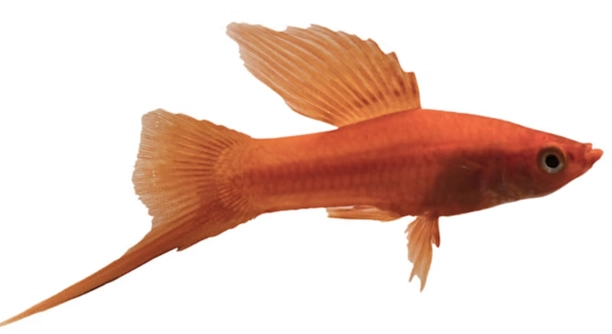
Are your swordtail fry not growing as expected or showing signs of poor health despite your best efforts? Many new fishkeepers run into common issues without realizing the impact on these small, delicate creatures.
The most common mistakes when raising swordtail fry include poor water quality, overfeeding, overcrowding, lack of hiding spaces, incorrect diet, mixing with adult fish too early, and inadequate filtration systems.
Learning how each of these mistakes affects your fry can help you create a healthier environment and improve their chances of survival.
Mistake #1: Poor Water Quality
Swordtail fry are especially sensitive to their environment, and dirty water can quickly lead to stress, illness, or death. Many new aquarists underestimate the importance of clean water for fry. Uneaten food, waste, and plant debris break down into harmful substances like ammonia, which can poison your fish. Water changes should be small but frequent, usually around 10–20% every two to three days. Use a sponge filter to avoid sucking up the fry, and always test your water parameters regularly. Stable pH, low ammonia, and proper temperature all contribute to healthy fry development and stronger immune systems.
Dirty tanks do more than look unpleasant—they can severely weaken fry and cause stunted growth or disease.
Taking time to maintain good water conditions will reduce stress and help your fry thrive. Even a few missed water changes can lead to poor outcomes, so consistency is essential from the very beginning.
Mistake #2: Overfeeding
Many people assume that feeding fry often means they’ll grow faster and stronger, but too much food can be harmful. Extra food sinks and rots, leading to poor water quality. That alone can be dangerous.
It’s best to feed swordtail fry small amounts several times a day—just enough that they eat everything within a few minutes. Crushed flakes, baby brine shrimp, or specialized fry food are all good options. Avoid large portions, as uneaten food adds up quickly in a small tank. Cleaning uneaten bits with a small siphon helps too. When fry are overfed, it not only pollutes their water but can also cause bloating or constipation. These issues make them more vulnerable to disease. Regular feeding in controlled amounts encourages healthy digestion and balanced growth. Being mindful about how much and how often you feed will support stronger, more active fry and a cleaner tank overall.
Mistake #3: Overcrowding the Tank
Keeping too many fry in one tank makes it harder to maintain water quality and creates stress. Crowded conditions also lead to competition for food and space, which can stunt growth and increase the risk of disease spreading quickly.
When there are too many fry in a small space, the biological load rises fast. Waste builds up quicker than your filter can handle, and oxygen levels drop. This creates a stressful environment for the fry, even if it looks like everything is fine at first. Giving them enough space helps prevent aggression and allows for better swimming and feeding behavior. Aim for at least one gallon of water per 5–10 fry, and adjust as they grow. If you have a large batch, consider moving some to another tank to keep conditions healthy and stable.
Even in a well-maintained tank, overcrowding affects how fry grow and interact. Smaller or weaker fry often miss out on food or hide constantly to avoid stronger tank mates. That slows down their growth and weakens their immune system. In a less crowded environment, fry are more confident, eat better, and grow at a steady pace. It also makes it easier for you to monitor them and remove any that may be sick or injured.
Mistake #4: Mixing Fry with Adult Fish
Adult swordtails may eat the fry, especially if they feel hungry or stressed. Even if they don’t, their presence can cause the fry to hide constantly, making feeding more difficult and limiting their development over time.
Separating fry from adult fish gives them a much better chance of survival. A breeding box or dedicated grow-out tank works best. If fry stay with adults, many will not make it past the first few days. Adults may not actively hunt them but can still snack on them when they get close. This creates fear-based behavior in the fry, where they hide constantly and miss meals. Over time, this lack of food and movement can affect their development and overall health. Moving them early ensures they feel safe, eat well, and grow stronger without constantly dodging bigger fish. It’s one of the simplest ways to improve survival rates.
Mistake #5: Not Providing Hiding Spaces
Swordtail fry need hiding spots to feel safe. Without cover, they become easy targets for larger fish and even their own kind. Live plants, mesh, or small decorations can offer shelter and help them feel secure.
Stress from lack of hiding areas leads to poor feeding and weak growth. Fry that feel exposed often stay still or hide behind filters instead of swimming freely.
Mistake #6: Using the Wrong Diet
Fry need food that fits their size and nutritional needs. Crushed flakes might work, but they should be finely ground. Baby brine shrimp, powdered fry food, and microworms offer more complete nutrition. These foods support faster growth, better coloration, and stronger immunity. Avoid feeding large pellets or adult-sized flakes—they won’t eat them and may starve even with food in the tank. Try feeding in small amounts multiple times a day rather than one large meal. That keeps the food fresh in the water and encourages active feeding. A balanced diet makes a big difference in how well your fry grow and survive long term.
Mistake #7: Inadequate Filtration
Strong filters can suck up tiny fry, while weak ones don’t clean the water well. Sponge filters are best—they’re gentle and provide enough circulation to keep water clean without harming the fry.
FAQ
What is the ideal tank size for swordtail fry?
A 10-gallon tank is a good starting point for swordtail fry, especially if you have a larger batch. It gives them enough space to grow and develop without overcrowding. However, as they grow, you might need to upgrade to a larger tank, especially if you plan to keep them long-term. Overcrowding can lead to poor water quality, stunted growth, and higher stress levels, so ensure they have enough space to swim around and thrive.
How often should I do water changes for swordtail fry?
It’s important to change 10–20% of the water every two to three days. This helps maintain good water quality, removes toxins, and prevents disease. Fry are particularly sensitive to poor water conditions, so the more often you can change the water, the better. Regular water changes also help maintain stable pH and temperature, which is crucial for fry growth. Use a siphon to clean the tank floor and remove any uneaten food or waste.
Can swordtail fry live with adult fish?
It’s not recommended to keep swordtail fry with adult fish, especially if they are in a smaller tank. Adult swordtails might mistake the fry for food, or they may stress them out. Fry that live with adults often become scared and hide, which prevents them from eating and growing properly. If you must house them together, use a breeding box or divider to separate them. This ensures that the fry are safe and can freely swim and feed.
What temperature should the water be for swordtail fry?
Swordtail fry thrive in water temperatures between 75°F and 80°F (24°C to 27°C). Keeping the water within this range ensures that the fry are active and grow at a steady pace. Temperatures below 70°F (21°C) can slow down their growth, and temperatures above 85°F (29°C) may cause stress or even death. It’s a good idea to use an aquarium heater to keep the water temperature stable, especially during cooler months.
How long does it take for swordtail fry to grow?
Swordtail fry can start showing visible signs of growth within the first few weeks. In general, they will be fully grown in about 3–4 months, though this depends on water conditions, diet, and the space they have to grow. Swordtails are fast-growing fish, and they can reach adulthood quickly if they are given proper care. However, the first few weeks are the most crucial, as poor conditions during this period can stunt growth or lead to early death.
What is the best food for swordtail fry?
Swordtail fry require a diet that is small enough for them to eat but also packed with nutrients. Baby brine shrimp, crushed flake food, and microworms are excellent food choices. These foods provide the necessary protein and fat for healthy growth. You can feed them small amounts multiple times a day, ensuring they eat all the food in a few minutes. Don’t feed them large amounts of food at once, as leftover food will spoil quickly and pollute the water.
How do I know if my swordtail fry are healthy?
Healthy swordtail fry are active, swim around freely, and display a vibrant color. They should have a clear, smooth body without any noticeable deformities. A fry that is constantly hiding, moving slowly, or has faded colors may be sick or stressed. Monitor their behavior closely, as lethargy or hiding could be signs of poor water quality or an illness. Also, make sure they are eating regularly and growing steadily. Healthy fry grow quickly and actively look for food.
How can I tell if my swordtail fry are males or females?
Swordtail fry are sexually dimorphic, meaning males and females look different. Male swordtails will start to develop their swordtail at about 1–2 months of age, which makes them easy to identify. The swordtail is a long, pointed extension of the lower part of the tail fin. Females, on the other hand, will remain more rounded and lack the swordtail. At this stage, it’s usually hard to differentiate them by size alone, as males and females grow at similar rates in the beginning. Over time, males will become more colorful and display the characteristic swordtail.
Should I remove sick or weak fry from the tank?
Yes, it’s a good idea to remove any sick or weak fry from the main tank as soon as possible. This prevents them from being bullied by healthier fry and reduces the risk of spreading disease. If you notice one of your fry is behaving abnormally, isolate it in a separate quarantine tank. Treat it for illness if necessary, and monitor its recovery. Weak fry often do not compete well for food and can suffer from malnutrition or stress. Removing them ensures they don’t affect the rest of the group.
Can I breed swordtails in the same tank where I raise the fry?
Yes, you can breed swordtails in the same tank, but you’ll need to manage the tank carefully to avoid having adult swordtails eat the fry. Many fish keepers set up a breeding tank where the adults can mate and give birth, but the fry are immediately separated to keep them safe. Swordtail fry can be kept in a grow-out tank or a breeding box until they are big enough to join the adults. If you decide to breed in the same tank, make sure to remove the adults after they give birth to protect the fry.
Final Thoughts
Raising swordtail fry can be a rewarding experience, but it comes with its challenges. Understanding their needs from the very start is crucial to their survival and growth. Consistent water quality, the right food, and enough space are key factors that will help your fry thrive. As they grow, providing hiding spaces and protecting them from adult fish will ensure they develop into healthy adults. The more attention you pay to their environment, the better their chances of making it to adulthood.
It’s important to remember that swordtail fry are delicate, and even small mistakes can affect their health. Overcrowding, poor water conditions, and incorrect feeding are common issues that many beginners face. However, by following a few simple guidelines—such as keeping the tank clean, feeding appropriately, and giving the fry a safe environment—you can significantly improve their chances of survival. Keeping a close eye on their behavior and growth is essential to catching any potential problems early and addressing them.
Ultimately, the process of raising swordtail fry is about balance. The right water temperature, food, and space will help them grow into strong, vibrant adult fish. Be patient and consistent with their care, and you’ll see them develop beautifully over time. Every mistake you make is a learning opportunity, and with experience, you’ll become more confident in caring for swordtail fry. Stick with it, and soon you’ll have healthy swordtails swimming in your tank, ready to enjoy the next stages of their life.

Hello,
If you enjoy the content that we create, please consider saying a "Thank You!" by leaving a tip.
Every little bit helps us continue crafting quality advice that supports the health, happiness, and well-being of pets around the world, for pets of all shapes, sizes, and species.
We really appreciate the kindness and support that you show us!