
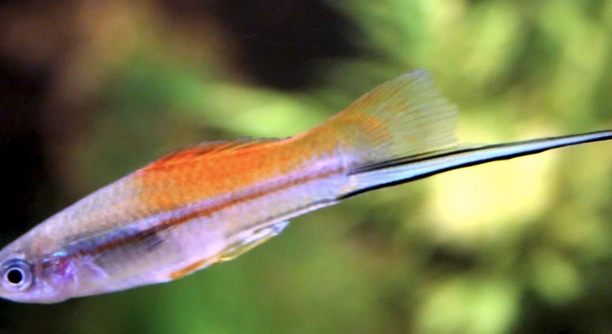
Swordtails are a popular and colorful fish that many aquarium enthusiasts enjoy. However, managing their population can sometimes be challenging. If you’re noticing your swordtail numbers growing too fast, you’re not alone.
Managing swordtail populations requires a balance of strategies such as controlling breeding and limiting space. A few effective tricks include removing males, adjusting water temperature, and controlling feeding habits. These techniques will help regulate their growth over time.
By following these tips, you can maintain a healthy balance in your aquarium. You’ll learn how simple adjustments can keep your swordtail population in check, ensuring a thriving aquatic environment for your fish.
Remove Male Swordtails to Control Population
One of the easiest and most effective ways to manage swordtail populations is by removing male fish from the tank. Since males are the ones that actively breed, taking them out will stop further reproduction. You don’t have to completely remove all males, but limiting their number can slow down the breeding cycle. This method works best when you can separate the sexes, keeping only females in your aquarium for a while. If your tank has a heavy male presence, the population may quickly spiral out of control.
Removing males allows female swordtails to focus on existing fry instead of producing more. Without males, you’re essentially halting the cycle temporarily. You can gradually reintroduce males later if desired. This step prevents overpopulation without causing unnecessary stress to your fish.
It’s important to monitor the remaining females. They may still give birth to fry from previous breeding sessions. Managing the gender ratio gives you better control over when and how many swordtails populate your tank.
Control Feeding to Prevent Overgrowth
Controlling how much you feed your swordtails can help keep the population in check. Overfeeding encourages growth, which can lead to more fish.
Overfeeding swordtails can lead to not only population issues but also water quality problems. Fish will breed more frequently when there is an abundance of food, so be sure to only provide what they can consume in a few minutes. By adjusting feeding habits, you can manage their growth and maintain a healthier environment. Additionally, this will prevent waste buildup in the tank.
Adjust Water Temperature for Breeding Control
Swordtails breed more actively in warmer water. By lowering the temperature, you can slow down the breeding process. Keep your tank at a temperature that’s slightly cooler than usual, ideally around 70-75°F. This will reduce the chances of swordtail fry being born.
Lowering the temperature not only limits breeding but also helps maintain a more stable environment for your fish. This can be particularly useful if you notice your swordtail population quickly growing. Swordtails thrive in warmer temperatures, but by keeping the water cooler, you essentially mimic seasonal changes that discourage reproduction.
However, be mindful not to drop the temperature too drastically. A sudden change can stress your fish and affect their health. Gradual adjustments are the key to controlling the breeding cycle while ensuring your swordtails remain happy and healthy.
Separate Swordtails Into Different Tanks
Keeping males and females in separate tanks is another way to control the swordtail population. By isolating females from males, you completely eliminate the chances of unwanted breeding. This can be a temporary measure until you are ready to introduce males back into the tank.
It’s important to provide enough space for both males and females in their separate tanks. Ensure that each tank has proper filtration and water quality to keep the fish comfortable. This approach requires a bit more effort but gives you total control over when your swordtails breed. Additionally, separating them helps reduce any stress caused by overcrowding.
Remove Fry From the Main Tank
Once the swordtail fry are born, it’s important to remove them from the main tank. Adult swordtails may eat the babies, which leads to a sudden drop in population. You can use a separate breeding tank or a fry box to keep the young fish safe.
By isolating the fry, you ensure their survival and prevent overcrowding. Overcrowded tanks can lead to stress, poor water quality, and potential health issues for both adults and fry. It also gives the young swordtails a better chance to grow without competition for space and food.
Use Aquarium Plants for Hiding Spaces
Adding plants to your tank can offer hiding spots for fry, helping them stay safe from adult swordtails. Plants like java moss or floating plants work well for this purpose. These plants give young fish a place to hide and escape predators.
Plant cover also promotes a more natural environment, which benefits all your fish. When swordtail fry have a place to hide, they are less likely to be eaten by adults. Adding plants can also improve water quality by absorbing excess nutrients.
FAQ
How often do swordtails breed?
Swordtails can breed every 4-6 weeks, depending on the water temperature and other environmental factors. In warmer water, they tend to breed more frequently, sometimes giving birth every month. If you’re trying to manage their population, it’s important to monitor the tank conditions and make adjustments accordingly. Reducing water temperature can slow down their breeding cycle, while maintaining a cooler environment may help limit their reproductive activity.
How many fry can swordtails have at once?
A single female swordtail can give birth to anywhere from 20 to 100 fry at once, depending on her size, age, and overall health. Larger females tend to have larger batches, while smaller ones may have fewer fry. This large number can lead to a rapid increase in population, especially if they’re left to breed freely in the tank. Keeping the number of males low or separating them can prevent these large batches from overwhelming your tank.
How can I tell if my swordtails are pregnant?
Pregnant swordtails can be identified by the dark spot near their abdomen, which becomes larger and more pronounced as they approach birth. The female will also appear noticeably rounder. This spot, known as the gravid spot, is where the fry are developing. As her pregnancy progresses, you’ll notice the spot becoming darker and more visible. A pregnant swordtail may also exhibit some behavior changes, like hiding more or becoming less active.
Should I separate pregnant swordtails from the rest of the tank?
It’s a good idea to separate pregnant swordtails from the rest of the tank if you want to prevent them from being stressed or eaten by other fish. This is especially important if you have aggressive or larger fish in the tank. You can use a breeding box or a separate tank to allow the female to give birth in peace. This also allows you to care for the fry once they’re born and ensures their safety.
How long does it take for swordtail fry to grow?
Swordtail fry generally grow quickly, with noticeable changes in size within the first few weeks. By the time they are 1 month old, they will have developed their adult coloring and shape, though males may take a little longer to fully mature. Within 6-8 weeks, swordtail fry can start to show signs of gender differentiation, with males developing their sword-like tail extensions. During this time, it’s crucial to provide them with proper care, feeding them appropriate foods to promote healthy growth.
Can swordtails live with other fish?
Yes, swordtails can live with many other species of fish, especially those that are peaceful and non-aggressive. They are generally social and do well in community tanks. However, they should be kept with fish that have similar water temperature and pH requirements. Avoid keeping them with fin-nipping species or aggressive fish that may harass them or eat their fry.
How can I control the swordtail population without removing males?
If removing males isn’t an option, you can control the population by managing feeding, water temperature, and introducing more plants for hiding spaces. Additionally, you could limit the number of adult swordtails in the tank to prevent overcrowding. Reducing the number of hiding spaces can also discourage the growth of fry, though it’s not as effective as separating the sexes.
What should I feed swordtail fry?
Swordtail fry need finely crushed flake food, liquid fry food, or newly hatched brine shrimp. The smaller and more nutrient-dense the food, the better it is for their growth. It’s important to feed them small amounts multiple times a day to ensure they are getting enough to eat. Avoid overfeeding, as this can cause water quality issues in the tank.
How do I prevent swordtails from overpopulating?
To prevent swordtail overpopulation, limit the number of males in the tank, adjust water temperature, and separate pregnant females into breeding tanks. Keeping the number of adult swordtails low, removing fry promptly, and controlling food intake can help keep the population under control. Regularly monitoring the tank and adjusting conditions as needed will help maintain balance in the aquarium.
What are the signs of swordtail health problems?
Common signs of health issues in swordtails include faded colors, lethargy, loss of appetite, abnormal swimming patterns, or visible lesions or sores. If you notice any of these symptoms, it’s important to isolate the affected fish, check water parameters (such as pH, ammonia, and nitrate levels), and address the underlying cause of the illness. Stress, poor water quality, or disease can cause these symptoms, and timely intervention is key to preventing it from spreading.
Final Thoughts
Managing a swordtail population in your aquarium doesn’t have to be overwhelming. With just a few simple adjustments to water temperature, feeding routines, and tank organization, you can keep the population in check without much hassle. The key is being proactive and monitoring the fish regularly. If you notice the numbers rising faster than expected, taking quick action can help prevent overcrowding and keep your aquarium in balance.
One important thing to keep in mind is that swordtails are livebearers, meaning they give birth to live young instead of laying eggs. This makes managing their population a bit more challenging since you’ll often find yourself dealing with fry. However, using techniques like separating males from females, lowering the water temperature, and removing fry as soon as they’re born can make a big difference. Creating an environment where they’re less likely to breed can reduce the number of new swordtails in the tank over time.
The health of your fish should always be a priority, so don’t forget to maintain good water quality and provide a balanced diet. Healthy swordtails will thrive, and your aquarium will stay in a good condition. Keeping the population under control is just one aspect of maintaining a healthy tank. By ensuring proper care and taking steps to limit reproduction, you’ll help your swordtails live long and happy lives without overwhelming your space.

Hello,
If you enjoy the content that we create, please consider saying a "Thank You!" by leaving a tip.
Every little bit helps us continue crafting quality advice that supports the health, happiness, and well-being of pets around the world, for pets of all shapes, sizes, and species.
We really appreciate the kindness and support that you show us!