
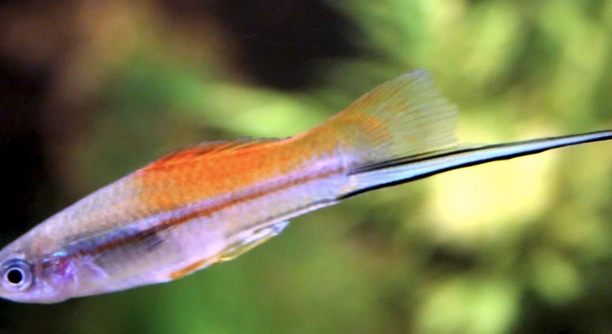
Swordtails are peaceful, colorful fish often kept in home aquariums. Their friendly nature and ability to adapt to various environments make them a popular choice among fishkeepers. However, their compatibility with other aquatic animals is a common concern.
Swordtails generally do not live well with frogs or crabs due to differing habitat needs and behaviors. Frogs require slower-moving waters and specific temperatures, while crabs can be territorial. These differences can result in stress or aggression among the species.
Understanding how to properly house swordtails with other animals is essential for maintaining a peaceful and healthy aquarium environment.
Compatibility of Swordtails with Frogs
Swordtails are peaceful fish, but this doesn’t mean they can get along with all species. When considering adding frogs to your tank, it’s important to understand that their needs may differ significantly from swordtails. Frogs typically prefer slow-moving water and require a more specific habitat setup. If the water is too fast or if the conditions are not right, the frog will become stressed, which could also affect the swordtail. Moreover, some frogs are territorial and may see smaller fish, like swordtails, as threats.
It’s best to research each species’ behavior and habitat requirements before introducing them to the same tank. While it may seem like a great idea to have both in one tank, the risk of stress and aggression could outweigh the benefits. Each species deserves its own space to thrive.
Frogs, with their unique needs and territorial behavior, may not make the best companions for swordtails. Their needs for slower-moving water and proper hiding spots can create unnecessary tension. Ensuring both animals are comfortable is key to their well-being.
Compatibility of Swordtails with Crabs
Crabs, much like frogs, have specific care requirements. Most crabs are bottom dwellers and may have a tendency to roam and pick at plants and other tank inhabitants. If placed in the same environment as swordtails, their territorial nature might cause problems. Crabs can easily become aggressive, especially if they feel their space is threatened by smaller fish. Swordtails, while peaceful, could become stressed in such an environment.
In addition to potential aggression, crabs also require hiding spots and access to land, which might conflict with the needs of swordtails. Their interactions often lead to stress, which negatively impacts both species. To maintain harmony, it is better to keep them separate.
Swordtails and Water Conditions
Swordtails thrive in stable water conditions, typically between 72°F and 79°F, with a pH of 7.0-8.0. Frogs and crabs, however, may have different temperature and pH preferences, which could make it difficult to meet the needs of both species simultaneously. Inconsistent water conditions could lead to stress or health problems for all animals involved.
Frogs, especially aquatic species, need specific temperature ranges and prefer low-flow, calm waters. This can create a problem for swordtails, which are more comfortable in slightly faster-moving water. For crabs, the need for cooler temperatures and brackish water is another obstacle. When both swordtails and these species are housed together, the water conditions might not be suitable for one or the other, leading to stress, illness, or aggression.
To ensure the health of all your tank inhabitants, you should carefully monitor the water quality and temperature. It’s important to adjust the setup to accommodate the unique needs of each species, but keeping swordtails with frogs or crabs may be more trouble than it’s worth.
Territorial Behavior
Swordtails are generally peaceful, but they do have territories in their natural environment. In a tank, they can become stressed if they feel crowded or threatened. Frogs and crabs, on the other hand, tend to be more territorial. This can lead to aggression, especially when food is scarce or they’re competing for hiding spots.
Crabs, particularly, are known to defend their territories aggressively. They might even view swordtails as competitors for space or food. Frogs can exhibit similar behavior if they feel confined, and both species may cause swordtails to become stressed or injured. Swordtails do best in a calm, well-spaced environment where they’re not competing for territory. The addition of frogs or crabs might create unnecessary tension, leading to poor tank conditions for everyone involved.
Understanding each species’ territorial needs is crucial to creating a balanced tank environment. Without proper space, your swordtails might be left feeling stressed and vulnerable, which can negatively impact their health.
Feeding and Diet Considerations
Swordtails are omnivores, typically feeding on flake food, algae, and small invertebrates. Frogs and crabs have different dietary needs. Frogs often require live foods like insects, while crabs may need protein-rich foods and detritus. These differences can create competition for food in the same tank.
Feeding times can become chaotic if you have swordtails, frogs, and crabs in the same tank. Crabs may try to snatch food away from swordtails, while frogs may have difficulty finding food if it’s not moving. This can lead to malnutrition or stress for the fish. It’s important to offer food tailored to each species’ dietary preferences to reduce competition.
Managing feeding schedules and ensuring proper nutrition for all animals is crucial. It might be easier to feed them separately or use food specifically designed for each species. This ensures everyone gets what they need without causing tension in the tank.
Tank Size and Space
Swordtails need at least a 20-gallon tank to thrive. Frogs and crabs require space as well, with crabs often needing a tank that provides both aquatic and land areas. In smaller tanks, these species could become stressed, leading to poor health and aggressive behavior.
A crowded tank can quickly lead to problems. Swordtails might become territorial, while frogs and crabs could feel trapped. With enough space, each species can find its own area to thrive. It’s best to provide a larger tank where each animal can enjoy its own territory, reducing potential conflicts.
Water Flow and Oxygenation
Swordtails prefer moderate water flow to help oxygenate the tank, while frogs tend to do better in slower-moving water. Crabs need well-oxygenated water to thrive, but the water flow must be manageable for them to move easily. This difference in needs can create challenges when keeping these species together.
Maintaining the right water flow and oxygenation is essential for all species to survive. For swordtails, gentle currents are fine, but frogs need calmer waters. Crabs, on the other hand, require a balance—too much flow and they’ll struggle to move around. Regular monitoring and adjusting of the water flow can help meet the needs of each species in a mixed tank.
FAQ
Can swordtails live with frogs?
Swordtails generally do not thrive with frogs due to their differing needs and behaviors. Frogs require specific water conditions, such as slower-moving water, and can be territorial. If the environment isn’t ideal, frogs might stress out the swordtails, leading to poor health for both species. Additionally, frogs are bottom dwellers and can interfere with swordtails’ feeding habits. Keeping them in separate tanks is often the best solution to ensure each species is happy and healthy.
Can swordtails live with crabs?
Swordtails are also not a great match for crabs. Crabs tend to be more aggressive and territorial, especially when defending their space or food. Crabs can view swordtails as competition or even potential food. Swordtails may become stressed, leading to behavioral issues or injuries. The water requirements of crabs (often brackish or cooler) also differ from swordtails’ preferred warm freshwater environment, making them poor tank mates.
What kind of water conditions do swordtails need?
Swordtails require a stable freshwater environment with a temperature range between 72°F and 79°F. The pH should be between 7.0 and 8.0, and the water should be moderately hard. These conditions ensure swordtails remain healthy and active. If water quality is inconsistent, swordtails may become stressed, leading to illness. When adding other species like frogs or crabs, their specific water requirements might conflict with the swordtail’s needs, further complicating things.
Can swordtails live with other fish?
Swordtails are generally peaceful and can live with other non-aggressive fish, especially species of similar size and temperament. They get along well with fish like guppies, tetras, and other livebearers. It’s important to avoid aggressive fish that may nip at their fins or compete for space and food. Keeping swordtails with similar species will help them thrive and avoid stress.
Do swordtails require special care?
Swordtails are relatively low-maintenance but do require regular water changes, proper filtration, and a balanced diet. They should be kept in a well-maintained tank with stable water parameters. Swordtails enjoy a variety of foods, including flakes, pellets, and live or frozen foods like brine shrimp. Providing them with hiding spots and plants can help reduce stress, especially if you plan on keeping them with other species.
Can swordtails be kept in a tank with live plants?
Yes, swordtails can live in tanks with live plants. They enjoy swimming through the plants and can use them as hiding spots. Live plants also help maintain water quality by absorbing excess nutrients. Swordtails won’t usually damage the plants, although some may nibble on soft-leaved varieties. It’s a good idea to choose hardy plants that can withstand occasional nibbling and thrive in similar water conditions.
How do swordtails reproduce?
Swordtails are livebearers, meaning they give birth to live young rather than laying eggs. Female swordtails can store sperm from a male for several weeks, allowing them to fertilize eggs over time. After about four weeks, the female will give birth to anywhere from 20 to 100 tiny fish. These fry are typically independent from birth and will need small food like infusoria or baby brine shrimp. It’s important to have a separate breeding tank to prevent adult swordtails from eating the babies.
What is the lifespan of a swordtail?
Swordtails generally live for around 3 to 5 years, depending on their care and environment. Maintaining clean water, a stable temperature, and a nutritious diet will help ensure your swordtail lives a long and healthy life. Swordtails are relatively hardy, but they are still susceptible to poor water quality and diseases if not properly cared for.
Are swordtails aggressive?
Swordtails are generally peaceful but can exhibit territorial behavior, particularly during mating. Males may become aggressive towards each other, especially if there are too many males in the tank. They may chase and display fin-flaring behavior to assert dominance. However, they are usually not harmful and will generally not harm other species unless provoked.
What do swordtails eat?
Swordtails are omnivores and enjoy a varied diet. They typically eat high-quality flake food, pellets, and occasional live or frozen foods such as brine shrimp or bloodworms. They also graze on algae and plant matter, so adding some live plants to the tank will help provide some natural food sources. A balanced diet will help swordtails maintain their vibrant colors and active nature.
Can swordtails live in brackish water?
Swordtails prefer freshwater, but they can tolerate very low levels of salinity. However, it is not recommended to keep swordtails in brackish water for long periods, as it can affect their health. If you have crabs or other brackish species in the same tank, it’s best to ensure that the salinity is kept at levels that are tolerable for swordtails without stressing them out.
Final Thoughts
When considering whether swordtails can live with frogs or crabs, it’s clear that the answer depends on the specific needs of each species. Swordtails thrive in a stable freshwater environment with moderate water flow, while frogs and crabs have different requirements that may not match those of swordtails. Frogs tend to prefer slower-moving water, and crabs often require more specialized conditions, such as brackish water or specific areas to crawl. These differences make it difficult to create a harmonious environment for all species in the same tank without careful planning.
If you’re determined to keep these species together, a larger tank with multiple sections may help reduce stress and territorial disputes. However, even with this setup, the challenge lies in meeting each species’ unique environmental needs. For example, swordtails need higher temperatures, while frogs might require cooler water. Similarly, the feeding habits of swordtails, frogs, and crabs can cause competition for resources, which can stress out the fish. It’s essential to keep in mind that different species may not always get along as well as hoped, and providing a stress-free environment for each can be difficult.
Ultimately, the best approach is to focus on the well-being of each species. If you can offer a tank tailored to the needs of swordtails, frogs, or crabs individually, they are more likely to thrive. It might be best to avoid keeping swordtails with frogs and crabs, especially if you want a peaceful and healthy tank. By ensuring each species has the space and conditions they need, you can enjoy their vibrant colors and behaviors without the challenges that come from mixing species with conflicting needs.

Hello,
If you enjoy the content that we create, please consider saying a "Thank You!" by leaving a tip.
Every little bit helps us continue crafting quality advice that supports the health, happiness, and well-being of pets around the world, for pets of all shapes, sizes, and species.
We really appreciate the kindness and support that you show us!