
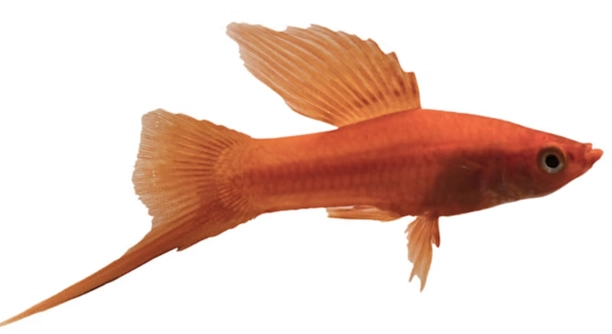
Swordtails are popular aquarium fish, often admired for their vibrant colors and graceful movements. They are known for their playful nature, but do they develop social routines? Understanding their behavior can be fascinating for any aquarium enthusiast.
Swordtails do develop social routines, influenced by factors such as water conditions, food availability, and interactions with other fish. These routines can be observed in their feeding habits, group swimming patterns, and social hierarchies within their environments.
Recognizing these patterns in your swordtails can help you provide them with a healthier and more stimulating habitat. Understanding their social behavior also enhances your ability to care for them effectively.
Swordtails’ Social Behavior and Group Dynamics
Swordtails, like many other fish species, are not solitary creatures. They thrive in groups and often interact with one another, forming unique social patterns. These behaviors can be seen in the way they group together during feeding time or when swimming. When placed in a larger tank, swordtails tend to develop distinct roles, such as dominant fish, while others play a more passive role. Over time, they begin to exhibit familiar routines based on the tank’s structure, such as swimming in the same spots and following specific paths. Their social bonds are not based on visible affection, but more on safety and comfort in numbers.
Their social structure may also be influenced by the fish’s age and size. Younger swordtails are generally more active and curious, while older ones tend to be more passive. It’s common to observe larger, more dominant individuals taking the lead during feeding times, while smaller or younger fish may follow. This dynamic can change based on environmental factors such as food availability or changes in the tank setup.
Swordtails also display a form of social hierarchy that influences their behavior. For example, they may establish territories, with dominant males often asserting control over certain areas of the tank. While there is no visible aggression, you may notice the males chasing each other or establishing their space. This routine behavior is an essential part of their social lives, ensuring they maintain order within the group.
The Impact of Tank Environment on Social Behavior
Tank environment plays a significant role in shaping swordtails’ social habits. Fish often react to the available space, hiding spots, and even water quality. When swordtails feel secure in their environment, their social interactions are more positive and consistent.
A larger tank with plenty of hiding spots encourages swordtails to develop more natural routines, reducing stress and allowing them to feel comfortable enough to socialize. Poor water conditions, on the other hand, can lead to erratic behavior, with swordtails spending more time avoiding each other rather than forming group routines. Ensuring proper water conditions and tank setup will help swordtails interact more naturally and strengthen their social bonds.
Swordtails’ Feeding Habits and Social Influence
Swordtails’ feeding habits are a key part of their social routines. They tend to feed in groups, with more dominant fish eating first. This behavior allows the smaller or younger fish to observe and learn safe feeding times. They often stick together, creating an unspoken order during meals.
While swordtails can feed alone, they are more likely to establish a pattern when in a group. As the dominant fish lead the way, others follow. This creates a sense of predictability that benefits the fish. When feeding together, they display behaviors like nipping at food and swimming in the same direction. This social feeding routine gives them comfort and structure.
The presence of food also influences swordtails’ social interactions. If the tank’s food supply is irregular, you may see more competitive behavior. Smaller or weaker fish may struggle to get their share, and this can disrupt their social harmony. Stable feeding routines are important for their well-being, as they help reduce aggression and keep the group dynamic balanced.
Social Hierarchy and Mating Rituals
Swordtails establish a social hierarchy that plays a role in their mating behaviors. Dominant males usually take the lead, asserting their position through subtle displays of aggression or territory guarding. These behaviors are a part of their social routine, as males use them to attract females.
Mating rituals are influenced by this social structure. Dominant males often perform elaborate displays, like fin flaring and chasing, to impress females. These behaviors signal their health and genetic strength, increasing their chances of mating. During these times, the weaker males typically retreat, respecting the established hierarchy. Social interactions between males are thus critical to maintaining order in their community.
Females, on the other hand, may watch the males’ displays before selecting a mate. The social hierarchy ensures that only the strongest males have the opportunity to mate, which in turn helps maintain a healthy population. Their mating behavior is not just about reproduction but is also influenced by social norms within the group.
Swordtails’ Interactions with Other Fish Species
Swordtails tend to form different social routines when kept with other fish species. They are generally peaceful but may show territorial behavior when placed with more aggressive fish. Their interactions depend on the tank’s environment and the species they are sharing space with.
When kept in community tanks, swordtails may stick to their own group, avoiding larger or more aggressive fish. They can adjust to peaceful tank mates and will often swim around together in the same area. This behavior reflects their need for safety in numbers, especially when new or unfamiliar fish are introduced.
Over time, swordtails may develop a tolerance for other species as they adjust to their presence. They don’t engage in territorial disputes unless provoked, usually preferring to coexist peacefully. However, in tanks with aggressive species, swordtails may retreat to corners or hide in plants to avoid conflict.
Swordtail Behavior in Breeding Groups
In breeding groups, swordtails show a different level of social organization. The males compete for attention, and females tend to pick the healthiest or most dominant ones. The social hierarchy that develops during breeding periods is important for reproduction success.
Swordtails often thrive in these breeding groups, as the presence of multiple males increases genetic diversity. Males perform specific displays to attract females, including darting and tail movements. This active competition ensures that the strongest and most capable males get the chance to mate, contributing to the population’s overall health.
FAQ
Do swordtails need to be kept in groups to develop social routines?
Yes, swordtails thrive in groups. They are social fish, and being in a group helps them develop routines. In a community setting, they create a natural order where more dominant fish lead, while smaller or younger fish follow. Keeping swordtails alone can make them more stressed and less likely to show the social behaviors they typically develop in a group.
What factors influence swordtails’ social routines?
The key factors include water quality, tank size, and food availability. Swordtails establish routines based on these aspects. Clean water and enough space allow them to interact without stress, while regular feeding times help them form predictable behaviors. A tank that’s too small or poorly maintained can cause disruptions in their social structure, making them more prone to aggression or hiding.
Can swordtails exhibit aggressive behavior in a social group?
Yes, swordtails can show some aggression, especially if they are crowded or their space is threatened. Males, in particular, might display aggressive behavior toward each other when competing for food or mates. However, in most cases, swordtails are relatively peaceful and prefer to swim together rather than fight. Aggression is more likely to occur in smaller, overcrowded tanks or when paired with more territorial species.
How can I encourage swordtails to form social routines?
To encourage healthy social routines, provide swordtails with ample space to swim, hiding spots for comfort, and a consistent feeding schedule. Avoid overcrowding the tank, as this can lead to stress and hinder their ability to form social bonds. Keeping the water clean and ensuring a stable environment will also help maintain their routines.
Are swordtails territorial?
Swordtails are not very territorial, but males can show territorial behavior, especially during breeding. They may guard certain areas of the tank, particularly during courtship or when food is abundant. In general, they don’t become overly aggressive unless they feel their space or resources are being threatened.
How does tank size impact swordtail social behavior?
Tank size has a big impact on swordtail social behavior. A larger tank allows them to swim freely, reducing stress and promoting social routines. In a cramped space, swordtails may become more aggressive and less likely to establish natural routines. A tank of at least 20 gallons is recommended for a group of swordtails, as this gives them room to interact without competing for space constantly.
Can swordtails form bonds with other fish species?
Swordtails can form peaceful interactions with many other species, particularly if they share similar temperaments. They are generally non-aggressive and will often coexist with fish that don’t threaten their space or food. However, their social bonds are mostly formed with other swordtails, and they may avoid or ignore other species unless they are peaceful.
Do swordtails develop specific feeding routines?
Yes, swordtails tend to develop feeding routines, especially when kept in groups. Dominant fish may eat first, followed by smaller or younger fish. This routine can be observed regularly if the feeding schedule is consistent. Over time, swordtails will recognize feeding times and may even swim to the feeding area in anticipation.
How do swordtails display their social hierarchy?
Swordtails display their social hierarchy through subtle behaviors such as chasing and swimming in specific areas of the tank. Dominant males may assert their position by guarding territories or swimming in more visible spots. The weaker or smaller fish tend to avoid confrontation and stay closer to the bottom or corners of the tank.
What is the best way to introduce new swordtails to a tank?
When introducing new swordtails, it’s essential to do so gradually to minimize stress and aggression. Use a quarantine tank first to check the new fish for any health issues. Afterward, introduce them slowly to the main tank, allowing the established fish to get used to their presence. Make sure there’s enough space and hiding spots for all fish to avoid conflicts.
How often do swordtails breed in a social group?
Swordtails can breed regularly, especially in a stable and well-maintained tank. In the right conditions, they can breed every 4-6 weeks. The presence of other swordtails encourages mating behavior, with males displaying their fins and chasing females. This natural breeding cycle is part of their social routine, but it can be managed if you don’t want frequent offspring.
Do swordtails care for their offspring?
Swordtails do not care for their offspring once they are born. They are livebearers, meaning females give birth to fully developed fry. After birth, the young swordtails are left to fend for themselves. In fact, adult swordtails, including the mother, may eat the fry if they are not separated or given enough hiding places.
Can I keep swordtails with other livebearers?
Yes, swordtails can generally be kept with other livebearers like guppies or mollies. They share similar care requirements, such as water temperature and pH levels. However, be cautious with tank mates that might compete for space or food. Swordtails are peaceful by nature but can become territorial during breeding periods.
How can I tell if my swordtails are healthy?
Healthy swordtails are active, swim freely, and have bright, vibrant colors. They should not show signs of stress, like rapid gill movement, staying at the bottom of the tank, or hiding constantly. A healthy swordtail will also eat regularly and exhibit natural social behaviors within its group.
What should I do if my swordtails seem stressed?
If your swordtails seem stressed, first check the water quality. Poor water conditions can cause significant stress and disrupt social routines. Ensure the water temperature, pH, and ammonia levels are within appropriate ranges. Also, avoid overcrowding and ensure they have enough space to swim comfortably. Reducing stressors like loud noises or tank disturbances can help improve their well-being.
Why are my swordtails not socializing with each other?
Swordtails might not socialize if they are stressed, sick, or kept in inadequate conditions. Lack of space, poor water quality, or aggressive tank mates can cause them to hide or act reclusive. Make sure they have a comfortable environment and check for signs of illness or injury.
Can I keep swordtails with non-fish animals, like snails?
Swordtails are generally compatible with peaceful non-fish animals like snails or shrimp. Snails can help clean the tank, and swordtails won’t typically bother them. Just ensure that the snails don’t interfere with the swordtails’ feeding routine. Snails can be a great addition to a swordtail tank without disturbing their social behavior.
Final Thoughts
Swordtails are fascinating fish to observe, especially when it comes to their social behavior. They are not solitary creatures and thrive when kept in groups. Their interactions with one another are based on a social structure where dominant fish take the lead, while others follow. This creates a natural order that makes swordtails feel safe and secure. Observing these behaviors in your own tank can help you understand how swordtails interact and form their routines, making it easier to provide the best care possible. With the right environment and a bit of patience, you’ll see how swordtails develop their social habits over time.
The key to keeping swordtails happy and healthy lies in creating a suitable tank environment. A tank with ample space, good water quality, and proper hiding spots will help swordtails feel more at ease and encourage their natural social routines. Without these conditions, their behavior can become erratic, and stress can affect their well-being. Swordtails are also relatively peaceful fish, so it’s important to keep them with tank mates that are not aggressive. If they feel threatened by other fish or the environment, their social behavior may shift, and they might become more withdrawn or territorial. It’s essential to keep the tank balanced to ensure that their social interactions remain calm and structured.
In the end, understanding swordtails’ social routines will help you care for them more effectively. By recognizing their need for social interactions and providing a space that supports their natural behaviors, you can create a peaceful and thriving aquarium. Swordtails are active fish that enjoy swimming together and forming group dynamics. Keeping them in an appropriate environment allows their social routines to flourish, benefiting their overall health and happiness. Whether you’re a beginner or experienced fish keeper, swordtails can be a rewarding species to care for when their social needs are met.

Hello,
If you enjoy the content that we create, please consider saying a "Thank You!" by leaving a tip.
Every little bit helps us continue crafting quality advice that supports the health, happiness, and well-being of pets around the world, for pets of all shapes, sizes, and species.
We really appreciate the kindness and support that you show us!