
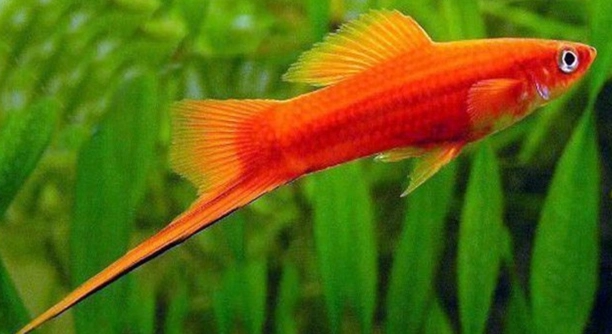
Swordtails are popular aquarium fish, known for their vibrant colors and active nature. However, like many fish species, they can be susceptible to various health issues that may affect their overall well-being. Understanding these potential risks is essential for maintaining a healthy tank environment.
Swordtails are prone to several diseases, such as white spot disease (Ich), fin rot, and swim bladder issues. These conditions can be caused by poor water quality, overcrowding, or stress, which weakens their immune system and increases susceptibility to infections.
Maintaining proper water conditions and diet is crucial in preventing these diseases. Identifying early signs can help address issues before they worsen.
Common Diseases in Swordtails
Swordtails are prone to various diseases that can quickly affect their health if not addressed. One of the most common conditions is white spot disease, also known as Ich. This parasitic infection causes small white spots to appear on the fish’s skin, fins, and gills. Another common issue is fin rot, often caused by bacterial infections that result in damaged or decaying fins. Swim bladder problems can also occur, affecting the fish’s buoyancy and ability to swim properly. These diseases are typically linked to poor water conditions, overcrowding, and stress.
Proper care, such as maintaining good water quality and avoiding overcrowding, can significantly reduce the likelihood of these diseases.
Swordtails can become more susceptible to these illnesses when stressed or exposed to unsanitary tank conditions. Regular water changes, proper filtration, and ensuring a balanced diet can help prevent these diseases from affecting your fish.
Identifying Early Signs of Illness
Knowing the early signs of illness in swordtails can help prevent more severe health problems.
When swordtails begin to exhibit abnormal behavior such as lethargy, loss of appetite, or unusual swimming patterns, it is important to check their environment. Poor water quality, overcrowding, and stress are usually the underlying factors.
Importance of Water Quality
Maintaining good water quality is essential for swordtail health. Regular water changes, proper filtration, and monitoring water parameters, such as temperature, pH, and ammonia levels, can prevent many health problems. Swordtails are sensitive to poor water conditions, which can lead to stress and increased susceptibility to diseases.
Unstable water quality can directly impact the immune system of swordtails. Ammonia spikes, high nitrate levels, or fluctuating temperatures can cause stress and lead to infections. Testing water regularly ensures that any imbalances are addressed quickly. Keeping the water clean is the first step to preventing common health issues.
To maintain good water quality, perform regular water changes—about 25% every week. Invest in a reliable filter and make sure it is suitable for your tank size. Use a water conditioner to neutralize harmful chemicals and avoid overfeeding your fish, which can lead to excess waste in the water.
Diet and Nutrition
Swordtails require a balanced diet to stay healthy. Overfeeding or feeding them the wrong foods can lead to health issues. A varied diet of high-quality flakes, pellets, and occasional live or frozen foods can ensure they get the necessary nutrients.
To keep your swordtail healthy, provide a diet that includes both plant-based and protein-rich foods. This helps in boosting their immune system, promoting growth, and enhancing vibrant coloration. Overfeeding should be avoided, as excess food can lead to poor water quality, further stressing the fish.
It is important to feed your swordtail small amounts two to three times a day. Any uneaten food should be removed promptly to prevent water contamination. Additionally, supplementing their diet with vegetables like spinach or zucchini can improve digestion and overall health.
Stress and Swordtail Health
Stress is a major factor in swordtail health problems. Overcrowding, poor water quality, or sudden changes in the tank environment can trigger stress, weakening their immune system. This makes them more vulnerable to diseases and infections. Reducing stress is key to maintaining their well-being.
Swordtails thrive in stable environments with consistent water conditions. Avoid placing them in overly crowded tanks, as this can cause constant stress. Provide plenty of hiding spaces and plants to create a calm environment. Ensuring that the tank temperature is stable and not fluctuating also helps reduce stress levels.
Preventing Disease Outbreaks
Disease outbreaks can spread quickly in a tank if not properly managed. To prevent this, isolate any sick fish immediately. Regular water testing and maintaining a proper filtration system help avoid common diseases. Quarantining new fish before introducing them to your tank is also essential.
By practicing good hygiene, such as cleaning tanks and removing uneaten food, you can prevent many common fish diseases. Keeping the tank at optimal water parameters and avoiding overcrowding ensures that swordtails remain healthy. Regular monitoring of their health and environment will keep outbreaks at bay.
Regular Health Checks
Regular health checks are vital for swordtail maintenance. Keep an eye on their behavior and physical appearance. Look for any signs of unusual spots, lesions, or changes in swimming patterns. Early detection can prevent serious health issues from developing.
Checking for visible symptoms of stress or illness will help you identify potential problems before they worsen. Monitoring your swordtail’s feeding habits and overall activity also provides insight into their health.
FAQ
What are the most common diseases in swordtails?
Swordtails are prone to several common diseases. White spot disease (Ich) is one of the most frequently encountered conditions. It appears as small white dots on the fish’s body and fins. Fin rot, caused by bacterial infections, can lead to the deterioration of fins. Swim bladder disorders are also common, affecting the fish’s ability to swim properly. Maintaining clean water and avoiding overcrowding are key to preventing these diseases.
How can I prevent diseases in my swordtails?
Preventing diseases in swordtails starts with good tank management. Keeping the water clean by doing regular water changes is essential. Overcrowding should be avoided, as it can stress the fish, weakening their immune system. Always quarantine new fish before introducing them to your tank to avoid introducing any potential diseases.
How often should I change the water in my swordtail tank?
For swordtails, a 25% water change every week is ideal. This ensures that the water remains clean and free from harmful toxins. If the tank is heavily stocked, or if the water quality deteriorates quickly, more frequent water changes may be necessary. Consistent water changes help maintain a stable environment for your swordtails.
What are the signs that my swordtail is stressed?
Signs of stress in swordtails include lethargy, loss of appetite, and abnormal swimming behavior. If your fish starts hiding more than usual or swims erratically, it may be stressed. Stress is often caused by poor water conditions, overcrowding, or changes in the tank environment. Addressing these issues can help reduce stress.
Can swordtails live with other fish?
Swordtails are peaceful and social fish, making them suitable for community tanks. They generally get along well with other species, as long as the other fish are not overly aggressive. Avoid keeping them with fish that are known to nip fins or compete for food aggressively.
How can I ensure my swordtail’s diet is balanced?
A balanced diet for swordtails includes high-quality flake or pellet food, supplemented with occasional live or frozen food like brine shrimp or daphnia. It is also beneficial to provide plant-based foods, such as spinach or zucchini. Feed your swordtails small amounts two to three times a day, removing any uneaten food to prevent water contamination.
What temperature should my swordtail tank be?
Swordtails prefer warm water, typically between 72°F and 78°F (22°C to 25°C). Temperature stability is crucial, so avoid rapid fluctuations. A reliable heater and thermometer will help maintain the optimal temperature. Sudden changes can stress the fish and lead to health issues.
How can I treat white spot disease in swordtails?
White spot disease (Ich) is usually treated with medicated fish treatments available at most pet stores. It is important to follow the instructions on the medication carefully. During treatment, raise the water temperature slightly to speed up the parasite’s life cycle, which can help the medication work more effectively.
Is it necessary to quarantine new fish before adding them to my tank?
Yes, quarantining new fish is essential to avoid introducing diseases into your main tank. Place new fish in a separate quarantine tank for 2 to 4 weeks. This allows you to monitor them for any signs of illness before adding them to your established tank.
What should I do if my swordtail has fin rot?
Fin rot can be treated with antibiotics specifically designed for fish. Isolate the infected fish to prevent the spread of bacteria and begin treatment immediately. It is important to also improve water quality and avoid overfeeding, as poor water conditions can contribute to the development of fin rot.
How can I prevent swim bladder problems in swordtails?
Swim bladder issues are often caused by overfeeding or poor water quality. Avoid overfeeding your swordtail, and remove any uneaten food promptly. Feeding a balanced diet and ensuring the tank water is clean and properly filtered can help prevent swim bladder problems.
Can swordtails reproduce in a community tank?
Yes, swordtails are livebearers and can reproduce in a community tank. The female swordtail will give birth to live fry, which can be a challenge in a tank with other fish. If you do not want fry, consider adding plants and hiding spots to protect them, or you may need to separate the males and females.
Why is my swordtail’s color fading?
Color fading in swordtails can be a sign of stress or poor water quality. It can also be linked to a lack of proper nutrition. Ensuring your swordtail has a balanced diet and a clean tank can help maintain vibrant colors. Stress factors like overcrowding or incompatible tank mates can also cause dulling.
Do swordtails need special tank decorations?
Swordtails do not require elaborate tank decorations, but they do appreciate a few plants and hiding spots. Providing plants will give them areas to explore and hide, helping reduce stress. A well-decorated tank also mimics their natural environment, improving their overall well-being.
Can swordtails live in a freshwater tank?
Swordtails are freshwater fish and should be kept in freshwater tanks. They thrive in stable, clean conditions, and a proper filtration system is necessary to keep the water quality high. They can live in a variety of freshwater environments, including slightly brackish water, but they are not suited for saltwater tanks.
How long do swordtails live?
Swordtails typically live for 3 to 5 years with proper care. Their lifespan can be influenced by water quality, diet, and overall tank conditions. Providing a stress-free environment and regular health checks can help extend their life expectancy.
Final Thoughts
Swordtails are relatively hardy fish that can thrive in a well-maintained tank. They are social and peaceful creatures, making them suitable for community setups. However, like all fish, they require attention to their health and environment to avoid common issues. Proper care is essential to keep them healthy and happy.
A stable tank environment with clean water is key to preventing most health problems. Regular water changes, proper filtration, and monitoring water temperature will reduce stress and help swordtails avoid diseases. Keeping an eye on the tank’s condition and being proactive with regular health checks will ensure that your swordtails live a long, healthy life. Ensuring your fish have adequate space and companions will also keep them from getting stressed or aggressive.
While swordtails are relatively easy to care for, they still require attention to their diet and living conditions. Providing a balanced diet with both plant and protein-based foods will support their growth and health. Overfeeding should be avoided, as it can lead to water quality issues and health problems. By being mindful of these factors and keeping the tank environment stable, swordtails can be a vibrant and enjoyable addition to your aquarium.

Hello,
If you enjoy the content that we create, please consider saying a "Thank You!" by leaving a tip.
Every little bit helps us continue crafting quality advice that supports the health, happiness, and well-being of pets around the world, for pets of all shapes, sizes, and species.
We really appreciate the kindness and support that you show us!