
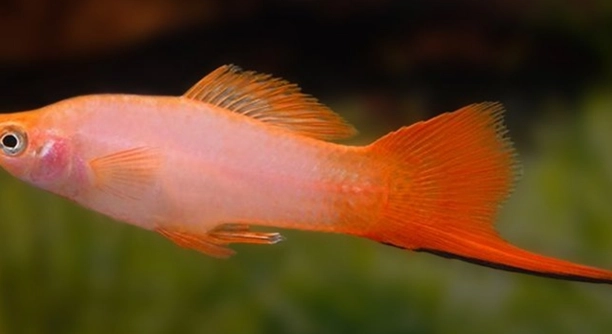
Have you ever noticed your swordtail fish shifting or swimming faster when you walk by the tank or move nearby?
Swordtails can respond to human movement through visual detection and environmental awareness. Their behavior may include increased swimming activity or sudden directional changes, especially when they associate movement with feeding or disturbance.
Observing these patterns can help you better understand how your swordtail interacts with its surroundings and your presence.
Swordtails Notice Movement Around Them
Swordtails are observant fish that often respond to motion around their tank. If you’ve walked by their aquarium and seen them dart around or swim to the front, it’s not just a coincidence. These fish rely on their vision to detect changes in their environment, especially movements that might mean food is on the way. Over time, they can learn to associate your presence with feeding or interaction. This makes them more responsive to your movements and presence compared to some other aquarium fish. Their reactions can vary, from energetic swimming to subtle gliding toward the glass. Even sudden shadows or hand motions can catch their attention. These behaviors are natural and don’t necessarily indicate stress. In fact, regular interaction, done gently, can make them more comfortable in their space. Swordtails thrive best when they feel secure, and their response to human movement often reflects curiosity and alertness rather than fear.
This visual sensitivity is a natural part of how they stay aware of their environment.
Their ability to see and react helps them stay safe in the wild, and in tanks, it influences how they interact with people and objects.
Why Movement Matters to Them
Swordtails notice even the smallest changes outside their tank due to their visual awareness and instincts.
Their eyes are adapted to pick up motion, which helps them recognize potential food or threats. In captivity, this means any shift in lighting, shadows, or body movements near their aquarium can lead to a noticeable reaction. While they don’t understand what a person is, they recognize movement and associate it with specific outcomes—like feeding time. Over time, they may become more responsive when they see their keeper approach. Their reactions can vary depending on how they’ve been treated, their personality, and the layout of their tank. Swordtails living in active spaces may become more accustomed to motion and respond less dramatically. On the other hand, those in quiet rooms may react more suddenly. Their behavior often blends instinct with learned patterns. Noticing these details can help you create a setup that feels safe and stable, giving your swordtails room to grow comfortable with your presence.
How Tank Conditions Influence Reactions
Swordtails are more responsive to movement when the tank environment is stable and comfortable. Clean water, proper lighting, and enough hiding spots all contribute to a sense of security, making them more likely to explore and engage.
Lighting plays a big role in how swordtails perceive movement. Bright, steady lighting helps them see clearly and respond more accurately. Sudden changes in lighting can startle them or make them retreat. Water clarity also matters, as cloudy water can limit visibility and reduce their reactions to outside movement. A calm environment with minimal sudden noise or shaking will support more natural behavior. Swordtails kept in well-maintained tanks often show curiosity rather than fear. When their environment feels safe, they’re more open to noticing and reacting to consistent human presence. This kind of setup encourages healthy habits and interactions, helping you form a simple, steady bond with your fish.
Tank placement can also affect how often swordtails notice people. A tank placed near frequent foot traffic will get them used to movement quickly. They may start reacting to regular activity around them, especially during predictable routines like feeding time. Less active rooms may lead to more skittish behavior, especially in new fish. You’ll likely notice swordtails becoming more interactive over time in busier spaces. Creating a predictable rhythm with lights, feeding, and tank maintenance helps them feel at ease. Over time, consistent and gentle exposure helps them react more with curiosity than fear. Stability builds trust in their surroundings and makes them more alert and responsive to you. Tank size and layout also influence how secure they feel, which affects how they respond to movement. A balanced setup encourages positive behavior without overwhelming them.
Recognizing Your Routine
Swordtails often pick up on feeding schedules and the sound or sight of someone approaching the tank. Regular routines help them form simple associations, making them more active and responsive when they see familiar movements or patterns.
Even the sound of footsteps or a cabinet opening can trigger activity. Over time, they learn to connect small environmental cues with events like feeding, cleaning, or interaction. This pattern builds a predictable rhythm they grow used to.
Understanding Stress vs. Curiosity
Sudden darting, hiding, or color fading may signal stress rather than curiosity. If your swordtail reacts strongly to movement with jittery or frantic swimming, it’s worth checking the tank for issues like loud noises, poor water quality, or sudden lighting changes. On the other hand, slow swimming toward you, hovering near the glass, or calmly watching can suggest simple curiosity. These behaviors show they feel safe enough to engage. Watching their daily habits and noting changes can help you understand whether their response is based on comfort or stress. Maintaining a steady environment supports better, more predictable behavior.
Keeping Interaction Gentle
Avoid tapping on the glass or making sudden gestures near the tank. Slow movements and quiet presence help swordtails stay calm and more open to interaction.
FAQ
Do swordtails recognize their owners?
Swordtails can recognize their owners over time, especially if you maintain consistent feeding and interaction routines. They may not form deep emotional bonds like pets such as dogs or cats, but they can associate your presence with food or other positive experiences. Regular interaction helps them become familiar with your movements, making them more responsive to you.
Why do swordtails swim toward me when I approach the tank?
Swordtails may swim toward you due to their ability to associate human movement with feeding time or other activities. They tend to recognize the pattern of when you approach and may get excited, anticipating food or attention. This behavior shows they’re familiar with your routine and feel secure in their environment.
Do swordtails get stressed easily from movement?
Swordtails generally aren’t as prone to stress from movement as some other species, but they can become startled by sudden or erratic motion. Gradual movements near the tank help them feel more at ease. Loud noises or rapid gestures can make them feel uneasy, so keeping interactions calm is important for their comfort.
How can I reduce stress for my swordtails when I move around the tank?
To reduce stress, avoid sudden movements or tapping on the glass. Keep interactions slow and gentle, giving them time to adjust to your presence. Maintaining a consistent routine helps them feel more secure. Reducing bright flashes of light or loud noises near the tank also prevents unnecessary stress.
Do swordtails react to shadows?
Yes, swordtails can react to shadows or dark figures moving near the tank. Their instinctual behavior is to be alert to changes in their environment, including shadows. While not necessarily a cause for stress, they may swim away or become more cautious if they detect movement through shadows.
Can swordtails get used to a lot of movement near the tank?
Swordtails can adjust to frequent movement around the tank if they are exposed to it consistently and without harm. Over time, they can learn to distinguish between normal activity and potential threats. However, too much sudden activity may still cause stress, so it’s best to maintain a steady environment with regular movements.
How do swordtails react to hand movements outside the tank?
Swordtails are sensitive to hand movements outside the tank. They often respond by swimming toward the glass, especially if they associate your hand with feeding or interaction. If you move your hand quickly or tap the glass, it may startle them, but slow movements tend to be less stressful.
Are swordtails territorial?
Swordtails are not highly territorial but may show some aggression, particularly if there are too many males or if they feel crowded. They can become more territorial when breeding, especially the males. Their reactions to movement may intensify if they feel the need to protect their space or assert dominance.
Can swordtails be trained to react to specific movements?
With patience and consistent repetition, swordtails can learn to associate specific movements with feeding or interaction. While they may not be trained like some animals, their ability to recognize patterns in their environment can help them respond predictably to certain gestures or actions.
What signs show that my swordtails are stressed by movement?
Stress in swordtails may be indicated by erratic swimming, hiding, color fading, or darting away from perceived threats. If they seem to become more reclusive or stop eating regularly, these are signs that movement or other environmental factors may be affecting their comfort.
How do swordtails react to changes in their environment?
Swordtails are sensitive to changes in their environment, such as shifts in water temperature, tank layout, or light levels. They may become more skittish or less active if these changes happen abruptly. Gradual adjustments to their surroundings help them adapt without causing unnecessary stress.
Can swordtails become more active around humans?
Yes, swordtails can become more active around humans, especially if they associate your presence with feeding or other positive experiences. Regular feeding or gentle interactions encourage them to be more responsive. Over time, they may swim to the front of the tank or follow your movements, showing interest in their environment.
Should I worry if my swordtails ignore me when I approach?
If your swordtails ignore you when you approach, it may not be a cause for concern. They could be feeling more relaxed or simply indifferent to your presence. As long as their behavior is otherwise healthy, it’s likely just a sign that they’re content and not in need of attention at that moment.
What’s the best way to interact with my swordtails without stressing them out?
The best way to interact with swordtails is through calm, slow movements. Avoid tapping on the glass or making loud noises. Keep your feeding routine consistent and interact gently with the tank. Over time, they will learn to associate your presence with positive experiences and become more comfortable.
How do swordtails show excitement or curiosity?
Swordtails show excitement or curiosity by swimming toward the front of the tank, hovering near the glass, or following your movements. Their fins may be slightly spread, and they might swim in a more energetic pattern when they anticipate food or attention. This behavior reflects their interest in their environment and interactions.
Final Thoughts
Swordtails are relatively easy to care for and can become accustomed to human presence over time. Their reactions to movement are shaped by the tank environment and their routine. A stable, predictable environment is key to making them feel secure. This helps swordtails feel comfortable and reduces stress, allowing them to react more naturally to human movements. They can learn to recognize their owners and associate certain actions with food or interaction. Over time, this familiarity makes them more responsive, showing curiosity or excitement when approached.
Understanding your swordtail’s behavior is crucial. While some movement may startle them, swordtails are generally not as easily stressed as other species. However, they are still sensitive to sudden changes in their surroundings, like loud noises or changes in lighting. Regular care routines, like consistent feeding times and minimal disturbances, help them feel safe and more confident in their environment. If swordtails seem to react negatively to movement, it’s worth evaluating their tank conditions and considering any potential stress factors. Addressing their needs helps maintain a calm and healthy environment for both the fish and the owner.
Overall, swordtails thrive in stable environments where they feel secure. Their reactions to human movement are a mix of curiosity and instinct, and they will grow accustomed to your presence if you interact with them calmly and consistently. By observing their behavior and adjusting their environment when needed, you can build a positive and rewarding relationship with these fascinating fish. Keeping their space predictable and comfortable allows swordtails to thrive, making them a pleasant and low-maintenance species to keep.

Hello,
If you enjoy the content that we create, please consider saying a "Thank You!" by leaving a tip.
Every little bit helps us continue crafting quality advice that supports the health, happiness, and well-being of pets around the world, for pets of all shapes, sizes, and species.
We really appreciate the kindness and support that you show us!