
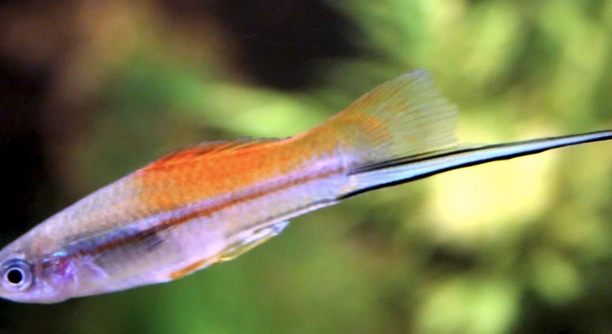
Is your swordtail swimming around but showing little interest in food lately, leaving you unsure about what might be going wrong?
The most common reason a swordtail stops eating is stress from poor water conditions, temperature fluctuations, or illness. Identifying the root cause and correcting it promptly is important for your fish’s recovery.
Changes in environment, tank mates, or even feeding routines can play a role in appetite loss, making careful observation and small adjustments essential.
Possible Reasons Your Swordtail Stopped Eating
When a swordtail stops eating, it’s often linked to sudden changes in its environment. Poor water quality is one of the main reasons. High ammonia or nitrite levels can irritate the fish’s gills and suppress appetite. Fluctuating temperatures can also trigger stress, especially if they fall outside the ideal 72°F to 79°F range. Aggressive tank mates or overcrowding may cause anxiety and limit a swordtail’s access to food. Parasites or internal infections, while harder to detect, often show up with signs like weight loss, bloating, or lethargy. Even changes in diet, like a sudden switch in pellets or flakes, can make them hesitant to eat. It’s important to monitor your fish closely and observe any behavior that seems unusual. Early action makes a difference in recovery and helps you avoid long-term health issues.
Swordtails need stable, clean water and a peaceful tank to stay healthy and keep eating regularly.
If your swordtail stops eating but is otherwise active, it may simply be adjusting to a minor change. This happens often with newly introduced fish or during shifts in tank conditions. But if appetite loss lasts more than two days, closer inspection becomes necessary. Look for physical symptoms such as fin clamping, white spots, or odd swimming patterns. Use a water testing kit to check for any imbalances. Perform a partial water change if needed, and consider isolating the fish if aggression or bullying is observed. If the fish shows signs of illness, you may need to treat with appropriate medications for internal parasites or bacterial infections. Avoid overfeeding, as uneaten food can harm water quality and make the problem worse. Stick to small, clean portions of high-quality food and keep their feeding times consistent. Simple actions like these can often bring back a swordtail’s appetite without further complications.
What You Can Do to Help
Small steps can make a big difference in helping your swordtail return to normal eating habits.
Start by ensuring your tank is clean and stable. Test for ammonia, nitrites, and pH levels. Perform regular water changes of about 25% weekly, making sure to condition the water properly before adding it back to the tank. Monitor the temperature daily and use a reliable heater to avoid fluctuations. Feed your swordtail small amounts of a varied diet, including flakes, pellets, and frozen or live foods like brine shrimp or daphnia. If you’ve recently changed their food, try mixing old and new to help with the transition. Make sure the tank isn’t overcrowded and that no other fish are displaying aggressive behavior. If the swordtail shows signs of illness, quarantine it in a separate tank and treat accordingly. Give the fish space, limit handling, and keep the lighting moderate to reduce stress. A calm, clean environment paired with consistent care can restore appetite over time.
Common Feeding Mistakes to Avoid
Overfeeding is one of the most common mistakes. Swordtails only need small amounts of food once or twice a day. Extra food sinks, decays, and affects water quality, leading to stress and health issues that can reduce appetite.
Another mistake is offering low-quality or expired food. Nutritional value declines over time, especially in flake food. If your swordtail refuses to eat, the food might not be fresh or appealing. Store food in a cool, dry place, and replace it regularly. Feeding the same type of food every day can also cause disinterest. Variety helps keep your swordtail interested and supports a balanced diet. Mixing in freeze-dried, frozen, or live foods a few times a week can make a difference.
Feeding too quickly or when the tank is disturbed can also cause your swordtail to skip meals. Wait a few minutes after adjusting equipment or cleaning the tank. Make sure your fish feels calm and safe before feeding. If other fish are more aggressive during feeding time, try spreading the food across the surface to reduce competition. You can also observe the fish during meals and adjust based on who gets access to food. Consistency and observation help avoid these simple but common feeding mistakes.
When to Seek Help
If your swordtail hasn’t eaten for three days and shows no signs of improvement, it may be time to consult an expert. Lethargy, color changes, or abnormal swimming paired with appetite loss often means the issue is more than environmental.
Reach out to a fish-savvy veterinarian or a trusted aquatic specialist. Be ready to share information about your tank size, water parameters, feeding habits, and any recent changes. A detailed history helps them identify what’s wrong faster. In some cases, they may recommend a specific medication or treatment, especially if parasites or infections are suspected. Try to isolate the affected fish if possible, to monitor it more easily and prevent the spread of disease. Getting professional input early on can keep the issue from getting worse and help your swordtail recover faster. Even small changes in behavior matter, so it’s worth acting quickly when something feels off.
Changes in Behavior to Watch
If your swordtail hides more than usual, swims near the surface, or rests at the bottom often, these may be early signs something is wrong. These behaviors usually appear before more obvious symptoms like visible spots or clamped fins.
Unusual swimming, such as darting, spinning, or struggling to stay upright, should be taken seriously. These changes can point to internal issues or stress. Appetite loss often happens alongside these signs, so it’s helpful to take note of any pattern you observe.
Importance of Routine and Consistency
Swordtails thrive in stable environments, and even small disruptions can affect their health. Keep lighting, feeding times, and tank maintenance on a regular schedule. Sudden changes in water temperature or pH can stress the fish, so always make adjustments gradually. Feed at the same time daily and offer small, consistent portions. Avoid rearranging tank decorations too often, as swordtails feel safer with a familiar setup. Stick to one reliable brand of food or introduce new ones slowly. Regular water testing and partial water changes every week help maintain balance and reduce the risk of problems. With routine care, your swordtail is more likely to stay active and keep eating well.
Final Thoughts
Simple changes in care, feeding, or routine can often help a swordtail return to normal eating habits without added stress.
FAQ
Why did my swordtail suddenly stop eating?
Sudden appetite loss in swordtails often links to stress, poor water quality, or an internal illness. A recent change in the tank, such as a new fish, temperature drop, or cleaning, may disrupt normal behavior. Check ammonia, nitrite, and pH levels immediately. If the water tests show any imbalance, perform a partial water change. Watch for other signs like hiding, clamped fins, or erratic swimming. These can help you figure out if something more serious is happening. Sudden changes usually mean the fish is reacting to its surroundings, so returning the environment to normal often helps restore appetite.
Is it normal for swordtails to skip meals occasionally?
Yes, it can be. A swordtail might skip a meal once in a while, especially after stress or a change in feeding routine. Occasional fasting is not always a concern, as long as the fish is active, alert, and otherwise healthy. Monitor your swordtail’s overall behavior over a few days. If the fish resumes eating and stays energetic, then a skipped meal is likely not a sign of illness. However, if missed feedings become frequent or are paired with other symptoms, it’s worth investigating further.
Can overfeeding cause my swordtail to stop eating?
Yes, overfeeding leads to waste buildup and poor water conditions, which can reduce appetite. Uneaten food breaks down and creates excess ammonia, stressing the fish. Swordtails only need small portions once or twice daily. If food is still floating or sinking after two minutes, you’re feeding too much. Remove leftovers with a net or siphon, and adjust portion size accordingly. Keeping the tank clean helps prevent future feeding issues and keeps the water safe. Over time, a balanced feeding routine encourages steady eating habits and supports long-term health.
What if my swordtail only eats live or frozen food?
Some swordtails develop preferences, especially if they’ve been offered live or frozen food regularly. These foods are often more stimulating due to smell and texture. If your fish ignores flakes or pellets, you can try mixing both in the same feeding. Gradually reduce the amount of live food while keeping the dry food present. Over time, most swordtails adjust and accept a more balanced diet. Offering variety a few times a week keeps them interested while ensuring they get the right nutrients. Just make any changes slowly to avoid stress.
Do water changes affect eating behavior?
Yes, large or sudden water changes can cause temporary stress, which may lead to skipped meals. Swordtails prefer consistency. If you change too much water at once or alter the temperature too quickly, they may react by hiding or refusing food. Stick to partial changes—about 25% weekly—and match the new water’s temperature to the tank’s. Adding a water conditioner also helps reduce chlorine and other chemicals. After a stable routine is reestablished, your fish should go back to eating normally. Keep any adjustments slow and consistent.
What should I do if my swordtail eats but spits the food out?
Spitting out food can mean it’s too large, too hard, or simply unappetizing. Try crushing flakes or switching to a softer pellet. If the food is new, the fish might not recognize it as safe yet. You can try mixing it with something familiar or offering it in smaller amounts. Check expiration dates too—stale food often loses its appeal. If your swordtail consistently spits out food, rule out mouth injuries or illnesses by checking for redness, swelling, or trouble swimming. Persistent issues should be looked at more closely.
Is it possible my swordtail is getting bullied during feeding?
Yes, aggression from tankmates can prevent some fish from eating. If other fish dominate feeding time, your swordtail might be avoiding the competition. Watch closely to see how the fish behave when food is added. Try spreading the food across the water surface to give all fish a chance. You might also rearrange decorations to break up territory and reduce aggression. In more severe cases, it may help to separate the fish temporarily. A calm, balanced tank encourages better eating and less stress.
Could lighting affect feeding?
Lighting plays a small role in routine. Sudden changes or bright, harsh lights may startle swordtails and interrupt their feeding. Keeping the lights on a timer can help them anticipate meals. Make sure lighting is consistent and not too intense. Swordtails usually adapt well to a regular day-night cycle. If your fish eats better at a certain time of day, adjust your feeding schedule accordingly. Observing patterns helps keep your swordtail comfortable and responsive at mealtimes.
Should I worry if only one swordtail isn’t eating but the rest are fine?
Yes, it’s worth monitoring. While other fish seem fine, one not eating could be showing early signs of stress or illness. Start by checking water quality and observing that fish’s behavior compared to the others. Is it more isolated or swimming differently? Separate it if needed to reduce stress or bullying. Sometimes, fish fall behind in feeding when competing with more dominant tankmates. Giving it space and extra attention might help, especially if it’s younger or newly introduced. If no improvement happens, further evaluation may be needed.
Final Thoughts
Swordtails are usually active eaters, so a change in appetite is something to take seriously. Small shifts in the tank environment, such as temperature drops, water quality changes, or new additions, can affect how they behave. It’s important to watch closely and act early when you notice signs like loss of appetite. Most of the time, the issue can be managed with small adjustments. Checking the water conditions, feeding habits, and tank dynamics can help you find what might be causing the change. Staying consistent with maintenance and providing a calm, stable setting will support your fish’s health and appetite.
Loss of appetite can also be linked to stress, illness, or internal problems that are harder to detect. In these cases, paying attention to additional signs like unusual swimming, staying at the bottom, or visible changes in color and body shape is helpful. These clues can give you a better idea of whether something more serious is going on. If problems continue even after correcting the tank environment, you may need to separate the fish or consider treatment. Using food that’s easy to eat, avoiding overfeeding, and sticking to a regular schedule can all make a difference in how well your swordtail eats.
In the end, being observant and keeping the tank in good shape goes a long way. Feeding your swordtail a variety of safe, balanced foods will help it stay healthy and interested in eating. Small changes made consistently—such as checking water parameters weekly or feeding smaller portions—can prevent future issues. Each swordtail has its own routine and preferences, and learning to recognize those patterns helps you notice when something’s off. A healthy fish is usually active, responsive, and eager during feeding. If it’s not, take the time to look at what might have changed in the tank. With patience and proper care, most swordtails can return to normal eating habits and stay healthy in the long term.

Hello,
If you enjoy the content that we create, please consider saying a "Thank You!" by leaving a tip.
Every little bit helps us continue crafting quality advice that supports the health, happiness, and well-being of pets around the world, for pets of all shapes, sizes, and species.
We really appreciate the kindness and support that you show us!