
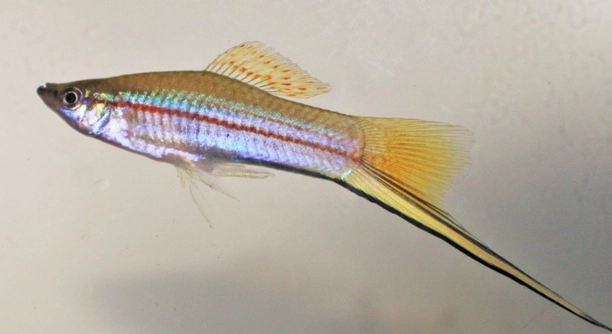
Monitoring the behavior of swordtails can be both exciting and rewarding for aquarium enthusiasts. These active fish have unique habits that can reveal a lot about their health and well-being. By observing them closely, you can ensure they thrive in your tank.
The best way to monitor swordtail behavior involves observing their swimming patterns, interaction with tank mates, feeding habits, and any signs of stress or illness. Regular monitoring helps identify any potential issues before they affect their overall health.
Understanding these behaviors will help you create a healthy and balanced environment for your swordtails. Keep reading to explore effective ways to monitor their behavior and maintain a thriving aquarium.
Monitoring Swimming Patterns
One of the first things to watch when observing swordtail behavior is their swimming patterns. Healthy swordtails are active swimmers, moving smoothly through the tank. They tend to stay near the middle or top of the tank but are rarely stationary. If you notice your swordtails becoming sluggish, constantly hiding, or swimming erratically, this may be a sign of stress or illness. Consistent, calm swimming is a good indicator of overall health. You should also keep an eye on their position in the tank. Swordtails are social fish and usually swim together. If they start isolating themselves, it might be due to something causing them stress, such as changes in water conditions or aggression from tank mates.
Swordtails also like to swim in bursts, especially during feeding times. Watching for these quick bursts can help you gauge their energy levels.
Stress can sometimes cause swordtails to swim at the surface or near the tank’s corners. A drop in activity is a key sign that something is wrong and should be addressed quickly.
Observing Feeding Habits
Swordtails’ feeding behavior is another important aspect to monitor. These fish are generally not picky eaters but should show enthusiasm when food is offered. If your swordtail refuses food, it could be a sign of illness or stress. It’s essential to observe if your swordtail is eating well and showing normal foraging behavior. Pay attention to whether they actively seek food at feeding time or seem uninterested, as a lack of appetite can signal health problems. You might also notice them eating more than usual if they are preparing for spawning.
Healthy swordtails eat most foods readily, including flakes, pellets, and live food. However, overfeeding can lead to obesity, which can affect their swimming and behavior. Stick to a regular feeding schedule to avoid both under and overfeeding. By closely watching their feeding habits, you can spot any issues early.
Watching for Aggressive Behavior
Aggression in swordtails can become a problem, especially if you have multiple males in one tank. Male swordtails can be territorial, often engaging in displays of aggression like chasing or fin nipping. If you notice these behaviors, consider providing more hiding spots or separating overly aggressive individuals. Aggression can also lead to injury, so keeping a close eye on swordtails during their active hours is important.
On the other hand, female swordtails are generally more peaceful, but they can still show signs of aggression when crowded. Having a proper male-to-female ratio can help reduce these issues. Aggressive behavior can also be a sign of stress caused by changes in the tank, poor water quality, or overcrowding. Observing these dynamics helps ensure your swordtails live in a peaceful, well-balanced environment.
Watching for Signs of Illness
Swordtails are typically hardy, but they can show subtle signs of illness. One common symptom is a change in their color, which could indicate stress or illness. If they appear pale or develop spots, this may be a sign of infection. You should also observe their fins for any tearing or clamping. Healthy swordtails have wide, open fins. If the fins are folded tightly against the body or damaged, they could be struggling. Additionally, changes in their behavior, like becoming lethargic or spending too much time at the surface, can indicate something is wrong.
Another sign of illness to look out for is labored breathing. If the fish is gasping at the surface or showing difficulty breathing, it could be related to poor water quality or an infection. Keeping your tank clean and maintaining proper water parameters will reduce the chances of illness. However, it’s important to act quickly if any signs of sickness appear to prevent the spread of illness to other fish.
Any change in eating behavior is another important red flag. Swordtails may refuse food or only nibble lightly if they aren’t feeling well. It’s best to remove any uneaten food after a few hours to avoid polluting the tank. If illness persists, consult with an aquatic veterinarian for proper diagnosis and treatment.
Keeping Track of Tank Conditions
Swordtails are sensitive to water quality. Regular water tests should be done to monitor levels of ammonia, nitrites, and nitrates. High levels of these chemicals can stress fish, leading to health issues. Maintaining a stable temperature is also crucial. Swordtails prefer temperatures between 72°F and 78°F. If the water becomes too cold or too warm, they may become stressed or even die. Regular water changes are essential for keeping these levels in check, as they also help prevent the buildup of toxins.
It’s important to monitor the pH level in the tank as well. Swordtails thrive in slightly alkaline water with a pH of 7.0 to 8.2. Extreme fluctuations in pH or other parameters can harm your swordtails and lead to poor health. Also, make sure your tank is well-filtered to remove waste and toxins from the water. A good filter will also help keep the water oxygenated, which is essential for swordtails to thrive.
By keeping an eye on these tank conditions, you can prevent issues related to water quality. Regular testing will allow you to spot any potential problems early and address them before they affect your fish. Creating a stable environment is key to promoting the long-term health and happiness of your swordtails.
Observing Courtship Behavior
Male swordtails are known for their interesting courtship displays. They will often swim in front of females, fluttering their fins and flashing their colorful tails. This behavior is part of their mating ritual and is usually a good sign that the male is healthy and ready to breed.
If you notice males constantly chasing females or displaying overly aggressive behavior, it could indicate a lack of space or too many males in the tank. Reducing the number of males can help balance the tank dynamics and reduce stress for the females.
Monitoring Tank Mate Interactions
Swordtails are social creatures and generally get along with other species. However, they can sometimes become territorial, especially during breeding times. Keep an eye on how your swordtails interact with their tank mates, especially during feeding or resting. If aggression becomes frequent, consider separating them.
Additionally, swordtails might show signs of stress if kept with overly aggressive or large fish. A well-balanced tank with appropriate species will ensure that all the fish can coexist peacefully.
Checking for Any Odd Behaviors
Swordtails are active fish, but occasional unusual behavior might signal an underlying problem. For example, if your swordtail starts swimming upside down or in circles, it could be experiencing a health issue. This abnormal behavior should be monitored closely, as it can worsen quickly.
Check for other signs like visible swelling, redness, or lesions. These could indicate an infection or injury, which may require treatment. Always act quickly when you notice any strange behavior to prevent the situation from escalating.
FAQ
How can I tell if my swordtail is stressed?
Stress in swordtails can be identified by changes in behavior. If your swordtail is hiding more than usual, not eating, or swimming erratically, these could be signs of stress. Another common symptom is clamped fins, where the fins are held tightly against the body rather than being spread out. Stress can be caused by many factors, including poor water quality, overcrowding, aggression from tank mates, or sudden changes in tank conditions. Ensuring a clean, stable environment with plenty of hiding spots can help reduce stress in swordtails.
What should I do if my swordtail isn’t eating?
If your swordtail is refusing to eat, first check the water conditions. Poor water quality is often the primary cause of a fish’s loss of appetite. Test the water for ammonia, nitrites, and nitrates, and make sure the temperature is in the optimal range for swordtails (72°F to 78°F). Additionally, try offering different types of food, such as live or frozen foods, to see if your swordtail prefers something else. If it continues to refuse food, you may need to look for signs of illness or consult an aquatic vet.
How can I tell if my swordtail is sick?
Sick swordtails often exhibit a variety of symptoms. You might notice changes in their color, such as becoming pale or developing spots. They may also swim erratically or display labored breathing. Another clear sign of illness is a loss of appetite or unusual lethargy. Check their fins for clamping or tearing, as damaged fins can signal infections or physical trauma. If any of these symptoms appear, it’s essential to test the water quality, and if conditions are good, consult an expert for diagnosis and treatment.
Can swordtails live with other fish?
Swordtails are generally peaceful and can live with a variety of other fish species, especially those of similar size and temperament. They do well with other livebearers, like guppies and mollies. However, be cautious when housing them with overly aggressive or larger fish, which may bully them. Male swordtails can also become territorial and aggressive toward one another, especially in crowded tanks. A good rule of thumb is to maintain a healthy ratio of males to females and provide plenty of hiding spaces for all fish in the tank.
Why is my swordtail’s tail curled or damaged?
A curled or damaged tail could be a sign of fin rot, which is often caused by poor water quality or bacterial infections. If you notice the tail turning white or developing visible sores, it’s important to address the problem quickly by improving water conditions and removing any uneaten food that might contribute to the growth of harmful bacteria. In some cases, you may need to treat the swordtail with a medication designed for fin rot. Regular water changes and a clean tank will help prevent this from happening in the future.
How often should I change the water for my swordtails?
To maintain a healthy environment for swordtails, water changes should be done regularly. It’s typically recommended to change 20-30% of the tank water every week. This will help reduce the build-up of harmful toxins like ammonia and nitrates. However, if the tank is overstocked or has more fish, you may need to increase the frequency of water changes to maintain good water quality. Always use a water conditioner to treat tap water and check the temperature before adding it back to the tank to avoid stressing your fish.
Why are my swordtails chasing each other?
Chasing is a common behavior among swordtails, especially during breeding times. Male swordtails may chase females as part of their courtship ritual. However, if the chasing becomes aggressive or involves fin nipping, it could indicate territorial behavior or overcrowding. In these cases, adding more hiding spaces or adjusting the number of males in the tank can help reduce aggression. If the chasing is constant and aggressive, it’s a good idea to separate the fish or rearrange the tank to break up territorial boundaries.
What temperature should the water be for swordtails?
Swordtails prefer a water temperature range of 72°F to 78°F (22°C to 25°C). Temperatures outside this range can cause stress and affect their immune system, making them more vulnerable to illness. Keeping the temperature stable is also important, as sudden fluctuations can cause shock. A reliable aquarium heater with a thermometer will help you maintain a consistent temperature, ensuring your swordtails remain healthy and comfortable.
How do I breed swordtails?
Breeding swordtails is relatively easy, as they are livebearers. To encourage breeding, provide a ratio of one male to two or three females to reduce stress on the females. Make sure the water temperature is within the optimal range, and the tank is clean with plenty of hiding spots for the pregnant females. When the female swordtail is ready to give birth, she will look more rounded in the abdomen. After birth, remove the mother and any other fish to prevent the fry from being eaten. The fry will swim freely after a few hours and can be fed with powdered fish food or newly hatched brine shrimp.
Why is my swordtail hiding all the time?
If your swordtail is constantly hiding, it could be due to stress, poor water quality, or illness. Check the water parameters to ensure everything is in balance, as poor conditions can make fish seek refuge. Also, consider whether there is any aggression from tank mates that might be causing the swordtail to retreat. In some cases, hiding may be a sign of illness, so observe for any other symptoms like clamped fins or loss of appetite. Providing more hiding spots or rearranging the tank could also help your swordtail feel more secure.
How can I reduce aggression in swordtails?
To reduce aggression in swordtails, ensure that the tank isn’t overcrowded and that there are enough hiding spaces for all the fish. Male swordtails can become territorial, so providing plants, rocks, or decorations that break up sightlines can help. Additionally, maintaining a balanced male-to-female ratio, with more females than males, will reduce competition. If aggression continues, separating the more aggressive swordtails or adding more females to the tank can help to balance the dynamics.
Final Thoughts
Monitoring swordtail behavior is essential for keeping them healthy and happy in your aquarium. By paying attention to their swimming patterns, feeding habits, and interactions with tank mates, you can spot any potential issues before they become bigger problems. Swordtails are generally peaceful and easy to care for, but like all fish, they can experience stress or illness if not properly maintained. Keeping an eye on their behavior and the overall tank environment will help you address concerns quickly, ensuring that your swordtails thrive.
It’s also important to remember that swordtails, like all fish, are sensitive to their surroundings. Regularly checking water quality, keeping the tank clean, and ensuring a proper temperature range are key to their well-being. Overcrowding, poor water quality, or lack of hiding spaces can all lead to stress and aggression. Therefore, providing the right environment and taking the time to monitor their behavior regularly will make a big difference in their health. When these factors are in balance, swordtails will flourish and show their natural colors and lively personalities.
By staying vigilant and addressing any signs of distress, you’ll help your swordtails live longer and healthier lives. Their behavior is a reflection of their environment, so making small adjustments can go a long way in ensuring they stay happy. Whether it’s observing their courtship displays, watching for signs of illness, or just enjoying their active swimming, the effort you put into caring for your swordtails will be rewarded with vibrant, content fish in your tank.

Hello,
If you enjoy the content that we create, please consider saying a "Thank You!" by leaving a tip.
Every little bit helps us continue crafting quality advice that supports the health, happiness, and well-being of pets around the world, for pets of all shapes, sizes, and species.
We really appreciate the kindness and support that you show us!