
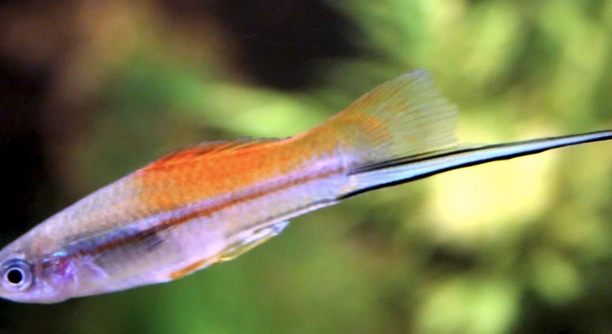
Swordtails, known for their striking colors and energetic movements, have some interesting behaviors. One of these is their fascination with bubbles. Understanding why these fish are drawn to bubbles can offer a glimpse into their underwater world.
Swordtails are attracted to bubbles due to their natural instincts and behavior patterns. The bubbles likely stimulate their sensory responses, helping them navigate their environment, while also providing potential social cues or opportunities for feeding.
These intriguing actions go beyond simple curiosity. The reasons behind swordtails’ bubble obsession reveal more about their natural instincts and how they interact with their surroundings.
Why Swordtails Are Drawn to Bubbles
Swordtails’ fascination with bubbles isn’t just a quirky behavior. It’s linked to their instincts and natural habits. In the wild, swordtails live in environments where air bubbles are common, like shallow ponds or streams. The bubbles could be part of the water’s natural circulation, signaling something in the environment, such as the presence of food or changes in water conditions. Swordtails may interact with bubbles because they see them as part of their sensory experience, helping them navigate or find food. It’s not about playing or simply chasing; it’s more about responding to subtle cues they perceive from their environment. Over time, swordtails have adapted to this interaction, associating bubbles with safety or nourishment.
Bubbles might also reflect the fish’s innate curiosity. As active swimmers, swordtails explore their space. The movement of bubbles in the water often triggers this instinct.
Swordtails, like many fish, rely on their senses to interact with their surroundings. Bubbles might help them adjust to changes in water temperature or oxygen levels, making them more attuned to their environment. They’re not just following bubbles for fun; they may be responding to subtle shifts in water quality. In aquariums, the presence of bubbles could signal changes in oxygenation or water flow. It’s important to note that swordtails may also use bubbles as a way to explore areas they haven’t visited yet. Their fins and tails help them push through currents and bubbles, so it becomes part of their routine for physical movement.
Why Do Swordtails Follow Bubbles?
Swordtails’ natural curiosity is key to understanding why they follow bubbles. The bubbles likely serve as a visual and sensory stimulus.
Bubbles attract swordtails for more than just amusement. They may serve as indicators of changes in water flow or quality, something crucial for fish in nature. Swordtails are constantly in search of the best environment for living and feeding. Whether in the wild or in aquariums, bubbles can represent a change in the water’s condition, offering the fish a chance to adapt. Even though they might seem fascinated by something so simple, the bubbles provide clues that can help swordtails navigate through their environment. This behavior is deeply rooted in their instincts to monitor their surroundings and stay safe.
Bubbles and Swordtails’ Social Behavior
Swordtails are highly social fish. Their interest in bubbles might also relate to how they interact with each other. Bubbles often create small disruptions in the water, which can trigger group movement. Swordtails might be drawn to bubbles because they associate them with movement and the activity of other fish.
Swordtails are often found swimming together, especially in environments where they feel safe and well-fed. Bubbles could play a role in helping them communicate with one another, indirectly guiding them to areas where there is more movement or food. The presence of bubbles might also create a sense of safety, as the fish swim around them, mirroring each other’s movements. In groups, they rely on visual and environmental cues to coordinate, and bubbles serve as one of those cues.
Fish like swordtails are constantly assessing their surroundings. Bubbles create visual patterns and shifts in water flow, which might signal different activities happening in the environment. Whether it’s feeding or socializing, swordtails could be using these bubbles to monitor what’s going on around them, maintaining a bond with their school of fish.
How Bubbles Affect Swordtails’ Feeding Habits
Swordtails are opportunistic feeders, and bubbles may play a role in their search for food. The movement caused by bubbles could disturb small particles or insects in the water, making them easier to spot or catch.
The bubbles could help swordtails detect hidden food sources. When bubbles rise to the surface or cause a gentle current, they may move food particles or plankton that swordtails are quick to chase. Swordtails may associate bubbles with potential feeding opportunities, reinforcing their fascination with them. This behavior is often seen in the wild, where fish are constantly looking for food. In aquariums, bubbles can create a similar effect, triggering swordtails’ feeding instinct. The constant motion of bubbles gives them something to investigate, often leading to interactions with food.
The bubbles might not always directly lead to food, but they help the swordtails stay alert to changes in their environment. By paying attention to the bubbles, swordtails are ready for any opportunity to eat. In nature, food isn’t always in one place, so these environmental signals help them stay in tune with their surroundings and keep their instincts sharp.
Swordtails’ Attraction to Movement
Swordtails are drawn to movement in their environment. The bubbles in the water create a constant, rhythmic pattern that attracts their attention. Fish, like swordtails, often follow moving objects to explore and interact with them.
The presence of bubbles mimics the movement of prey or other fish. Swordtails have an instinct to follow any source of motion, as it often indicates something worth investigating. Whether it’s food, another fish, or a change in the water, movement in the form of bubbles catches their attention. This behavior is rooted in their natural drive to explore and learn from their surroundings.
Environmental Factors at Play
Bubbles are more than just interesting visuals for swordtails; they also affect their habitat. Bubbles can influence the oxygen levels and overall water quality. Swordtails are very sensitive to changes in their environment, so bubbles can be a sign of fluctuating conditions.
The movement caused by bubbles helps oxygenate the water, which is vital for swordtails’ health. They rely on well-oxygenated water to thrive. Bubbles also disturb the water, which can help swordtails detect subtle changes in temperature or pH. This constant movement keeps them aware of their habitat, helping them adjust when necessary.
Swordtails and Their Aquatic Playfulness
Swordtails, in particular, are known for their playful nature. While interacting with bubbles may seem like a trivial activity, it reflects their need to stay active and engaged in their environment. This playful behavior can be seen when they chase or swim through the bubbles, exploring their space.
FAQ
Why do swordtails chase bubbles?
Swordtails chase bubbles because they are instinctively attracted to movement. Bubbles disturb the water, creating small currents that catch their attention. This mimics the behavior of prey or other fish in the wild. Swordtails are curious and active fish, constantly exploring their surroundings. The movement of bubbles in the water may signal something interesting, like food or another fish, prompting them to investigate further.
Can bubbles be harmful to swordtails?
In general, bubbles themselves are not harmful to swordtails. However, if there are too many bubbles or the water is overly disturbed, it can affect the water quality, which may stress the fish. If the bubbles are coming from a malfunctioning filter or aerator, they might indicate an imbalance in the aquarium’s conditions. Swordtails are sensitive to their environment, so it’s important to monitor water parameters like oxygen levels and water flow to ensure they remain healthy.
Do swordtails use bubbles to communicate with each other?
Swordtails may not directly use bubbles to communicate, but the presence of bubbles can influence their social interactions. Bubbles disturb the water and can create a sense of movement that swordtails respond to, often swimming together. This could help them stay coordinated as a group, especially if they are used to reacting to environmental changes or disturbances in their shared space. While they may not “talk” through bubbles, they certainly respond to the movements and effects caused by them.
Can swordtails live without bubbles in their aquarium?
Yes, swordtails can live without bubbles in an aquarium, but it’s not ideal. Bubbles help increase oxygen exchange in the water, and swordtails benefit from well-oxygenated environments. Without proper oxygen levels, swordtails could become stressed or lethargic. It’s important to maintain a healthy aquatic environment, and while bubbles are not strictly necessary, having an aeration system can contribute to better water quality and overall fish health.
Do swordtails prefer certain types of bubbles?
Swordtails don’t seem to show a preference for specific types of bubbles, but they do seem drawn to bubbles produced by aerators or filters. The movement and disruption in the water are what capture their attention. As long as the bubbles are in motion, swordtails will likely interact with them. The size or intensity of the bubbles may influence their behavior, but it’s mainly the act of disturbance in the water that attracts them, rather than any specific type of bubble.
How can I use bubbles to enhance my swordtail’s environment?
To enhance your swordtail’s environment, you can introduce gentle bubbles into the aquarium. This can help with oxygenation and mimic a more natural environment, as many aquatic habitats have areas with bubbles. Ensure that the bubbles are not too large or forceful, as this might stress the fish. Use a gentle air stone or sponge filter to create a calming flow. Additionally, bubbles may provide an engaging and enriching experience for your swordtails, allowing them to interact with the environment in a natural way.
What other behaviors do swordtails exhibit around bubbles?
In addition to chasing bubbles, swordtails may swim through them or hover near areas where bubbles are more concentrated. Sometimes, swordtails may even “dance” in the current created by bubbles, using them as a source of stimulation. They might display a heightened level of activity or excitement when bubbles are present. This could be a sign that they find the bubbles interesting or that they are reacting to the movement and potential food particles that bubbles can bring with them.
Should I be concerned if my swordtails are obsessed with bubbles?
If your swordtails seem overly focused on bubbles, it’s usually not a cause for concern. It’s a natural behavior linked to their curiosity and need for stimulation. However, if they are constantly in a bubble stream or seem excessively drawn to one area of the tank, it could be a sign of something off in the water, such as low oxygen levels or poor water quality. Always ensure that your tank’s water parameters are balanced, and monitor your swordtails for signs of stress, such as lethargy or erratic swimming. If everything checks out, the bubble-chasing behavior is likely just part of their playful nature.
Can I use bubbles to help swordtails with breeding?
Bubbles themselves don’t directly impact the breeding process, but they can help create a more natural and comfortable environment for swordtails to breed in. The gentle movement caused by bubbles can mimic the natural currents swordtails would encounter in the wild. This could potentially reduce stress and encourage more natural behavior, including courtship and mating. However, to encourage successful breeding, other factors such as water temperature, water quality, and diet should be optimized as well.
What do swordtails do when they’re not interacting with bubbles?
When swordtails are not interacting with bubbles, they are usually engaged in other natural behaviors such as swimming, foraging for food, or socializing with other fish. Swordtails are active fish that often swim in schools, so they spend a lot of time moving around the tank. They are also known to explore their environment, resting occasionally or seeking shelter if needed. Their curiosity and need for activity mean they will always find something to do, whether it’s swimming through plants, resting near the tank bottom, or interacting with objects in the tank.
Final Thoughts
Swordtails’ attraction to bubbles is a fascinating behavior that speaks to their natural instincts. These fish are curious and active, and the movement of bubbles in the water serves as an interesting stimulus for them. While the bubbles themselves may not be the main attraction, the way they affect the water’s flow and provide sensory cues to the fish is what draws them in. Whether it’s the bubbles indicating changes in water conditions or simply providing a source of stimulation, it’s clear that swordtails respond to them in their own unique way. For swordtail owners, understanding this behavior can help create a more engaging and enriched environment for these fish.
Even though the bubbles themselves aren’t harmful, it’s essential to consider the overall health of your aquarium when incorporating them. If there are too many bubbles or if the air pump is too strong, it can cause unnecessary water disturbance that could stress your fish. It’s important to maintain a balanced aquarium with proper oxygenation and water flow to ensure the well-being of your swordtails. A well-maintained environment encourages healthy behaviors and supports the natural instincts of your fish, whether it’s interacting with bubbles or exploring other aspects of their habitat.
Lastly, it’s essential to remember that swordtails, like all fish, need more than just entertainment in the form of bubbles. Providing a healthy, stable environment with the right water parameters, temperature, and diet is key to their overall happiness and longevity. While bubbles can add an extra layer of stimulation, they are just one aspect of what makes swordtails thrive. By understanding their attraction to bubbles and other environmental factors, you can create a more fulfilling and enjoyable experience for both you and your swordtails.

Hello,
If you enjoy the content that we create, please consider saying a "Thank You!" by leaving a tip.
Every little bit helps us continue crafting quality advice that supports the health, happiness, and well-being of pets around the world, for pets of all shapes, sizes, and species.
We really appreciate the kindness and support that you show us!