
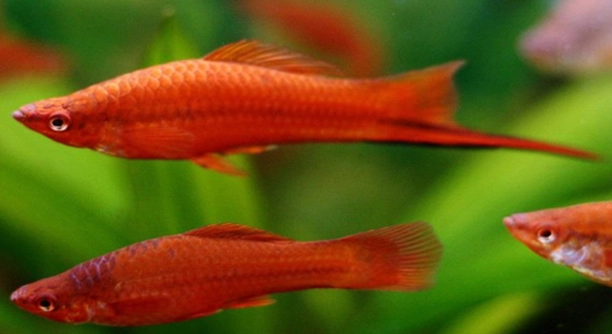
Swordtail fish are beautiful creatures that many aquarium enthusiasts enjoy. However, it can be concerning when they appear disoriented or behave oddly. Understanding the causes of this can help ensure your fish remain happy and healthy in their environment.
The primary reasons for disoriented swordtail behavior are water quality issues, stress, or health problems. Poor water conditions, such as improper temperature or pH levels, can negatively affect your fish’s behavior, as can overcrowding or incompatible tank mates.
Recognizing and addressing these issues will help improve your swordtail’s well-being. Keeping your aquarium environment stable is key to preventing further confusion or distress.
Common Causes of Disorientation in Swordtails
Swordtail fish are known for their calm demeanor, but when they act disoriented, it’s often a sign that something is wrong. Water quality is the number one factor to consider. Fish are sensitive to changes in temperature, pH, and ammonia levels. Even slight variations can make them feel unwell, causing them to swim erratically or stay in one spot. Poor water conditions can also lead to oxygen shortages, which can affect their ability to function properly. Ensuring that your tank has a good filtration system and performs regular water changes will help maintain a healthier environment.
Another reason for confusion is stress. Swordtails are social fish, but they can become stressed when they feel threatened by aggressive tank mates. Overcrowding is another issue. Too many fish in a tank can create competition for resources, which may cause anxiety. These stressors can lead to disoriented swimming behavior, where your swordtail seems lost or hesitant.
Proper tank management can alleviate most of these problems. By controlling water parameters and keeping the tank’s environment peaceful, you’ll help your swordtail feel secure.
Health Problems Affecting Swordtails
Health issues can also be behind your swordtail’s disorientation. Common problems include parasites or bacterial infections that affect their nervous system. These conditions can impair their ability to swim properly and lead to disoriented behavior. Regular health checks are essential for spotting such problems early on.
If you notice unusual behavior that doesn’t seem linked to water quality or tank stress, it may be time to consult a vet. Treating illnesses as soon as they arise will prevent further complications. Monitoring your swordtail’s health regularly is the best way to catch any underlying issues before they worsen.
Tank Setup and Maintenance Tips
Your swordtail’s tank setup plays a major role in preventing disorientation. Start with a proper filtration system to keep the water clean and free from harmful chemicals. Make sure the temperature stays between 72 and 78°F, which is ideal for swordtails. pH levels should be kept between 7.0 and 8.3 to ensure your fish remain comfortable.
It’s also important to avoid overcrowding. Aim for one swordtail per 10 gallons of water to prevent stress. Adding plants and hiding spots can also make your fish feel more secure, as they provide places to retreat when needed. Regular water changes—about 20% every two weeks—will help keep the tank healthy and clear of toxins. By maintaining a stable environment, you’ll reduce the risk of disoriented behavior and ensure your swordtail thrives in its home.
Stress Reduction Strategies
Swordtails can be easily stressed, especially if their tank conditions aren’t ideal. To reduce stress, keep their tank mates peaceful and avoid introducing aggressive species. Also, avoid sudden changes in the water temperature or pH, as this can shock your fish and cause disorientation.
Regularly check the condition of your fish to make sure they aren’t showing signs of stress, like gasping for air or hiding constantly. If needed, add more plants or decorations to provide hiding spots, which can help your swordtail feel safer. These steps, when followed, can significantly reduce the chances of disoriented behavior.
Water Quality and Its Impact on Swordtail Behavior
Water quality plays a huge role in your swordtail’s behavior. When the water becomes polluted or unbalanced, your fish may begin to swim erratically or stay in one place. Poor water quality can affect your swordtail’s health, causing them to become lethargic or disoriented. Ammonia, nitrites, and nitrates should all be checked regularly. Using a water testing kit will help ensure the parameters stay within a safe range.
If water conditions are left unchecked, it can lead to respiratory distress, which causes erratic swimming. Even minor fluctuations in pH or temperature can create a stressful environment, leading to unusual behavior. Regular water changes and good filtration are key to maintaining a healthy environment. If you notice your swordtail acting disoriented, testing the water should always be the first step. When water quality improves, your swordtail should show signs of better health and stability.
Stress From Tank Mates and Environment
Swordtails are peaceful, but they need a calm environment to thrive. If tank mates are too aggressive or territorial, they can cause your swordtail to feel stressed. This can lead to disoriented behavior, like erratic swimming or hiding. It’s crucial to choose tank mates that are non-aggressive and have similar water needs to your swordtail.
Overcrowding can also contribute to stress. If there isn’t enough space to swim freely, your swordtail may become anxious and behave oddly. Adding plants and decorations will help your swordtail feel more secure by providing hiding spots. A peaceful and spacious tank setup ensures that your fish stay happy and healthy. Maintaining balance in your tank will help reduce stress and keep your swordtail from acting disoriented.
The Role of Nutrition in Swordtail Behavior
Your swordtail’s diet can also affect its behavior. A lack of proper nutrition can weaken their immune system, making them more vulnerable to illness and stress. Swordtails need a well-balanced diet with both plant and animal-based foods, such as algae wafers, live or frozen brine shrimp, and high-quality flake food.
If your swordtail isn’t eating well, it may become lethargic, weak, or exhibit strange swimming patterns. Overfeeding can also lead to water quality issues, which can cause further problems. Make sure to offer varied food options and avoid overfeeding to keep your fish healthy. A proper diet will give your swordtail the energy it needs to remain active and behave naturally.
Temperature Fluctuations and Swordtail Behavior
Temperature changes can have a major impact on your swordtail’s behavior. If the water is too warm or too cold, your fish might become disoriented and swim erratically. Swordtails thrive in temperatures between 72 and 78°F, and anything outside that range can cause stress.
If the water temperature fluctuates frequently, it could lead to confusion and health issues. A stable and consistent temperature helps your swordtail feel secure and perform its usual swimming patterns. A heater with a thermostat is a good way to keep the water within the ideal range, preventing temperature-related stress.
Lack of Space in the Tank
If your swordtail doesn’t have enough space to swim freely, it may show signs of disorientation. Swordtails are active swimmers and need plenty of room to explore their environment. Overcrowding can result in stress, causing them to swim aimlessly or remain still.
Ensure that your tank size is appropriate for the number of fish. A 20-gallon tank is ideal for a small group of swordtails. This will allow them to have plenty of space to move around and reduce stress. A properly sized tank is essential for their well-being.
Illness and Swordtail Disorientation
If your swordtail is sick, it can show signs of disorientation. Common illnesses that affect behavior include parasites or bacterial infections. These can make your fish swim erratically, lose balance, or appear lethargic.
If you suspect your fish is unwell, check for any signs of disease like white spots, lesions, or abnormal swimming patterns. Treating infections early is key to preventing long-term damage. Regularly monitoring your swordtail’s health can help catch issues early.
FAQ
What are the signs of a stressed swordtail?
Stressed swordtails may display behaviors like erratic swimming, excessive hiding, or staying near the surface of the water. You might also notice them gasping for air, especially if the oxygen levels are low. Changes in color, like dulling or darkening, can also be signs of stress. Stress is often caused by poor water quality, overcrowding, or aggressive tank mates.
How can I reduce stress for my swordtail?
To reduce stress, ensure your swordtail has a peaceful tank environment with compatible tank mates. Avoid overcrowding, as swordtails need space to swim comfortably. Keep the water quality high by doing regular water changes and testing for ammonia, nitrites, and pH levels. Adding plants or hiding spots can make them feel more secure.
Can swordtails get sick from poor water quality?
Yes, poor water quality can weaken your swordtail’s immune system, making it more susceptible to diseases. High levels of ammonia, nitrites, or nitrates can cause illness, leading to disoriented behavior. Consistently testing the water and keeping it within safe parameters is crucial for your swordtail’s health.
Is it normal for swordtails to swim in circles?
Swimming in circles can be a sign of stress or poor water quality. Swordtails typically swim in a more natural pattern, moving through different areas of the tank. If you notice circular or erratic swimming, check the water conditions and consider if the tank is overcrowded or if tank mates are causing stress.
What water temperature is best for swordtails?
Swordtails thrive in water temperatures between 72 and 78°F. Anything outside this range can stress the fish and lead to abnormal behavior. A consistent water temperature is important. You can use a reliable aquarium heater with a thermostat to maintain the right temperature for your swordtails.
Why is my swordtail’s color fading?
Fading color can be a sign of stress, poor nutrition, or illness. If your swordtail is stressed due to water quality or overcrowding, it may lose its vibrancy. A lack of proper diet, including the right amount of protein and vitamins, can also affect its color. Regularly maintaining water quality and feeding a balanced diet can prevent this.
How do I prevent swordtails from becoming aggressive?
Swordtails are generally peaceful but can become aggressive if stressed or overcrowded. To prevent aggression, ensure that the tank is large enough for the number of fish, and provide plenty of hiding places. Avoid introducing overly aggressive species and maintain a peaceful community tank.
Should I quarantine a new swordtail before adding it to my tank?
Yes, quarantining new swordtails is a good idea to avoid introducing diseases or parasites into your main tank. Keep the new fish in a separate quarantine tank for at least 2 weeks before introducing them to the community tank. This allows you to monitor their health and ensures they’re not carrying any illnesses.
Can swordtails live with other fish?
Swordtails are generally peaceful and get along with many species, as long as the tank mates are not too aggressive. They can live with other calm fish such as guppies, tetras, and corydoras catfish. Avoid housing swordtails with overly territorial or aggressive fish like bettas or large cichlids.
How often should I change the water for my swordtail tank?
You should perform a 20% to 30% water change every 1 to 2 weeks. This will help maintain good water quality by removing excess waste and toxins. Regular water changes are essential to avoid ammonia or nitrate buildup, which can negatively affect your swordtail’s health and behavior.
Why is my swordtail swimming near the surface?
Swimming near the surface can indicate poor oxygen levels or an underlying health issue. If the water has low oxygen, your swordtail may seek the surface to gulp air. It could also be a sign of stress, especially if the fish is trying to escape the bottom of the tank. Check your filtration system and ensure the water is well-oxygenated.
What should I feed my swordtail?
Swordtails are omnivores and need a balanced diet that includes both plant and animal-based foods. You can feed them high-quality flake foods, live or frozen brine shrimp, daphnia, or bloodworms. It’s also important to provide some plant matter, such as algae wafers or vegetables like zucchini, to support their overall health.
Can swordtails breed in a community tank?
Yes, swordtails can breed in a community tank if both males and females are present. However, breeding in a community tank may result in the fry being eaten by other fish. To encourage breeding, make sure you have both male and female swordtails and provide plenty of plants or hiding spaces for the fry to escape predation.
How do I treat an injured swordtail?
If your swordtail is injured, isolate it in a separate tank to avoid further stress from other fish. Clean the wound with aquarium salt or an antiseptic designed for fish. Keep the water clean and at the proper temperature, and consider using a healing medication if necessary. Always monitor the fish for signs of infection.
Is it safe to use medications in a tank with swordtails?
Some medications can be harmful to swordtails, so it’s important to follow the instructions carefully. Always remove any carbon filters from the tank before adding medication, as they can absorb the treatment. If you need to medicate, it’s often better to isolate the sick fish in a quarantine tank.
How do I know if my swordtail is pregnant?
Pregnant female swordtails typically have a noticeably swollen abdomen. You may also notice a dark spot near the back of the belly, which is the developing fry. As they approach the time of giving birth, the female may become more reclusive and seek out a quiet place to give birth.
How can I prevent swordtail fry from being eaten?
To prevent swordtail fry from being eaten, you can provide plenty of hiding places in the tank, such as dense plants or breeding boxes. If you have other fish in the tank, they might eat the fry unless you separate them. Keeping the fry in a separate grow-out tank until they’re big enough to defend themselves can also help.
Why is my swordtail gasping for air?
Gasping for air at the surface of the tank can be a sign of low oxygen levels or poor water quality. Ensure that your filtration system is working properly and that the water is well-aerated. Overcrowding or stagnant water can also reduce oxygen, so consider increasing water movement and doing regular water changes.
Final Thoughts
Swordtails are generally hardy and peaceful fish, but they can experience disorientation and unusual behavior due to a variety of factors. Water quality, temperature fluctuations, and stress from overcrowding or aggressive tank mates are the most common causes. By maintaining a stable and clean environment, you can minimize many of these issues. Regular water changes, proper filtration, and ensuring the temperature stays consistent within the ideal range will help keep your swordtail healthy and happy.
It’s also important to pay attention to your swordtail’s behavior and health. If they are swimming erratically, hiding constantly, or showing signs of stress, it may be a sign of underlying issues that need to be addressed. Checking the water quality frequently, ensuring the tank is not overcrowded, and providing plenty of space for your swordtail to swim can go a long way in reducing stress. The addition of plants and decorations to create hiding spots can make your fish feel more secure in its environment.
Finally, always remember that swordtails are social creatures. They do best when kept in a peaceful community tank with compatible species. By making sure their needs are met, you’ll be able to enjoy their beauty and calm presence for a long time. Keeping an eye on their health, providing them with a well-balanced diet, and maintaining a healthy tank environment will ensure that your swordtail remains active and vibrant.

Hello,
If you enjoy the content that we create, please consider saying a "Thank You!" by leaving a tip.
Every little bit helps us continue crafting quality advice that supports the health, happiness, and well-being of pets around the world, for pets of all shapes, sizes, and species.
We really appreciate the kindness and support that you show us!