
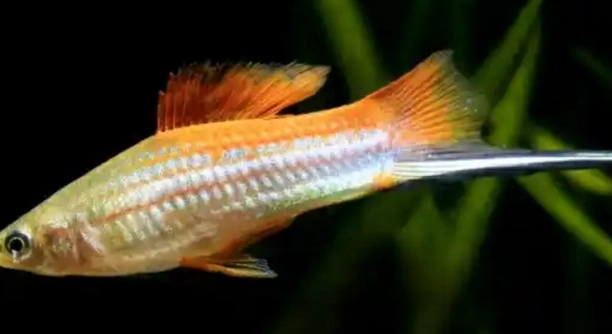
Swordtails are popular aquarium fish, known for their vibrant colors and playful nature. Many people wonder if they feel safer when surrounded by other swordtails, or if they prefer solitude in their aquatic home.
Swordtails are social fish and generally feel safer in groups. They tend to exhibit more natural behaviors, like swimming actively and exploring their environment, when kept with others of their species. Isolation can lead to stress.
Understanding how swordtails behave in groups is important for creating a healthy and happy environment for them. Knowing how they interact can help prevent potential stress and improve their overall well-being in your aquarium.
How Swordtails Communicate in Groups
Swordtails are highly social creatures that thrive in groups. They often use body language to communicate with each other, such as darting through the water or positioning themselves in certain ways. This behavior helps them establish a pecking order and determine their role within the group. They also use their long, sword-like tails to signal aggression or dominance, which is often seen when males compete for the attention of females.
While swordtails are peaceful by nature, they do require a clear social structure. Without enough other swordtails, they can become anxious or territorial. This leads to changes in their behavior, such as increased hiding or aggression toward other fish species. Swordtails are less likely to display these stress-related behaviors when they are in larger groups. Keeping them with at least five or more swordtails is ideal for maintaining a stable social structure in your tank.
It’s clear that swordtails feel much safer and more confident in groups. Their behavior not only reflects this but shows that social interaction is crucial for their well-being. Providing them with a group also creates a more dynamic and exciting aquarium display.
Benefits of Group Living for Swordtails
Swordtails in groups experience less stress, allowing them to live healthier, longer lives. When kept alone or in very small numbers, swordtails may feel vulnerable, which can impact their overall health.
Group living provides a sense of security and promotes natural behavior. Swordtails swim freely, interact with each other, and enjoy a more balanced environment. This behavior reduces the chance of anxiety-related illnesses and ensures they are more active. It also allows them to establish territory boundaries and avoid feeling crowded or threatened.
A social environment in the aquarium can help prevent aggression, particularly among males, who can be territorial. With multiple swordtails, any potential issues are often resolved through non-aggressive interactions, which keeps the peace within the tank. In smaller groups, however, males may compete aggressively for resources and mates, which can cause harm. This makes a larger group of swordtails much healthier and more stable.
Swordtail Social Behavior in Mixed-Species Tanks
Swordtails can live with other fish species, but the dynamics shift when multiple types of fish are involved. In a tank with both swordtails and other species, the swordtails’ social behavior is influenced by the presence of other fish. They may interact with different species, but their sense of safety comes from being with others of their own kind. This is why keeping a larger group of swordtails still matters, even in mixed-species setups.
When swordtails are surrounded by too many non-swordtail tankmates, they may retreat into quieter, more hidden parts of the tank. This could affect their overall health, as reduced activity levels and socialization can cause stress. Keeping them in a well-planned tank with other peaceful fish and enough space allows swordtails to socialize in a natural way without competing too much for attention.
This is an important factor when considering tank design and how to set up your aquarium. Even if you have non-swordtail species in your tank, ensure your swordtails have enough of their own kind to interact with for a happier, healthier experience.
Why Swordtails Prefer Group Living
Swordtails feel more comfortable in groups because it provides safety and stability. In groups, they can swim freely, establish social bonds, and communicate better. Without the presence of other swordtails, they may feel vulnerable or stressed, making them more prone to health issues. Group living gives them a sense of security that supports both their physical and mental well-being.
When swordtails are in a group, they naturally form social hierarchies. This helps them avoid conflicts over territory or food. In a balanced group, swordtails also interact with each other, which reduces stress and keeps them active. Without these social cues, a swordtail may feel isolated, causing it to become less interactive and more prone to hiding. This behavior is a clear sign of how much they rely on group dynamics to thrive in captivity.
A swordtail kept alone or in too small of a group might exhibit strange behavior, such as hiding or refusing to swim. Such isolation often leads to a drop in their energy levels, making them seem lethargic or unwell. In larger groups, however, swordtails show more vitality and curiosity. They explore the tank, swim actively, and stay engaged with the environment. This highlights how social connections play a large role in their health and activity levels.
Swordtail Tank Setup for Group Living
Setting up an ideal environment for swordtails in a group starts with space. Ensure your tank is large enough to accommodate multiple fish comfortably, with plenty of hiding spots and plants. A good rule is at least 20 gallons for a small group of five to six swordtails, with extra space for them to swim around.
The tank should have plants or decorations that swordtails can use to create territory and reduce stress. These elements give swordtails places to hide when they need privacy and offer hiding spots for smaller fish, too. A well-planted tank encourages natural behavior and helps keep the water conditions stable.
The water temperature and quality are just as important. Swordtails prefer temperatures between 72-78°F (22-26°C), with a stable pH range of 7.0-8.4. Regular water changes and proper filtration keep their environment clean and healthy. Healthy water quality, combined with a larger tank and plenty of hiding places, allows swordtails to feel secure in their group and reduces the chances of territorial aggression or stress.
How Many Swordtails Should Be in a Group?
To ensure your swordtails feel safe, aim for a group of at least five to six. A larger group allows them to establish a social structure and feel more secure. Swordtails thrive in numbers and are more active when surrounded by their own kind.
When swordtails are kept in too small a group, they may experience stress, and their natural behaviors could be limited. A small number of swordtails can also lead to more territorial issues, especially among the males. This can result in aggression or hiding, which is not ideal for their well-being.
Group Dynamics and Male Swordtail Behavior
Male swordtails are known to be more active in groups, especially during mating season. When multiple males are present, they compete for the attention of females, but in a healthy group, this competition rarely turns aggressive. Instead, they engage in displays like chasing or circling the females.
In a group, the males establish subtle hierarchies. The dominant males get the most access to females, while the less dominant ones often engage in less aggressive behaviors. The presence of multiple males also keeps the aggression spread out, reducing the likelihood of one fish being constantly harassed.
Swordtail Compatibility with Other Species
Swordtails can live with a variety of peaceful species, but they should be kept with fish that are not overly aggressive. Species like tetras, mollies, and guppies can coexist well with swordtails, as they tend to have similar water requirements and are not territorial.
When adding swordtails to a community tank, ensure that tank mates won’t harass or outcompete them for food. Aggressive fish or those that are too fast can stress swordtails, so it’s best to keep them with calmer, more relaxed species.
FAQ
Do swordtails prefer groups over being alone?
Yes, swordtails do prefer groups. They are social fish and feel safer in numbers. When kept in isolation, they may become stressed or anxious. This stress can lead to a decrease in their overall health and activity. Groups allow swordtails to interact with one another, reducing stress and promoting natural behaviors. In a group, they also feel more secure, which makes them more active and curious in their environment. A group of at least five or six swordtails is ideal for creating a balanced social structure.
Can swordtails be kept in small groups?
Swordtails can technically be kept in small groups, but it’s not ideal for their well-being. While a pair might get along, it’s more likely to lead to territorial behavior or stress. Swordtails naturally feel more comfortable in a group of at least five, which helps maintain social stability. Smaller groups might result in males becoming more aggressive, especially if there are not enough females, leading to stress and possible injury. It’s always better to provide them with a larger group, as this will promote better behavior and overall health.
How can I tell if my swordtails are stressed?
Stress in swordtails can be noticed through several signs. If your swordtail is hiding more than usual, not swimming as actively, or showing aggressive behavior, these can be indications of stress. Stressed swordtails may also lose their vibrant colors and appear dull. Additionally, if they are darting around the tank excessively or rubbing against objects, this can also be a sign of stress. It’s important to monitor water quality, tankmates, and group size to reduce stress in swordtails.
What are the best tankmates for swordtails?
Swordtails are peaceful fish and do well with other calm species. Good tankmates include tetras, mollies, and guppies. These species share similar water requirements and are not overly aggressive. Avoid keeping swordtails with larger, more territorial fish or aggressive species, as they might cause stress and lead to fights. It’s essential to ensure that all fish in the tank are of similar temperament, as swordtails can become stressed by overly dominant fish. In mixed-species tanks, swordtails typically do well when they have enough space to establish their own social groups.
Can swordtails live with aggressive fish?
Swordtails should not be kept with aggressive fish. They can be bullied or stressed by more dominant species, which can affect their health and behavior. If kept with aggressive fish, swordtails may become fearful, hide more often, and stop eating. It’s best to avoid tankmates like cichlids or larger predatory fish that might harass them. Peaceful community fish, like tetras and mollies, are much better choices for a peaceful environment. Proper tank setup, with plenty of hiding spots, will also help swordtails feel safe in a mixed tank.
What is the minimum tank size for swordtails?
The minimum tank size for swordtails depends on how many you plan to keep. A tank size of 20 gallons is recommended for a small group of five or six swordtails. Larger groups will require a bigger tank, as swordtails are active swimmers. The more space you provide, the healthier and more comfortable your swordtails will be. If you plan to keep swordtails with other species, ensure there’s enough space for all fish to move freely without overcrowding. A larger tank will also make it easier to maintain stable water conditions.
Do swordtails need live plants in their tank?
While swordtails do not absolutely need live plants, they greatly benefit from having them in their tank. Plants provide hiding places, which make swordtails feel secure and reduce stress. They also help maintain water quality by absorbing excess nutrients. Live plants promote a more natural environment, which can encourage swordtails to display more natural behaviors. Additionally, plants can act as a barrier, helping to reduce territorial disputes among swordtails. It’s a good idea to add some live plants, such as Java ferns or Anubias, to enhance your swordtail’s habitat.
How can I breed swordtails in a community tank?
Breeding swordtails in a community tank is possible but requires some planning. First, ensure that the tank has enough space for the pregnant females to hide and give birth without being disturbed. Adding plants or decorations provides cover, allowing the fry (baby swordtails) to have a better chance of survival. The males will naturally attempt to court the females, so having several males in the tank will allow them to compete for mating opportunities. Once the females give birth, it’s best to remove them from the main tank to avoid the fry being eaten by other fish.
What should I feed my swordtails?
Swordtails are omnivores and will eat a variety of foods. A balanced diet should include high-quality fish flakes, pellets, and occasional live or frozen food like brine shrimp or daphnia. Swordtails also enjoy vegetable matter, so you can supplement their diet with blanched spinach, zucchini, or algae wafers. It’s important to provide a well-rounded diet to ensure they get all the necessary nutrients. Feeding swordtails two or three times a day, with a mix of different foods, will help keep them healthy and active. Avoid overfeeding, as this can lead to poor water quality and health issues.
Why is my swordtail’s tail not growing properly?
If your swordtail’s tail isn’t growing properly, there could be several reasons. Poor water quality, inadequate nutrition, or stress can all affect the growth of their tail. Swordtails need a balanced diet with plenty of vitamins and minerals to support healthy growth. If the water quality in the tank is poor, it can lead to stunted growth and other health problems. Ensure that you are maintaining the right water conditions, including stable temperature, pH, and ammonia levels, and provide a nutrient-rich diet to encourage proper growth.
Can swordtails live with other species of livebearers?
Yes, swordtails can live with other livebearers like mollies, guppies, and platies. These fish share similar water requirements and peaceful temperaments, making them great tankmates for swordtails. However, it’s important to monitor the balance of males and females in your tank, as too many males can lead to stress or aggression. Swordtails and other livebearers may also breed in the same tank, so keep in mind that fry might need protection from adult fish. A peaceful community tank with multiple species of livebearers can be an interesting and vibrant setup.
Final Thoughts
Swordtails are social fish that thrive in groups, which helps them feel secure and active. Keeping them in groups of at least five or six swordtails is recommended to ensure they live in a stress-free environment. A larger group provides the opportunity for swordtails to establish a natural social structure, where they can interact and avoid aggressive behaviors. Without enough companions, swordtails may become stressed, lethargic, or even stop eating, which can affect their overall health. Group living is important for their well-being, as it allows them to express their natural behaviors, like swimming together and establishing territories.
In addition to keeping them in groups, setting up a proper tank is essential for swordtail health. Providing a spacious tank with plenty of plants, hiding spots, and decorations allows swordtails to feel comfortable and safe. A clean and well-maintained environment with stable water conditions is just as important. Swordtails prefer a tank temperature between 72-78°F and a pH of 7.0-8.4. Regular water changes and proper filtration are crucial to avoid stress or disease. Keeping the tank environment balanced is the key to encouraging swordtails to stay active and healthy.
Swordtails can live peacefully with other compatible species, such as mollies, guppies, and tetras. However, it is important to avoid aggressive or overly territorial fish that might cause stress. They also appreciate having live plants in their tank, which not only provide hiding spots but also contribute to better water quality. Ensuring that swordtails have a peaceful, well-planted, and spacious tank with enough tankmates will promote their happiness and health. By understanding their social nature and providing the right environment, swordtails can live healthy, active lives in your aquarium.

Hello,
If you enjoy the content that we create, please consider saying a "Thank You!" by leaving a tip.
Every little bit helps us continue crafting quality advice that supports the health, happiness, and well-being of pets around the world, for pets of all shapes, sizes, and species.
We really appreciate the kindness and support that you show us!