
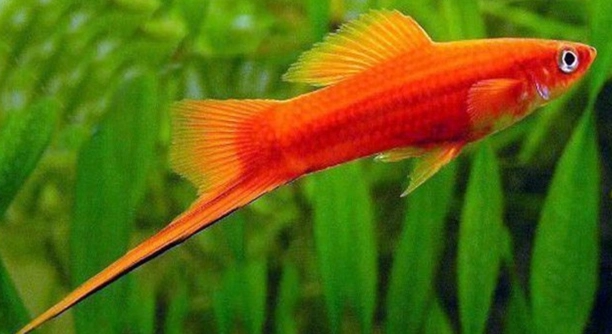
Swordtails are lively and social fish, often found in community aquariums. As they interact with one another, it’s natural to wonder if losing a tank mate might affect them emotionally or behaviorally.
Swordtails can indeed experience stress after losing a companion. Fish, like many animals, can form bonds with tank mates, and the absence of a familiar presence may lead to loneliness or behavioral changes. Providing extra attention can help them adjust.
While they may feel lonely after a loss, creating a stable environment and ensuring their needs are met can improve their well-being.
How Swordtails React to Changes in Their Environment
Swordtails are social creatures that thrive in the company of others. They often form strong bonds with their tank mates, especially if they’ve been housed together for a long time. Losing a companion can be a difficult experience for them. Their behavior may change, and they might seem more withdrawn, stressed, or agitated. This reaction isn’t unusual, as many species of fish experience emotional responses to the absence of a familiar presence. Swordtails may swim aimlessly or hide more than usual, indicating a form of distress. It’s important to recognize these signs and take steps to support them during this time.
Sometimes, swordtails can adapt to the absence of a tank mate, but it may take time. Providing a stable environment and minimizing other stressors can help ease their transition. It’s crucial to ensure their water conditions are optimal, as poor water quality can exacerbate stress.
Regular feeding and enrichment activities, such as adding plants or changing the tank’s setup, can also help keep them mentally engaged and reduce feelings of loneliness.
Helping Swordtails Cope After Loss
When a swordtail loses a companion, it’s essential to offer some extra care and attention. These simple actions can make a significant difference in their recovery.
Swordtails need consistency and reassurance in their environment. After a loss, they might require more time to adjust to the new dynamic in their tank. Adding more hiding spots or plants can create a more secure space for them to explore and feel comfortable. Additionally, a change in routine, like varying feeding times, can engage their attention and reduce stress. Even though the loss can be upsetting, providing a consistent and calm atmosphere helps swordtails regain their sense of security.
Over time, swordtails will adjust to their new reality. Whether you choose to add a new companion or allow them to thrive on their own, paying attention to their behavior and emotional well-being is essential for their overall health. As they adapt, they will show signs of becoming more active and at ease again.
Signs Your Swordtail Might Be Lonely
Swordtails can exhibit several signs of loneliness. They might swim aimlessly, stop interacting with other tank mates, or appear more withdrawn than usual. These changes can be indicators that they are struggling after a loss.
Their behavior can vary depending on their personality and the depth of their bond with the lost companion. Some swordtails may seek solitude, while others become more agitated or defensive. Watch for any signs of distress, such as excessive hiding, lack of appetite, or unusual swimming patterns. These behaviors may not always be obvious but can be indicative of their emotional state.
Ensuring their environment remains stable during this time is crucial. Water quality, temperature, and tank conditions can all play a role in how a swordtail adjusts to a loss. Taking steps to minimize stressors can help them recover.
Creating a Comforting Environment for Swordtails
After a loss, swordtails benefit from a peaceful and secure environment. Adding plants, caves, or other hiding spots can offer a sense of security. These additions allow the fish to feel more protected, especially if they are feeling vulnerable or stressed.
The key is to avoid overwhelming them with sudden changes. Gradual changes, such as introducing new plants or rearranging the tank, can help ease their discomfort. Swordtails prefer a stable environment, so too many alterations at once can add to their stress levels. It’s also essential to maintain good water quality, as poor water conditions can worsen stress and make the adjustment harder for your fish. Regular water changes and keeping the tank clean will ensure that their environment remains comfortable during this difficult period.
Can Adding a New Tank Mate Help?
Introducing a new tank mate may help your swordtail feel less lonely after a loss. However, it’s important to consider how your swordtail might react to a new companion. They may be hesitant or stressed initially.
Introducing a new fish should be done carefully. Make sure the new addition is compatible with your swordtail’s temperament. It’s crucial to introduce them slowly, using a quarantine period if necessary. This allows both fish to adjust to each other’s presence without creating additional stress. Watch for signs of aggression or distress, and be prepared to separate them if needed.
Ensuring Swordtail’s Diet Supports Their Well-being
A proper diet can help swordtails feel more comfortable after a loss. Feeding them a varied and nutritious diet provides the necessary nutrients for their physical and emotional health. Fish that are well-fed are generally less stressed and more active.
Providing high-quality fish food such as flakes, pellets, and occasional treats like brine shrimp can also boost their energy levels. Offering small, frequent feedings can keep their mind engaged and prevent boredom. A healthy diet is essential for their overall recovery during this time.
When to Seek Professional Help
If your swordtail continues to show signs of stress or doesn’t seem to adjust after a loss, it may be time to seek professional advice. A veterinarian specializing in fish can provide guidance on their health and well-being.
FAQ
Can swordtails get lonely after losing a tank mate?
Yes, swordtails can experience loneliness after the loss of a companion. Like many social fish, they form bonds with other tank mates, and the absence of a familiar face can cause stress. Swordtails may show signs of withdrawal or altered behavior, such as hiding or swimming aimlessly. It’s important to pay attention to their actions and make changes to their environment if necessary to help them adjust.
How long does it take for a swordtail to adjust to the loss of a tank mate?
The adjustment period for swordtails can vary, but it usually takes a few days to a week for them to settle. During this time, they might display behaviors that show they’re stressed or feeling lonely. It’s important to monitor them closely and make their environment as comforting as possible. Over time, swordtails generally adapt to the new situation, especially if their tank conditions are kept stable and they are provided with proper care.
Should I add a new fish to the tank after a swordtail loses a tank mate?
Introducing a new fish can help distract the swordtail and reduce loneliness, but it’s essential to approach this carefully. Swordtails may not immediately accept a new companion, especially if they are still adjusting to the loss. It’s recommended to quarantine the new fish first and slowly introduce them to the tank. If the swordtail seems to accept the new fish, it can help them feel less isolated.
What signs indicate that a swordtail is lonely or stressed after a loss?
Swordtails that are lonely or stressed may exhibit several signs. These include hiding more than usual, swimming aimlessly, refusing to eat, or showing aggression toward other fish. They might also become more lethargic or less active overall. Changes in their behavior are often the first signs that they’re not adjusting well to the loss of a tank mate.
Can a swordtail recover from loneliness without a new tank mate?
Yes, swordtails can recover from loneliness without a new companion, although it might take a little longer. Providing a stable environment, maintaining high water quality, and ensuring they have plenty of hiding spots or plants can help them cope. Swordtails are resilient and can regain their confidence and comfort with time, though extra care and attention can make this process smoother.
How can I help my swordtail feel better after a loss?
To help your swordtail feel better, focus on creating a stable and comfortable environment. Ensure that water conditions are optimal, as poor water quality can increase stress. Add plants, caves, or other hiding spots to give them a sense of security. You can also vary their feeding routine to keep them mentally stimulated and reduce boredom. Keeping a calm and routine environment will aid in their emotional recovery.
Is it better to add more than one tank mate to a lonely swordtail?
While adding one fish is often enough to provide companionship, some swordtails may benefit from a group of tank mates, especially if they are highly social. However, introducing multiple fish at once can be stressful if not managed carefully. Each fish will need time to adjust to the new social dynamic, and it’s essential to observe their interactions closely. If you choose to add more than one, make sure the new fish are compatible with the swordtail and each other.
Do swordtails bond with other species, or only with other swordtails?
Swordtails can form bonds with other species, especially those with similar temperaments and social behaviors. They often coexist peacefully with other community fish such as guppies, mollies, and tetras. While they may not form the same close bond as they would with another swordtail, they can still enjoy the company of different fish. It’s important to ensure compatibility and monitor their interactions to avoid aggression or stress.
What should I do if my swordtail is still acting stressed after several weeks?
If your swordtail continues to show signs of stress after several weeks, it’s crucial to evaluate its environment. Check the water conditions, temperature, and tank setup. If everything seems fine and the swordtail’s behavior hasn’t improved, it might be time to consult with an experienced fish keeper or veterinarian who specializes in aquatic animals. Long-term stress can lead to health problems, so it’s important to address the issue promptly.
Can swordtails get stressed from changes in tank conditions?
Yes, swordtails can become stressed if there are sudden changes in their tank environment. Fluctuations in water temperature, pH levels, or tank setup can make them feel insecure. Swordtails prefer a stable environment, so it’s important to make changes gradually. If you need to adjust anything in the tank, do so slowly to minimize any potential stress.
Should I consider getting a new swordtail if mine seems to be lonely?
If your swordtail seems lonely, getting another swordtail can help, but it’s important to observe how they interact. Swordtails are social but can also be territorial. Make sure the new fish is compatible in size and temperament, and introduce them carefully to avoid conflict. Keep an eye on their behavior to ensure that the new addition doesn’t add more stress.
Final Thoughts
Swordtails, like many other fish, can experience loneliness after losing a tank mate. Their social nature means they often form bonds with other fish, and when that companion is no longer around, they can feel stressed or withdrawn. It’s important to recognize the signs of loneliness, such as swimming aimlessly, hiding, or a lack of appetite. While these changes in behavior can be unsettling, they are often temporary as long as their environment remains stable and stress-free. Swordtails are resilient and, with the right care, can adjust over time.
Creating a comfortable and secure environment is essential for helping a swordtail recover from the loss of a companion. Providing hiding spots, plants, or caves can give them a sense of safety. Maintaining high water quality and keeping the tank conditions consistent can also reduce stress. It’s important to avoid sudden changes in the tank to prevent overwhelming the fish. Whether or not to add a new companion depends on the swordtail’s behavior and comfort level with change. If introducing a new fish, it should be done slowly and with caution to avoid adding more stress.
Ultimately, swordtails can thrive even after the loss of a companion if they receive proper care and attention. Whether they are adjusting alone or with the addition of a new tank mate, patience is key. It’s important to observe them closely, provide a stable environment, and offer a healthy diet. If signs of stress persist for an extended period, consulting with an experienced fish keeper or veterinarian may be necessary. By ensuring their well-being, swordtails can continue to live healthy, active lives despite the emotional challenges they may face.

Hello,
If you enjoy the content that we create, please consider saying a "Thank You!" by leaving a tip.
Every little bit helps us continue crafting quality advice that supports the health, happiness, and well-being of pets around the world, for pets of all shapes, sizes, and species.
We really appreciate the kindness and support that you show us!