
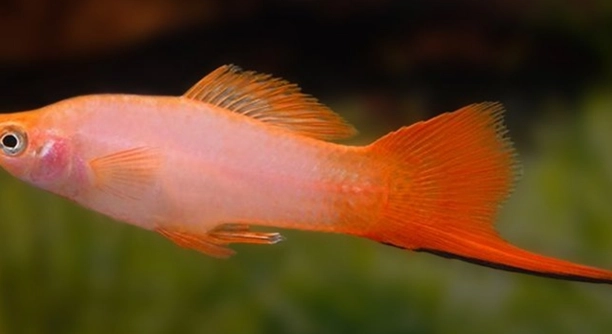
Swordtails are known for their vibrant colors and lively behavior, but sometimes they can show signs of stress or discomfort. Recognizing these behaviors early is crucial for their health and well-being. Keep an eye on these warning signs.
There are several swordtail behaviors that indicate potential problems. These include erratic swimming, aggression toward tank mates, loss of appetite, and rapid gill movement. If these signs persist, it could signal underlying health or environmental issues that need immediate attention.
Addressing these behaviors quickly will ensure your swordtail thrives in a healthy environment. Understanding their signals can prevent bigger problems, keeping your fish happy and safe.
Erratic Swimming Patterns
Swordtails are typically active swimmers, but sudden changes in swimming patterns can signal distress. If you notice your swordtail swimming erratically, darting around the tank, or staying near the surface, this can be a sign of stress or discomfort. Such behaviors may indicate that something is wrong with the water quality or that they are experiencing environmental stress. Swordtails are sensitive to sudden changes in temperature, pH, and water hardness, so it’s important to check the water parameters regularly. Poor water quality can cause them to behave in ways that seem abnormal. It’s also essential to ensure the tank is not overcrowded, as this can lead to a lack of space and cause stress for the fish.
In some cases, swordtails may swim in circles or make sudden movements as a result of parasites or infections. This behavior is usually accompanied by other signs, such as visible lesions or changes in skin color. It’s important to monitor these signs and provide appropriate treatment if necessary.
Aggressive Behavior
Swordtails can sometimes display aggression, especially toward other fish in the tank. This often happens when there is competition for resources or territorial disputes. They may chase each other around or nip at the fins of their tank mates. If aggression becomes a recurring issue, it could be a sign that the tank is not large enough or there are too many male swordtails competing for dominance.
Providing plenty of hiding spots and ensuring your swordtail has enough space can reduce the likelihood of aggression. Adding females to the tank can also help reduce aggressive behavior in males, as it shifts their focus toward mating rather than competing. Monitoring their interactions can help ensure a peaceful environment.
Loss of Appetite
When swordtails lose interest in food, it can be a red flag. Reduced eating habits can point to a variety of issues, including poor water quality, stress, or illness. A sudden lack of appetite should be addressed immediately. Swordtails are typically active eaters, so any drastic change in behavior can be a sign that something is wrong.
If your swordtail refuses food for a prolonged period, consider checking the water parameters. Ensure the water is within the ideal range for swordtails, as improper conditions can cause them to lose their appetite. Additionally, stress factors, such as overcrowding or a tank mate causing discomfort, should be considered. If there are no obvious environmental issues, check for signs of disease, as some conditions can cause a decrease in appetite.
In some cases, swordtails may refuse food if they are ill or infected. Look for signs like pale skin, unusual swimming patterns, or bloating, as these could indicate illness. If you notice any of these symptoms along with the loss of appetite, it’s best to consult a professional for advice.
Rapid Gill Movement
Swordtails may exhibit rapid gill movement as a sign of trouble. When fish breathe heavily or quickly, it usually indicates that they are not getting enough oxygen. This can be caused by poor water quality or a lack of proper filtration. It’s important to ensure that the tank is well-oxygenated, especially if the fish are exhibiting signs of stress or discomfort.
Rapid gill movement may also occur if there is a build-up of ammonia or nitrites in the tank. These toxins can be harmful to swordtails and other fish, leading to difficulty breathing. To remedy this, perform water changes and check the filtration system. If the gill movement continues despite water changes, it could be worth testing for other possible factors like temperature fluctuations or high stocking density.
Stress caused by aggressive tank mates or overcrowding can also lead to rapid gill movement. Fish in a stressed state often breathe faster, which can contribute to respiratory problems. Ensure that the tank environment is calm and that there is enough space for each fish to thrive.
Constant Hiding
If your swordtail spends an unusual amount of time hiding, it can signal a problem. Swordtails are typically active and social, so retreating to dark corners of the tank could indicate stress or illness. This behavior often worsens when they feel threatened by tank mates or environmental factors.
Stress is one of the primary causes for constant hiding. If the swordtail feels unsafe or has nowhere to hide, it may seek refuge in secluded spots. Overcrowding or aggressive tank mates could be the reason for this behavior. Additionally, changes in water parameters, like high ammonia levels, can also contribute to this behavior.
Flicking Against Objects
Swordtails may flick their bodies against rocks, plants, or other objects in the tank. This is often a sign of irritation or discomfort. If the fish is constantly rubbing itself against surfaces, it may be dealing with external parasites, skin irritation, or an injury.
Repeated rubbing against objects could also be a sign of stress caused by poor water quality or aggression from other fish. In some cases, it’s important to closely examine the fish for signs of parasites or lesions that may require treatment. Consulting with a vet can help confirm the issue.
Swollen Belly
A swollen belly in swordtails can be a sign of overfeeding or a more serious condition. If the belly is bloated and the fish appears uncomfortable, it could indicate digestive issues, such as constipation or internal parasites. It may also signal an infection like dropsy.
Swelling is often accompanied by lethargy and a lack of appetite. In some cases, it may lead to changes in behavior, such as abnormal swimming patterns or a desire to hide. If swelling persists, it’s essential to monitor the fish’s condition closely and consider water quality and diet changes.
FAQ
What should I do if my swordtail’s fins are clamped?
Clamped fins are a common sign of stress or illness in swordtails. It may indicate poor water quality, aggression from other fish, or the presence of parasites. Begin by checking the water parameters—ensure the pH, ammonia, nitrite, and nitrate levels are within the ideal range. If the water quality is fine, observe the tank for signs of aggressive behavior, overcrowding, or bullying. In some cases, clamped fins could point to an underlying infection or disease. If the fish shows no improvement, consider isolating the swordtail in a quarantine tank and seek advice from an aquarium professional.
How can I tell if my swordtail is pregnant?
Female swordtails can become pregnant quite easily, and it’s important to spot the signs early. A pregnant female will typically have a larger belly, which may appear slightly round or swollen, especially as she gets closer to giving birth. You may also notice a darker spot near her anal fin, known as the gravid spot, which becomes more visible as the fry (babies) develop. A pregnant swordtail will often display slower, more cautious movements, and she may spend more time hiding or seeking less active tank mates for comfort.
Why is my swordtail’s color fading?
If your swordtail’s vibrant colors are fading, it could be due to several factors, such as poor water quality, improper diet, or stress. Swordtails rely on a nutritious diet and clean water to maintain their colors. Try adjusting the water conditions to ensure they are within the ideal range for your swordtail. Also, feed them a balanced diet that includes high-quality fish flakes, pellets, and occasional live or frozen foods. If the colors continue to fade, check for signs of disease or parasites that may be affecting the fish’s overall health.
What is the best temperature for swordtails?
Swordtails prefer a water temperature between 72°F and 82°F (22°C to 28°C). Maintaining a stable temperature within this range is crucial for their health and well-being. If the water is too cold, swordtails can become stressed and more susceptible to illness. On the other hand, water that’s too hot can lead to oxygen depletion and increased metabolism, which may cause other health issues. Investing in a reliable aquarium heater will help maintain a consistent temperature, ensuring your swordtails are comfortable and thrive in their environment.
How can I prevent swordtail diseases?
Preventing swordtail diseases involves maintaining optimal water quality, a balanced diet, and providing a stress-free environment. Regular water changes are essential to prevent the build-up of toxins like ammonia and nitrites. It’s also important to avoid overcrowding the tank, as this can stress the fish and increase the risk of disease. A varied diet that includes both plant-based and protein-rich foods will help keep your swordtail’s immune system strong. Quarantining new fish before introducing them to your main tank can prevent the spread of any potential diseases.
Why are my swordtails constantly chasing each other?
Swordtails can exhibit chasing behavior, especially during mating periods. Male swordtails, in particular, may chase females to initiate courtship. However, constant chasing can also be a sign of territorial behavior, particularly if there is not enough space or hiding spots in the tank. Males may become aggressive toward each other when competing for females, leading to stress and injury. To prevent this behavior, ensure the tank is adequately sized, with plenty of plants and decorations that allow for territorial separation. Introducing more females to balance the male-to-female ratio can also reduce male aggression.
Is it normal for swordtails to eat plants?
Swordtails are omnivores, meaning they eat both plant matter and protein. While they may nibble on some plants in your tank, excessive plant eating could indicate that they are not getting enough food from their regular diet. Providing a balanced diet with sufficient nutrients, including vegetable-based food options, will reduce their desire to eat plants. Additionally, ensure you provide plenty of plant variety in the tank for them to graze on without causing damage to live plants. If your swordtails are constantly eating plants, it could be a sign of hunger or boredom, so try adjusting their feeding routine.
How do I know if my swordtail is stressed?
Swordtails can exhibit several signs of stress, such as rapid gill movement, excessive hiding, erratic swimming, or a decrease in appetite. Stress can be caused by poor water quality, sudden changes in the environment, aggressive tank mates, or overcrowding. If you notice your swordtail behaving unusually, start by checking the water parameters. High ammonia, nitrites, or nitrates can all cause stress and other health issues. Providing a peaceful environment with plenty of hiding spaces and making sure the water conditions are stable can help reduce stress in your swordtail.
How often should I feed my swordtail?
Swordtails should be fed once or twice a day, with an amount that they can consume within a few minutes. Overfeeding can lead to water quality issues, as uneaten food breaks down and increases toxins in the tank. It’s important to remove any leftover food to prevent it from decomposing. Offering a varied diet that includes high-quality flakes, pellets, and occasional live or frozen foods will help keep your swordtail healthy and provide all the necessary nutrients. Monitor their appetite and adjust the portion size if needed to maintain their optimal health.
Can swordtails live with other fish?
Swordtails are peaceful and social fish, making them a good choice for community tanks. They generally get along with other peaceful species, such as tetras, guppies, and mollies. However, they may become aggressive toward other males, especially if they feel their territory is threatened. It’s important to create a balanced tank environment with sufficient hiding spaces and a good male-to-female ratio to prevent conflicts. Avoid keeping swordtails with overly aggressive species, as this can lead to stress and harm for your swordtails.
Final Thoughts
Swordtails are generally hardy and easy to care for, but like all fish, they can show signs of trouble when something is wrong. Recognizing the behaviors that signal potential issues is key to keeping them healthy. Paying attention to signs such as clamped fins, unusual hiding, or flicking against objects can help catch problems early. These behaviors often indicate stress, illness, or poor water quality, all of which can be addressed with proper care.
Maintaining a stable and clean environment is crucial for swordtail health. Regular water changes, proper filtration, and monitoring water parameters can prevent many issues before they arise. In addition, providing a varied diet and ensuring the right temperature range will keep swordtails thriving. Stressors such as overcrowding, aggressive tank mates, or poor nutrition can negatively impact your fish, so it’s essential to create a peaceful and well-balanced tank environment.
If you notice any troubling behaviors in your swordtail, don’t wait too long to address them. Quick action can prevent more serious health problems from developing. It’s always best to act early, whether that means adjusting water conditions, changing the diet, or isolating a sick fish in a quarantine tank. Keeping an eye on your swordtails’ behaviors and habits will help ensure they live long, healthy lives.

Hello,
If you enjoy the content that we create, please consider saying a "Thank You!" by leaving a tip.
Every little bit helps us continue crafting quality advice that supports the health, happiness, and well-being of pets around the world, for pets of all shapes, sizes, and species.
We really appreciate the kindness and support that you show us!