
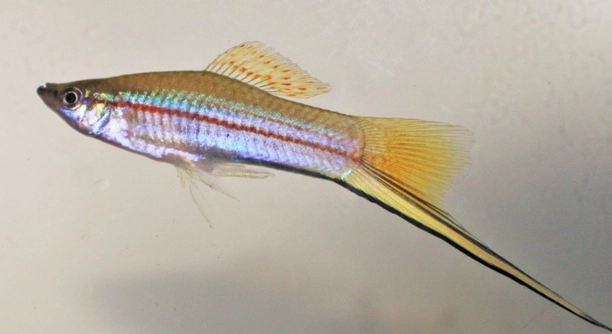
Swordtail fish are known for their active swimming habits. However, if you notice your swordtail swimming upward constantly, it might be due to specific reasons worth considering. Understanding this behavior can help improve their environment.
The primary reason your swordtail is swimming upward is likely linked to its search for better oxygen levels. Swordtails may swim towards the surface to access more oxygen, especially if the water quality or oxygenation is low.
There are several factors that could be contributing to this behavior. Understanding them can help you create a healthier environment for your swordtail and other aquarium fish.
Understanding Swordtail Fish Behavior
When swordtails swim upwards, it’s often their way of responding to changes in their environment. They might be reaching for air at the water’s surface or reacting to something in the water. This upward movement isn’t always a sign of distress but can be related to the need for more oxygen or better water conditions.
If your swordtail seems to swim upward frequently, it may indicate poor water quality. Low oxygen levels or an unbalanced tank environment can force fish to surface more often. You might also notice them swimming near the filter or air stone if they are seeking cleaner, well-oxygenated water.
Swordtails are naturally active and curious fish, but they rely on steady, clean water conditions to thrive. By maintaining a proper filtration system and monitoring your tank’s oxygen levels, you’ll create a healthier and more balanced environment for your fish. You can also ensure the water is free of toxins or contaminants that could trigger this behavior.
Oxygen and Water Quality
Swordtails are sensitive to changes in water conditions, and their behavior often reflects this. Monitoring water parameters such as pH, hardness, and temperature is crucial.
Maintaining oxygen levels through proper aeration is also essential. If your tank’s oxygen is low, swordtails will instinctively swim upwards toward the surface. You may notice other signs, like rapid gill movement or lethargy. Regular water changes and checking equipment like air pumps and filters can help provide the oxygen they need.
A balanced tank with adequate water flow supports swordtail health and helps them swim naturally without reaching for air too often. If you see this behavior frequently, it might be worth testing your water and adjusting the flow or aeration to meet the fish’s needs.
Poor Water Conditions
Dirty or unfiltered water is one of the main reasons swordtails swim upward. They instinctively seek clean water with more oxygen at the surface when their environment becomes polluted.
Dirty water with high levels of ammonia, nitrites, or nitrates can overwhelm your swordtail. This causes them to swim toward the surface in search of better conditions. Regular water changes and a proper filtration system will help prevent this behavior. You should also monitor your water’s quality to ensure the fish are living in optimal conditions. Swordtails are more active and healthier when they feel safe in clean, well-maintained water.
Maintaining a regular cleaning schedule and checking your filters is key to avoiding these issues. If the water is consistently dirty, it can lead to more serious health problems, such as fin rot or stress, which can affect your swordtail’s behavior. Be sure to test your water regularly for ammonia and nitrates to keep your fish safe.
Tank Size and Space
A small or overcrowded tank can lead to stress and cause your swordtail to swim more toward the surface. Swordtails need adequate space to swim comfortably.
An overcrowded tank often results in poor water quality and reduced oxygen levels, which force swordtails to swim upwards. Providing your fish with enough room to move freely reduces stress and allows them to thrive. Be sure to maintain proper space for each fish, and avoid overstocking the tank. Keeping your swordtail in a spacious, well-maintained aquarium helps them feel more secure and less likely to display unusual swimming behavior.
Ensure your swordtail has plenty of swimming space. If you notice signs of stress like excessive upward swimming, consider upgrading the tank size or re-evaluating the number of fish. Fish are more likely to swim in a natural, healthy manner when they have room to explore.
Temperature Fluctuations
Swordtails are sensitive to sudden changes in water temperature. When the temperature fluctuates too much, they may swim toward the surface in search of a more comfortable environment.
Inconsistent water temperatures can cause stress and discomfort for your swordtail. It is essential to maintain a stable environment within the ideal range, typically between 72°F and 82°F. If the temperature changes drastically, it could push your swordtail to the surface.
A reliable heater can help maintain a consistent water temperature, which promotes better health and reduces stress for your fish. Regularly monitor the tank’s temperature with a thermometer to ensure it stays within the appropriate range.
Fish Health and Stress
Swordtails that are stressed or unwell may also swim upward. Illnesses, parasites, or injuries can make fish behave unusually.
If your swordtail is sick or stressed, it may swim erratically or stay at the surface for longer periods. Symptoms like faded coloration, lack of appetite, or abnormal swimming patterns should be taken seriously. Providing a calm environment and treating the illness promptly can prevent further distress.
Overfeeding
Overfeeding can lead to water quality issues, which may result in your swordtail swimming upward to find better conditions.
Feeding your fish too much can cause uneaten food to decay in the tank, affecting the water quality. This creates an environment where swordtails may seek cleaner, oxygen-rich water at the surface. Regularly removing any uneaten food and feeding in moderation will help keep the tank clean and your swordtail healthier.
FAQ
Why is my swordtail swimming at the surface of the tank?
Swordtails swimming at the surface can be a sign of poor water quality or a lack of oxygen. When the water is polluted with ammonia, nitrites, or other toxins, fish instinctively move toward the surface to find better oxygen levels. If the tank is overcrowded or the filtration system is not working properly, the water can become oxygen-deprived, causing the swordtail to swim upward. Regular water changes and a reliable filtration system will help keep the water clean and oxygenated.
Can swordtails swim too much?
Swordtails are active fish and enjoy swimming. However, excessive swimming, especially in one direction like upward, may indicate stress or environmental issues. Factors like poor water quality, overcrowding, or incorrect water temperature can cause them to swim in a way that seems abnormal. If your swordtail is swimming erratically or for extended periods, it might be a sign that the conditions are not ideal. Monitoring and improving the environment can help reduce such behaviors.
How can I increase the oxygen levels in my swordtail’s tank?
Increasing oxygen levels in the tank can be done by ensuring proper water movement and aeration. Adding a sponge filter or an air stone can help oxygenate the water. Make sure your filter is working well and provides adequate water circulation. A tank with surface agitation will also encourage gas exchange, allowing more oxygen to enter the water. Regularly cleaning the filter and performing water changes will also help maintain oxygen levels.
What temperature should the water be for swordtails?
Swordtails thrive in water temperatures between 72°F and 82°F (22°C to 28°C). Fluctuations outside this range can cause stress and lead to abnormal swimming behaviors, such as swimming toward the surface. Using a reliable aquarium heater can help maintain a stable temperature. It’s important to avoid large temperature swings, as they can weaken your swordtail’s immune system and lead to health problems.
Is my swordtail sick if it is swimming upward?
Not necessarily. Swordtails can swim toward the surface for various reasons, such as seeking more oxygen, poor water conditions, or temperature fluctuations. However, if your swordtail is showing other signs of illness, such as lethargy, faded coloration, or a lack of appetite, it may be a sign that the fish is unwell. It’s important to observe your swordtail closely and check for other symptoms. If you suspect illness, ensure the water conditions are optimal, and consider consulting an aquarium professional.
How often should I change the water in my swordtail’s tank?
Water changes should be done regularly to maintain a healthy environment for your swordtail. Aim for a 25-30% water change every two weeks, or more often if the tank is small or heavily stocked. This helps remove excess waste, uneaten food, and toxins that can accumulate in the water. Make sure to treat the water with a dechlorinator and check the temperature before adding it to the tank. Consistent water changes will keep your swordtail healthy and reduce the chances of abnormal swimming behaviors.
Can overfeeding cause my swordtail to swim upward?
Yes, overfeeding can contribute to poor water quality. Uneaten food decays in the tank, leading to high levels of ammonia and other harmful substances. Swordtails will often swim toward the surface if the water is contaminated. To prevent this, feed your fish small amounts of food that they can consume in a few minutes. If there’s leftover food, remove it promptly. Overfeeding can also cause stress to your swordtail, which may result in abnormal behavior.
Do swordtails need a large tank?
While swordtails are not particularly large fish, they do require enough space to swim freely. A 20-gallon tank is usually the minimum recommended for a small group of swordtails. A larger tank will provide better water quality and reduce stress. Overcrowding can lead to poor oxygen levels and cause swordtails to swim upward in search of cleaner water. Ensure your tank is properly filtered and avoid overstocking to maintain a healthy environment for your fish.
How can I tell if my swordtail is stressed?
Swordtails may display several signs of stress, including excessive swimming at the surface, changes in behavior, loss of appetite, or unusual hiding. Stress in swordtails can be caused by poor water quality, overcrowding, incorrect water temperature, or incompatible tank mates. If you notice any of these signs, take action by testing the water, adjusting the tank conditions, or isolating the fish from any stressors. Reducing stress will help your swordtail feel more secure and reduce behaviors like swimming upward.
Why does my swordtail swim in circles?
Swordtails swimming in circles or displaying erratic swimming patterns can be a sign of illness or stress. It may also indicate poor water quality, as they might be trying to find cleaner areas or oxygen-rich zones. If your swordtail continues to swim in circles, check the tank for any possible toxins or changes in temperature that could be affecting their behavior. Make sure the tank is clean, properly filtered, and that the water parameters are within the optimal range for swordtails.
Can swordtails live with other fish?
Yes, swordtails are peaceful and social fish that generally do well in community tanks. However, it’s important to choose tank mates carefully. Avoid aggressive species that could stress out your swordtail. Swordtails can live with other peaceful fish like tetras, guppies, and mollies. When selecting tank mates, ensure there’s enough space for everyone and that the tank conditions are suitable for all species. If your swordtail is swimming upward more often in a community tank, it might be due to stress caused by other fish.
What should I do if my swordtail is acting abnormal?
If your swordtail is swimming upward more than usual, the first step is to check the water quality. Test the water for ammonia, nitrites, and nitrates to ensure it is within safe levels. Ensure the water temperature is stable and that the fish has enough space to swim. If the behavior persists, check for signs of illness or injury and consider separating the affected fish from others. A healthy tank with balanced conditions will reduce abnormal swimming behaviors and stress.
Final Thoughts
Understanding why your swordtail is swimming upward is important for maintaining its health and comfort. There are several possible reasons for this behavior, including poor water quality, temperature fluctuations, overfeeding, or stress. Each factor can be addressed with simple solutions, such as improving water filtration, maintaining a stable temperature, feeding appropriately, and ensuring your tank is not overcrowded. Regular observation of your fish’s behavior and environment is key to preventing or resolving issues that could lead to unusual swimming patterns. By making necessary adjustments to the tank, you create a healthier and more stable environment for your swordtail.
The health and well-being of your swordtail rely heavily on the conditions you provide in the tank. Small changes like adjusting the water temperature, ensuring proper aeration, and keeping the water clean can significantly improve their behavior. If the fish seems to be swimming erratically or toward the surface often, it’s crucial to consider the possible causes and remedy the situation as quickly as possible. Regular water changes, proper tank maintenance, and monitoring the water parameters will make a big difference in the long term. Swordtails, like any fish, thrive in a balanced and stable environment, so taking the time to maintain that balance is worth the effort.
Ultimately, providing a suitable environment for your swordtail requires a little attention to detail and a proactive approach. While upward swimming can be concerning, it can often be fixed with small, straightforward changes. By focusing on the water quality, temperature, and feeding habits, you can help ensure your swordtail remains happy and healthy. The goal is to create an environment that minimizes stress and promotes natural behaviors. If you ever find yourself uncertain about what might be causing the abnormal swimming, don’t hesitate to seek advice from an aquarium professional or conduct a deeper investigation into the tank’s conditions. With the right care, your swordtail should enjoy a long, healthy life.

Hello,
If you enjoy the content that we create, please consider saying a "Thank You!" by leaving a tip.
Every little bit helps us continue crafting quality advice that supports the health, happiness, and well-being of pets around the world, for pets of all shapes, sizes, and species.
We really appreciate the kindness and support that you show us!