
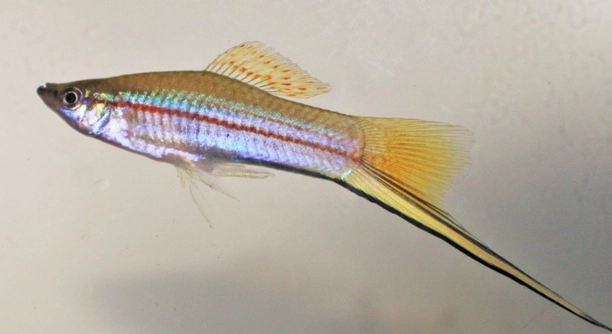
Choosing the right fish for your aquarium can be an exciting yet overwhelming decision. Swordtails are a popular choice for many hobbyists. Before adding them to your tank, there are important considerations to ensure they thrive in their new environment.
Before getting swordtails, it is essential to assess factors such as tank size, water conditions, and compatibility with other species. Swordtails thrive in aquariums with stable temperatures and properly maintained water. Understanding their diet and social needs also helps in their care.
Knowing what to look for when selecting swordtails can make a significant difference. Understanding their behavior and specific requirements can help you maintain a healthy and harmonious aquarium environment.
Tank Size and Space Requirements
Before adding swordtails to your aquarium, it’s crucial to ensure the tank is large enough to accommodate them comfortably. Swordtails can grow up to 4 inches long, so a minimum tank size of 20 gallons is recommended. A larger tank will give them enough space to swim around and reduce stress, which is important for their health. A cramped tank can lead to territorial behavior, aggression, or poor growth.
When planning for swordtails, don’t forget to consider other inhabitants of the tank. You’ll need to factor in their space requirements and avoid overcrowding. It’s also important to provide enough hiding spots, especially if you have other species that may cause stress. Properly managing the tank size will ensure that swordtails can thrive without limitations.
A bigger tank can make your swordtail care more manageable and will help in maintaining water quality. With enough space, swordtails can exhibit their natural behaviors, making the tank more enjoyable for you to observe. Maintaining a clean and well-maintained aquarium setup is key to their success.
Water Conditions
Swordtails are relatively adaptable to different water conditions, but they thrive best in stable environments. The ideal water temperature for swordtails is between 72°F and 79°F. Keeping the pH level between 7.0 and 8.0 is also important, as they prefer slightly alkaline water.
Water hardness is another important factor to consider. Swordtails are not particularly sensitive to water hardness, but maintaining it at a moderate level helps them feel at home. Frequent water changes are necessary to keep the environment clean and the fish healthy. Swordtails produce waste that can quickly degrade water quality, so regular maintenance is crucial.
To keep swordtails comfortable, make sure the filtration system is up to the task of maintaining water quality. The right balance of water conditions will help swordtails live longer, healthier lives.
Compatibility with Other Fish
Swordtails are peaceful fish but can show aggression if they feel crowded. They generally do well with other non-aggressive species like tetras, guppies, and corydoras catfish. However, avoid pairing them with fin-nippers or overly territorial fish, as this can lead to stress or injury.
When choosing tank mates, it’s essential to pick species that have similar temperature and water condition requirements. Swordtails are active swimmers, so they need space to move around. Adding too many fish to the tank could lead to territorial disputes, affecting all fish in the aquarium. Swordtails are especially sensitive to stress, so maintaining a calm and peaceful environment is key.
Some species, like angelfish or bettas, might be too aggressive for swordtails. Additionally, swordtails can sometimes be nippy themselves if they are overly stressed. Careful monitoring during the first few days of introduction is recommended to see how new tank mates interact with your swordtails.
Diet and Feeding
Swordtails are omnivores, which means they will eat a variety of foods, including flakes, pellets, and frozen or live food like brine shrimp and daphnia. A balanced diet ensures that they get the necessary nutrients for growth and energy.
Feeding swordtails can be quite simple, as they readily accept most types of commercial fish food. However, it’s important not to overfeed them, as leftover food can pollute the tank. Offering small portions several times a day is better than a large feeding once. Swordtails have small stomachs, so be mindful of their food intake.
Adding variety to their diet will keep them healthy and active. Offering fresh vegetables like spinach or blanched zucchini will provide added nutrients. Swordtails are particularly fond of plant matter, which complements their omnivorous diet. Regular feeding helps maintain their energy levels and overall health.
Breeding Swordtails
Swordtails are livebearers, meaning they give birth to live young instead of laying eggs. If you plan to breed them, ensure there is enough space in the tank for the fry to grow. Male swordtails can be very active during mating.
The males will chase the females, trying to mate. After fertilization, the female will carry the eggs inside her until they hatch. You may need a separate breeding tank for the fry to avoid them being eaten by adult fish. The fry are very small and require special care.
If breeding, make sure you provide plenty of plants or hiding spots for the fry. This will give them the best chance of survival. The fry will grow quickly if they are well-fed and kept in a safe environment.
Swordtail Lifespan
Swordtails typically live for about 3 to 5 years in a well-maintained tank. Proper care, including regular water changes and a balanced diet, can help them reach their maximum lifespan.
Factors like water conditions, tank size, and general stress levels can affect their lifespan. A stable, stress-free environment allows swordtails to live longer, more comfortable lives. Regular maintenance is key to keeping them healthy.
Common Health Issues
Swordtails are generally hardy fish but can suffer from common aquarium fish diseases, such as fin rot, ich, or swim bladder issues. These conditions are usually caused by poor water quality or stress.
Keeping the tank clean and maintaining good water conditions helps prevent many health issues. Additionally, avoid overcrowding and ensure that swordtails are not stressed by tank mates. Regularly observing your swordtails for any signs of illness is essential for early intervention.
FAQ
How many swordtails can I keep in a 20-gallon tank?
In a 20-gallon tank, you can comfortably keep around 4 to 6 swordtails. However, it’s important to consider their size as they grow and their need for space to swim. If you add more fish, make sure the tank is not overcrowded. Swordtails are active swimmers and need room to move freely.
Can swordtails live with other species?
Swordtails can live with many other species, as long as those species are non-aggressive. They do well with other peaceful fish like tetras, guppies, and mollies. However, avoid keeping them with fin-nippers or overly territorial species, as these can cause stress and even harm to swordtails.
Do swordtails need a filter?
Yes, swordtails need a filter. A filter is essential for maintaining clean water in the tank and preventing the buildup of harmful toxins. Swordtails are sensitive to poor water quality, so having a reliable filtration system helps keep their environment safe and healthy.
What temperature is best for swordtails?
Swordtails prefer water temperatures between 72°F and 79°F (22°C to 26°C). They can tolerate slight fluctuations, but sudden changes in temperature should be avoided as this can stress them. Keeping the water within this range helps swordtails thrive and live a longer, healthier life.
How often should I change the water for swordtails?
You should change 25% to 30% of the water in your swordtail tank once a week. Regular water changes help keep the environment clean and reduce the risk of disease. If you have a larger tank or a well-maintained filtration system, you might be able to extend the time between water changes slightly.
What should I feed swordtails?
Swordtails are omnivores and will eat a variety of foods, including fish flakes, pellets, and live or frozen food like brine shrimp and daphnia. It’s important to feed them a balanced diet to meet their nutritional needs. You can also add fresh vegetables like spinach or zucchini to their diet for added nutrients.
Can swordtails live in brackish water?
Swordtails are generally freshwater fish and should not be kept in brackish water. While they can tolerate slightly salty water in certain conditions, it’s best to maintain them in freshwater for optimal health. They thrive in stable, clean freshwater environments with consistent temperature and pH levels.
How do I know if my swordtail is stressed?
Signs of stress in swordtails include lethargy, faded colors, loss of appetite, and erratic swimming. If you notice these symptoms, check the water quality and tank conditions. Stress can be caused by poor water quality, overcrowding, or incompatible tank mates. If stress persists, it can lead to illness or even death.
Are swordtails easy to breed?
Yes, swordtails are relatively easy to breed. They are livebearers, meaning they give birth to live young rather than laying eggs. When male swordtails mate with females, the female will carry the fertilized eggs inside her until they hatch. You can breed them in a community tank, but it’s a good idea to have a separate breeding tank to protect the fry.
Do swordtails need plants in their tank?
Plants are not necessary for swordtails, but they do benefit from having live plants in their tank. Plants provide hiding spots for the fish, especially for the fry, which are vulnerable to being eaten by adults. Additionally, plants help maintain water quality by absorbing excess nutrients and providing oxygen.
How can I tell if my swordtail is pregnant?
Pregnant female swordtails will have a rounded belly and may show a dark spot near the anal fin, which is the developing fry. As the pregnancy progresses, the belly will grow larger, and you may notice the female’s behavior becoming more secluded. Expect the fry to be born live after about 3 to 4 weeks of gestation.
What do I do if my swordtail has fin rot?
Fin rot in swordtails is typically caused by poor water quality or injury. If you notice frayed or discolored fins, check the water parameters to ensure they are optimal. Perform regular water changes and consider treating the affected fish with a medicated bath or in a separate quarantine tank. If the condition worsens, consult an aquarium professional.
Why is my swordtail’s tail getting shorter?
A swordtail’s tail may shorten due to injury or poor water conditions. If the tank environment is not clean, or if there is aggression from tank mates, the fish might injure itself. Ensure the tank is well-maintained, and that swordtails have enough space to avoid stress and injury. In some cases, the tail may regrow if the fish is healthy.
Can I keep male and female swordtails together?
Yes, male and female swordtails can be kept together. However, keep in mind that the males can sometimes become overly aggressive during mating. If you do not wish to breed them, consider keeping only males or creating a ratio of two females for every male to reduce aggression.
Final Thoughts
Swordtails are lively, colorful fish that can bring a lot of joy to an aquarium. They are relatively easy to care for and can adapt to various tank conditions, making them a popular choice for beginners and experienced aquarists alike. With their active nature and vibrant colors, swordtails can add both beauty and movement to your aquarium, creating an engaging environment for anyone who enjoys watching fish. Their friendly temperament also makes them great additions to community tanks, as long as they are kept with compatible species.
Proper tank maintenance and monitoring water quality are essential for keeping swordtails healthy. Regular water changes, proper filtration, and a balanced diet will ensure that they thrive in your aquarium. Keeping the water at the right temperature, providing enough space for swimming, and offering hiding spots for young fry are key aspects of their care. Swordtails also benefit from plants and decorations in their tanks, which can serve as hiding places and help maintain water quality. If you take the time to care for them properly, swordtails can live a long and healthy life.
Breeding swordtails can be a rewarding experience, but it requires attention to detail and proper planning. If you are interested in breeding them, remember that female swordtails give birth to live young, and you should have a separate breeding tank to protect the fry. By ensuring a stable environment, minimizing stress, and maintaining water quality, you can enjoy watching your swordtail population grow. Overall, swordtails are a great choice for anyone looking to add lively and attractive fish to their tank, whether for their vibrant colors, their easy care, or the joy of watching them interact.

Hello,
If you enjoy the content that we create, please consider saying a "Thank You!" by leaving a tip.
Every little bit helps us continue crafting quality advice that supports the health, happiness, and well-being of pets around the world, for pets of all shapes, sizes, and species.
We really appreciate the kindness and support that you show us!