
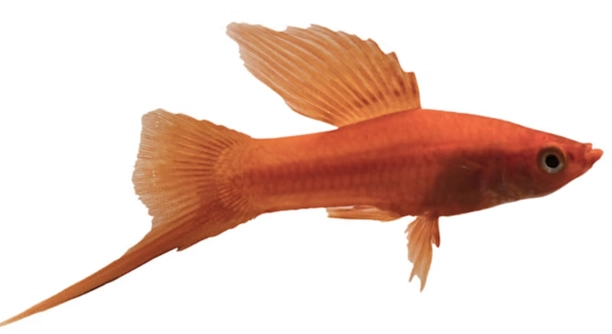
Swordtail fry may refuse to eat due to various reasons, such as water quality, stress, or insufficient food options. Identifying the underlying cause can help ensure they thrive in their environment and start eating again.
Common reasons swordtail fry stop eating include poor water conditions, inappropriate water temperature, overcrowding, or an unbalanced diet. Fry are also sensitive to stress, which can cause a loss of appetite. Regular water changes and proper tank conditions are essential.
Understanding the factors affecting your fry’s behavior can help you improve their feeding habits and overall health. Keep reading for solutions to resolve this issue.
Water Quality and Temperature
The most common reason swordtail fry stop eating is poor water quality. Fry are highly sensitive to changes in their environment. If the water is too dirty or has high levels of ammonia, nitrites, or nitrates, it can cause stress and lead to a lack of appetite. Maintaining a clean tank is crucial for their survival and well-being. Regular water changes, proper filtration, and monitoring water parameters like pH, hardness, and temperature will help create a comfortable environment for them to feed.
Water temperature is just as important. Swordtail fry thrive in water between 75°F and 80°F. If the water is too cold or too warm, they may become sluggish and lose interest in food. You can use a reliable heater to maintain a stable temperature, but always monitor it with a thermometer to ensure the water stays within the ideal range.
Proper water conditions are essential to swordtail fry’s health. Keeping the tank clean and the water temperature stable will improve their chances of eating and growing. Regular checks for ammonia and other harmful substances will help keep the fry safe. It’s essential to address these issues as soon as possible.
Overcrowding and Stress
Overcrowding can lead to stress, which is another reason why swordtail fry might not eat. When too many fry are in a small tank, they compete for food and space, causing anxiety and a lack of appetite. It’s important to ensure there is enough room for each fry to swim comfortably.
Stress is also caused by other factors, such as loud noises, frequent tank disturbances, or the presence of aggressive fish. When fry are constantly exposed to stress, they are less likely to eat, leading to stunted growth or health issues. Keeping a calm and peaceful environment is key to encouraging feeding.
Diet and Food Type
Fry may not eat if the food provided isn’t suitable for their tiny mouths. It’s essential to offer foods specifically designed for fry, such as liquid fry food or finely crushed flakes. Larger pieces of food can be too difficult for them to handle and discourage feeding.
Offering a variety of foods like freshly hatched brine shrimp, infusoria, and microworms can stimulate their appetite. Swordtail fry need high-protein options to grow strong and healthy. It’s important to feed them small portions several times a day. Overfeeding should be avoided, as leftover food can lead to water contamination and health problems.
Switching up the food options can make a big difference. Fry are more likely to eat if they have a variety of foods to choose from. Consistency is important too; make sure to feed them at the same time each day, and observe their feeding behavior closely. This will help you understand what they prefer and improve their chances of eating.
Water Flow and Tank Setup
Swordtail fry may avoid eating if there’s too much current in the tank. Fry prefer calm water as strong currents can make it difficult for them to move around and feed. Check if your filter is creating a strong flow, and adjust it to reduce turbulence.
A well-planted tank can help create areas of shelter, reducing the impact of water movement. Swordtail fry can use plants as hiding spots, where they feel safe and more likely to eat. Plants also help maintain water quality by absorbing excess nutrients. It’s important to ensure that the tank setup provides both space and security for the fry.
Also, keep the water surface clear of debris and make sure the fry are able to swim freely without obstacles blocking their path. A calm and well-organized tank will give fry the confidence to explore and search for food. This simple adjustment can encourage them to start eating again.
Illness or Health Issues
Swordtail fry may refuse food if they’re dealing with illness or internal parasites. If they show signs of lethargy, fading color, or swelling, it’s time to consider potential health problems. Infected fry often lose their appetite due to discomfort.
Addressing any health issues early is crucial. Isolate any fry that appear sick and treat them with appropriate medications. A quarantine tank can help prevent the spread of illness to healthy fry. You should also check the water conditions again, as poor water quality can make health problems worse.
Light and Tank Environment
Swordtail fry are sensitive to light levels. Bright lighting or sudden changes in light can cause stress and discourage feeding. Try using soft, natural lighting to create a more comfortable environment for the fry. This will help reduce stress and make them feel secure.
Swordtail fry thrive in a gentle, stable environment where they feel safe and comfortable. Avoid direct sunlight and use a dim light to prevent overstimulation. A well-lit tank with proper hiding spots will encourage fry to explore and eat regularly, aiding in their overall health.
FAQ
Why aren’t my swordtail fry eating?
There are several possible reasons why swordtail fry aren’t eating. Poor water quality, stress from overcrowding, or inappropriate food types can all play a role. Additionally, unhealthy fry or improper tank conditions can cause them to lose their appetite. Check the water parameters like ammonia, nitrate, and temperature to ensure a safe environment. If the fry are stressed, try reducing overcrowding and providing them with hiding spots. Offering a variety of foods that are finely crushed or specifically designed for fry might encourage them to start eating.
What should I feed my swordtail fry to encourage them to eat?
Swordtail fry need small, nutritious food items that are easy for them to consume. Liquid fry food, finely crushed flakes, and live foods like newly hatched brine shrimp or microworms are great choices. Offer them several small feedings throughout the day, avoiding overfeeding to prevent water quality issues. Freshly hatched brine shrimp are especially beneficial as they provide the essential proteins swordtail fry need to grow. Make sure the food is in small pieces, so they can eat easily. If they refuse food, try offering something new to see if it sparks their interest.
How often should I feed my swordtail fry?
Swordtail fry should be fed small amounts several times a day. This helps them get the nutrition they need to grow without overfeeding or polluting the water. Aim to feed them 3-4 times per day, making sure each feeding is small enough that all food is consumed within a few minutes. Fry can be sensitive to leftover food, which can harm water quality. Frequent, small feedings are better than one large feeding because they help maintain steady growth and avoid water contamination.
Can water temperature affect my swordtail fry’s eating habits?
Yes, water temperature can significantly affect swordtail fry’s feeding behavior. Fry are most comfortable in temperatures between 75°F and 80°F. If the water is too cold or too warm, they may become lethargic, stressed, and less interested in eating. Use a heater to maintain a consistent temperature within this range. Sudden temperature fluctuations should be avoided, as they can cause stress. Make sure to monitor the water with a thermometer to ensure it stays in the ideal range for your fry’s health and appetite.
How can I reduce stress in my swordtail fry?
Stress can cause swordtail fry to stop eating, so it’s important to maintain a calm and stable environment. Avoid overcrowding, as too many fry in one tank can lead to competition for space and food, which can cause anxiety. Ensure there are plenty of plants and hiding spots for fry to retreat to when they feel threatened. Keep the tank quiet by minimizing disturbances, such as loud noises or rapid water changes. It’s also important to avoid placing aggressive fish with your fry, as aggression can further stress them out and affect their feeding habits.
Is it normal for swordtail fry to be picky eaters?
Yes, swordtail fry can sometimes be picky eaters. They may refuse food if it’s not to their liking or if they are feeling stressed. Try offering different food types, including live foods like brine shrimp, to see what they prefer. Some fry may need time to adjust to new foods, so be patient and experiment with various options. If they refuse food for more than a few days, it’s important to consider other factors, such as water quality, tank conditions, or potential illness.
What should I do if my swordtail fry are sick?
If your swordtail fry are showing signs of illness, such as fading color, lethargy, or abnormal swimming behavior, they may not be eating due to illness. First, check water conditions and make sure the tank is clean and free from harmful substances. Isolate sick fry in a quarantine tank to prevent the spread of any potential disease. You can treat them with appropriate medications based on the symptoms they’re displaying. If the fry don’t improve, consult a professional to identify the illness and find the right treatment.
Can overcrowding affect swordtail fry feeding?
Yes, overcrowding can cause stress in swordtail fry, which may result in them not eating. When there are too many fry in a small space, they compete for food and can become anxious. This stress can make them reluctant to eat and can lead to health problems. Ensure that your tank has enough space for each fry to swim freely. You can also use plants or other decorations to provide hiding spots for fry, which can help reduce stress and encourage them to eat.
How long can swordtail fry go without eating?
Swordtail fry can survive for a short period without eating, but prolonged fasting can lead to stunted growth and weakened immune systems. If your fry refuse food for more than a few days, it’s important to address the issue. Check for environmental factors such as water quality, temperature, and stress levels. If the problem persists, consult a professional to ensure there are no underlying health issues. It’s best to offer small amounts of food several times a day, as this helps prevent extended periods without nourishment.
Final Thoughts
If your swordtail fry aren’t eating, it’s important to take a step back and examine the possible causes. There could be multiple factors at play, from water quality issues to stress or improper food choices. The key to resolving the issue is to ensure that the tank environment is healthy, stable, and comfortable for the fry. Regular water changes, maintaining the right water temperature, and providing a variety of appropriate foods are essential. A well-balanced environment can encourage the fry to feel secure, leading to a higher likelihood that they will start eating again.
It’s also important to be patient and observant. Fry can be picky eaters, and sometimes it takes time for them to get used to new food types. Offering a range of options, like live foods or finely crushed flakes, may help you discover what works best for them. Avoid overfeeding, as it can lead to water contamination and harm the fry’s health. If the fry don’t seem to be eating despite efforts to create an ideal environment, it’s a good idea to look for other signs of illness or stress, which could be affecting their appetite. Consulting a professional or seeking advice from an experienced fish keeper can provide additional insights into your specific situation.
Overall, addressing the feeding issues with swordtail fry requires a careful and thoughtful approach. Creating a calm, clean environment with the right food and water conditions is crucial to their growth and health. If you consistently monitor the water quality, check the tank setup, and adjust your feeding methods accordingly, there’s a high chance that your swordtail fry will begin eating and thriving. Even though the process can sometimes take time, persistence and attention to detail will pay off.

Hello,
If you enjoy the content that we create, please consider saying a "Thank You!" by leaving a tip.
Every little bit helps us continue crafting quality advice that supports the health, happiness, and well-being of pets around the world, for pets of all shapes, sizes, and species.
We really appreciate the kindness and support that you show us!