
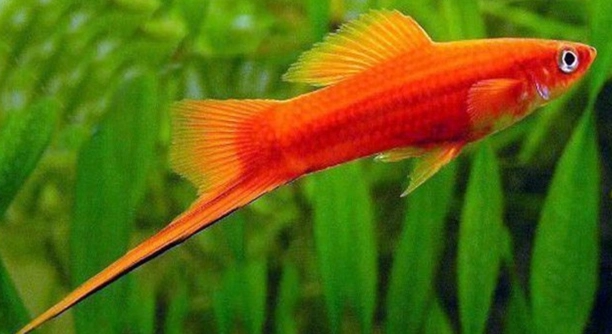
Swordtail fish are known for their unique appearance and fascinating behaviors, especially when it comes to mating. These fish have some interesting and lesser-known facts about their reproductive process that make them stand out.
Swordtail fish engage in internal fertilization, where males use their modified fin to deposit sperm into females. This process is highly competitive, with males displaying colorful traits to attract mates. Females can store sperm for weeks, allowing multiple fertilizations.
These intriguing details provide a deeper understanding of their reproduction and highlight the complexity of their behavior.
Swordtail Mating Rituals and Courtship Behavior
Swordtail fish have a unique and competitive courtship ritual. Male swordtails often engage in displays of strength and color to attract a female’s attention. They often perform rapid, darting movements while showing off their vibrant coloration. This behavior is designed to prove their fitness to potential mates. These courtship displays are more than just an attempt at attracting a mate—they serve as an important method for males to demonstrate their genetic quality. The more intense and colorful the display, the more likely a female will choose that male. These displays, though fascinating, also contribute to the diversity of swordtail populations, as they allow for the strongest genes to be passed on.
This competitive display often leads to aggressive interactions among males. These fish may chase each other around their territory, vying for the chance to mate with a female. The behavior often results in the most dominant male getting the female’s attention, but persistence and stamina also play key roles.
The rivalry between males makes for an exciting and dynamic environment in their aquatic habitat. These behaviors help ensure that only the fittest males get the opportunity to reproduce, thus maintaining the overall health of the population. Understanding these behaviors can deepen your appreciation for swordtails and their fascinating mating process.
Female Swordtails Have a Strong Role in Mate Selection
Female swordtails are very selective when it comes to choosing mates. They use various cues such as color, size, and the intensity of male displays to assess the best options. The process ensures the health of the offspring.
Males display impressive courtship tactics, but females have the ultimate say in the process. They are highly strategic, often preferring males that show the best traits for survival. This method of choosing a mate helps improve the genetic fitness of the offspring. Female swordtails will sometimes mate with different males to ensure genetic diversity, which is beneficial for the survival of the species. While males compete, females can choose when and with whom to reproduce.
Male Swordtails Have a Unique Mating Adaptation
Male swordtails have a modified anal fin, called a gonopodium, which they use to transfer sperm to females. This adaptation helps in precise fertilization during mating. It is a crucial part of their reproduction strategy, enabling males to compete effectively for mates.
This fin is flexible and allows males to get closer to the female without physically overpowering her. It’s an efficient way for males to pass sperm directly into the female, minimizing energy spent. While this adaptation might seem unusual, it’s vital for their reproduction and success in the wild. It also adds to the species’ overall reproductive strategy. Swordtails have evolved this unique feature to survive and thrive, allowing them to reproduce effectively in various environments.
The gonopodium’s role extends beyond mating—it’s also a sign of the male’s overall health and fitness. A male’s gonopodium must be in good condition to attract females, showing that the male is strong and capable. A healthy male increases his chances of passing on his genes to the next generation.
Swordtails Can Store Sperm for Extended Periods
Female swordtails have the ability to store sperm for weeks. After mating with a male, the female can hold onto the sperm until she is ready to fertilize her eggs. This gives her the flexibility to choose when to reproduce.
By storing sperm, females can mate with multiple males and then decide the timing of fertilization. This strategy helps females avoid having to mate frequently and ensures they can maximize genetic diversity in their offspring. It also allows them to better control the genetic composition of their young, which is beneficial for their survival in changing environments.
In addition to genetic benefits, sperm storage increases the likelihood of successful reproduction. If environmental conditions aren’t ideal for raising young, females can wait for a more favorable time to fertilize their eggs. This biological adaptation adds a layer of flexibility to the swordtail’s reproductive process, ultimately improving the species’ chances of long-term survival.
Swordtails Can Reproduce Quickly
Swordtails are known for their fast reproduction rates. They can give birth to live young as often as every four weeks. This frequent breeding cycle helps maintain population numbers, ensuring the survival of the species in various habitats.
A female swordtail can have up to 100 offspring at a time. The young are born fully formed, ready to swim and fend for themselves. This high reproductive output is an adaptive strategy, allowing swordtail populations to bounce back quickly. With frequent births, swordtails are less vulnerable to predation or environmental shifts, ensuring the continuation of their genetic line.
Swordtail Offspring Develop Rapidly
The offspring of swordtail fish grow at a rapid pace. From birth, they develop quickly and reach maturity within just a few months. This rapid development allows swordtails to populate new areas fast, creating stable communities in different environments.
The quick maturation of swordtail fry is essential for their survival. They grow at a fast rate, enabling them to avoid predators and compete for resources. As they mature, they become more resilient, learning to navigate their habitat. The ability to grow quickly is a key trait for swordtails, ensuring they thrive in the wild.
Swordtails Can Exhibit Multiple Mating Events
Mating is not always a one-time event for swordtails. Females can mate with multiple males during a single breeding cycle. This leads to genetic diversity within the population. As a result, swordtail offspring inherit a variety of traits that increase their chances of survival.
The ability to mate with different males is an evolutionary advantage for swordtails. It increases the genetic diversity of the population, improving the species’ overall resilience. This multiple-mating strategy helps swordtails adapt to environmental changes, ensuring that their offspring are better equipped to handle various conditions.
FAQ
How do swordtail fish reproduce?
Swordtail fish reproduce through internal fertilization. Male swordtails use a modified anal fin, called a gonopodium, to transfer sperm to females. After mating, the female stores the sperm and can fertilize her eggs later. This gives females the flexibility to choose when to reproduce, ensuring they can time their pregnancies for optimal conditions.
How often do swordtail fish breed?
Swordtails breed very frequently, typically every 4 to 6 weeks. Females give birth to live young, and since they can store sperm, they can mate multiple times with different males, increasing the genetic diversity of their offspring. This fast breeding cycle ensures a steady supply of new swordtails, helping their population thrive.
How many babies do swordtails have at once?
A female swordtail can give birth to anywhere between 20 and 100 fry in a single litter. The exact number depends on the female’s health, age, and environment. Since the young are born fully formed and ready to swim, they are immediately independent, reducing the risk of predation and improving their chances of survival.
How long does it take for swordtail fry to grow?
Swordtail fry grow quickly. Within a few weeks, they are already developing their distinctive colors and features. Swordtail fry typically reach sexual maturity in about 3 to 4 months, which is relatively fast compared to other fish species. This rapid growth allows swordtails to mature and contribute to the next generation quickly.
Are swordtail fish easy to breed?
Yes, swordtails are relatively easy to breed in a home aquarium. They are hardy fish and adapt well to different conditions. To breed swordtails, you just need to provide them with a suitable environment, a balanced diet, and both male and female fish. Since swordtails are livebearers, their babies are born fully formed and don’t need special care to start.
Do swordtail fish mate for life?
Swordtail fish do not mate for life. They are opportunistic breeders, meaning both males and females may mate with different partners during their breeding cycle. This behavior increases genetic diversity, which is important for the survival and adaptation of the species.
How can you tell the difference between male and female swordtails?
Male swordtails are typically smaller and more colorful than females. They also have a modified anal fin (gonopodium) that looks like a sword, which is used to fertilize the female’s eggs. Female swordtails, on the other hand, are usually larger and have a more rounded body shape. This sexual dimorphism helps distinguish between the sexes.
Can swordtail fish interbreed with other species?
Swordtail fish can hybridize with closely related species, such as platies. These hybrids are usually fertile and can produce offspring, though they may not always inherit the same characteristics as purebred swordtails. Hybridization occurs in captivity but is less common in the wild due to the species’ natural behavior and habitat preferences.
What is the lifespan of a swordtail fish?
Swordtail fish typically live for 3 to 5 years in a well-maintained aquarium. The lifespan depends on factors such as water quality, diet, and overall health. Swordtails are relatively hardy fish, but maintaining optimal conditions will help them live a longer, healthier life.
How do I care for swordtail fish?
Caring for swordtail fish involves maintaining stable water conditions, providing a balanced diet, and ensuring they have enough space to swim. Swordtails prefer slightly alkaline water, with a temperature range of 72 to 82°F. They are also social fish, so keeping them in groups of at least 3 to 4 is recommended.
Do swordtail fish need a mate to reproduce?
Yes, swordtail fish need both males and females to reproduce. The males use their gonopodium to transfer sperm to the females, who can store it for several weeks. Even if a female mates only once, she can produce multiple batches of fry from the stored sperm. However, both sexes are necessary to keep the population healthy.
Can swordtail fish give birth without a male?
Female swordtails can give birth to offspring without the presence of a male if they have previously mated and stored sperm. They can fertilize their eggs using the stored sperm, allowing them to give birth multiple times without needing to mate again. However, the offspring produced will not have genetic diversity, which is crucial for long-term species survival.
Are swordtail fish aggressive during mating?
Male swordtails can be aggressive when competing for a mate. They will often chase each other around, displaying their colorful fins and attempting to intimidate rival males. However, once a male successfully attracts a female, the aggression tends to subside. Female swordtails generally avoid aggressive males, choosing to mate with the more dominant, vibrant males.
What type of environment do swordtail fish prefer for breeding?
Swordtail fish breed best in a peaceful and stable environment with well-maintained water conditions. They prefer slightly alkaline water with a temperature range between 72-82°F. Providing plants and hiding spaces is important as it gives females a chance to escape from overly aggressive males. Proper filtration and regular water changes are essential to keep the breeding environment healthy.
What should I feed swordtail fish to encourage breeding?
To encourage breeding, feed swordtail fish a varied diet rich in proteins and nutrients. High-quality fish flakes, live or frozen foods such as brine shrimp, and occasional vegetable matter will keep swordtails healthy and energized. A well-balanced diet promotes better health, leading to successful mating and healthier fry.
Final Thoughts
Swordtail fish are fascinating creatures with interesting mating behaviors. They reproduce quickly, often giving birth to large numbers of young, which helps their populations thrive. The females’ ability to store sperm from males means they can produce several batches of offspring without needing to mate every time. This trait makes swordtails resilient, allowing them to adapt to their environment and survive in various conditions.
The rapid growth and development of swordtail fry contribute to the species’ success. They reach maturity quickly, which helps maintain a steady population. Their ability to mate with different partners during each breeding cycle increases genetic diversity, which strengthens the overall health and survival of the species. Swordtails are also relatively easy to care for, making them popular choices for aquariums. Providing them with the right water conditions and diet ensures that they remain healthy and breed successfully.
In conclusion, swordtail fish are a great species to keep in an aquarium. Their fast reproduction, genetic diversity through multiple mating events, and ease of care make them a rewarding fish to observe and breed. Whether you’re a beginner or an experienced fish keeper, swordtails offer a lot of enjoyment. Understanding their mating behavior and providing them with the proper care will help ensure a successful and thriving aquarium.

Hello,
If you enjoy the content that we create, please consider saying a "Thank You!" by leaving a tip.
Every little bit helps us continue crafting quality advice that supports the health, happiness, and well-being of pets around the world, for pets of all shapes, sizes, and species.
We really appreciate the kindness and support that you show us!