
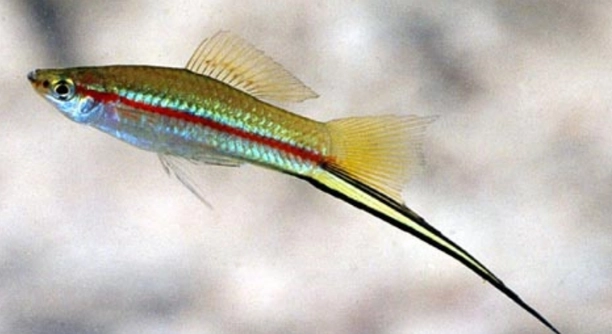
Have you ever noticed your swordtail’s fins looking frayed or damaged and wondered if they can heal over time on their own?
Swordtails can regenerate damaged fins, provided they are kept in a clean, stress-free environment with proper nutrition. This regrowth process is natural and usually takes a few weeks, depending on the extent of the damage.
Healthy water conditions, minimal aggression from tank mates, and a nutrient-rich diet all play a part in helping your swordtail recover smoothly.
Why Do Swordtails Get Damaged Fins?
Swordtails can get damaged fins for many reasons, and it’s important to understand what might be happening in the tank. Poor water quality is one of the most common causes. When the ammonia or nitrate levels rise, it can weaken their immune system and lead to fin issues. Aggressive tank mates can also nip at fins, causing stress and injury. Overcrowding can make things worse, leaving swordtails with little space to swim freely. Sometimes, fins get torn on sharp decorations or during breeding chases. Even changes in temperature or pH can make swordtails more likely to develop fin problems. If you notice fraying, discoloration, or chunks missing from the fins, these are signs of damage. Identifying the cause early helps prevent further harm. Clean water, the right tank setup, and good nutrition all play a big role in helping swordtails stay healthy and avoid future injuries.
Aggression between fish is a common cause of fin damage. Fast-swimming or territorial species can easily nip at more peaceful swordtails.
Keep a close eye on your tank’s conditions and the behavior of all fish. A peaceful environment, good food, and regular maintenance will support your swordtail’s overall health and reduce the chance of fin damage.
How to Help Fins Grow Back
Damaged fins can grow back with the right care. Swordtails are hardy fish, and with proper tank conditions, their fins often heal fully. Clean water is the top priority. Regular water changes keep toxins low and reduce stress. Use a gentle filter and avoid strong currents that might slow down healing. Make sure the tank isn’t overcrowded and remove any aggressive fish if needed. Add live plants or decorations without sharp edges to give swordtails a safe space. Their diet also matters. Choose high-quality flakes or pellets, and add frozen or live foods like brine shrimp or bloodworms to support regrowth. If you notice signs of infection—such as redness, white edges, or fuzz—consider using a fish-safe antibacterial treatment. Some people also add aquarium salt in small amounts, as it can help promote fin healing. Just be sure to follow dosage guidelines carefully and watch your fish closely.
What to Avoid During Healing
Avoid adding new fish while your swordtail is healing. New additions can introduce stress or illness, making recovery harder. Also, don’t adjust tank settings too often—consistency in temperature and pH helps fins regrow smoothly.
Stay away from using strong medications unless necessary. Many over-the-counter treatments can weaken your swordtail if not used correctly. Only treat infections if there are clear signs like redness or white patches. Don’t overfeed, either. Leftover food can pollute the water quickly and make things worse. Avoid rearranging the tank too much, as sudden changes can cause stress. Keep lighting gentle and on a regular schedule. Aggressive tank mates should be removed or separated to prevent further damage. Always monitor water quality closely and make small, regular water changes instead of large ones. Keeping everything stable gives your swordtail the best chance to regrow healthy fins without setbacks or stress-related issues.
Rough or sharp decorations should also be taken out. Swordtails are active swimmers, and torn fins can easily happen again if they brush against hard edges. Choose smooth rocks, silk plants, or rounded hiding spots instead. Keep the filter flow gentle—too much current can slow healing. If using a heater, ensure it maintains a steady temperature without big swings. Don’t skip routine tank cleaning, but avoid deep cleanings that stir up too much waste or bacteria. Try not to move the swordtail into a separate tank unless absolutely needed, since switching tanks can add more stress. If isolation is necessary, set up a quiet, filtered space with stable conditions. Everything you do should aim at reducing stress and supporting natural regrowth.
Signs of Improvement and What to Watch For
Regrowth starts as clear or slightly opaque tissue at the edges of the damaged fins. It may look delicate at first but will thicken and gain color over time. Watch for smoother edges, stronger swimming, and normal behavior returning.
Healthy regrowth should look clean, without ragged edges or discoloration. If the new fin tissue turns white, fuzzy, or starts to break down, it could mean a fungal or bacterial issue. Normal healing will be slow but steady. You might not see big changes overnight, but progress happens with stable care. Be patient and don’t rush the process. Swordtails that feel safe and eat well are likely healing well. Keep up with your care routine—balanced food, clean water, and peaceful surroundings. It’s also a good sign if your swordtail becomes more active and social again. These small changes show that the healing is moving in the right direction.
Be cautious if your swordtail isolates itself, stops eating, or shows signs of rapid fin loss. These behaviors may signal a deeper health issue or infection. Sometimes, damaged fins can expose the fish to secondary problems like fin rot, especially in poor water conditions. If you notice red streaks, blackened tips, or excessive shredding, take action quickly. Quarantine may be necessary in more serious cases, along with targeted treatment. Keep an eye on how your fish interacts with tank mates too—if bullying starts again, remove the aggressive fish. Healing should not come with constant setbacks. Monitor closely, stay consistent, and give your swordtail time. Each small improvement is a step toward full recovery.
How Long It Usually Takes
Fins usually start showing signs of regrowth within a week if the fish is healthy and the tank is well maintained. Full healing often takes between two to four weeks, depending on the severity of the damage.
Mild damage heals faster, while deeper tears or infections take longer. Consistency in care makes a big difference. Poor water or stress can delay the process.
Natural Support Options
Indian almond leaves can be added to the tank as a natural way to support healing. They slowly release tannins, which may help reduce bacteria and soothe the fish. These leaves also soften the water slightly and create a calmer environment. Some people also use small doses of aquarium salt—just be careful and follow the correct measurements. Garlic-infused food is another option that may help boost immune health. Keep these additions simple and avoid mixing multiple treatments at once, as that can overwhelm the fish.
When to Get Extra Help
If you see no improvement after several weeks or symptoms get worse, it’s time to reach out to a vet with fish experience.
FAQ
Can swordtails grow back fins that were completely torn or missing?
Yes, swordtails can regrow fins that are completely torn, as long as the base of the fin and the fin rays are still intact. The new tissue starts as a clear edge and slowly thickens and gains color. Full regrowth depends on the extent of the damage and the fish’s health. If infection sets in or tissue is too damaged, it might not grow back fully. Keeping the water clean, offering a nutritious diet, and preventing further injuries are all key steps in giving your swordtail the best chance at full recovery.
How can I tell the difference between healing and fin rot?
Healing fins usually appear smooth, with a clear or slightly whitish edge that slowly extends. You’ll see even growth with no fuzziness or jagged breakdown. In contrast, fin rot often causes the edges to look frayed, with black, white, or red streaks. The fin may shorten instead of lengthening, and the fish might act stressed. If you see cotton-like growth or the damage spreads fast, it’s likely an infection. Treat quickly with antibacterial medication and improve water quality right away to stop it from getting worse.
Do swordtails need to be separated from other fish while healing?
Not always. If your swordtail is in a peaceful tank with good conditions, they can recover just fine in the main tank. But if there’s fin-nipping, stress from overcrowding, or frequent chasing, it’s best to move the injured fish to a separate tank. The isolation tank should have a gentle filter, stable temperature, and calm surroundings. Avoid bright lighting and keep water parameters stable. Healing alone can reduce stress and help them rest, but make sure you’re still giving them proper food and checking water conditions every day.
Is it normal for the regrowth to look pale at first?
Yes, new fin tissue often looks pale or even see-through at first. This is completely normal. As time goes on, the new fin will gain color and thickness. If the pale edges start breaking down or show signs of fuzz, that could be a problem. But in most cases, pale or clear tips just mean the fins are in the early stages of healing. Be patient and watch for slow but steady improvement. A fish that is active, eating, and not showing signs of stress is usually on the right track.
What should I feed my swordtail to support healing?
Offer a mix of high-quality flake or pellet food and supplement with frozen or live options like brine shrimp, daphnia, or bloodworms. Protein helps repair tissue, while vitamins and minerals support the immune system. Some fishkeepers also crush a garlic clove and soak food in the juice for a mild immune boost. Variety is important. Rotate between different foods every few days. Avoid feeding only flakes, as they may not have enough nutrients for recovery. Feed in small portions two to three times daily and remove any uneaten food to keep the tank clean.
Can aquarium salt speed up healing?
Aquarium salt can help in small doses. It reduces stress, supports gill function, and helps prevent infection. Start with one tablespoon per 5 gallons of water, but check that your tank mates tolerate salt. Some fish and plants are sensitive. Don’t use table salt or sea salt—only aquarium-grade salt. Dissolve it first before adding. You don’t need to use it all the time—just during the healing period. Too much salt can do more harm than good, so always follow dosing instructions and monitor your swordtail’s behavior during treatment.
Will damaged fins grow back to their original shape?
Not always. In some cases, fins regrow looking a little different than before. They might be shorter, rounder, or slightly uneven. If the damage was minor, the fin may return almost exactly to its old shape. But with deeper injuries or infection, the structure may not fully rebuild. As long as the fish is swimming well and seems comfortable, slight changes in shape aren’t a big issue. The key is making sure the new growth is healthy, clean, and strong—not perfectly symmetrical. It’s more about the function than the look.
How often should I change the water while my swordtail is healing?
Aim for small water changes every few days—about 20–30%. This helps keep toxins low without stressing the fish. Test your water for ammonia, nitrites, and nitrates. High levels can slow healing and cause further damage. Use a good water conditioner to remove chlorine and chloramine. Avoid large changes unless there’s an emergency. Sudden shifts in temperature or pH can do more harm than good. Slow, steady maintenance is better. Clean out waste and leftover food from the substrate, but don’t over-clean or disrupt the beneficial bacteria in your filter.
What temperature is best for fin regrowth?
Keep the tank between 75°F and 79°F (24°C to 26°C). Stable warmth supports your swordtail’s immune system and helps them heal faster. Sudden temperature drops can slow down fin regrowth or trigger illness. Use a reliable heater and check the water temperature daily. If your home’s temperature fluctuates, consider adding a backup thermometer just to be safe. Avoid placing the tank near windows or vents where drafts or sunlight could affect the temperature. A warm, steady environment helps your swordtail stay active and supports faster, smoother fin repair.
Final Thoughts
Taking care of a swordtail with damaged fins is not too hard, but it does take some attention. Fins can regrow naturally if the fish is healthy and the tank conditions are right. Keeping the water clean, avoiding sudden changes, and making sure the fish is not being bullied by others in the tank are simple but important steps. You don’t need fancy treatments or strong medicines unless there are signs of infection. Most of the time, clean water and a balanced diet are enough to help the fins heal. Even if the damage looks bad, don’t lose hope—these fish are quite strong and usually recover well when given proper care.
Watching for signs of healing, like new clear edges or more active swimming, helps you know things are going in the right direction. It’s also important to know when something is wrong. If the fins start looking worse, or your swordtail stops eating or hides more than usual, those are signs that something else might be going on. In those cases, taking action early makes a big difference. You might need to adjust the setup, remove aggressive fish, or try a safe treatment if there’s an infection. But the goal is to keep everything calm and consistent. Healing is a slow process, and it’s okay if it takes a few weeks. What matters most is that your swordtail feels safe and continues to improve a little at a time.
Every fish is different. Some heal fast, others take more time. Sometimes fins don’t grow back exactly as they were, but as long as the swordtail is swimming well and acting normal, that’s what really matters. Fin damage can seem scary at first, especially if you’re new to fish keeping, but it’s usually not something to panic over. With patience, a good tank environment, and regular care, most swordtails bounce back just fine. Keeping an eye on your fish, offering the right food, and making small water changes regularly can make a big difference. In the end, it’s all about giving your swordtail a safe and stable place to heal.

Hello,
If you enjoy the content that we create, please consider saying a "Thank You!" by leaving a tip.
Every little bit helps us continue crafting quality advice that supports the health, happiness, and well-being of pets around the world, for pets of all shapes, sizes, and species.
We really appreciate the kindness and support that you show us!