
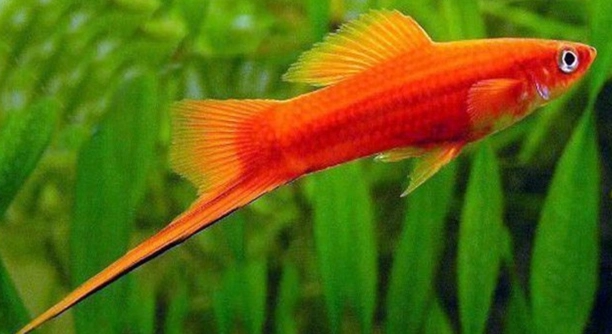
Swordtails are known for their lively nature, but when they lie on their side, it can be concerning. Understanding the reasons behind this behavior can help you address any potential health issues affecting your fish.
The main cause of swordtails lying on their side is often related to stress, illness, or water quality issues. Poor water conditions, parasites, or physical injury can all lead to abnormal behavior, requiring immediate attention to ensure the fish’s health.
Addressing these issues quickly can prevent further complications and promote a healthier environment for your swordtail to thrive.
Stress and Anxiety in Swordtails
Swordtails can be sensitive to changes in their environment. A sudden change in water temperature, lighting, or the presence of other aggressive fish can lead to stress. Fish that are stressed may exhibit abnormal behaviors, including lying on their side. In these cases, it’s important to stabilize the environment and reduce any stress factors. Keeping the water temperature consistent and ensuring the tank has proper filtration can help minimize stress. Additionally, swordtails may react to overcrowding, so it’s essential to provide enough space for each fish to swim comfortably.
If stress is the cause, the swordtail’s condition should improve once the environmental factors are addressed. However, it’s important to monitor them closely. Stress can also lead to weakened immune systems, making them more susceptible to illness.
In cases of stress, maintaining stable water conditions and reducing other potential stressors can ensure the swordtail remains healthy and active. Consistent water parameters, such as temperature, pH levels, and salinity, play a significant role in their overall well-being.
Illness and Disease
Swordtails may also lie on their side due to illness. Fish diseases like swim bladder disorder or parasites can impair their ability to swim properly. Symptoms may include abnormal swimming patterns, loss of appetite, or discoloration of the scales. If you notice any of these signs, it’s critical to act quickly.
Diseases like swim bladder disorder affect the fish’s buoyancy and can cause them to swim on their side or bottom of the tank. Poor water quality can often lead to bacterial or parasitic infections, further weakening the fish’s condition. Regular water changes and proper tank maintenance can help prevent these issues.
If you suspect an illness, separate the affected fish into a quarantine tank to prevent the spread of disease. Offer medicated food or consult a vet specializing in aquatic animals for further treatment.
Water Quality Issues
Poor water quality can lead to a variety of problems for swordtails, including lying on their side. Contaminants, such as excess ammonia or nitrites, can be harmful. Ensuring regular water changes and maintaining proper filtration will help avoid these issues and promote a healthy environment.
If water quality is the problem, swordtails will often show signs of distress, like rapid gill movement or unusual swimming behavior. Test the water regularly to ensure that levels of ammonia, nitrates, and pH are within safe ranges. It’s also essential to remove any uneaten food or debris from the tank to prevent water contamination.
Maintaining water quality can prevent many health issues in swordtails. Using a reliable water testing kit to monitor parameters like temperature, pH, and hardness will help keep the tank environment stable. Additionally, adding plants or aquarium ornaments that promote healthy water circulation can improve the overall well-being of your fish.
Physical Injury
Physical injuries can also cause swordtails to lie on their side. If they’ve been injured by sharp tank decorations, aggressive tankmates, or during breeding activities, they may struggle to swim properly. In these cases, it’s important to assess the tank for any hazards that could be causing harm.
Injuries can range from minor cuts to more severe damage to the fish’s fins or body. If you suspect an injury, examine the swordtail carefully for signs of damage. Isolated or small wounds may heal on their own, but more serious injuries may require treatment. Quarantine the fish in a separate tank to allow it to rest and recover.
To prevent injuries, ensure that tank decor is smooth and free from any sharp edges. Consider adding soft plants or sponge covers to sharp objects. If multiple swordtails are in the same tank, monitor their interactions to prevent bullying or aggression.
Overfeeding
Overfeeding swordtails can lead to bloating and swim bladder issues, causing them to lie on their side. Uneaten food in the tank can degrade water quality, further contributing to stress or illness. Feeding smaller portions helps maintain their health.
Swordtails may struggle to swim properly if overfed, particularly if the extra food is not consumed quickly. Their digestive system may become overloaded, leading to an inability to stay upright in the water. It’s important to monitor their eating habits and remove any excess food that remains after feeding.
Feed swordtails small portions once or twice a day. Offering food they can consume in a few minutes will help prevent overfeeding. This routine promotes better digestion and minimizes the risk of swim bladder problems, contributing to a healthier fish.
Tank Mates
Aggressive tank mates can stress swordtails, leading to abnormal behavior like lying on their side. Fish that chase or nip at swordtails can cause them to feel threatened. It’s important to choose peaceful companions to avoid aggression in the tank.
Incompatible tank mates can cause stress, leading to a weakened immune system or injury. To prevent this, research potential tank mates that are calm and non-aggressive. Fish like guppies, mollies, and other swordtails often make good companions for swordtails, creating a peaceful environment that supports their health.
Temperature Fluctuations
Swordtails are sensitive to temperature fluctuations. If the water becomes too cold or too hot, it can affect their swimming ability and cause stress. Sudden temperature changes may lead to the swordtail lying on its side as it struggles to adapt.
Ensure the aquarium temperature stays within the recommended range of 72-78°F. Invest in a reliable aquarium heater to maintain a stable environment. Regularly monitor the temperature with a thermometer to avoid any sudden changes, which could lead to stress and other health issues.
FAQ
Why is my swordtail lying on its side?
Swordtails may lie on their side due to stress, poor water quality, illness, injury, or overfeeding. Stress from environmental changes, aggressive tank mates, or overcrowding can cause this behavior. Additionally, water quality issues like high ammonia or nitrite levels, or a sudden temperature change, can contribute. Illnesses such as swim bladder disorder or parasitic infections may cause difficulty swimming. Injuries from sharp objects or tank mates can also cause them to rest on their side. Lastly, overfeeding can lead to bloating, affecting their ability to swim properly.
How can I improve my swordtail’s water quality?
Regular water changes are key to maintaining good water quality. Change 25-30% of the water every week to ensure that harmful toxins like ammonia, nitrites, and nitrates are kept at safe levels. Use a good filtration system and monitor water parameters such as pH, hardness, and temperature to ensure they are within the appropriate range. Removing uneaten food and debris from the tank regularly will help keep the water clean and prevent contamination.
What can I do if my swordtail is injured?
If your swordtail has been injured, it’s best to quarantine it in a separate tank to prevent further stress or injury. Observe the wound carefully and look for signs of infection, such as redness or swelling. Minor injuries may heal on their own, but if the injury is severe, you may need to treat the fish with an aquarium-safe antiseptic or consult a vet. Ensure the quarantine tank has stable water conditions to aid in the fish’s recovery.
How can I prevent my swordtail from getting stressed?
To reduce stress, keep the tank environment stable. Avoid sudden temperature fluctuations, keep the water clean, and ensure the fish have enough space to swim freely. Avoid overcrowding the tank and provide plenty of hiding spots using plants or decorations. If aggression from other fish is an issue, consider removing or replacing the aggressive tank mates. Regularly monitor the swordtail for signs of stress, such as erratic swimming or hiding, and address any changes promptly.
How can I tell if my swordtail is sick?
Signs that your swordtail may be sick include changes in swimming behavior (like lying on its side or swimming abnormally), loss of appetite, discoloration, bloated abdomen, or visible external parasites such as white spots or lesions. You may also notice the swordtail isolating itself from other fish or spending too much time near the surface or bottom of the tank. If you observe any of these signs, it’s important to isolate the fish and address the issue immediately. A veterinarian specializing in fish can offer the best treatment advice.
What temperature should my swordtail tank be?
Swordtails thrive in water temperatures between 72°F and 78°F (22°C to 26°C). Maintaining a stable temperature within this range is important for their health. A quality aquarium heater can help regulate the temperature, and it’s a good idea to monitor it with a thermometer to avoid sudden fluctuations, which could lead to stress or illness.
Can swordtails live with other fish?
Yes, swordtails can live with other fish, but they should be housed with peaceful species that don’t pose a threat. Suitable tank mates include guppies, mollies, and other non-aggressive species. Avoid keeping swordtails with overly aggressive fish, such as cichlids, as they may nip at the swordtail’s fins or cause stress. Always ensure that the tank has enough space to prevent territorial behavior.
How much should I feed my swordtail?
Feed your swordtail small amounts of food 1-2 times a day. Offer only as much food as they can consume within a few minutes. Overfeeding can lead to bloating, swim bladder issues, and poor water quality. Remove any uneaten food from the tank to maintain a clean environment and prevent it from decomposing.
How can I treat swim bladder disorder in swordtails?
Swim bladder disorder in swordtails is often caused by overfeeding, constipation, or infection. If overfeeding is the issue, fast the swordtail for a couple of days to allow it to digest any excess food. You can also try feeding the fish peas, which can help alleviate constipation. If the problem persists, consider using a medication designed to treat swim bladder issues. It’s important to monitor the fish closely, as swim bladder disorder can lead to difficulty swimming and other health issues.
Can I add plants to my swordtail tank?
Yes, plants are a great addition to a swordtail tank. They provide hiding spots and help maintain water quality by absorbing excess nutrients. Live plants can also create a more natural and calming environment for swordtails. Plants like Java fern, Amazon sword, and Anubias are popular choices, as they are easy to care for and can thrive in a variety of conditions. Just make sure that the plants are not overcrowding the tank, as swordtails need space to swim.
Final Thoughts
Understanding why swordtails lie on their side can help prevent stress and keep them healthy. Several factors can contribute to this behavior, including poor water quality, overfeeding, stress from tank mates, or underlying health issues. By observing their behavior and environment closely, you can often pinpoint the cause and address it effectively. Taking preventive measures such as maintaining clean water, feeding appropriate amounts, and ensuring they have compatible tank mates can go a long way in preventing such problems.
It’s essential to keep swordtails in a well-maintained aquarium. Regular water changes, proper filtration, and a stable environment are key to ensuring your fish thrive. Temperature, water quality, and space should always be monitored to reduce the chances of illness or stress. Keeping an eye on their health and behavior will help catch any issues early, allowing you to take corrective action before they become serious. Regularly check for signs of illness and address any concerns immediately.
Finally, be mindful of how you feed and house your swordtails. Overfeeding can lead to bloating and swim bladder issues, and overcrowding can cause aggression and stress. Ensuring a balanced environment with proper tank mates and water conditions will help your swordtails live a healthy and stress-free life. By being proactive and attentive to their needs, you’ll be able to provide a healthy, happy environment for your swordtails.

Hello,
If you enjoy the content that we create, please consider saying a "Thank You!" by leaving a tip.
Every little bit helps us continue crafting quality advice that supports the health, happiness, and well-being of pets around the world, for pets of all shapes, sizes, and species.
We really appreciate the kindness and support that you show us!