
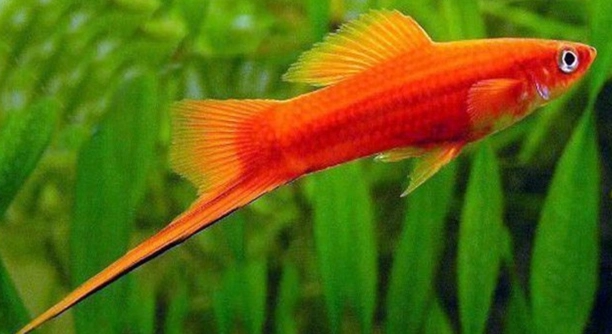
Swordtails are social fish, and it’s essential to consider their emotional well-being. These fish thrive in groups, so being alone might cause them distress. This article examines whether swordtails can experience depression when kept by themselves.
Swordtails can indeed experience stress and signs of depression when kept alone for extended periods. These fish are social animals, and being isolated can lead to behavioral changes such as reduced activity and decreased appetite.
Understanding the impact of isolation on swordtails can help ensure their well-being and prevent potential issues. Proper care and companionship are key to maintaining a happy and healthy fish.
Why Swordtails Need Companions
Swordtails are naturally social fish, and they feel most comfortable when surrounded by others of their kind. In the wild, these fish live in groups, providing them with the social interaction they need. When kept alone, swordtails can show signs of stress, such as reduced movement or a decrease in appetite. If you notice these behaviors in your solitary swordtail, it’s likely a sign of distress. The absence of company can result in emotional strain, which can ultimately affect their overall health.
While a single swordtail may survive alone for a time, it’s important to recognize that their social needs are being unmet. This lack of interaction can lead to a weaker immune system and a shorter lifespan. Swordtails benefit greatly from being in the presence of others, as this gives them a sense of security and stability.
One of the best ways to ensure your swordtail thrives is by providing a group of similar-sized fish. This ensures they engage in natural social behaviors, leading to better overall health and longevity.
How to Provide a Better Environment
Simply adding one other swordtail may help, but it’s important to consider the size of your tank and the space available. Swordtails can be territorial, so overcrowding can cause stress, too. Make sure your aquarium is large enough to accommodate the number of fish you plan to keep. Additionally, maintaining a balance of males and females can prevent overly aggressive behaviors.
Creating a peaceful, stress-free environment for your swordtail involves more than just adding companions. Regular maintenance of water quality and a proper diet is equally crucial. A well-maintained aquarium with clean water can greatly reduce stress and help prevent health issues. If your swordtail is still showing signs of depression after adding more companions, it could be an indication of other environmental factors affecting its mood. Keep a close eye on water temperature, pH, and filtration to ensure these conditions are optimal.
Signs of Depression in Swordtails
If your swordtail is acting differently, it could be a sign of depression. Symptoms include reduced activity, loss of appetite, and hiding. These fish are usually active swimmers, so a decrease in movement can be concerning. A swordtail that spends most of its time hiding at the bottom of the tank may be feeling stressed or isolated.
In addition to reduced movement, a swordtail that is depressed may exhibit a lack of interest in food. Healthy swordtails are eager eaters, so if your fish is ignoring meals, it could indicate emotional distress. It’s important to monitor the eating habits of your fish to catch these changes early.
Another sign of depression in swordtails is a change in color. A stressed swordtail might lose its vibrant colors and appear more dull. If you notice these changes, consider the environmental factors, such as isolation or water quality, that may be causing these symptoms.
How to Prevent Depression in Swordtails
Keeping your swordtail happy and healthy is about more than just providing companions. Tank conditions are crucial for their well-being. The water should be clean, with a stable temperature between 72-79°F, as extreme fluctuations can cause stress. Regular water changes and proper filtration are key to maintaining a healthy environment.
The diet of your swordtail also plays a significant role in its mental and physical health. Offer a balanced diet, including a mix of high-quality pellets, frozen foods, and occasional vegetables. The right nutrition helps maintain their energy levels and overall health, preventing depression caused by poor diet. Swordtails are not particularly picky eaters, but it’s important to give them variety to ensure they are getting the proper nutrients.
Lastly, creating a tank environment that includes hiding spots and plants helps reduce stress. Swordtails may need a place to retreat and feel safe. Providing these elements in the tank makes it feel like a more natural environment and can help prevent isolation-related stress.
The Importance of Tank Size
A spacious tank is vital for swordtails. If the tank is too small, it limits the fish’s movement, leading to stress and potential depression. The general rule is to have at least 20 gallons for a small group of swordtails. More space allows for better socialization and less competition.
Overcrowding can worsen stress and aggression among swordtails. If the tank is too cramped, the fish may become territorial, leading to further issues. It’s essential to balance the number of swordtails in relation to the size of the aquarium. This balance ensures a peaceful and comfortable environment.
Socializing Swordtails
Swordtails do best when kept in groups. A small group of 3-5 swordtails is ideal. This encourages natural social behavior, which helps to reduce stress and improve their overall mood. Fish that are isolated or alone for extended periods often exhibit signs of depression and anxiety.
Allowing swordtails to form bonds with other fish can also help them thrive. However, it’s important to monitor interactions to prevent bullying or territorial behavior. If aggression is observed, consider adding more hiding spots or separating the fish to create a calmer environment.
Water Quality and Temperature
Swordtails are sensitive to water quality. Poor water conditions can lead to health problems, including stress and depression. Regular water changes and good filtration are necessary to maintain clean water, reducing the risk of these issues. Swordtails prefer slightly alkaline water with a pH between 7.0 and 8.0.
Keeping the temperature stable is also crucial. Swordtails thrive in a range of 72°F to 79°F. Temperature fluctuations or extremes can trigger stress responses, so it’s important to use a reliable heater to maintain the proper range. Testing the water regularly ensures that the conditions remain ideal.
FAQ
Can swordtails live alone?
Swordtails can technically survive alone, but they are social fish that thrive in groups. Being isolated for extended periods can lead to stress and behavioral changes, such as reduced activity and loss of appetite. For their well-being, it’s best to keep at least two or more swordtails together. A single swordtail may feel lonely and more vulnerable, which can impact its health over time.
How do I know if my swordtail is depressed?
Depression in swordtails may show through changes in behavior such as reduced swimming, hiding more than usual, and a lack of interest in food. Swordtails are generally active and curious, so a drop in activity or appetite can be a sign of stress. You might also notice them becoming less colorful, as stress can lead to fading colors. Keeping track of these signs will help you address any potential issues early.
Can swordtails recover from depression?
Yes, swordtails can recover from depression if the right steps are taken. Ensuring they are in a comfortable, properly maintained tank with compatible tankmates is important. Provide a stress-free environment with plenty of hiding spots and space to swim. Keeping the water clean and at the right temperature, along with providing a varied diet, will also help them regain their health. Regular monitoring and adjustments will promote their well-being.
How many swordtails should I keep together?
The minimum recommended group size for swordtails is three. This allows them to form social bonds and engage in natural behaviors, which is important for their emotional health. However, a larger group is even better if your tank size allows for it. Swordtails are more comfortable when they can interact with others of their species.
Do swordtails get along with other fish?
Swordtails are generally peaceful fish and can live with other non-aggressive species. They do best in a community tank with other species that won’t harass them. Avoid keeping them with overly aggressive fish, as this can cause stress. Make sure that all the tank inhabitants are compatible in terms of size and temperament.
How can I help my swordtail feel less stressed?
To reduce stress, provide plenty of hiding spots, plants, and structures in the tank. Swordtails are naturally curious and feel more secure with places to explore and retreat when needed. Make sure the water conditions are optimal, with a stable temperature between 72°F and 79°F. Consistent water quality is essential for stress reduction. Additionally, avoid overcrowding the tank to prevent territorial disputes.
What should I feed my swordtail?
Swordtails require a balanced diet that includes high-quality fish pellets, live or frozen foods like brine shrimp and daphnia, and occasional vegetable matter such as blanched spinach. A varied diet ensures they get the necessary nutrients to stay healthy. Swordtails are omnivores, so it’s important to offer both protein-rich and plant-based foods. Overfeeding can lead to water quality issues, so only feed what they can consume in a few minutes.
How often should I clean the swordtail tank?
Regular cleaning is essential to maintain good water quality. Perform partial water changes of about 25% every 1-2 weeks. Clean the substrate and remove any uneaten food to prevent waste buildup. If you have a filter, make sure to clean it regularly, as it helps keep the water clean. Test the water parameters often to ensure they are within the ideal range for swordtails.
Do swordtails need special lighting?
Swordtails don’t require special lighting beyond what is needed to replicate a natural day-night cycle. A standard aquarium light that mimics daylight will be sufficient. Too much light can cause stress and algae growth, while insufficient lighting can affect plant health in the tank. It’s best to have the lights on for 10-12 hours a day, followed by a period of darkness to simulate night.
Can swordtails breed in a tank?
Swordtails can breed in a well-maintained tank, especially if you have males and females. If you don’t want them to breed, you may need to separate the sexes or remove the males. The female swordtail can store sperm for several months, so even if you separate them after mating, she may still produce babies. When breeding, make sure there are plenty of hiding spots for the fry to protect them from the adults.
What is the lifespan of a swordtail?
Swordtails typically live for 3-5 years, although some may live longer with optimal care. Maintaining good water conditions, providing a balanced diet, and reducing stress can help extend their lifespan. Regular health checks and appropriate tank conditions are the best ways to keep your swordtails healthy and active throughout their life.
Can swordtails live with other livebearers?
Swordtails can generally live with other livebearers, such as guppies and mollies. However, be cautious of male swordtails, as they may become territorial. A peaceful community tank with enough space for everyone is key to keeping harmony. Ensure the fish are of similar size to avoid aggression and stress.
Final Thoughts
Swordtails are lively and social fish that can thrive in a well-maintained tank. While they can live alone, they are naturally social creatures and do best in groups. Keeping at least two or more swordtails together will help prevent loneliness and stress. A group of swordtails allows them to interact with each other, which is important for their overall well-being. The more comfortable and social they feel, the healthier and more active they will be.
When caring for swordtails, it’s essential to focus on the basics. Providing the right tank size, good water quality, and a stable temperature are crucial for their health. Swordtails prefer slightly alkaline water and a temperature range between 72°F and 79°F. Regular water changes and maintaining good filtration will help avoid stress-related problems. Keeping the tank clean and ensuring it’s not overcrowded will allow the swordtails to swim freely and feel secure in their environment. Adding plants and structures like rocks or caves will give them hiding spots to retreat when needed.
If you notice any signs of depression or stress in your swordtails, take action to improve their environment. Issues such as lack of socialization, poor water quality, or incorrect tank conditions can lead to stress. Once these factors are addressed, swordtails usually recover quickly. Offering a varied diet with both protein and plant-based food will also help maintain their health and energy. With proper care, swordtails can live healthy, happy lives for several years, providing enjoyment for their owners.

Hello,
If you enjoy the content that we create, please consider saying a "Thank You!" by leaving a tip.
Every little bit helps us continue crafting quality advice that supports the health, happiness, and well-being of pets around the world, for pets of all shapes, sizes, and species.
We really appreciate the kindness and support that you show us!