
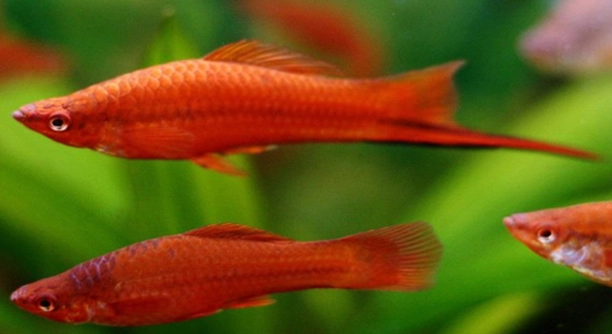
Swordtails are popular aquarium fish known for their vibrant colors and lively nature. However, if you notice your swordtail becoming less active, it could signal an underlying issue that requires attention. Understanding the cause can help improve your fish’s health.
The decrease in activity levels in swordtails is often due to factors such as poor water quality, stress, or health problems. It’s important to assess their environment, diet, and interactions with tank mates to identify potential stressors.
Addressing these concerns promptly can restore your swordtail’s energy and overall well-being.
Understanding Water Quality and Its Impact
Water quality plays a crucial role in the health of swordtails. If the water becomes polluted or the parameters like pH, ammonia, or nitrates rise too high, it can make your fish feel stressed and lethargic. Swordtails are particularly sensitive to these changes. Poor water conditions can cause skin irritations, breathing difficulties, or infections. Keeping the tank clean and regularly testing the water can prevent these issues from affecting your fish’s activity.
Maintaining water quality through regular water changes is essential. Swordtails thrive in a stable environment where the water is clear and properly filtered.
Test kits for water quality parameters such as pH, ammonia, nitrites, and nitrates can help monitor the conditions. If these levels become unbalanced, it’s important to take action quickly, adjusting the water or improving filtration to ensure your fish stay healthy and active.
Stress from Tank Mates
Stress can also come from tank mates. Swordtails may struggle if they share the tank with more aggressive species. Fish that chase or nip at them can cause anxiety, making them less active.
Choosing compatible tank mates is vital. Avoid placing swordtails in overcrowded tanks or with overly territorial species.
When selecting tank mates, ensure the other fish are peaceful and can coexist without competing for space or resources. Swordtails benefit from a calm, stable environment, allowing them to thrive and display their usual energetic behavior.
Poor Diet and Feeding Habits
Swordtails need a balanced diet to stay active. If they aren’t receiving the right nutrients, they can become sluggish. A lack of variety in their diet, such as feeding only one type of food, can lead to nutritional deficiencies. It’s important to offer them a mix of high-quality flakes, frozen, or live food.
Overfeeding can also affect their health. Swordtails may become less active if they eat too much, as the extra food can cause bloating or digestive issues. Feeding your swordtail small portions two to three times a day helps maintain a healthy weight and energy level.
If your swordtail isn’t eating properly or shows little interest in food, it could be a sign of a health issue. It’s important to monitor their eating habits and make adjustments to their diet as necessary. A varied diet that includes vegetables, protein, and vitamins will keep them energized and active.
Temperature Fluctuations
Swordtails are sensitive to changes in water temperature. Fluctuations that are too drastic or prolonged can cause stress, leading to inactivity. Swordtails thrive in temperatures between 72°F and 82°F (22°C to 28°C). Any sudden drop or increase can affect their behavior.
To avoid temperature fluctuations, ensure the tank is kept in a stable area with minimal drafts or direct sunlight. Using a reliable heater can help maintain a consistent temperature. If the water is too cold, swordtails may become sluggish, and if it’s too warm, they may become stressed and inactive.
In addition to maintaining a steady temperature, it’s important to monitor it regularly. A thermometer placed in the tank will help ensure the water remains within the ideal range for your swordtails. Regular checks prevent temperature-related issues from affecting their health and activity levels.
Illness or Injury
Swordtails can become less active if they’re unwell or injured. Any sudden change in behavior, such as not swimming as much or hiding more often, may signal health issues like parasites, infections, or injury. Early detection can make a big difference.
If you notice any unusual behavior, check for visible signs of illness, such as white spots, damaged fins, or swelling. A trip to the vet or aquarium specialist can help diagnose the problem early.
Proper care, including maintaining clean water, regular feeding, and a stress-free environment, can reduce the chances of illness and promote a more active swordtail.
Overcrowding in the Tank
Overcrowding in the tank can affect your swordtail’s behavior. When there’s too much competition for space and resources, your fish may feel stressed and reduce their activity levels. Swordtails need room to swim and explore.
Ensuring the tank is not overcrowded is essential for maintaining their health. A good rule is to provide at least 1 gallon of water per inch of fish. Having enough space will reduce stress, promote natural behaviors, and encourage your swordtails to swim and interact more.
Aging Fish
As swordtails age, they naturally become less active. This is a normal part of their life cycle. Older swordtails may slow down, rest more, and swim less frequently. Understanding this change is crucial.
Adjusting the environment to be more comfortable, such as lowering water currents or offering more hiding spaces, can help make aging swordtails more comfortable. Regular water changes and monitoring their diet can also aid in ensuring their health in their later years.
FAQ
Why is my swordtail hiding more than usual?
Hiding can be a sign of stress or illness in swordtails. If they’re not feeling well or are overwhelmed by aggressive tank mates, they may retreat to a quiet corner. It’s essential to check for visible symptoms like clamped fins or discoloration. Improving the water quality and ensuring the tank environment is peaceful can help your swordtail feel more secure and reduce hiding.
Can swordtails become inactive if the water is too warm?
Yes, swordtails are sensitive to high water temperatures. If the water temperature rises above their ideal range (72°F to 82°F), they can become stressed and less active. In extreme cases, they may even stop eating. To prevent this, regularly monitor the water temperature and ensure it stays within the proper range.
How do I know if my swordtail is sick?
Signs of illness in swordtails can include reduced activity, abnormal swimming, loss of appetite, discoloration, or visible marks on their body. If your swordtail is also breathing rapidly or has swollen fins, these could be indications of disease or infection. Isolate the fish and consult a vet or aquarium specialist for treatment.
Can swordtails become inactive from overfeeding?
Overfeeding swordtails can lead to inactivity, as they may become bloated or develop digestive problems. When swordtails eat too much, it can slow down their metabolism and reduce their energy. Feed them only what they can consume in a few minutes, and remove any uneaten food to prevent water pollution.
Is my swordtail inactive due to poor water quality?
Yes, swordtails are very sensitive to poor water conditions. If the water quality is subpar, it can lead to stress, weakened immune systems, and lethargy. Make sure to perform regular water tests to monitor pH, ammonia, and nitrate levels. Consistent water changes and proper filtration are key to keeping your swordtail active and healthy.
Do swordtails need tank mates?
Swordtails are social fish, but they don’t necessarily require tank mates. They can live alone if needed, although they may enjoy the company of peaceful fish. It’s important to avoid pairing them with aggressive species, as it can lead to stress and reduced activity. Peaceful tank mates like guppies or tetras are ideal.
How can I make my swordtail feel more comfortable?
To make your swordtail feel more comfortable, provide plenty of swimming space, avoid overcrowding, and ensure the water quality is optimal. Adding plants and hiding spots can help them feel secure. Also, try to keep the lighting low and steady, as sudden changes can stress them out.
Do swordtails get more active at certain times of the day?
Swordtails are generally more active during the day, particularly in the morning and late afternoon. At night, they tend to rest or sleep, as they are diurnal. If you notice your swordtail becoming less active during daylight hours, it could be a sign of stress or poor health.
What’s the best way to introduce new swordtails to the tank?
When introducing new swordtails, quarantine them for a few weeks to ensure they are healthy and disease-free. Afterward, slowly acclimate them to the tank water by adding small amounts of the aquarium water to the quarantine tank over several hours. This helps reduce stress and allows the fish to adjust to their new environment without sudden temperature or water chemistry changes.
How often should I change the water in a swordtail tank?
Water changes should be done regularly to maintain a healthy environment for swordtails. At least 25-30% of the tank water should be changed every 1-2 weeks, depending on the size of the tank and the number of fish. If the tank is heavily stocked, more frequent changes may be necessary to keep the water quality high.
Why is my swordtail swimming in circles?
Swimming in circles can be a sign of stress, boredom, or a neurological issue. If the behavior persists, it might be related to poor water quality or an injury. However, some swordtails may swim in circles out of curiosity or to engage with their environment. Observe the fish for other symptoms, like erratic swimming or uncoordinated movements, which could indicate a deeper health problem.
Can swordtails be inactive because of low water temperature?
Yes, swordtails prefer warm water within the range of 72°F to 82°F. If the water is too cold, they can become lethargic, stop eating, and even develop health issues. To prevent this, use a reliable aquarium heater to maintain a consistent water temperature and avoid any sudden drops that could stress your fish.
Are swordtails sensitive to changes in their environment?
Swordtails are fairly sensitive to environmental changes. Rapid shifts in water temperature, sudden changes in water parameters, or moving them to a new tank can cause stress. This can lead to decreased activity levels. It’s important to acclimate swordtails slowly to any changes and ensure their surroundings remain stable.
How can I prevent my swordtail from becoming inactive in the long run?
To keep your swordtail active long-term, ensure a stable environment with clean water, appropriate temperature, and a balanced diet. Avoid overcrowding and provide plenty of space for swimming. Regular tank maintenance and monitoring will help prevent health issues that could lead to inactivity.
Final Thoughts
Swordtails are active and vibrant fish, but like any aquarium pet, they can experience periods of inactivity. Understanding the reasons behind this behavior is crucial for ensuring their health and well-being. From environmental factors like poor water quality or temperature fluctuations to health issues like illness or injury, many factors can contribute to a decrease in activity. Observing your swordtail carefully and maintaining a stable, clean environment are the first steps in preventing inactivity. Regular water changes, monitoring the water temperature, and keeping the tank clean will help create an environment that supports your swordtail’s natural energy levels.
Stress is another common reason for reduced activity in swordtails. Overcrowding, aggressive tank mates, or a lack of hiding places can make your swordtail feel unsafe, leading it to hide or become less active. Providing plenty of space, peaceful tank mates, and hiding spots can help reduce stress. Remember, swordtails are social creatures, but they thrive best when their tank mates are compatible. By ensuring your swordtail has everything it needs for comfort and security, you’ll likely see a return to its active behavior. Keep an eye on their eating habits as well, as changes in appetite can indicate underlying issues.
As swordtails age, some reduction in activity is natural. Older fish will naturally slow down, rest more, and swim less frequently. This is a normal part of their life cycle, and while it might seem concerning, it is often just their way of adjusting to their age. However, it’s still important to provide a healthy environment with proper water conditions and a balanced diet to help them live out their senior years in comfort. Even as your swordtail grows older, paying attention to its overall health and maintaining a stable tank environment can help it remain active and happy for as long as possible.

Hello,
If you enjoy the content that we create, please consider saying a "Thank You!" by leaving a tip.
Every little bit helps us continue crafting quality advice that supports the health, happiness, and well-being of pets around the world, for pets of all shapes, sizes, and species.
We really appreciate the kindness and support that you show us!